Meth Lab Cleanup city guides
Local context, authority links and the questions to verify with any provider.
48 city guides currently meet our publication standard. Each combines location-specific property and access context, authority links, documentation requirements, and questions to verify with a provider.
Get an email reply about meth lab cleanup
Send a short message to the follow-up inbox. A coordinator can reply by email. This form does not send emergency help; call 911 first if anyone is in danger.
Research before reach
A location is published only when its page includes meaningful local property, access, climate, jurisdiction, or documentation considerations.
Everything for one city on one page
Planning, safety, insurance, provider questions, sources, and documentation for each city sit together on a single guide.
No invented local offices
A city guide does not claim a storefront, parked crew, guaranteed arrival, job count, rating, or credential that has not been independently verified.
Published city guides
These are educational planning resources, not proof that the network owns an office or dispatches a dedicated crew in each city.
Not sure where to start?
Send a short message about your situation. Your request is sent to the follow-up inbox. A coordinator can reply by email.
Your request is sent to the follow-up inbox. A coordinator can reply by email.
If anyone is hurt or in danger, call 911 first.
Why location matters for meth lab cleanup
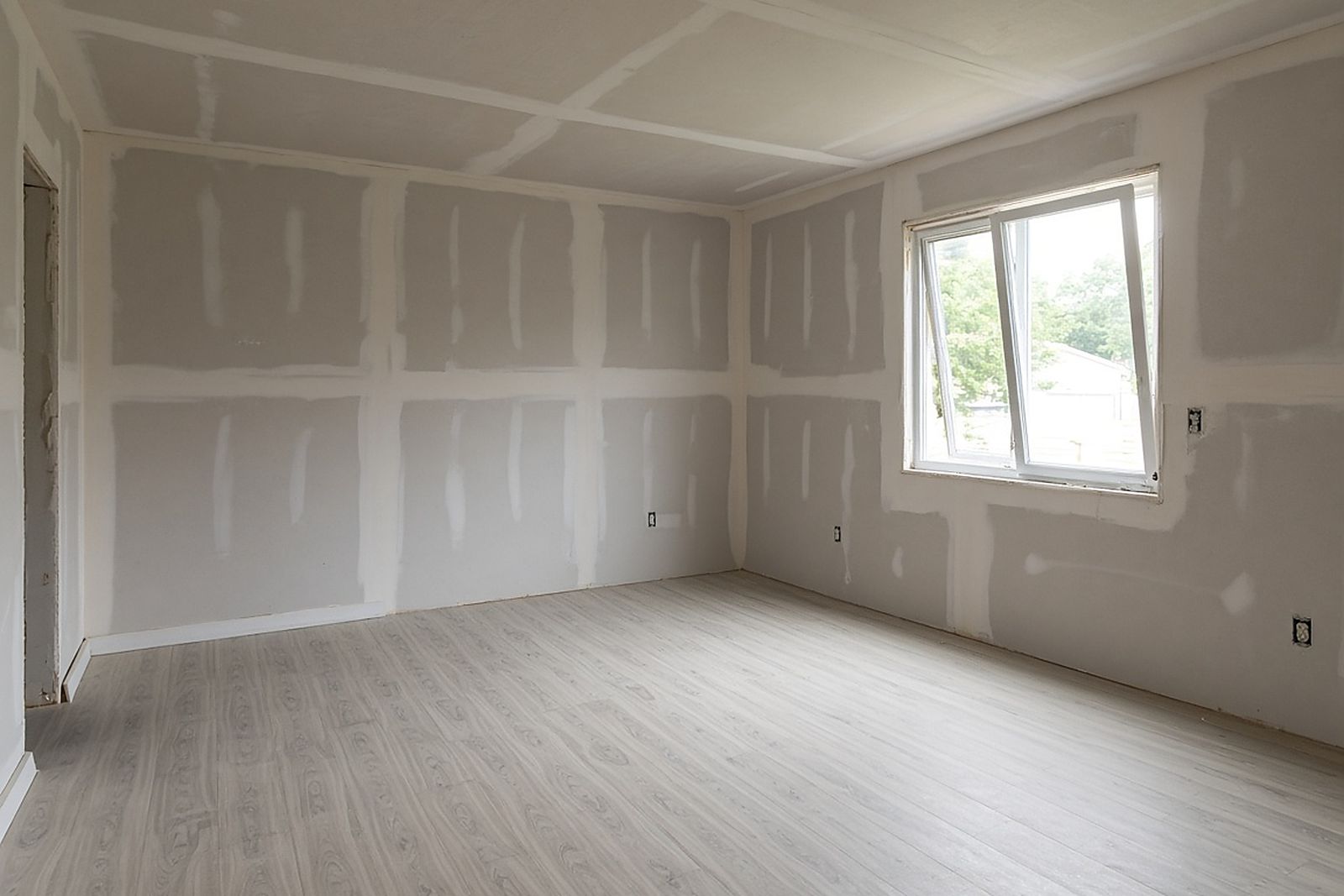
Few kinds of cleanup depend on location as much as meth lab cleanup. Some states run formal programs. They set a number-based residue limit, require a qualified tester, and keep a list of properties. A property stays flagged until an agency accepts its clearance results. Other states offer only guidance. A few say little at all and leave counties or cities to pass their own rules. Those differences decide who may test, which lab results count, and whether you may legally rent or sell before release. The building itself changes the job too. A manufactured home with thin paneling and flexible ducts soaks up residue differently than a brick house with plaster walls. Apartments that share air handlers or plumbing lines raise questions about the units next door. Rural properties may also have sheds, septic systems, or burn areas that a city lot never would.
Several agencies may each hold part of the story after a lab is found. Police usually remove the bulk chemicals and equipment. They may tell the health or environmental agency that the property was a lab site. Depending on the state, the health department, environmental agency, or a local building official may act next. They may post a notice on the property, issue an order limiting who can live there, or keep a public list of affected addresses. Code enforcement may get involved if walls, ducts, or fixtures are removed. A septic or wastewater office may care if chemicals were dumped down drains or onto soil. To find the right office, start with the police agency that handled the discovery. Ask which agency got its notice. Then call that agency and ask what steps it requires before people can live in the property again.
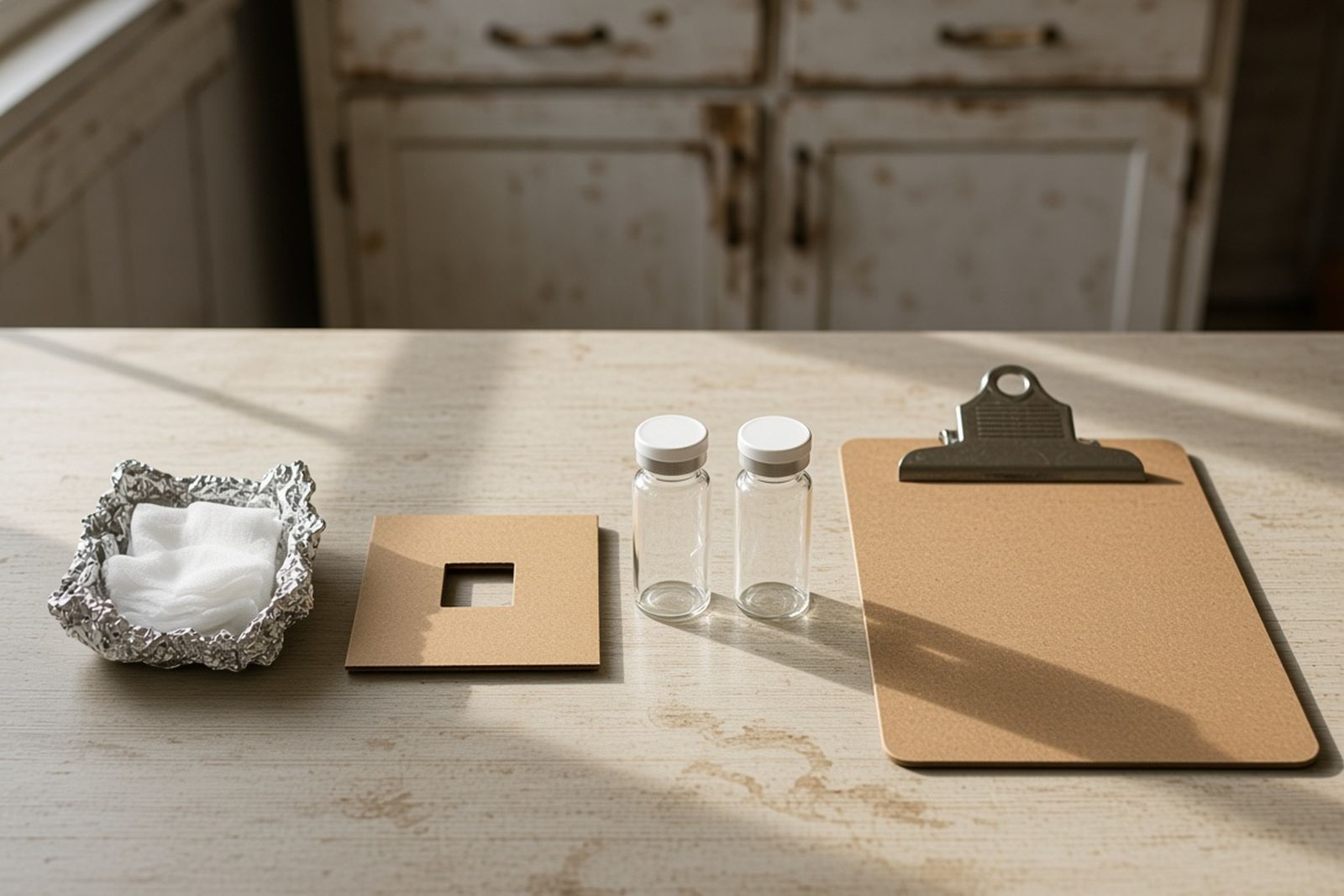
Checking a meth cleanup provider starts with your local rules, not the company's website. Ask the agency in charge if it certifies or registers contractors and testers. Then ask the provider for its ID number and confirm it yourself. Find out if the tester is separate from the cleanup company, and if your state requires that. Ask which lab will test the wipe samples and if that lab is accredited for meth testing. Ask for a final report from a past job with private details blacked out. That lets you see how sample spots, results, and the removal scope were recorded. Confirm which hauler will take the chemical debris and whether the waste was checked and labeled before disposal. Rules vary by state and county, so check every answer with the local office. Walk away from anyone who promises a passing result before testing.
What to verify locally
- Whether your state or county sets a residue limit for this property, and which agency must accept test results before a move-in or sale.
- Whether the tester must be separate from the cleanup contractor where you live, and what license or registration each one holds.
- Which lab will test the wipe samples, whether it is accredited for meth testing, and that chain-of-custody forms will be in your file.
- Whether the property has a posted notice, is on a public list, or is under an order that limits who can live there, and what lifts it.
- How shared air handlers, plumbing lines, or shared walls in your type of building will be tested so units next door are not missed.
- Whether septic systems, sheds, or soil on rural land fall under a separate agency, and who is responsible for checking them.
National figures for context
These are national or research figures, not data for any one city.
- 34,696
Federal OSHA conducted 34,696 inspections in fiscal year 2024 and has roughly one compliance officer for every 70,000 workers.
Read with care: Excludes inspections by state-plan agencies.
Source: OSHA (2024)United States, federal OSHA, FY2024
- $16,550
OSHA's maximum penalties are $16,550 per serious violation and $165,514 per willful or repeated violation.
Read with care: Amounts adjust annually for inflation.
Source: OSHA (2024)United States federal OSHA, 2024 inflation-adjusted amounts
- 40 hours + 8 hours/year
OSHA's HAZWOPER rule requires general site workers to complete 40 hours of off-site instruction plus three days of supervised field experience, with 8 hours of annual refresher training.
Read with care: Not every biohazard cleanup legally falls under HAZWOPER; meth lab chemical work often does.
Source: OSHA (1990)US hazardous waste site workers
These figures are public research and agency data, not this network's own job records. Keep each number with its population, year and limits; none of them predicts cost, timing or outcome at a specific property.
Local questions about meth lab cleanup
How do I find out whether my state has a meth lab cleanup program?
Call your state health department and state environmental agency. Ask whether either one oversees properties used as illegal drug labs. Ask whether a residue limit applies, whether contractors or testers must be certified, and whether properties stay listed until cleared. If neither agency has a program, ask your county health department whether a local rule applies. Write down names and dates. Those notes help later if a buyer, lender, or insurer asks how you confirmed the rules.
Does a property outside city limits follow different rules?
It may. Areas outside city limits often fall under county rules instead of city rules. Some counties have passed their own cleanup rules, while others rely fully on the state. Rural land may also include wells, septic systems, and sheds that bring in other agencies. Ask the county health department which rules apply to your land. If chemicals may have been dumped outdoors, ask whether soil or water testing should be part of the inspection.
What happens if the lab was in one apartment of a larger building?
Residue can travel through shared vents, plumbing spaces, and gaps around pipes or wiring. An inspection should look at hallways and nearby units, mainly those on the same air handler. Local rules may require telling other tenants or testing beyond the first unit. Ask the agency in charge what it expects. Ask the provider how it will decide which nearby spaces to test, instead of assuming the problem stopped at the door.
Can I sell a property that is still on a contaminated-property list?
It depends on your state. Some places allow a sale with full disclosure. Others limit who can live there until clearance is accepted, and that affects loans and insurance. Buyers and lenders often require proof of release before closing. Ask the agency that keeps the list exactly what document takes the property off it. Talk to a local real estate lawyer before you list the home, so you understand your disclosure and contract duties.
Do manufactured homes need a different cleanup approach?
They often do. Manufactured homes often use thin wall panels, ceiling boards, and flexible or fiberboard ducts. These soak up residue and can be hard to clean to a level you can prove with tests. Removing those materials may make up a bigger share of the work. In some cases, owners compare the cost of cleanup with the cost of replacing the home. Ask the provider how the way your home is built affects the scope. Ask the agency in charge whether any special rules apply.
Who pays for cleanup when a lab is found in a rental property?
The agency in charge usually holds the property owner responsible for the cleanup, even when a tenant caused the contamination. An owner may try to get costs back from the former tenant or through insurance, but those paths vary. Lease terms, state landlord-tenant law, and any agency orders all affect the answer. Ask the agency what it requires of the owner. Talk with a local lawyer about ways to recover costs.
What local records should I request after a lab discovery?
Ask the police for the incident report number and any notes about chemicals taken from the property. Ask the health or environmental agency for copies of any posted notice, order, or listing tied to the address. If a past owner or tenant had the property inspected, ask whether those reports are on file. Together, these records guide the testing plan. They also help you show future buyers or lenders how the property was handled.
More on meth lab cleanup
Meth Lab Cleanup services
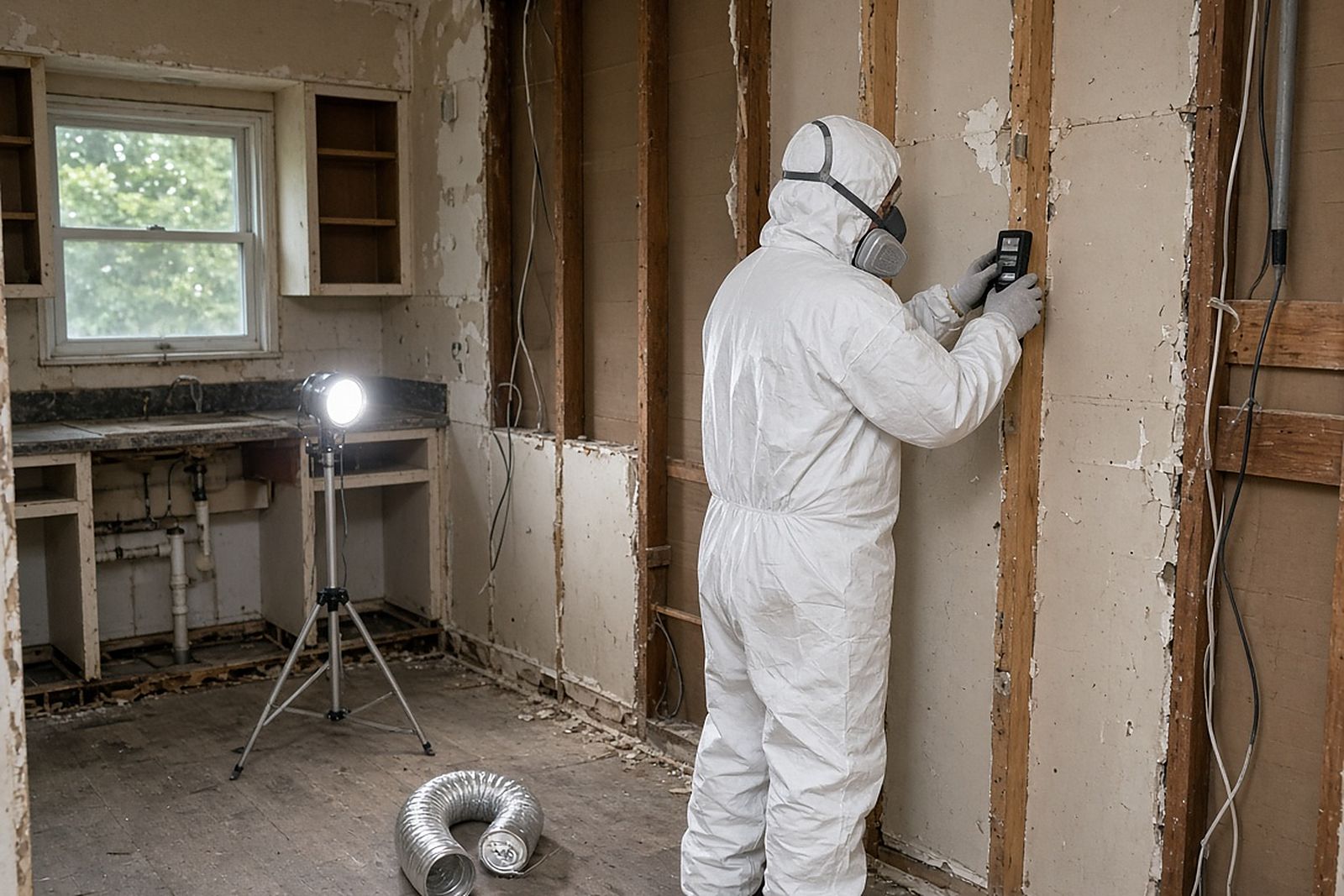
See how the inspection, chemical cleanup, duct work, and clearance testing fit together on a former lab or heavy-use home before you hire.
Costs explained
What drives the price, published cost ranges, and how to read a written quote line by line.
Insurance and payment
Which policies may respond, how to document a claim, and what to do if coverage is denied.
Planning tools
Use hands-on planners for lab properties. They sort out costs, questions for providers, insurance steps, first-day actions, waste types, and the risk of doing it yourself.
Community polls
See how other owners, buyers, and landlords think about disclosure, sampling, and contractor choice, then compare your own view with theirs.
Knowledge quiz
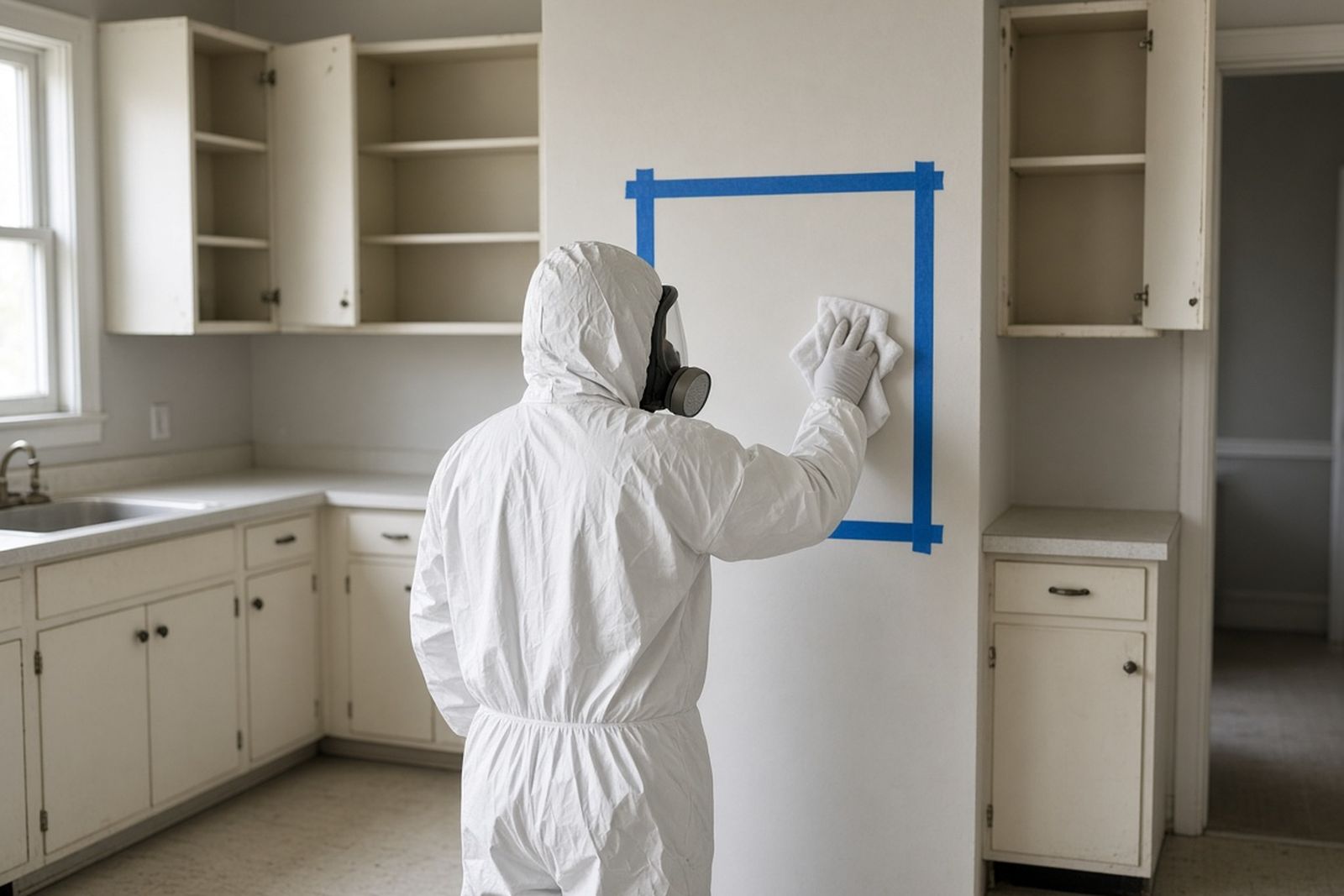
Test what you know before you talk with a provider. Topics include how residue spreads, state programs, sealing off work areas, cleanup steps, waste, and clearance records.
Articles and resources
Read plain explanations of state rule changes, testing questions, disclosure disputes, and lessons from real cleanups across the country.
Field guides
Dig into step-by-step guides on inspections, soft materials, and ducts. They also cover landlord duties and building a strong file for future buyers.