La Jolla, CA

Meth Lab Cleanup in La Jolla, CA: Hillside Levels, Campus Rentals, and State Wipes

What to do, who to contact, and what to ask in La Jolla.

Meth residue in a La Jolla hillside home or campus rental? See what state law requires, why each floor is tested, and which records escrow expects.

Get an email reply about meth lab cleanup

Send a short message to the follow-up inbox. A coordinator can reply by email. This form does not send emergency help; call 911 first if anyone is in danger.

Tell us what you need help with. Share a short description; please leave out medical details, access codes, and other sensitive information.

A request does not confirm a booking. For immediate danger, contact local emergency services.

Or email info@methlabcleanup.online

The short answer for La Jolla, CA

If your La Jolla home or rental has a meth history, pause bookings and move-ins and have each level wipe tested. Every floor falls under California Health and Safety Code section 25400.16. Meth lab residue must wipe at or under 1.5 µg/100 cm². If fentanyl lab chemistry was on the property, no fentanyl may be found.

What to do, step by step

  1. 1

    Pause bookings and get a floor-by-floor sampling map

    Pause short-term rental bookings until the plan is written. Photograph each level and each outdoor stair landing. Tell the testing company what you found on each floor, so signs of a cook are noted apart from smoking only. The pass level should be tied to HSC 25400.16 for the chemistry found on each floor. Accredited chain-of-custody forms should go with every wipe that leaves the hillside. Ask to see a blank copy of that form, so you know what your final file will look like.

  2. 2

    Have the levels sealed off from each other

    A good crew seals the inside doors between levels. Soft goods are bagged before they go up the outdoor stairs. Soft, absorbent items that hold residue are removed. Hard surfaces are washed with soap and cleaned with a HEPA vacuum. Ask that no leaf blowers be used on your decks, since they push dust indoors. Did your lower suite show signs of a cook? Then state hazardous waste rules govern how its solvent debris gets sorted and labeled. Expect the carrying to take longer on a steep lot than it would on a flat one.

  3. 3

    Ask about the heating and cooling on each level

    The equipment that serves the work level should be turned off during tear-out. New filters go in on that level, and a worker wipes any covers within reach. If a shaft links your levels, ask for added tests on the floors above. Tools are cleaned on the landings before they enter clean floors. You can also ask about the workers' breathing protection, which should fit the dust and solvent risks in your hillside home. Keep a note of which unit serves which floor.

  4. 4

    Collect the clearance packet before the next lease or closing

    Failed wipes mean another round of removing or washing before your next lease or closing, so leave room in your dates. Ask for sample maps labeled by floor, lab PDFs, waste shipping records, and a short memo on cook versus use. File the packet with your property records. If you rent to students or guests, keep a copy where you can share it. Talk of cove air does not meet HSC 25400.16. A floor-by-floor set of passing results does.

What cleanup is like in La Jolla

Split-level homes on the hills above the cove, and small apartments near the research and campus areas, let residue travel up and down between floors. You may find the problem when a lower guest suite has smoking debris, or when a student rental turns over with chemical stains. Coastal buyers sometimes ask for wipe PDFs mid-escrow. Steep outdoor stairs and salty window sills do not change what clearance means. Salt crust on a sill is just weather wear. So plan on testing floor by floor. A result from one level tells you little about the level above or below it.

When a La Jolla seizure turns up bulk lab chemicals, DTSC hauls them away. The loft carpets and return filters are still your problem. A cook leaves behind bottles of lab ingredients that change your waste paperwork. Smoking alone still fails wipes on futons in closed-up lower suites. The way things are carried out matters on a hillside. Soft goods carried up outdoor stairs without bags can dust your open decks and upstairs living rooms. Ask the company to show you the carry route before work starts, and keep deck doors shut along it.

Parking limits in tourist season and steep driveways affect how fast your job can move, so raise them when you first call. Short-term rental schedules make it tempting to paint first. Resist that. A good crew closes off each level and draws a sample map floor by floor. Keep your disclosure papers ready for a buyer or the next tenant. And be careful with your listing words. Do not advertise a home as “refreshed by the cove breeze” as if that met California's law. The lab report is the only thing that shows it.

What to expect for your type of home

  • Split-level hillside homes: Ask that the lower guest suite, middle living rooms, and street-level entry be labeled as separate floors on the wipe map. Each one gets its own results.
  • Homes with outdoor stairs: Ask for sealed carry routes up the stairs. Bags should never sit open on your bluff decks, where wind can lift dust back toward the house.
  • Lofts and guest suites: Once residue is confirmed, salt-damp carpet and soft loft furniture are thrown out. Ask for a list of what is going, so you can plan replacements.
  • Homes with more than one heating system: Find out if each level has its own mini-split or shares a hillside furnace shaft. Tell the company, since a shared shaft means more testing.
  • Rentals near campus: Smoking debris and solvent bottles are different kinds of waste. Ask that they be sorted apart before anything is labeled and hauled away from your rental.
  • Homes in escrow: Give escrow a comparison to HSC 25400.16 that is labeled by floor. A bill for home staging does not answer the question a buyer is asking.

Papers and records to keep

  • Floor plans labeled by level, with the wipe spots marked on each one
  • Photos of sealed bags going out by way of the outdoor stairs
  • Lab PDFs for meth, fentanyl, or both for each floor, with detection limits
  • A level-by-level check against HSC 25400.16 for the chemistry each floor showed
  • A list of soft loft and guest-suite furniture that was thrown out
  • A filter log for the mini-split or hillside furnace on each level

Local offices and official help

Common questions in La Jolla

Why do the wipe spots need to be mapped by floor?

Because levels in a hillside home can differ a lot. Lower suites often hold heavier smoking or cook evidence, while upper floors stay cleaner. It can be the other way around if soft goods were moved upstairs. Shared shafts can move dust between levels. Floor labels show your buyer which spaces were tested. Ask the company to write down anything left out and why. One line saying “house cleared,” with no floor map, is weak for a coastal escrow.
Does my rental near campus need clearance before the next school term?

It should have it before anyone moves in. A sound practice is to get accredited after-cleanup wipes that meet the HSC 25400.16 rules that apply, before students or families arrive. The school calendar does not change what the law requires. Keep chain-of-custody forms in the rental file. Spraying scent between tenants is not clearance.

Can cleaning salt mist off the windows replace meth wipes?

No. Cleaning off salt crust is upkeep. It does not meet HSC 25400.16. Each La Jolla level must show meth at or under 1.5 µg/100 cm². Fentanyl labs need results showing no fentanyl found until a health-based limit is set. Keep your HVAC and window notes apart from the lab PDFs, so anyone who reads the file can see both tasks.

How should the outdoor stairs be handled while soft goods come out?

Everything should travel in sealed bags only. Bags may rest on landings for short times, and cushions should never be left open on bluff decks. Dust blown off open piles can drift back through open sliders into rooms that were already cleaned. Ask for photos of the route for your file. Steep access is part of the chemical plan. It is not a reason to skip bagging.

Which cook clues matter most in a lower guest suite?

Look for solvent bottles, stained utility sinks, and reaction glassware. These widen the hazardous waste work. Lead or mercury wipes may join the list for the suite when those metals were part of the cook. Smoking foils alone still need indoor wipe proof. Ask that the difference be put in writing in the work plan. If signs of a cook appear after a smoking-only plan started, the plan should widen.

How should I handle my vacation rental near the Village?

Block bookings as soon as you see warning signs, and set up a review before the next arrival. Short-term rentals near the Village change guests often, and guests may not notice residue or report a smell. Mattresses and soft furniture in vacation units are usually removed, not cleaned. Check whether the rental shares air flow or entrances with your own home. Start taking bookings again only after after-cleanup wipes meet California's standard. Keep the file in case future guests or neighbors ask.

Do La Jolla's coastal canyons make staging harder?

Yes. Homes perched above canyons often have steep lots, little street frontage, and fragile slopes, and those slopes should never be used for staging. Bags stay inside the home or garage until loading. Containers should not sit on unpaved edges. Wash water must never be rinsed down a slope or into a storm drain. It is collected and handled with the other waste. Expect loads at quieter hours, to cut down time on narrow streets.

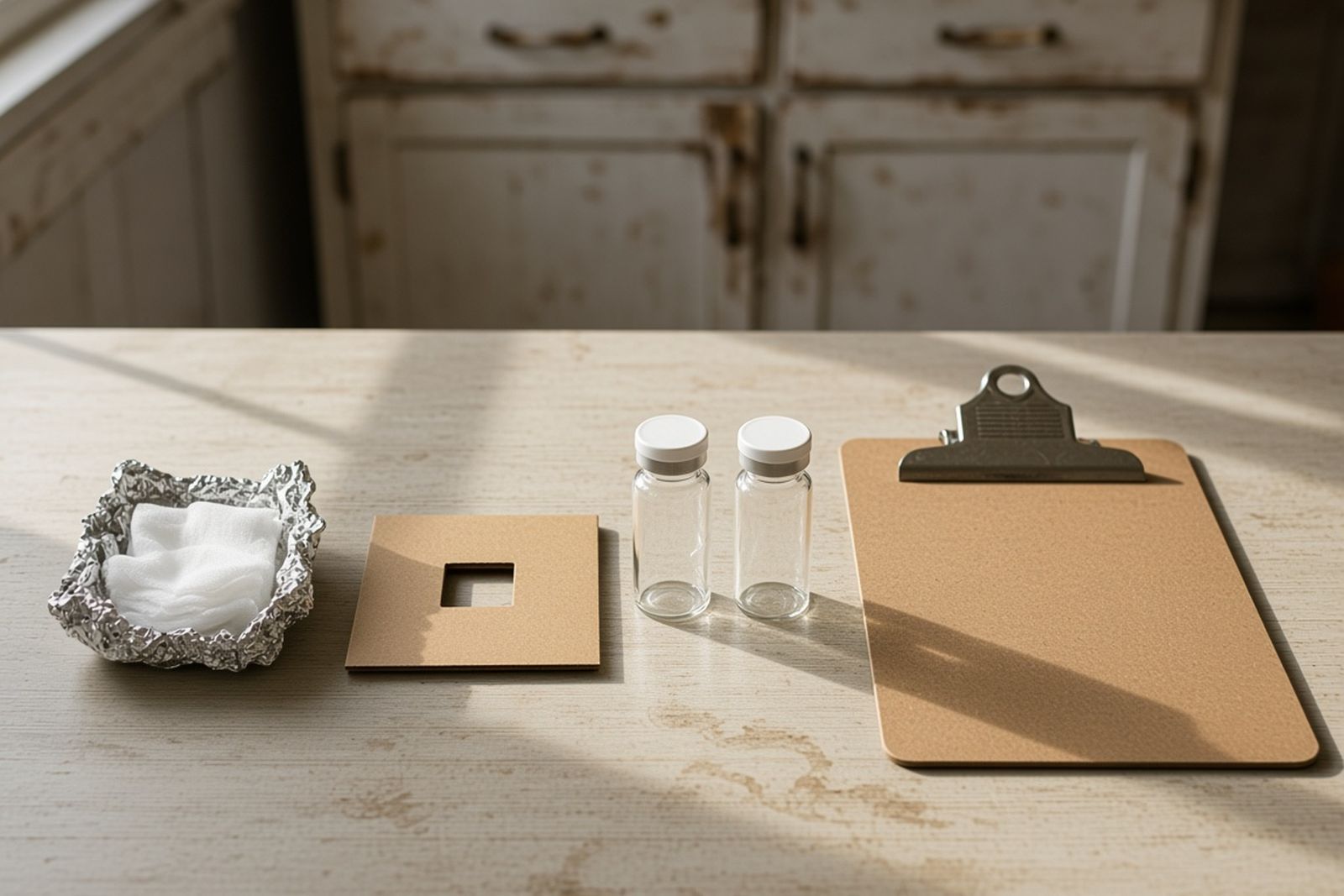
Wipe-sampling supplies on a counter: gauze in foil, a sampling template, vials and a clipboard
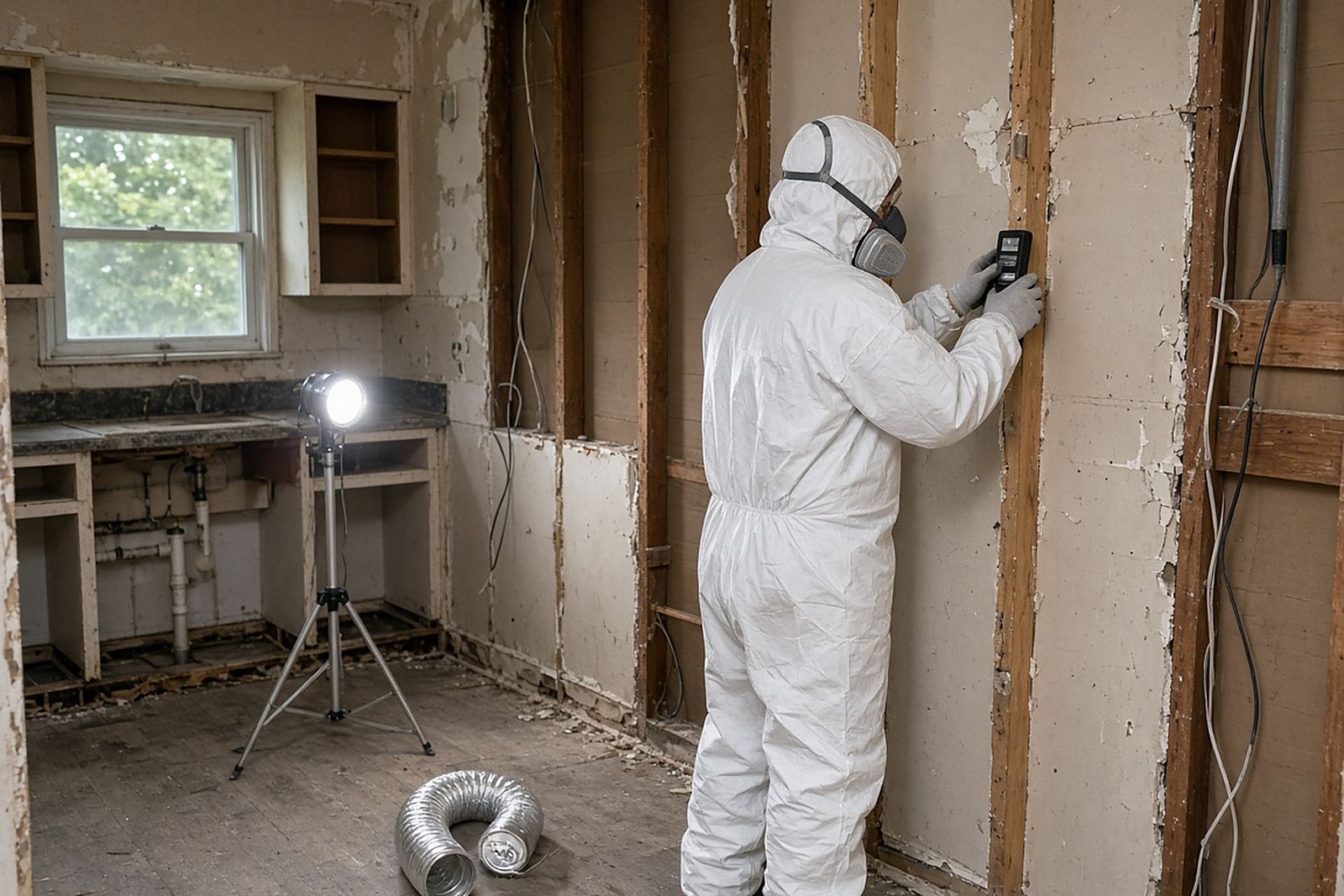
Technician in a respirator checking exposed studs in a gutted kitchen with a work light and duct

Facts worth knowing

  • A study of 63 people in 25 Australian homes contaminated by meth making or use found sleep, behavior, breathing, skin and eye problems and headaches.

    Why it matters: If you have these symptoms in a home with a drug history, ask about testing; homes where meth was only used caused problems too.

    Source: Toxics (Wright et al.), 2020

  • Minnesota sellers who know meth was made on a property must tell buyers in writing before a sale, and buyers may sue for cleanup costs within six years.

    Why it matters: If you bought a Minnesota home with a hidden meth history, you may be able to recover cleanup costs, so ask a lawyer soon.

    Source: Minnesota Legislature, Office of the Revisor of Statutes, 2024

  • EPA's voluntary cleanup guidelines for meth and fentanyl labs were first issued in 2009, revised in 2013 and updated in August 2021 to add fentanyl.

    Why it matters: Ask whether your cleanup company follows the current EPA guidelines, keeping in mind they are voluntary and set no national cleanup limit.

    Source: US EPA, 2021

Tools that help right now

What would you do?

Poll results

Vote to see how other people answered. You can change your answer at any time.

Your experience

If a house you wanted had a documented lab cleanup that passed clearance, what would you most likely do?

Be the first to vote
Industry

Which factor would you weigh most when choosing a meth cleanup contractor?

Be the first to vote

Need help in La Jolla?

Send a short message about the property to the follow-up inbox. A coordinator can reply by email with next steps.

Your request is sent to the follow-up inbox. A coordinator can reply by email.

If anyone is hurt or in danger, call 911 first.