Send a short message to the follow-up inbox. A coordinator can reply by email. This form does not send emergency help; call 911 first if anyone is in danger.
Why the work is split into stages
Testing comes before and after the cleanup on purpose. The first test tells the crew where to focus and keeps you from paying to tear out materials that were never affected. The last test proves the job worked.
In states with a meth program, each stage may have its own rules and paperwork. Some require the tester and the cleaner to be different firms. Knowing these rules early helps you hire the right people in the right order and avoid work that has to be redone.
The services, one by one
Pre-Remediation Assessment
Who it is for: Owners, landlords, and buyers who suspect meth use or production and need to know how bad it is.
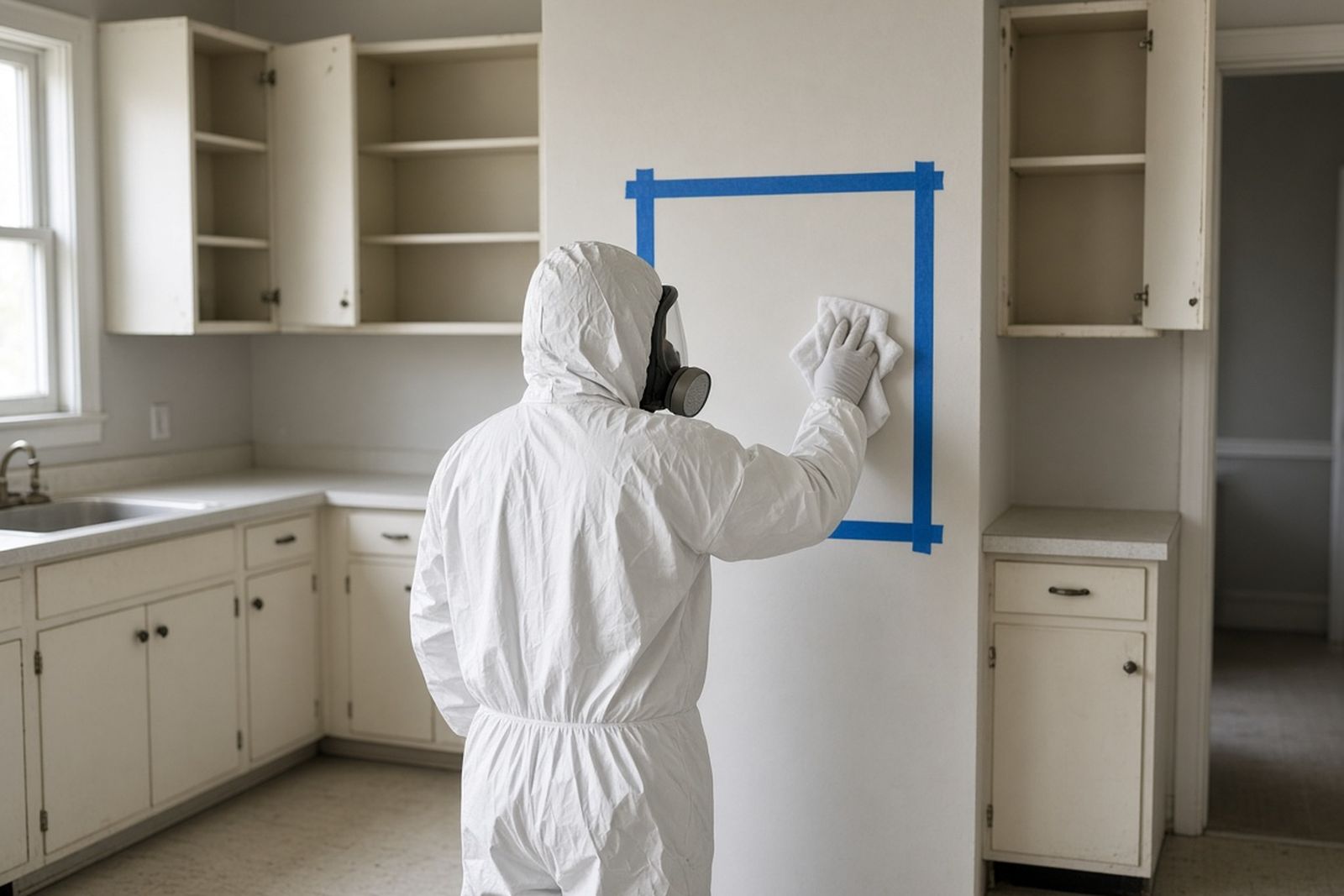
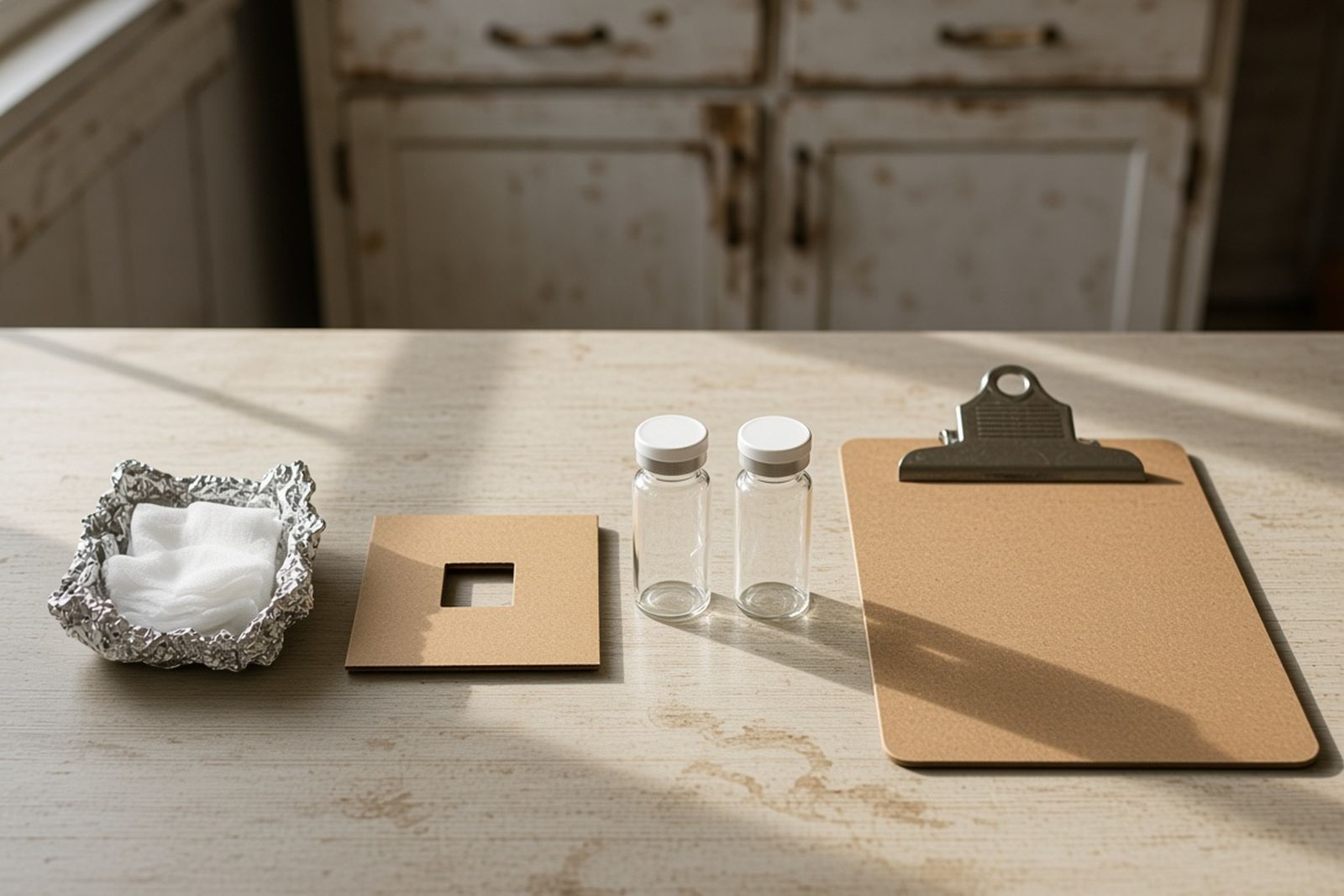
A tester walks the property and notes signs of a lab, stains, and damage. They take wipe samples from set spots in each room, from vents, and from any area that looks heavily used. The samples go to a lab for analysis. The tester then explains which rooms and materials are affected.
What you should get: A written report with a room-by-room map of results and the lab's own data sheets.
Chemical Decontamination
Who it is for: Properties where testing found meth residue above the level your state or county allows.
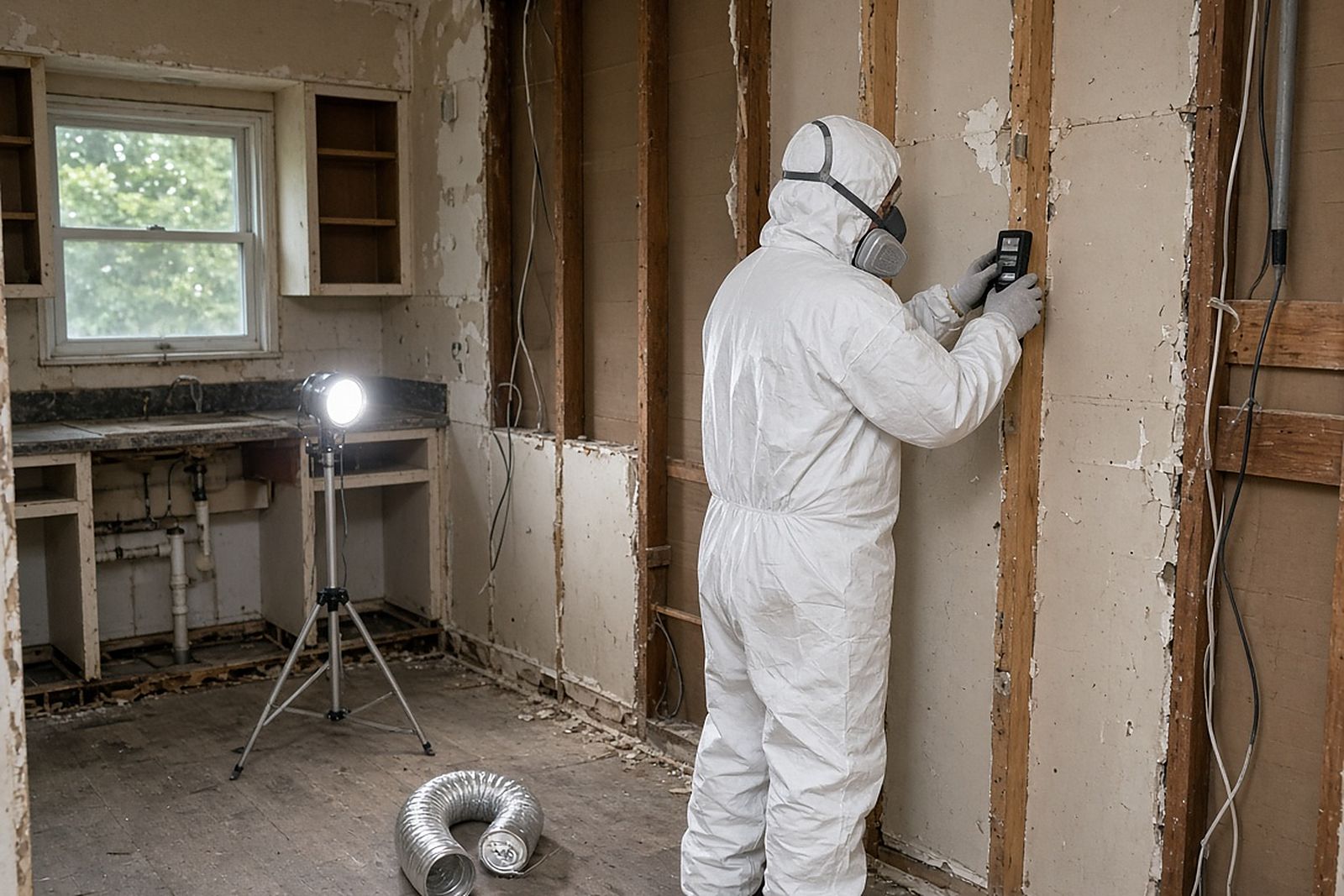
The crew seals off the work area and wears protective suits and masks. They remove carpet, stained drywall, and other materials that cannot be cleaned well. Hard surfaces are vacuumed with fine-dust filters and washed with detergent, often several times. Sinks, drains, and the stove area get extra work because they were used during cooking.
What you should get: A record of materials removed, rooms washed, and waste disposal, ready for final testing.
HVAC & Ventilation Cleaning
Who it is for: Homes where the furnace, air conditioner, or exhaust fans ran while meth was made or smoked.
The crew finds out which systems ran and replaces filters. Vents, returns, and reachable ducts are cleaned. In some homes, badly affected duct sections are removed and replaced. In shared buildings, the crew works to keep residue out of other units on the same system.
What you should get: Notes on what was cleaned or replaced in the air system, included in the final report.
Post-Remediation Clearance
Who it is for: Owners who need proof that the property is clean enough to live in, rent, or sell.
A tester wipes the same kinds of spots checked the first time, plus any areas the rules call for. Samples go to a lab. If a spot fails, the crew cleans it again and it is retested. When everything passes, the tester writes up the results.
What you should get: A clearance report with lab results, photos, and any forms your health department requires.
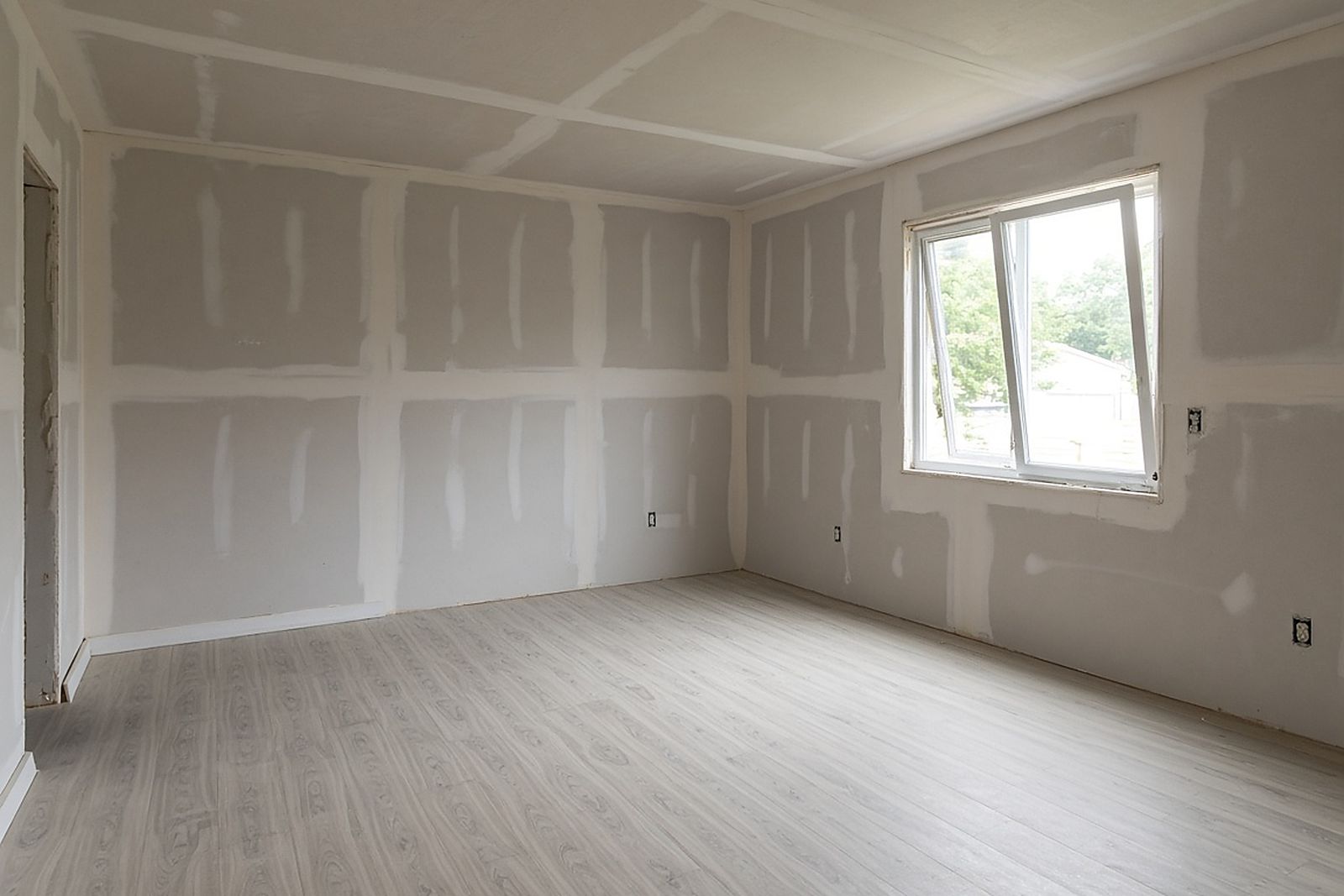
Illustrative photo, not a job record. Technician in a respirator checking exposed studs in a gutted kitchen with a work light and duct.Illustrative photo, not a job record. Empty room with new drywall taped and finished and new flooring installed.
Meth Lab Cleanup in numbers
11.7–26.0 µg/100 cm²
A family of five living in a former meth lab in Victoria, Australia had methamphetamine surface levels of 11.7–26.0 µg/100 cm² in the home, versus the 0.5 µg guideline.
Read with care: A single case report cannot establish typical exposure levels.
Source: CDC MMWR (2016)Single-family case study, rural Victoria, Australia, 2015
1.5 µg/100 cm²
Washington State's methamphetamine decontamination standard is 1.5 µg per 100 cm², which the state says was based on negative health effects found in people.
Read with care: Washington's limit is 15 times higher than the 0.1 µg standard used in several other states.
Ohio's health department reports Oregon experience showing average meth lab cleanup costs of $6,500 per 1,000 square feet plus a $1,400 up-front assessment.
Read with care: Costs are a decade old and vary widely with contamination level and building materials.
Per a NIOSH review of EPA data, the most common state methamphetamine surface cleanup limit is 0.1 µg per 100 cm².
Read with care: Many of these limits derive from analytical detection limits rather than health-based studies.
Source: NIOSH (CDC) (2020)US state standards summarized from EPA 2013 guidance
These figures are public research and agency data, not this network's own job records. Keep each number with its population, year and limits; none of them predicts cost, timing or outcome at a specific property.
What these services leave to others
Removing live chemicals or lab equipment. Police and hazardous waste teams handle that.
Rebuilding walls, floors, and cabinets after removal. Hire a general contractor once clearance is done.
Legal advice on disclosure, eviction, or lawsuits. A real estate lawyer can help.
Health care for people who lived there. A doctor or Poison Control can advise.
Soil or well water testing outdoors. The health department can point you to the right specialist.
Rebuilding, records, and moving forward
Once the house passes, you can rebuild and repaint. Keep the clearance report somewhere safe, along with the first test results and the work plan. Future buyers, lenders, and insurers may ask for them, and some states require you to give them to the next buyer or tenant.
If you bought a home without knowing its past, or a tenant you trusted did this, it is normal to feel angry or betrayed. A lawyer can explain your options. Take time before deciding whether to keep, rent, or sell the property.
Findings from published studies of people and properties in situations like this one. They describe what researchers observed in a specific group; they are not predictions for your case.
Methamphetamine was detected in every reported air sample.
Every count is a real visitor vote; nothing is seeded or padded. One vote per poll per device, and you can change your answer.
Your experience
If a house you wanted had a documented lab cleanup that passed clearance, what would you most likely do?
No visitor votes yet
Industry
Which factor would you weigh most when choosing a meth cleanup contractor?
No visitor votes yet
Your experience
As a landlord, what would you do first if a former tenant had made meth in the unit?
No visitor votes yet
Before you hire: meth lab cleanup questions
Why does testing come before any cleaning?▼
Without a first test, a crew has to guess which rooms are affected. That can mean tearing out clean materials or missing dirty ones. The first results also give a starting point, so the final test shows real progress. In states with a meth program, the first test is often required before a cleanup plan can be approved.
Is the whole house tested, or only a few rooms?▼
Most testers sample every room, plus vents and any spaces like garages or attics where cooking may have happened. Your state program may say exactly how many samples to take and where. Testing only one or two rooms can miss places where residue built up. Ask the tester to list every sample spot in the report.
How are sinks, drains, and plumbing handled?▼
Sinks, tubs, and toilets are often where chemicals were dumped, so they get close attention. Crews clean them well and may replace fixtures that stay stained or pitted. Drain traps may be removed and replaced. If waste may have gone into a septic tank or yard, the health department may want that checked by a separate specialist.
Do the stove, fridge, and washer have to go?▼
Not always. Appliances near the cooking area often hold a lot of residue, especially inside vents and fans. Some can be cleaned and retested. Others, like a stove used for cooking meth, are usually cheaper to replace than to clean. Your state rules may say what to do. Ask the crew to list each appliance and whether they plan to clean or remove it.
What about a garage, shed, or camper on the property?▼
Outbuildings are often where labs were set up, since they are out of sight. They need testing too. A shed with bare wood walls may be hard to clean and is sometimes torn down instead. Tell the tester about every structure and vehicle on the land, so nothing gets left out of the plan and the final report.
Who should get a copy of the clearance report?▼
Keep the original yourself. Your health department may need a copy, depending on local rules. Give one to your insurer if you have a claim open. If you sell or rent the property later, the buyer or tenant may need to see it. Store a digital copy as well, since these reports can be hard to replace.
Can the property be sold before cleanup is finished?▼
In many places it can be sold, but you will likely need to tell the buyer what you know, and some states limit sales or occupancy until cleanup is approved. The buyer may then handle the cleanup. Talk to your state or local health department and a real estate lawyer before listing the property, so the sale does not fall apart later.