Short answer
Meth lab cleanup cost is shaped by how contaminated the property is, the clearance standard your state applies, whether surfaces can be washed or must be removed, how far residue traveled through the HVAC system, and how many rounds of sampling are needed to prove the property is clean. Separate assessment, remediation and clearance testing in every estimate so you can compare them fairly.
Why the price swings from one property to the next
Two houses with the same floor plan can have very different cleanup bills. One might have been a place where the drug was smoked occasionally, leaving light residue on a few walls. Another might have been used for manufacture, with residue soaked into drywall, carpet, cabinets and ductwork, and with chemical spills in sinks and drains.
Because the contamination is invisible, no one can price the work accurately until samples come back from a laboratory. Anyone who quotes a firm number for full remediation before sampling is guessing.
The honest way to think about cost is in stages: first you pay to learn what is there, then you pay to remove it, then you pay to prove it is gone. Each stage has its own price, and each depends on the results of the one before it.
Keeping those stages separate also protects you. If the first results show only light residue, you can scale the remediation accordingly rather than paying for a worst-case plan.
What does the assessment stage cost you, and why is it worth it?
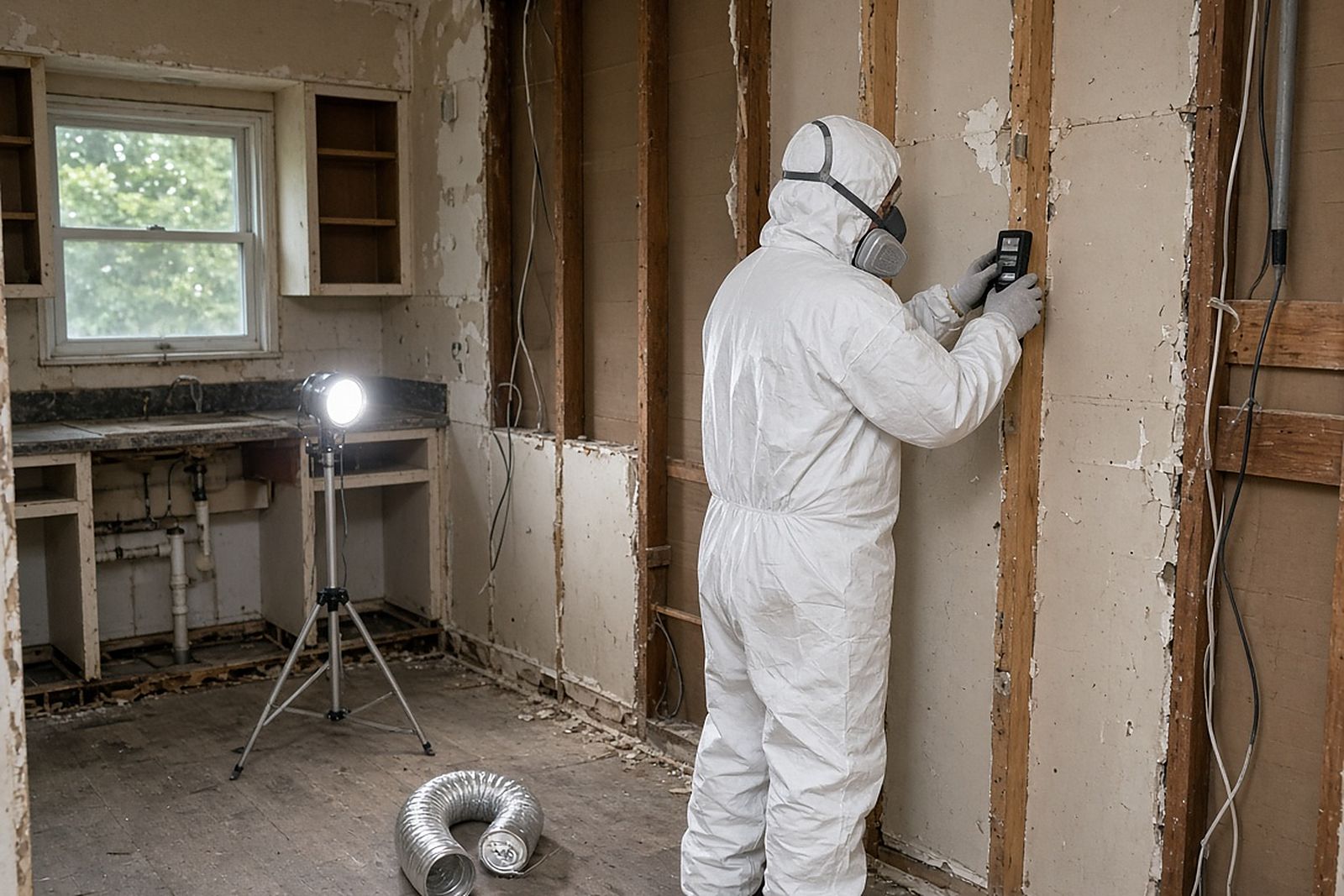
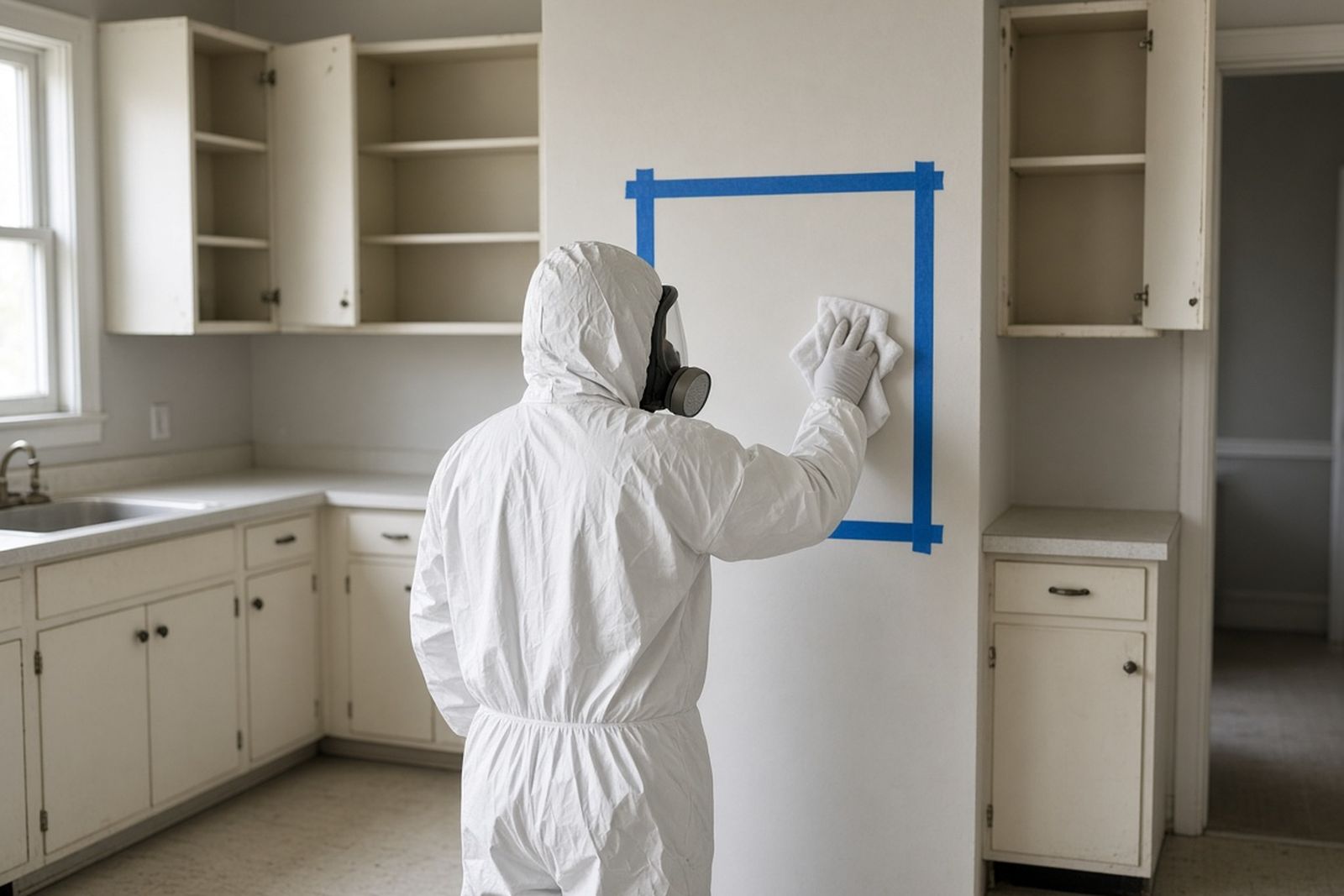
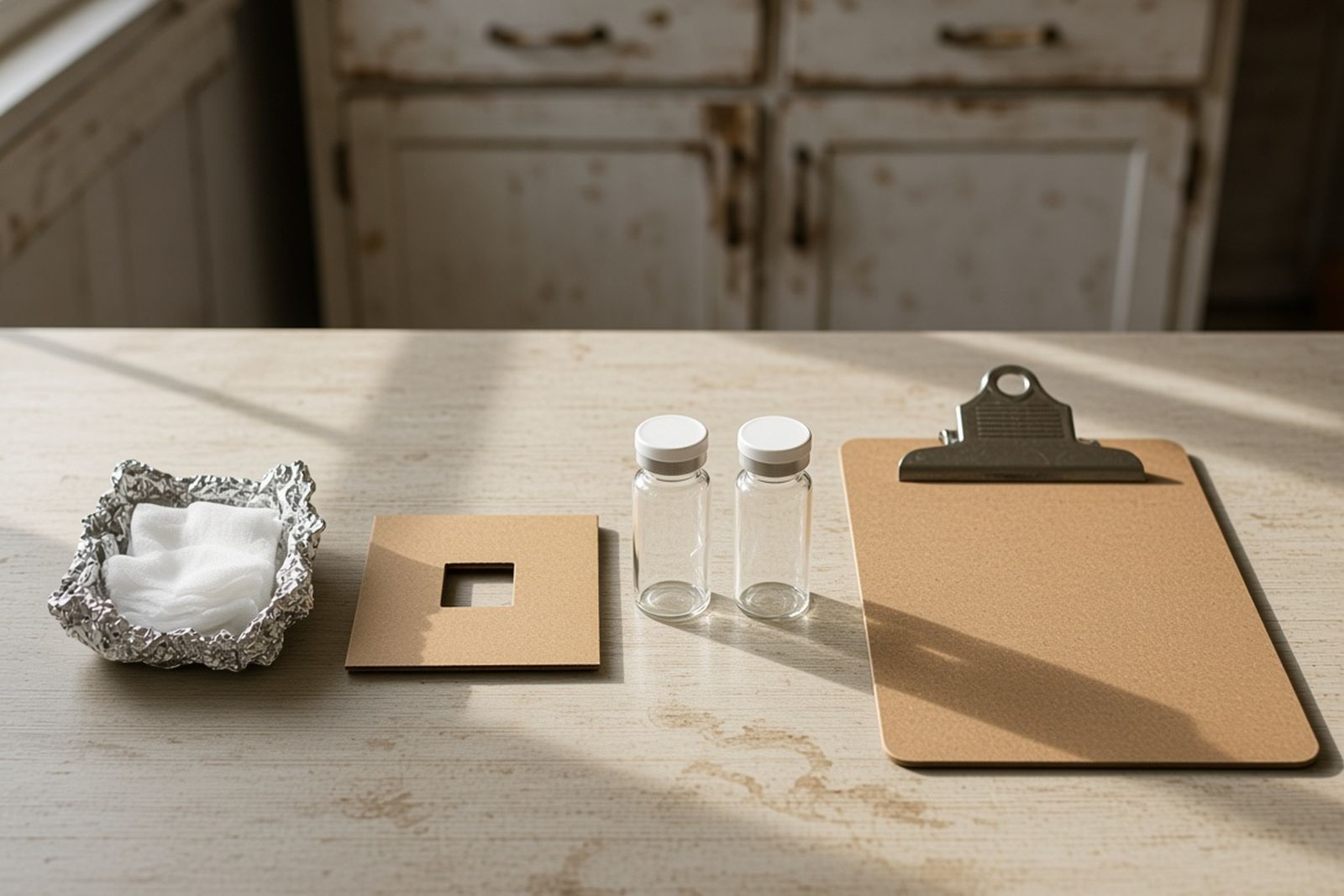
Preliminary assessment usually includes a walkthrough, a review of any police or health department records, and wipe samples from selected surfaces sent to an accredited laboratory. The number of samples, the number of rooms and whether composite samples are allowed all affect the price.
Some jurisdictions require that sampling be done by someone independent of the cleanup contractor. That may mean hiring two companies, which can feel like extra cost, but it also means the person measuring the results has no stake in how much remediation is sold.
Ask how many samples the sampler proposes and why. A plan that includes the kitchen, each bedroom, a bathroom, the return air system and any room where police found equipment will cost more than a plan limited to two or three rooms, but it gives the contractor a far more reliable basis for pricing. Ask as well whether the sampler will return for clearance testing, and whether that visit is already included in the quote or billed separately.
A good assessment report maps contamination by room and by surface. That map is what lets a contractor price remediation precisely instead of padding the estimate to cover unknowns. If your state runs a drug-lab program, ask it which sampling approach applies at your address before you approve a plan.
Line items that drive the bill
Once the contamination is mapped, the remediation estimate reflects the work needed to reach the clearance standard. Expect to see some combination of the items below.
- Containment and protective equipment for workers handling chemical residue.
- HEPA vacuuming of surfaces before any wet cleaning.
- Detergent washing of walls, ceilings, floors and fixtures, often in more than one pass.
- Removal of porous materials that cannot be cleaned to a verifiable result, such as carpet, pad, insulation and sometimes drywall.
- HVAC cleaning or replacement of components that distributed residue through the building.
- Plumbing work where chemicals were poured into sinks, tubs or drains.
- Encapsulation or sealing of cleaned surfaces, where the governing program allows it.
- Disposal of removed materials through the appropriate waste pathway.
Clearance standards and published cost figures
Clearance means post-remediation samples show methamphetamine at or below the limit that applies to your property. A stricter limit may require more cleaning passes or more material removal to reach.
The limit differs by jurisdiction. Some states set a lower number than others, and some have no numeric limit at all, in which case owners often turn to federal voluntary guidelines.
The practical effect is that the same contamination can produce different budgets in different places. Ask your contractor which standard their estimate targets and how confident they are that the proposed scope will meet it on the first clearance round.
If clearance samples fail, the contractor will need to clean again and the sampler will need to test again. Ask up front who pays for a failed clearance round.
Published figures are useful for a sense of scale but not for budgeting a specific property. The Ohio Department of Health reported in 2016 that Oregon experience showed average meth lab cleanup costs of $6,500 per 1,000 square feet plus a $1,400 up-front assessment. That figure is from one state's program and is now years old.
Policy choices can shift costs as well. Where a standard is set, and how strictly porous materials are treated, changes how much gets washed, how much gets removed and how many clearance rounds a job needs.
Use these numbers to understand why estimates vary, not to decide whether a quote is fair. Only a scope built on your property's own sampling results can do that.
Worked illustration: when washing is not enough
Take an illustrative case, not a real one. An investor buys a two-bedroom house at auction. The listing mentioned a prior drug seizure, so the investor orders preliminary sampling before doing any renovation.
Results show elevated residue in the kitchen, one bedroom and the return air duct, and lower levels in the second bedroom and living room. The contractor proposes HEPA vacuuming and two detergent washes throughout, removal of carpet and pad in both bedrooms, cleaning of the ductwork and replacement of the kitchen sink trap.
After the first round of cleaning, clearance sampling shows one bedroom still above the limit. The contractor removes and replaces the drywall in that room rather than washing a third time, and the second clearance round passes.
The details are made up. They show why estimates often include a contingency for additional passes or removal, and why it pays to know in advance how failed clearance rounds will be priced.
It also shows the value of the initial map. Because the investor sampled first, the contractor did not tear out drywall in rooms that responded well to washing, which kept the total lower than a blanket removal plan would have.
Costs that are easy to overlook
Several expenses sit outside the remediation contract but still affect your total. Planning for them avoids surprises later.
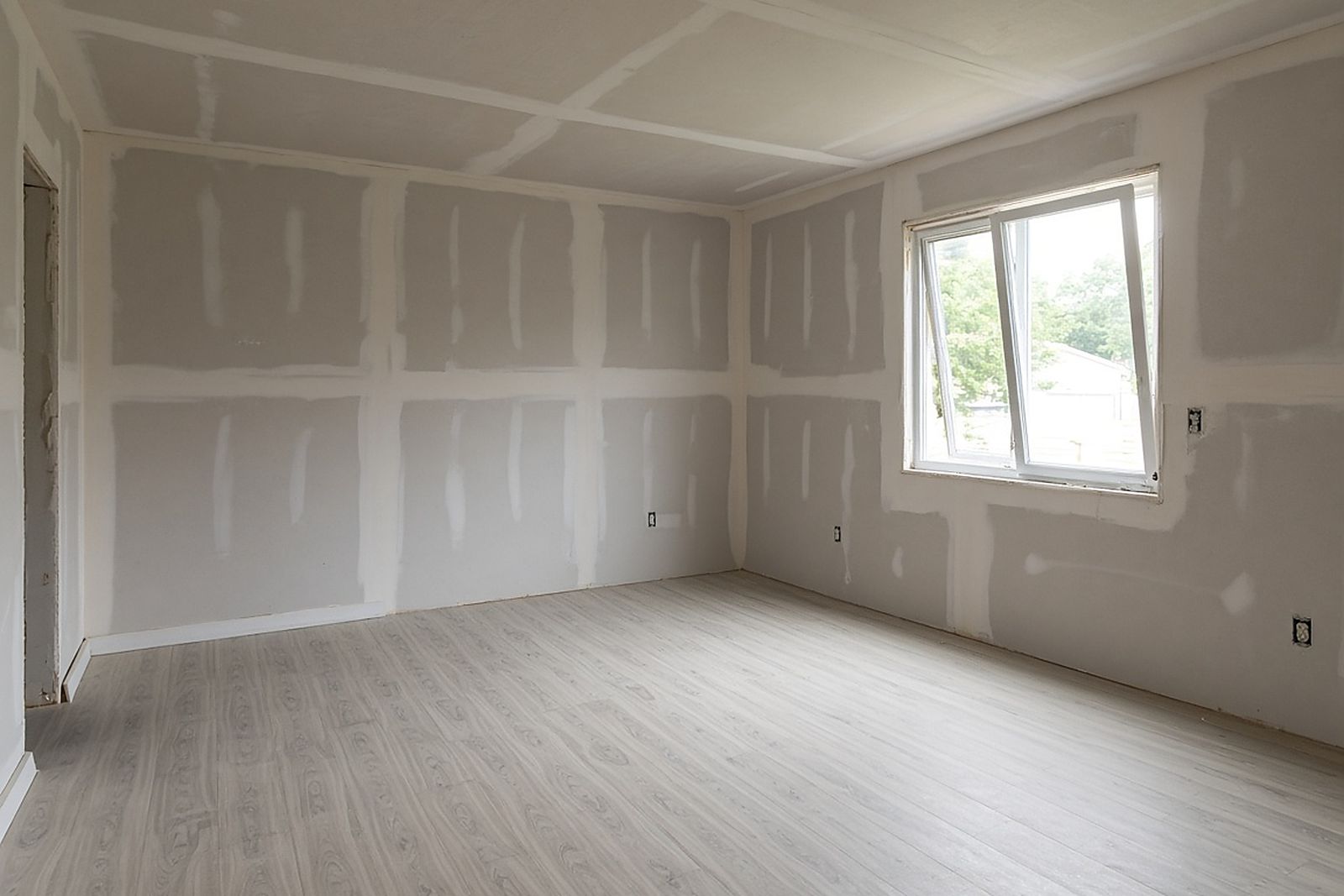
- Rebuilding after removal, including new drywall, paint, flooring and cabinets.
- Replacement of contents that cannot be cleaned, such as mattresses and upholstered furniture.
- Lost rent or temporary housing while the property is unoccupied.
- Fees for filing clearance documents with a local health department, where required.
- Legal advice on disclosure duties if you plan to sell or rent the property.
Cutting cost without risking clearance, and comparing estimates
There are legitimate ways to keep the bill manageable. The most effective is to keep the property closed and unoccupied from the moment you suspect contamination. Every person who walks through, every piece of furniture moved and every hour the HVAC system runs can spread residue into rooms that were previously clean.
A second is to sample thoughtfully. Testing enough rooms to map the problem accurately can shrink the remediation scope, because lightly affected spaces may need only cleaning while heavily affected ones need removal. Skimping on assessment often leads to an estimate that assumes the worst everywhere.
A third is to separate remediation from renovation. Some owners plan to replace flooring or cabinets anyway. Telling the contractor early lets them remove those items as part of remediation instead of cleaning materials that are about to be discarded.
What does not save money is painting over walls, shampooing carpet or running an air purifier and hoping for the best. Those steps can mask odor without lowering residue, and they may make clearance harder to achieve when the property is eventually tested.
Line up estimates by stage and by item. Check that each one targets the same clearance standard, covers the same rooms and HVAC components, and treats porous materials the same way.
Look for clear statements about what happens if clearance fails, what is excluded and how change orders are approved. A contractor who explains their assumptions in writing is easier to hold accountable than one who offers a lower number with vague terms.
Finally, do not let anyone move back in until clearance results arrive, even if the house looks and smells fine. Residue is not something you can judge by eye, and the clearance report is the document that future buyers, tenants and lenders will want to see.