Direct answer
The short answer for Atherton, CA
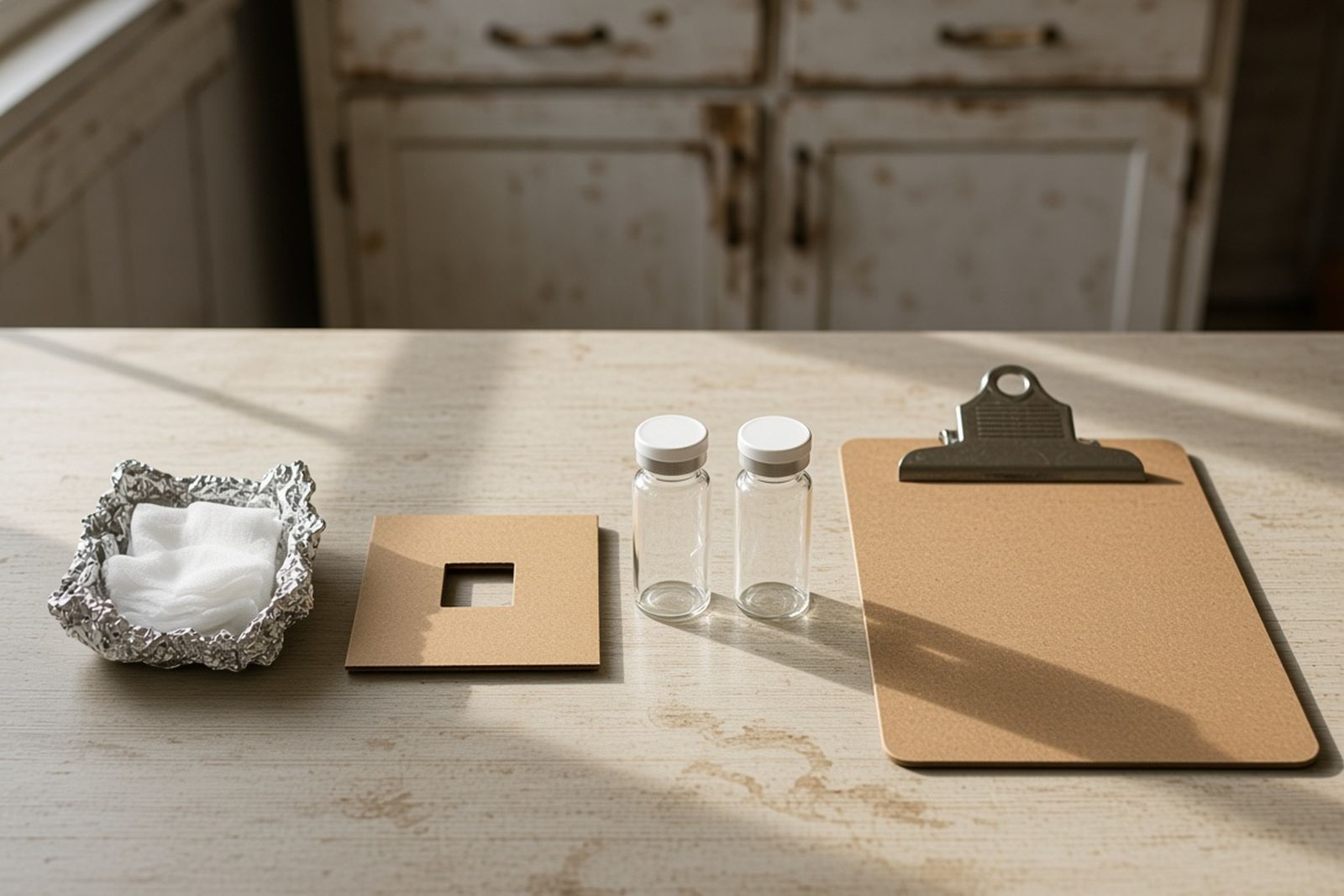
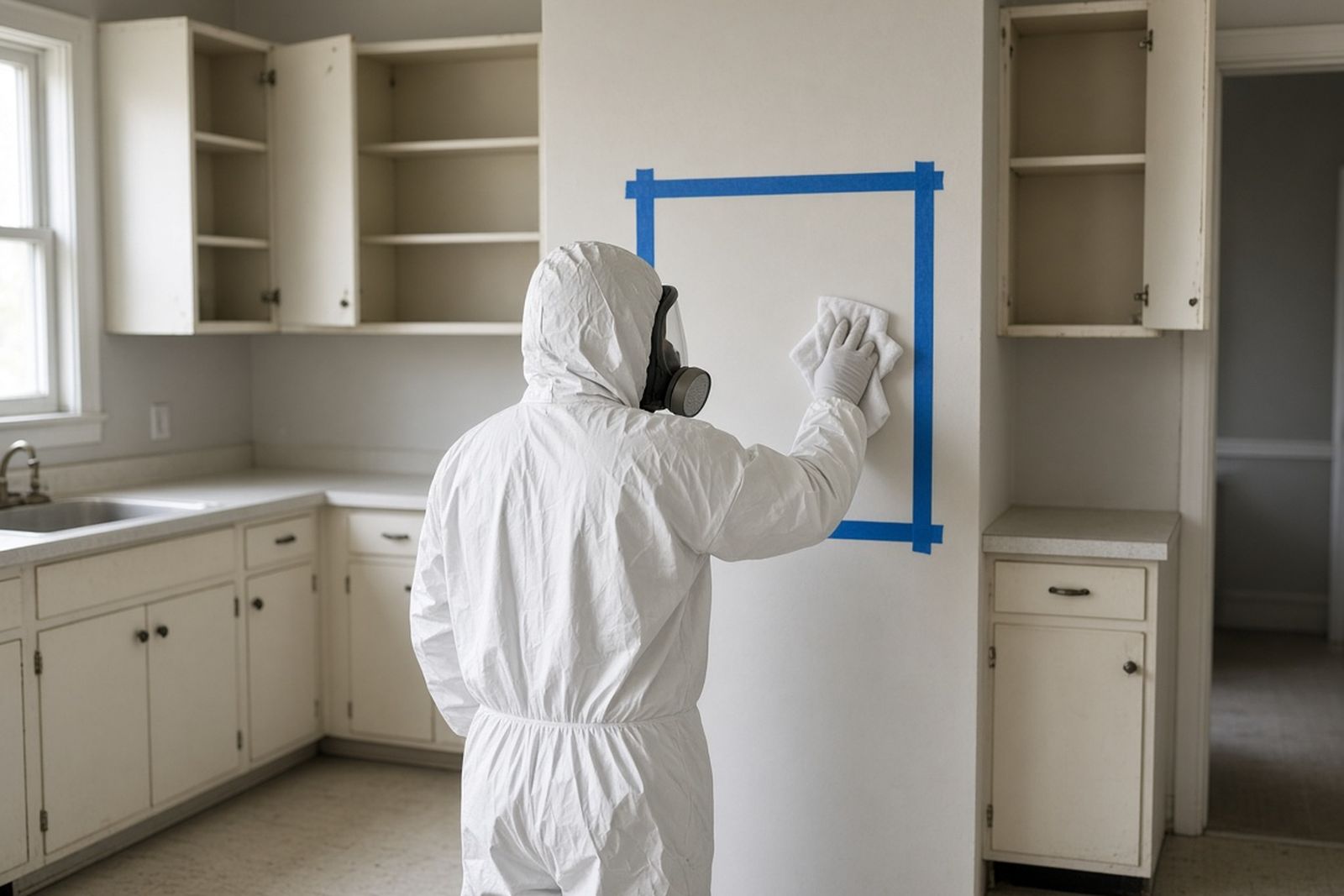
On an Atherton estate, state law in Chapter 6.9.1 of the Health and Safety Code turns meth residue into a question of measured surface levels. That goes for every cottage and the main house too. Large Peninsula lots hold main houses, guest cottages, and detached buildings. Each needs mapped wipe testing and choices about soft items that soak up residue. Lab results must be checked against the state's limits for living there again. A fresh coat of paint before a trust sale or new lease does not replace that.
Editorial guide · Biohazard Remediation NetworkUpdated 2026-07-22Location focus: Atherton, CA
Local planning context
Peninsula estate parcels here often include a main house plus guest cottages, pool houses, detached offices, or living space over the garage. Meth residue questions tend to come up in a few ways. A vacant side building may show signs of use or cooking. Police may have been involved. Or a trustee getting ready to sell may find drug gear and chemical stains. If a cook in a cottage or pool house used lead or mercury, the law's separate lead and mercury limits join the meth limit on the Atherton testing plan. A fentanyl lab on an Atherton estate is judged another way. On these estates, indoor surfaces must test below the lab's detection level, pending a health-based fentanyl standard. That meth figure, 1.5 µg/100 cm², does not stretch to every lab chemical found across an estate's buildings.
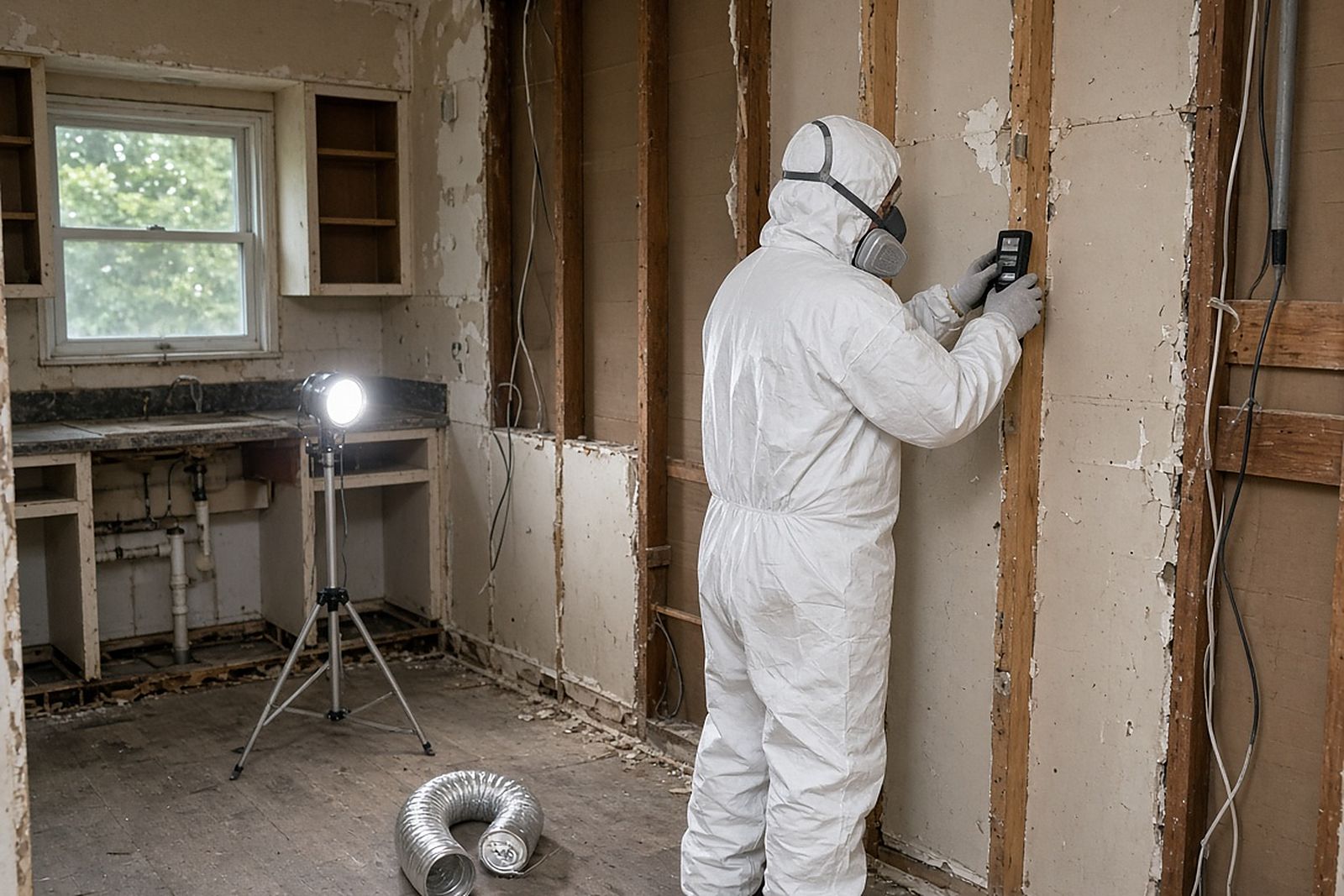
San Mateo County Environmental Health Services is the county's lead agency for hazardous materials programs (the CUPA). It is a practical contact when waste questions overlap a former lab site. The Methamphetamine Contaminated Property Cleanup Act sets the local health officer's steps. These include posting, cleanup orders, and a first site check work plan. They also include approved contractors and a Certified Industrial Hygienist, a trained chemical-safety expert, where the law requires one. Those steps still govern properties under an order. Know the difference between a cooking lab and a use-only site. A cooking lab leaves solvents, raw ingredients, etched glassware, stained plumbing, or very strong acid or base residue. Smoking alone can still coat soft goods, raw wood, and return-air dust inside a shut guest cottage.
High-value Peninsula sales stall when escrow, lenders, or insurers ask for wipe results. They want those results mapped on a floor plan of every lived-in building. The risk of spread goes up when crews carry soft goods from a cottage through the main house without sealed bags. Plan to close off each building on its own. Use HEPA vacuums and filters, and build a file ready for disclosure before any marketing touch-up. Painting a guest suite without lab results checked against HSC 25400.16 is not a story that will hold up when people want to move back in.