Direct answer
The short answer for New York, NY
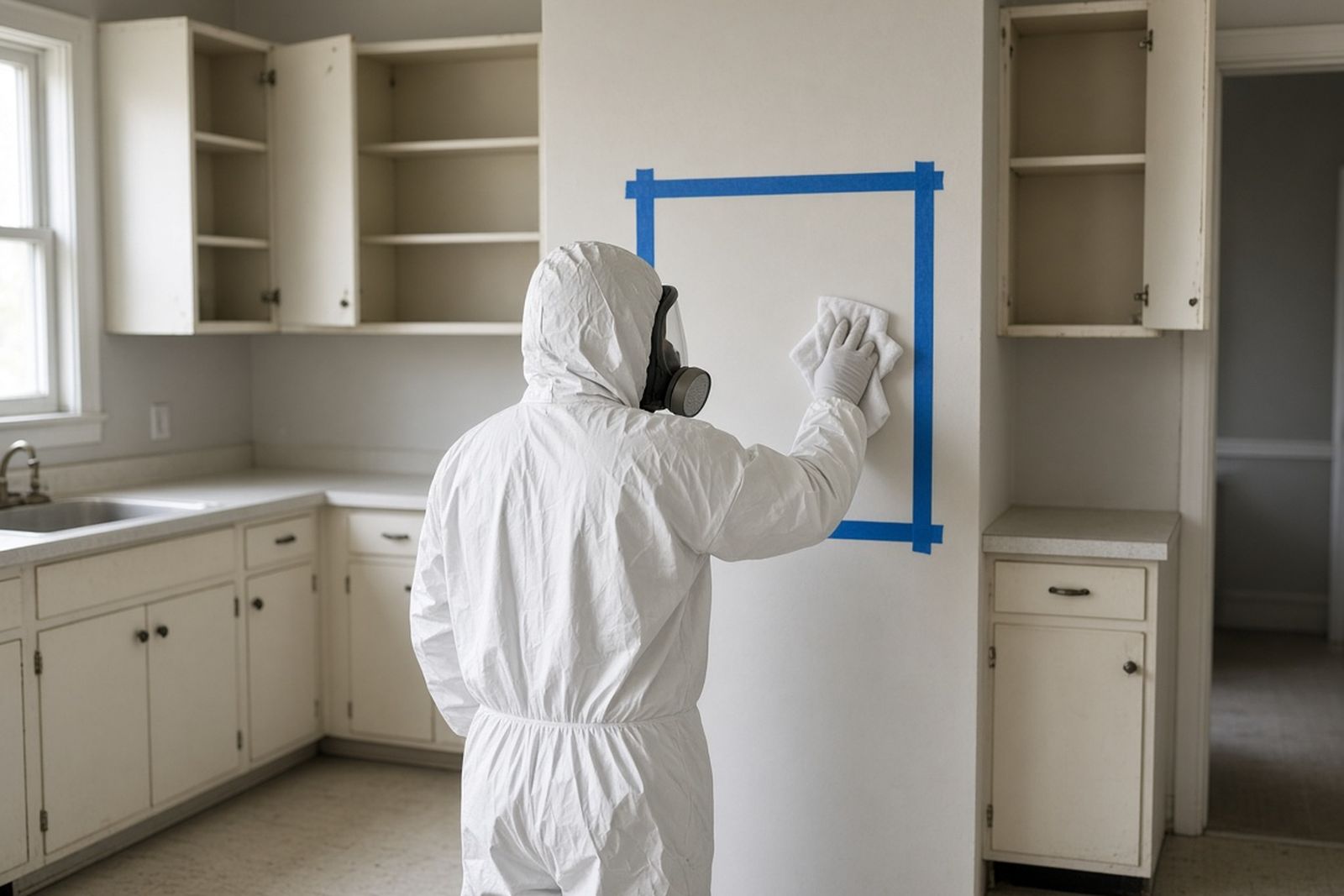
Across New York City, meth residue jobs turn on elevator towers, walk-up stairs, health contacts through 311, and co-op boards. They do not turn on a state cleanup number, because none has been published. Owners should settle on accredited wipe test plans, EPA’s voluntary guidance, and a pass level written down by everyone involved. Do not invent a city microgram rule or count on fresh paint and air freshener.
Editorial guide · Biohazard Remediation NetworkUpdated 2026-07-22Location focus: New York, NY
Local planning context
In all five boroughs, towers, prewar walk-ups, and crowded mid-rises share air loops, stair cores, trash chutes, and freight elevators. Those shared parts drive most residue plans. Questions tend to come up when a co-op transfer stalls, when an estate cleanout turns up smoking debris, or when an empty unit shows signs of cooking. The state has no published move-in number for meth like California Health and Safety Code section 25400.16. So pin down a written pass level for this job alone. Name the lab method, the detection limits, and the rooms on the map. Never quote a made-up city microgram law.
Citywide, environmental health belongs to the NYC Department of Health and Mental Hygiene, and 311 takes many non-emergency calls. Managing agents and building departments set work hours, insurance papers, and renovation permits. These shape when a sealed work area can go up. Once tainted loads roll out of a tower, New York State DEC and federal RCRA waste rules may come into play. Keep cooking cases apart from smoking cases. Solvents and raw chemicals change the waste plan. Smoke residue alone can still soak into soft items and fan-coil dust in a closed-up apartment. Spread gets worse when debris rides passenger elevators or fans stir dust during tear-out.
Deals here run on letters and files. Boards, lenders, and buyers ask for environmental PDFs, even though no state meth number exists. Soft finishes, built-in cabinets, and fan-coil or central returns each need clear keep-or-toss rules. Do not call a unit cleared because it has new paint and no smell. Share what you know about contamination and testing. Never invent a “city clearance certificate.”