Miami, FL

Meth Lab Cleanup in Miami, FL: Hurricane Calendars, Bayfront Stacks, and Project Analytics

What to do, who to contact, and what to ask in Miami.

Meth residue in a Miami condo or duplex? Florida has no easy-to-cite statewide number. See how storm season, your board and lab results shape the job.

Get an email reply about meth lab cleanup

Send a short message to the follow-up inbox. A coordinator can reply by email. This form does not send emergency help; call 911 first if anyone is in danger.

Tell us what you need help with. Share a short description; please leave out medical details, access codes, and other sensitive information.

A request does not confirm a booking. For immediate danger, contact local emergency services.

Or email info@methlabcleanup.online

The short answer for Miami, FL

If your Miami condo, rental or duplex may hold meth residue, keep it closed, tell your association and ask for a written wipe plan before anything is moved. Miami owners have no easy-to-cite Florida statewide number to meet before a unit is lived in again. So your board and buyer will judge the unit by wipe standards written for your project.

What to do, step by step

  1. 1

    Plan the shutter opening and get standards in writing

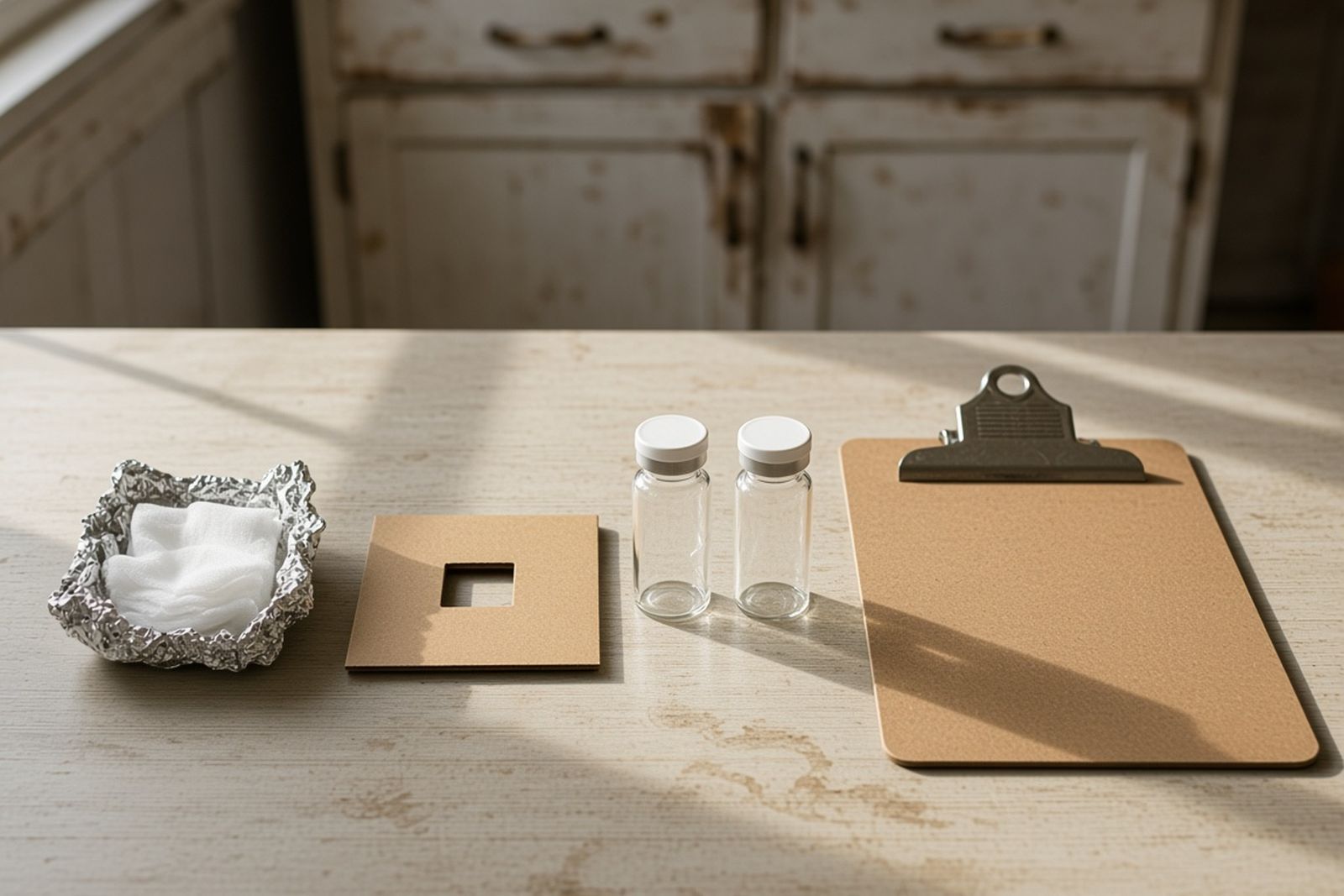
    Work out the shutter opening with your association, following its rules. Once the unit can be entered, have the inside photographed and any clues of cooking versus smoking noted. Then ask for the unit’s wipe plan. It should list each test, how little it can pick up and where on the map it goes. The pass standards should be written for your project, since no Florida statewide number is cited. Sign the plan before any fabric is touched.

  2. 2

    Have the unit sealed and the fabrics sorted

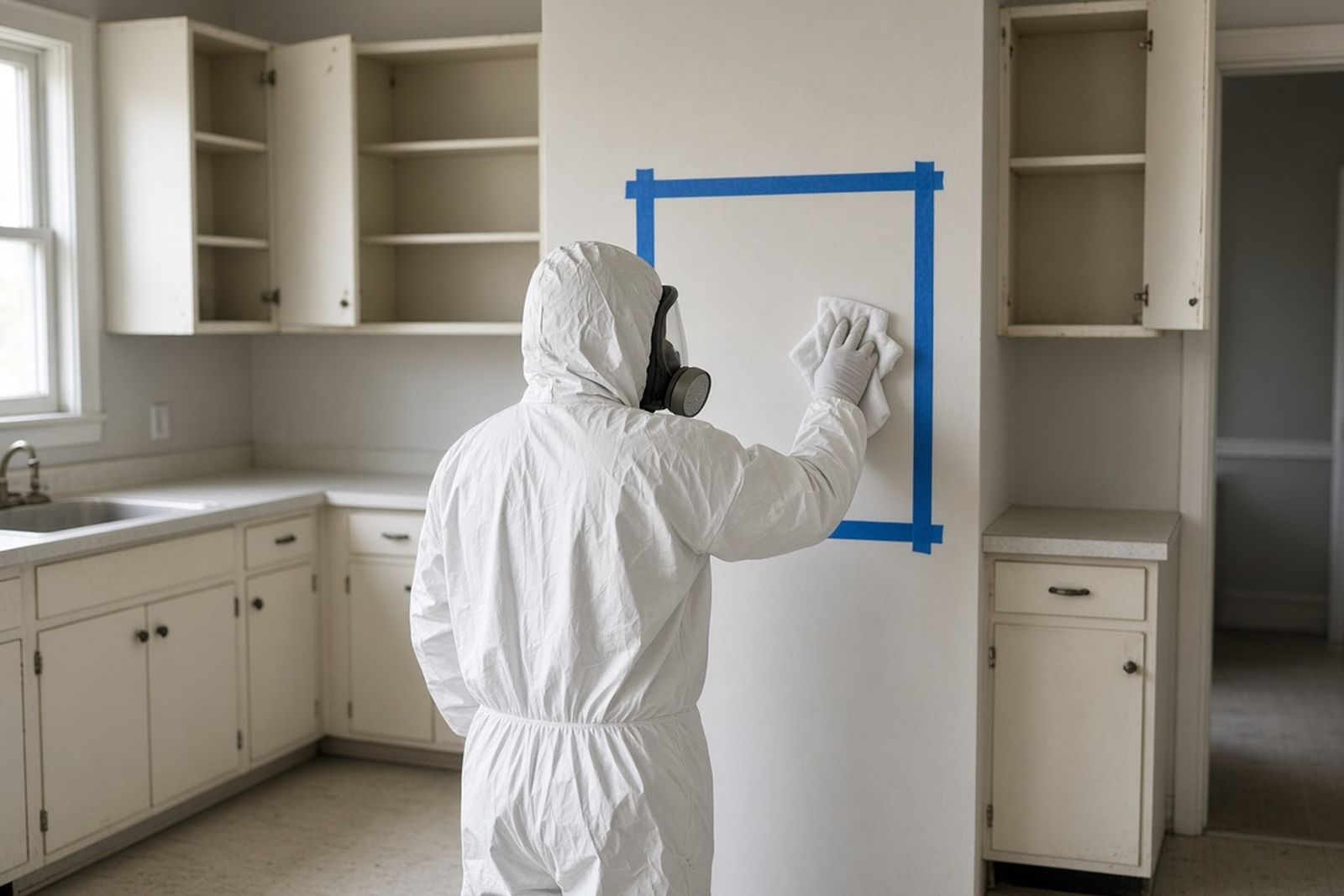
    A good crew seals the unit before it moves anything. Fabrics and other soft items are sorted, and the ones that cannot meet your written standard leave in sealed containers. A broom has no place here, because dry sweeping lifts residue into the stairs or open-air hallways. Chemically tainted waste is sorted before it is hauled. Ask for a list of what was thrown out and what was washed. In a tower, also ask which freight elevator slot the crew has booked for the load-out.

  3. 3

    Ask how coils and hallway openings are handled

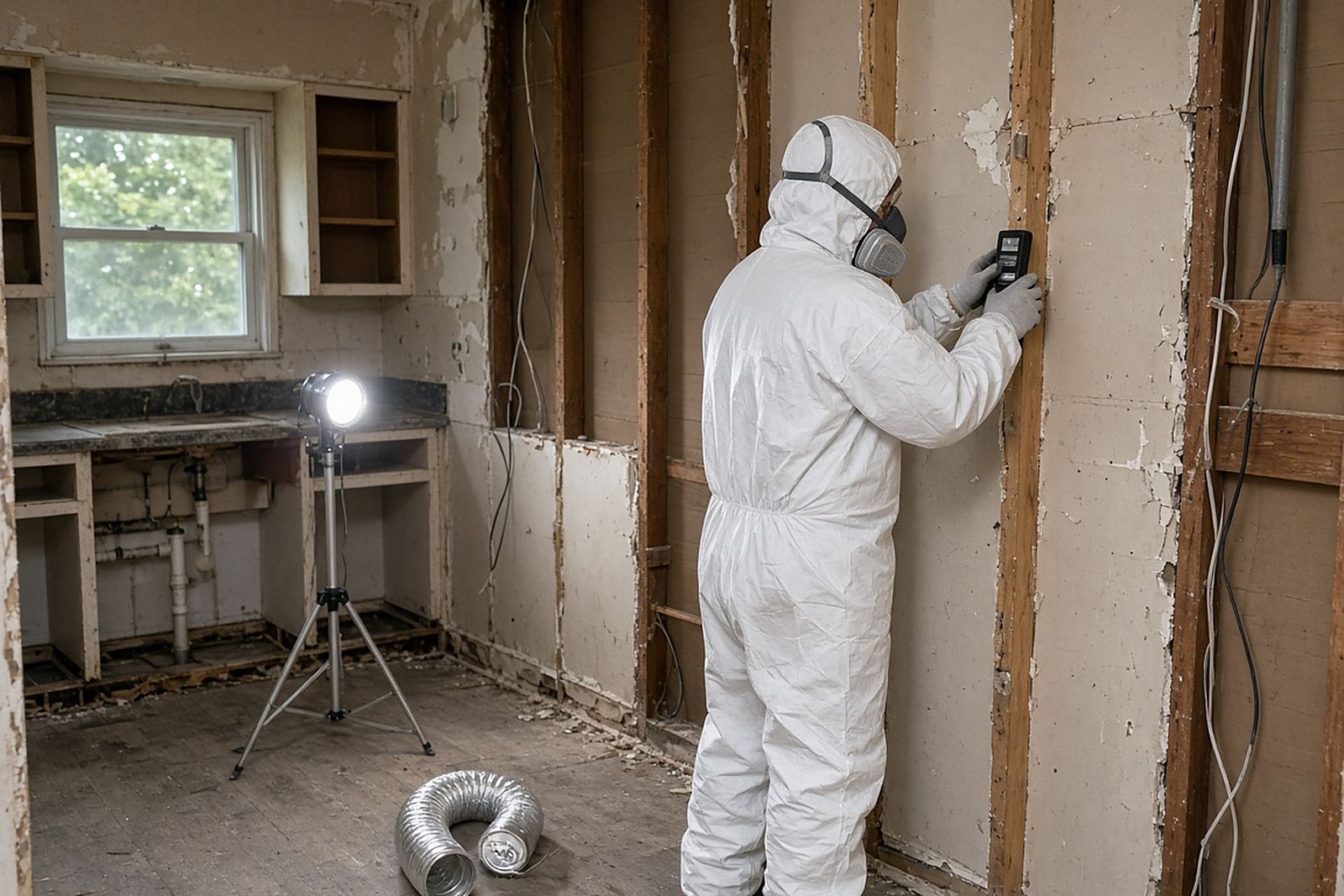
    Your unit’s cooling gear should be shut down before tear-out starts. Expect new filters, plus a check of whatever coils and drip pans the crew can reach. The system stays off until washing and HEPA vacuuming, which traps fine dust, are done. Any open-air hallway or stair openings that link to nearby homes should be covered. In a bayfront unit, worker chemical gear should match any leftover solvents and dust. Heat wears workers down in this climate, so expect the crew to pace the job.

  4. 4

    Collect the lab packet for your board and buyer

    Ask for the mapped wipe results, the custody forms and the notes on your cooling system in one packet. Any spots that failed should be retested, and you should keep both rounds. Ozone machines and paint do not mean the unit is clear, and your board packet should not claim they do. State that the results apply to your unit only. Then ask a Miami real estate lawyer what your contract says you must disclose to a buyer.

What cleanup is like in Miami

Miami’s bayfront towers and inland walk-up buildings often stay shuttered through tropical storm season. Fine dust gets trapped inside while the cooling gear keeps running, which is why your coils and filters matter. You may have learned of the problem when a foreclosed unit was inventoried, when your board got complaints in Spanish or English, or when police released a unit after a raid. However you found out, the first step is the same. Leave the shutters and doors closed until a written plan exists, so foot traffic does not carry residue into the hallway your neighbors use.

Several offices can help you. If you worry about who was exposed, Florida Department of Health environmental staff can weigh in. Miami-Dade County offices are useful early contacts once residue is found, and FDEP is the state contact for how waste is sorted. For the hazards of a cook site, see the DEA’s drug lab guides. Two local things will shape your schedule more than anything else. Freight elevator times are set by the storm calendar, and resident notices go out in two languages. Ask your association about both before you agree to a start date.

Sales in Miami stall when all you have is paint receipts, so plan for a lab file from the start. How debris leaves depends on your building. Brickell and Downtown towers book freight elevators by the hour, and you may wait for a slot. Walk-ups in Little Havana and Allapattah depend on their stairwells, which your neighbors also use. Ask the company to write the staging plan for your type of building before the shutters open. That plan should say when bags move, by which route, and how the route is covered.

What to expect for your type of home

  • Shuttered tower units: Ask that the shutter opening be timed to match your association’s freight elevator hours. Fabrics should not leave the unit until both are lined up and the route is covered.
  • Bayfront condos: Ask for wipe standards set in writing for your project. Tower owners have no current Florida statewide meth figure they can easily quote for moving back in.
  • Apartments with balconies: Ask that the kitchen, baths, bedrooms, balcony sliding doors and cooling returns all go on the sample map. Salt air and humidity make the cooling returns worth a close look.
  • Association-run buildings: Expect your board to ask, in Spanish or English, for mapped lab PDFs before it approves moving back in. Ask early which format and language it wants them in.

Papers and records to keep

  • Notes on hurricane shutters and your association’s freight elevator hours
  • Your unit’s wipe testing plan, with the project’s pass standards spelled out
  • Reports from an accredited lab and custody forms for your bayfront unit
  • Notes on the cooling filters, coil access and when the system was shut off
  • Letters about your unit from Miami-Dade, FDEP or DOH, where any exist

Local offices and official help

Common questions in Miami

Is there a Florida meth wipe limit for my bayfront condo?

No Florida law is treated here as a current statewide meth number for moving back in. Florida has nothing like California’s HSC section 25400.16, so Miami towers have no state figure to cite. The EPA’s voluntary guide talks through how cleanup is done, but it does not set a federal value here. Your written project standards take that place. If a written order for your Miami unit arrives from an agency, it outranks general advice.
My unit sat shuttered for months. Does that change the cleanup?

Yes. When a unit sits shuttered for a long time, residue stays trapped in fabrics. All the while, the AC keeps moving dust over filters and drip pans. If shutters open before the unit is sealed off, foot traffic spreads residue before the wipe plan is set. Match freight elevator times to your association’s rules, and move fabrics only in sealed containers. Wipe tests after the coils are cleaned finish the job. A fading odor does not mean the unit is clear.

How do board notices and freight elevator times fit together?

They set your window. Associations often send notices in Spanish and English before freight elevators reopen after storm watches. Sealed fabric removal should happen inside those posted times, so lobby finishes stay safe. Ask for photos of hallway pads and chute covers for the board packet. If the crew skips the posted times, you risk complaints from other floors. Walk-ups work differently, relying on stairwells and staging at the curb.

What will my board need before it lets anyone move back in?

A lab packet, not a paint receipt. It should state that the results apply to your bayfront unit only, since no current Florida statewide meth law is cited. The packet should not claim ozone or a fragrance cleared the condo. Keep failed rounds and retests, so your board sees every step. In Miami, lender questions about environmental issues stall closings when the packet is thin. Ask a Miami real estate lawyer what your contract says you must disclose.

Can residue reach my neighbors through the open-air hallway?

Yes. Open-air hallways, stairwells, trash rooms and bare waste routes can carry fine dust into homes where no one smoked or cooked. In a bayfront tower, barriers, tied-off bags and separate clean and dirty zones are what contain the chemical. They are not just a formality. Ask for wipes near air handlers and supply vents. If residue looks likely to have spread, the units next door along the hallway may need a check too.

I ran the unit as a short-term rental. What should I do now?

Block new bookings and tell building management as soon as warning signs show up. Short-term rentals in Miami high-rises have guests coming and going, so residue may go unnoticed until a cleaner or neighbor reports it. Soft furnishings in rental units are usually thrown out. Check whether your association allows short-term rentals at all, since some limit them. Reopen only after wipe tests done after cleanup meet your written pass level.

I own an older duplex in Allapattah. How is that different from a tower?

The building itself is different. Older Miami neighborhoods have many duplexes and small apartment buildings with jalousie windows, terrazzo floors and window air conditioners. Terrazzo cleans well. Jalousie tracks and wall units trap dust and need care. If units share a wall or yard, think about early tests next door. Talk with your tenants in the languages they speak, and keep notices simple and respectful. Plan waste removal around street parking and afternoon storms.

Wipe-sampling supplies on a counter: gauze in foil, a sampling template, vials and a clipboard
Technician in a respirator checking exposed studs in a gutted kitchen with a work light and duct

Facts worth knowing

  • A study of 63 people in 25 Australian homes contaminated by meth making or use found sleep, behavior, breathing, skin and eye problems and headaches.

    Why it matters: If you have these symptoms in a home with a drug history, ask about testing; homes where meth was only used caused problems too.

    Source: Toxics (Wright et al.), 2020

  • EPA's voluntary cleanup guidelines for meth and fentanyl labs were first issued in 2009, revised in 2013 and updated in August 2021 to add fentanyl.

    Why it matters: Ask whether your cleanup company follows the current EPA guidelines, keeping in mind they are voluntary and set no national cleanup limit.

    Source: US EPA, 2021

  • Minnesota sellers who know meth was made on a property must tell buyers in writing before a sale, and buyers may sue for cleanup costs within six years.

    Why it matters: If you bought a Minnesota home with a hidden meth history, you may be able to recover cleanup costs, so ask a lawyer soon.

    Source: Minnesota Legislature, Office of the Revisor of Statutes, 2024

Tools that help right now

What would you do?

Poll results

Vote to see how other people answered. You can change your answer at any time.

Your experience

If a house you wanted had a documented lab cleanup that passed clearance, what would you most likely do?

Be the first to vote
Industry

Which factor would you weigh most when choosing a meth cleanup contractor?

Be the first to vote

Need help in Miami?

Send a short message about the property to the follow-up inbox. A coordinator can reply by email with next steps.

Your request is sent to the follow-up inbox. A coordinator can reply by email.

If anyone is hurt or in danger, call 911 first.