South · US

Meth Lab Cleanup in Arlington, VA: Condo Corridors, VDH 1.5 Guidance, and Sale Disclosure

Planning meth lab cleanup in Arlington, VA

Plan meth lab cleanup in Arlington, VA high-rises and garden apartments. Learn the Virginia VDH surface target and why you test beyond the cook room. This is planning guidance, not a claim of a local office or crew in Arlington.

Get an email reply about meth lab cleanup

Send a short message to the follow-up inbox. A coordinator can reply by email. This form does not send emergency help; call 911 first if anyone is in danger.

Tell us what you need help with. Share a short description; please leave out medical details, access codes, and other sensitive information.

A request does not confirm a booking. For immediate danger, contact local emergency services.

Or email info@prompartybuses.com

Direct answer

The short answer for Arlington, VA

This guide covers meth residue in Arlington County, in Rosslyn–Ballston–Crystal City high-rises and in garden apartments. The Virginia Department of Health (VDH) has cleanup guidelines for former meth lab sites. They set a surface target of 1.5 µg/100 cm². Code of Virginia § 55.1-708 covers disclosure when a known meth lab was never cleaned up. Condo board packets, elevator planning, and lab tests, not smell, should drive move-in and sale choices.

Editorial guide · Biohazard Remediation NetworkUpdated 2026-07-22Location focus: Arlington, VA

Local planning context

Arlington County is a busy Virginia suburb right next to Washington, DC. Most homes are corridor high-rises, condos, garden apartments, and townhomes. Many people who live here work for federal agencies or contractors. Meth residue questions often come up after a unit near Metro sits empty, after a condo board orders an inspection, or during a sale. Code of Virginia § 32.1-11.7 tells the Board of Health to set guidelines for cleanup. Those guidelines also certify that meth levels are at or below the target after cleanup. VDH's Guidelines for Cleanup and Certification of Buildings Formerly Used to Manufacture Methamphetamine were updated August 6, 2025. They set a health-based limit for meth left on surfaces. That limit is 1.5 micrograms per 100 square centimeters (µg/100 cm²). These are official state guidelines. They say plainly that they are not law on their own. But the duty to disclose a meth lab that was never cleaned up does come from state law.

Code of Virginia § 55.1-708 covers sellers. Say an owner truly knows a home was once used to make meth. Say it was not cleaned up under the § 32.1-11.7 guidelines and the contractor license rules the law names. Then the owner must tell a buyer in writing, on the Real Estate Board form. Arlington condo and rental owners should treat meth history and cleanup status as key facts for any association resale package. Keep making meth separate from using it. The VDH guidelines focus on buildings where meth was made. Heavy use can still leave residue. That residue may call for testing. It may also call for work on soft materials that soak up residue, like carpet, and on the heating and cooling system, even if no one proved meth was made there. Elevator lobbies, trash rooms, and building shafts raise the risk of spreading dust when debris moves uncovered.

In the DC area, buyers, lenders, and condo boards often expect health and safety papers before closing. For an Arlington tower unit certified under the guidelines, your final wipe results should line up with the 1.5 µg/100 cm² VDH figure. Write down what soft materials you removed, any fan-coil or filter work, and how waste was handled. Do not call a unit “cleared” just because it was painted. And do not call the guideline number a criminal law. It is Board guidance used in certification wording.
Property considerations

In Arlington condos and garden apartments, 1.5 µg/100 cm² is the finish goal once you follow Virginia’s meth lab cleanup guidelines. Keep in mind the guidelines are not law.

Test baths, bedrooms, kitchens, and fan-coil or heating and cooling returns across Arlington corridor apartments, not just the room where cooking is suspected.

Plan to remove carpet, pad, and soft cabinets when test results or VDH’s keep-or-toss guides say to throw them out.

Stage sealed containers along elevator and loading dock routes so dust from lobbies and shafts does not settle back into clean units.

Keep proof of meth making apart from signs of use only. The wording of § 55.1-708 is about making meth, but residue can be a risk either way.

When a unit sale is pending, build a condo board or sale disclosure packet with lab maps that follow VDH guidance.

Response-planning framework

Meth history, board notice, and the guideline path

Gather police notes, photos, and any signs that meth was made there, not just used. Read VDH’s August 2025 guidelines for the order of work, keep-or-toss guides, and testing tables. Write a plan that aims for meth levels on surfaces at or below 1.5 µg/100 cm² after cleanup. Use an accredited lab for the tests. Some cook methods leave extra chemicals behind, so list those in the plan as well. If you plan a condo resale or listing, review § 55.1-708 disclosure rules early with a lawyer. Flag the deadlines for the association packet too.

High-rise sealing, washing, and removing soft materials

Seal off the unit and protect hallway finishes. Remove soft materials that hold residue, using the guideline decision aids. Wash the rest of the surfaces with detergent. Follow up with a HEPA vacuum, since it catches the tiniest dust. Do not dry sweep. List all contents. Find out what kind of waste you have before it leaves Arlington County properties. Stains from meth making may mean more tear-out. Even if meth was only smoked in the unit, wipe results that show residue call for honest calls on what stays and what goes.

Keeping dust out of fan-coils, shafts, and elevators

Find out if the unit uses a fan-coil, a through-wall unit, or an air system tied to the building. Seal doors to hallways. Move debris through elevators only in sealed containers. Open shafts and trash rooms can spread dust if they connect to the work area. Worker chemical safety plans should match the hazards left behind. In towers, many failed final rounds against 1.5 µg/100 cm² trace back to hallway dust drifting in after the washing was done.

Final testing, association files, and § 55.1-708

Finish the after-cleanup tests using VDH guidance, and compare results to the 1.5 µg/100 cm² target. For buildings used to make meth, follow the guidelines’ way of writing up certification. Keep lab reports, checklists, and waste records for condo boards and buyers. Decide whether § 55.1-708 disclosure still applies. It may not, if cleanup under the guidelines is done and on paper. Do not use smell as proof. And remember the guidelines themselves are not law.

Documentation checklist

  1. 1Log and photos of signs of meth making vs. use only
  2. 2Cleanup checklist and work notes based on VDH guidelines
  3. 3Floor plan of wipe sample spots in the corridor unit
  4. 4Accredited lab reports compared to the 1.5 µg/100 cm² meth target
  5. 5Signed certification set for the unit, per VDH guidelines
  6. 6List of removed soft materials, plus waste records
  7. 7Notes on fan-coils, filters, and elevator staging
  8. 8Virginia meth disclosure form records when § 55.1-708 applies

Official resources

Questions for this location

What meth target does Virginia set after cleanup for Arlington County units?

VDH’s cleanup and certification guidelines for buildings once used to make meth are dated August 6, 2025. They give a health-based limit for meth left on surfaces in buildings. That limit is 1.5 micrograms per 100 square centimeters (µg/100 cm²). Code of Virginia § 32.1-11.7 calls for guidelines that certify levels are at or below the target after cleanup. VDH calls them guidance, meaning they do not carry legal force by themselves. Still, they are the Board’s official cleanup and certification benchmark. For an Arlington meth lab cleanup that follows VDH guidance, 1.5 µg/100 cm² is the number to cite, backed by accredited wipe tests. Do not swap in a smell test or paint receipts. Keep mapped lab results with any certification forms in the condo or rental file.

When must an Arlington seller disclose that meth was once made in a home?

Code of Virginia § 55.1-708 applies to an owner of a home or unit who truly knows two things. First, the property was once used to make meth. Second, it was not cleaned up under the § 32.1-11.7 guidelines and the license rules the law names. Such a seller must hand the buyer a written notice, using the form from the Real Estate Board. If cleanup and certification under the guidelines are done, the disclosure question changes. Confirm where you stand with a lawyer, and keep the VDH-based certification file. This page is a guide, not legal advice. Arlington condo associations often ask for the lab results even when the forms are complete. What you truly know about the meth history matters, and guesses do not replace records. Put police and cleanup papers in order before you list.

Do Arlington cases where meth was only smoked follow the same certification path?

VDH’s guidelines and § 32.1-11.7 are written for buildings once used to make meth. Smoking alone can still coat surfaces, soft goods, and dust in the heating, cooling, or fan-coil system. But the disclosure trigger in § 55.1-708 is about past meth making and cleanup status under the guidelines. Arlington owners with use-only residue should still test, make careful choices about soft materials, and control the air system to protect the people living there. Do not claim meth lab certification if meth was never made there. Write down the difference clearly. If signs of meth making show up, switch to the VDH cleanup and certification path for meth labs. In either case, a home can be unsafe for children until lab tests show the residue has been dealt with.

How should Arlington high-rise jobs control elevators and shafts during cleanup?

Find out if the unit’s air system stands alone or ties into equipment for the whole floor. Turn off fans during tear-out, replace filters, and check the returns or fan-coil cabinets. Seal hallway doors. Move debris through elevators and loading docks only in sealed containers. Shafts and trash rooms can spread dust if they stay open to the work area. Include surfaces near the air system or fan-coil in final testing. Nearby units may need a check if dust could have moved there. Worker chemical safety matters. Photos of lobby protection help boards and buyers see the controls. Do not run building air to “air out” a unit while soft materials that hold residue are still inside.

What papers complete an Arlington meth lab cleanup file?

Start with the checklist the crew worked from, their notes, a list of what was torn out, and the waste records. Add fan-coil or heating and cooling notes and the chain-of-custody forms that track each sample. The heart of the file is the accredited lab sheets showing 1.5 µg/100 cm² or less, plus the certification paperwork VDH lays out. Add any police release notes and photos. For a sale, keep § 55.1-708 form records if disclosure was required. Or keep the certification package that shows the cleanup met the guidelines, if that is your case. Maps of sample spots are key for condo packets. Do not rely on ozone or fragrance invoices. A thin file can leave Arlington sellers with delayed contracts and unclear disclosure. Sort the PDFs so a buyer’s inspector can check results against the target without digging.

What should Arlington renters in garden apartments know about residue from the unit next door?

Arlington’s older garden-style complexes often share attics, basement laundry rooms, and stairwells between units. If a neighbor smoked or cooked meth in their apartment, dust can travel through those shared spaces. Ask management whether nearby units were tested, and ask for the results in writing. If your unit was not tested and you are worried, especially with young children, ask whether testing can be done first. Arlington County’s public health office can answer general health questions as a neutral contact.

How does fast turnover near Metro affect Arlington cleanup schedules?

Units along the Rosslyn-Ballston and Crystal City corridors turn over fast, and owners feel pushed to relist quickly. Rushing usually backfires. Painting before testing can hide residue. A failed wipe test after new tenants move in is far more disruptive than a short delay. Leave time for lab results and at least one possible retest. Book elevators and loading docks early, since high-rise managers often need advance notice. A complete file also makes the next lease-up go more smoothly.

Contact

Get help by email

Send a short message for an email reply about meth lab cleanup planning questions for the Washington DC area.

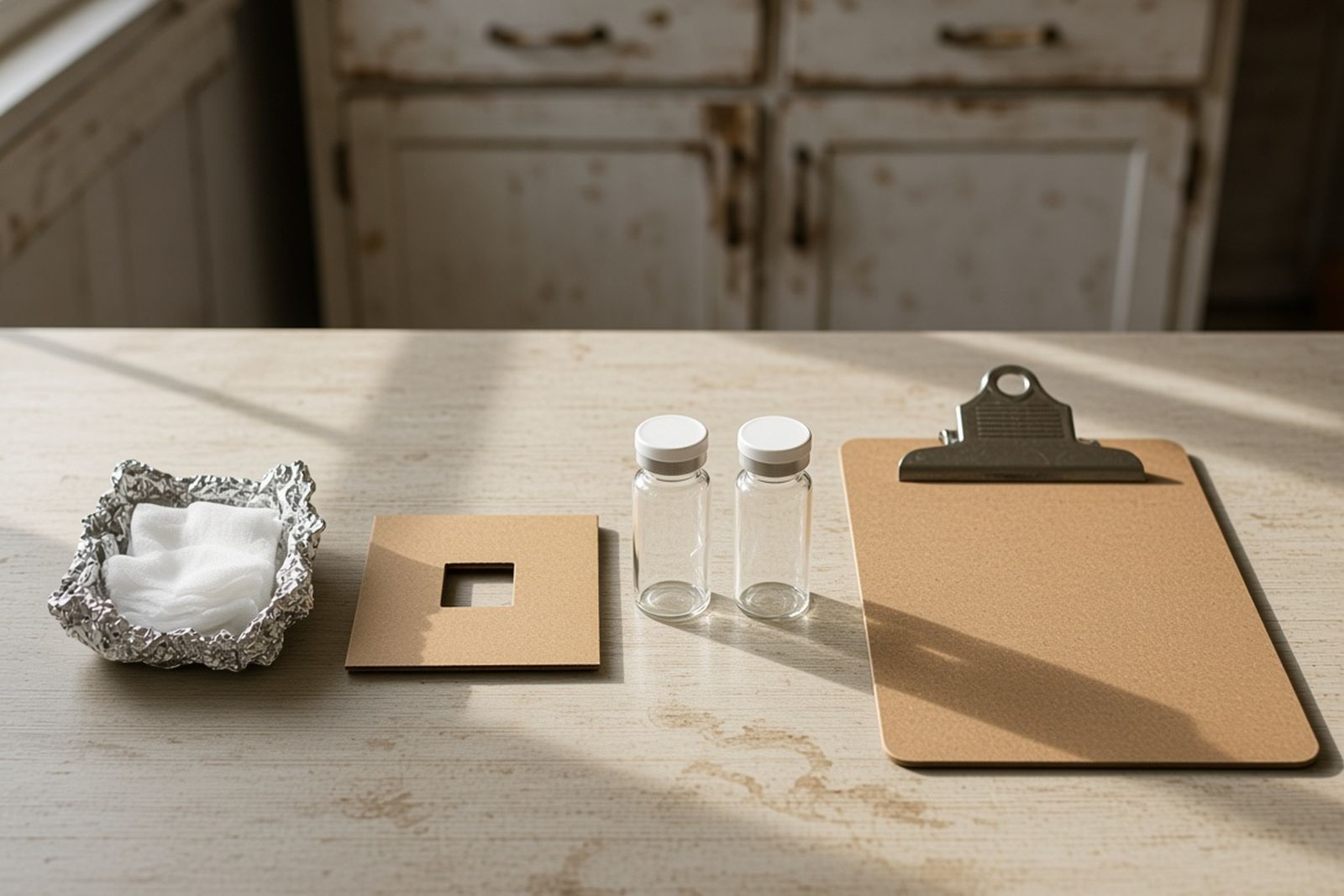
Wipe-sampling supplies on a counter: gauze in foil, a sampling template, vials and a clipboard
Illustrative photo, not a job record. Wipe-sampling supplies on a counter: gauze in foil, a sampling template, vials and a clipboard.
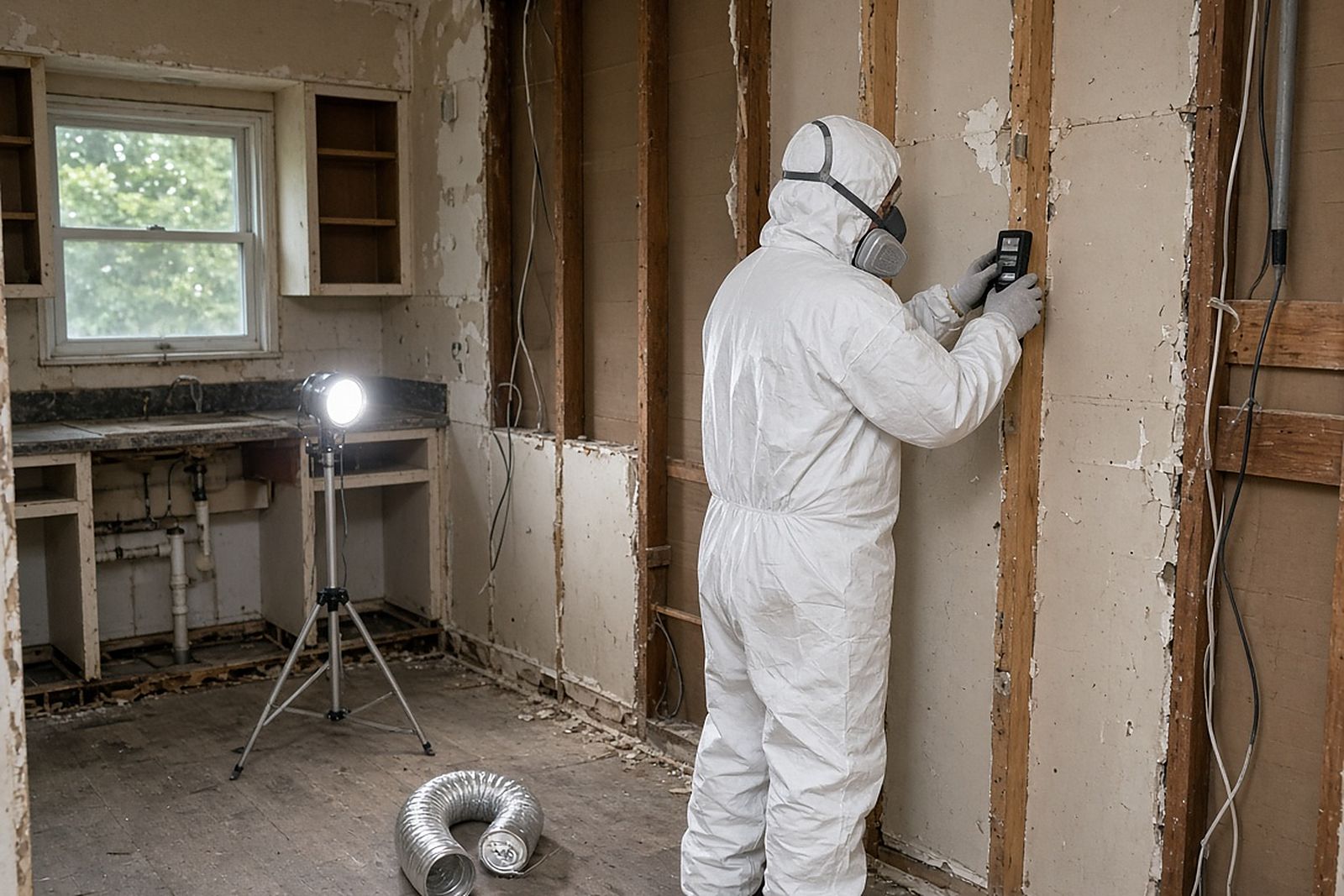
Technician in a respirator checking exposed studs in a gutted kitchen with a work light and duct
Illustrative photo, not a job record. Technician in a respirator checking exposed studs in a gutted kitchen with a work light and duct.

Meth Lab Cleanup figures to keep in mind

National and research figures, not Arlington data. Local conditions, rules and providers vary; use these for scale and context only.

15%

The US Office for Victims of Crime reports that approximately 15 percent of meth labs are discovered as a result of a fire or explosion.

Read with care: Dated figure from the peak lab era; today's one-pot labs have different fire dynamics.

Source: Office for Victims of Crime, US Department of Justice (2003)United States, early 2000s lab era

30 states

Thirty states have drug-lab cleanup statutes: 11 written narrowly for meth labs and 19 covering 'clandestine laboratories' or controlled-substance manufacturing sites generally.

Read with care: Having a statute does not guarantee a numeric cleanup standard or enforcement funding.

Source: Legislative Analysis and Public Policy Association (2025)US state statutes as of April 2025

1,325 incidents; 162 injured

Five states reported 1,325 meth-related chemical incidents from 2001–2012; 87 of them injured 162 people, including at least 26 children.

Read with care: Only five states participated in the surveillance system, so national totals are far higher.

Source: CDC MMWR (2015)Louisiana, Oregon, Utah, New York and Wisconsin, 2001–2012

These figures are public research and agency data, not this network's own job records. Keep each number with its population, year and limits; none of them predicts cost, timing or outcome at a specific property.

Plan before you reach out

Use the first 24 hours planner for immediate steps and the provider vetting checklist to confirm any Arlington provider's training, insurance and waste path in writing.

What research has found

Findings from published studies of people and properties in situations like this one. They describe what researchers observed in a specific group; they are not predictions for your case.

Methamphetamine was detected in every reported air sample.
Who was studied: Air sampling and contaminated-material experiments involving two properties.Limits: Limited properties and experimental conditions; modelled exposure is not observed illness.Current practices underestimate environmental exposures to methamphetamine: inhalation e… (2021)
Surface wiping did not measure all contamination within porous materials.
Who was studied: One Australian home with suspected former manufacture, sampled more than five years later.Limits: One property; no general prevalence or current clearance threshold inferred.Contamination of Homes with Methamphetamine: Is Wipe Sampling Adequate to Determine Risk? (2019)

Meth Lab Cleanup community polls

Poll results

Every count is a real visitor vote; nothing is seeded or padded. One vote per poll per device, and you can change your answer.

Your experience

If a house you wanted had a documented lab cleanup that passed clearance, what would you most likely do?

No visitor votes yet
Industry

Which factor would you weigh most when choosing a meth cleanup contractor?

No visitor votes yet

Planning cleanup in Arlington?

Send a short message about the property to the follow-up inbox. A coordinator can reply by email with next steps.

Your request is sent to the follow-up inbox. A coordinator can reply by email.

If anyone is hurt or in danger, call 911 first.