Bethesda, MD

Meth Lab Cleanup in Bethesda, MD: Biomedical Corridor Rentals and Montgomery Files

What to do, who to contact, and what to ask in Bethesda.

Meth residue in a Bethesda condo or rental? Maryland has no statewide meth cleanup number. See what your managing agent, buyer and lab file need.

Get an email reply about meth lab cleanup

Send a short message to the follow-up inbox. A coordinator can reply by email. This form does not send emergency help; call 911 first if anyone is in danger.

Tell us what you need help with. Share a short description; please leave out medical details, access codes, and other sensitive information.

A request does not confirm a booking. For immediate danger, contact local emergency services.

Or email info@methlabcleanup.online

The short answer for Bethesda, MD

If your Bethesda condo, garden apartment or rental may have meth residue, tell your managing agent as your lease or bylaws require and ask for wipe tests. No Maryland law sets a statewide meth number. So your file depends on a written pass mark for your own job, an accredited lab and honest notes.

What to do, step by step

  1. 1

    Tell your managing agent and set a pass mark

    Tell the association or managing agent as your lease or bylaws require. Once any hazmat team has removed bulk chemicals, have the unit photographed. Then ask for a wipe plan. It should spell out how samples are taken, how low the lab can measure and where each test spot sits on the map. EPA’s voluntary guidance helps decide what comes first. The plan should state that Maryland has no statewide meth cleanup number. If your lender or buyer contract demands a tougher standard, attach that clause too.

  2. 2

    Expect doors sealed, walkways covered and soft materials out

    A good crew seals the hallway or garden-court doors, protects the shared walkways and moves debris only in sealed containers. Soft, absorbent materials are torn out if they cannot reach your written pass mark. Hard surfaces in the unit are scrubbed with detergent while a HEPA vacuum, which traps fine dust, runs alongside. Nobody should dry sweep, since that pushes dust into the shared laundry room. Ask which items the crew expects to remove before it begins.

  3. 3

    Have the return grilles and laundry room protected

    Ask that cooling equipment be turned off during tear-out. Filters should be replaced, and the returns within reach should be checked. Laundry room openings that link units together need to be capped. Tools are cleaned before they cross into the garden-court hallway. In a garden apartment, the crew’s chemical safety plan needs to address leftover solvents and fine dust. Shared laundry paths left open during washing are a top reason later wipe tests fail the written bar for the job.

  4. 4

    Put together your resale or landlord package

    Collect the chain-of-custody forms, mapped lab PDFs, waste records, filter notes and walkway protection photos. Add a short memo on meth making versus use. Any failures should be retested, and both rounds kept. Store the package with your unit’s permanent records. Ozone invoices do not prove a unit is clear, so do not count on them. Your contract may carry disclosure duties. A Maryland lawyer can tell you what you have to share and when.

What cleanup is like in Bethesda

The Woodmont and Old Georgetown corridors are home to many biomedical and federal renters. They live in mid-rise condo buildings and garden courts, where managing agents keep tight move-out calendars. You may be facing this because a unit was found empty after a contract ended, an inspection found smoking debris, or a buyer asked for wipe tests partway through a sale. EPA’s voluntary guidelines are useful for the steps and their order. Still, nothing in them makes a binding federal limit for your rental. Agree on a pass mark for your job with an industrial hygienist, who is a workplace safety expert. An accredited lab should read the samples.

When chemical-soaked items leave a Bethesda building, Maryland Department of the Environment hazardous waste rules set the frame. Environmental health staff at the Montgomery County Department of Health and Human Services are good first calls after you find a problem, and DEA guides explain the hazards of meth making. Cooking chemicals mean more tear-out and more waste for you to pay for. Smoking alone still soaks into carpet, particleboard cabinets and the dust on return grilles inside a closed-up unit. In a garden court, shared walkways and laundry rooms turn an uncovered debris run into a problem for your neighbors.

Condo resale packages in Bethesda are heavy on paperwork, even without a state microgram law. Painting your unit over does not settle whether residue is still there. Keep notes on meth making versus use, your mapped wipe results and photos of walkway protection. That way your managing agent and your buyer can check the choices you made. The humid inland climate also means cooling equipment runs most of the year. So ask early how the air system will be shut off, cleaned and restarted, and how long your unit will be without it.

What to expect for your type of home

  • Garden-court units: Before torn-out soft materials are bagged out, confirm your managing agent’s access rules and the staging limits in the court. Breaking those rules can stop the job partway through.
  • Any Bethesda unit: No Maryland statewide number for moving back in after meth is cited here. So agree on a written pass mark for your unit before the first sample is taken.
  • Apartments and condos: Ask for tests in the kitchen, baths, bedrooms, laundry room and at return grilles. Sampling only the room with visible debris can miss where residue has settled.
  • Carpeted units with older cabinets: Plan to throw out carpet, pad and particleboard cabinets when early wipe tests show residue. Ask for that cost up front so your budget is realistic.
  • Units with signs of meth making: Ask that cooking chemicals be logged apart from smoking foils. The waste can then be sorted and labeled in line with what MDE requires.
  • Condos headed for resale or re-rental: Expect your managing agent to ask for floor plans of the sample spots. Have the tester draw them as the work goes, not from memory later.

Papers and records to keep

  • Notes on your managing agent’s access and staging rules
  • The testing plan and the pass mark written for your job
  • Floor plan of wipe spots, including laundry and return-grille rooms
  • Custody forms for your Bethesda samples, plus the accredited lab’s reports
  • List of soft materials removed, plus the waste papers that go with them
  • Notes on shutting off the cooling equipment and changing its filters
  • Any Montgomery County or MDE letters, if either office issued one
  • Final lab numbers, saved in your resale or re-rental packet

Local offices and official help

Common questions in Bethesda

Can I cite a Maryland meth wipe-test limit for my rental?

No Maryland statewide number is cited here, and you should not quote one. EPA’s voluntary guidelines talk about how cleanups are done, but they do not set a federal microgram value for apartments on the Woodmont corridor. Lock in your pass mark in a written wipe plan with an accredited lab, mapped test spots and the lowest amount the lab can measure. Add any managing agent letter or contract clause that applies. If Montgomery County or the state issues an order for your unit, that order comes first.
How should debris be carried through a garden court?

In sealed containers, over covered walkways, with photos of where it was staged. Open debris runs spread residue to your neighbors. They also undercut later wipe tests against your written pass mark. Work with your managing agent so other residents are not exposed to tear-out dust. The plan should include cleaning tools before carts leave your unit. Poor planning here is a common reason “cleaned” units still fail later tests.

Meth was only smoked in my mid-rise unit. Do I still need lab proof?

Yes. Smoking residue alone can build up in carpet, particleboard cabinets and dust on return grilles, even with no cooking gear. Those surfaces can fail the pass mark written for your job. Then they need removal or deep washing before anyone moves back in. Cooking widens the waste chemistry, but smoking residue is still more than a cosmetic problem. Keep children out of your Bethesda unit until final tests support going back in.

What will my managing agent want in the packet afterward?

Expect to provide the pass mark for the job, a floor plan of sample spots and chain-of-custody forms. Add the accredited lab reports, the list of removed soft materials and waste records. Filter notes, walkway protection photos and a written account of meth making versus use belong there too. Leave out any claim that a fragrance treatment proves the unit is clear. Bethesda closings slow down when lenders ask health questions and the packet is thin.

Why does the shared laundry room need to be tested?

Because it can be a side path for dust. Meth residue acts like fine dust and can spread to nearby units through shared spaces left open to the work area. Your testing plan should include hard surfaces near the laundry room when those paths were open. A price quote that skips shared spaces is not complete for garden-court and mid-rise buildings. Ask that HEPA vacuuming be used there, never dry sweeping.

My unit is in a high-rise near the Metro. What should I plan for?

Plan around building rules first. Towers near the Bethesda Metro station often have strict move-in and move-out rules, elevator bookings and loading dock schedules. Get those rules from management early, and share your plan for sealing the unit and removing debris. Shared hallway air and trash chutes need care, since residue can spread through them. The chute door on the work floor should be sealed. The building may want to see final lab results before the unit is leased again.

I own an older split-level, not a condo. Is the job different?

Yes, in a few ways. Bethesda has many split-levels and ramblers from the 1950s and 1960s, often with finished lower levels, original hardwood and older ductwork. Lower levels can collect residue that drifts down the stairs, and old ducts may be hard to clean. Ask that lower-level rooms and duct sections go on the testing map. If cleaning the ducts is not practical, think about replacing them. Newer homes may have tighter ducts but more carpet.

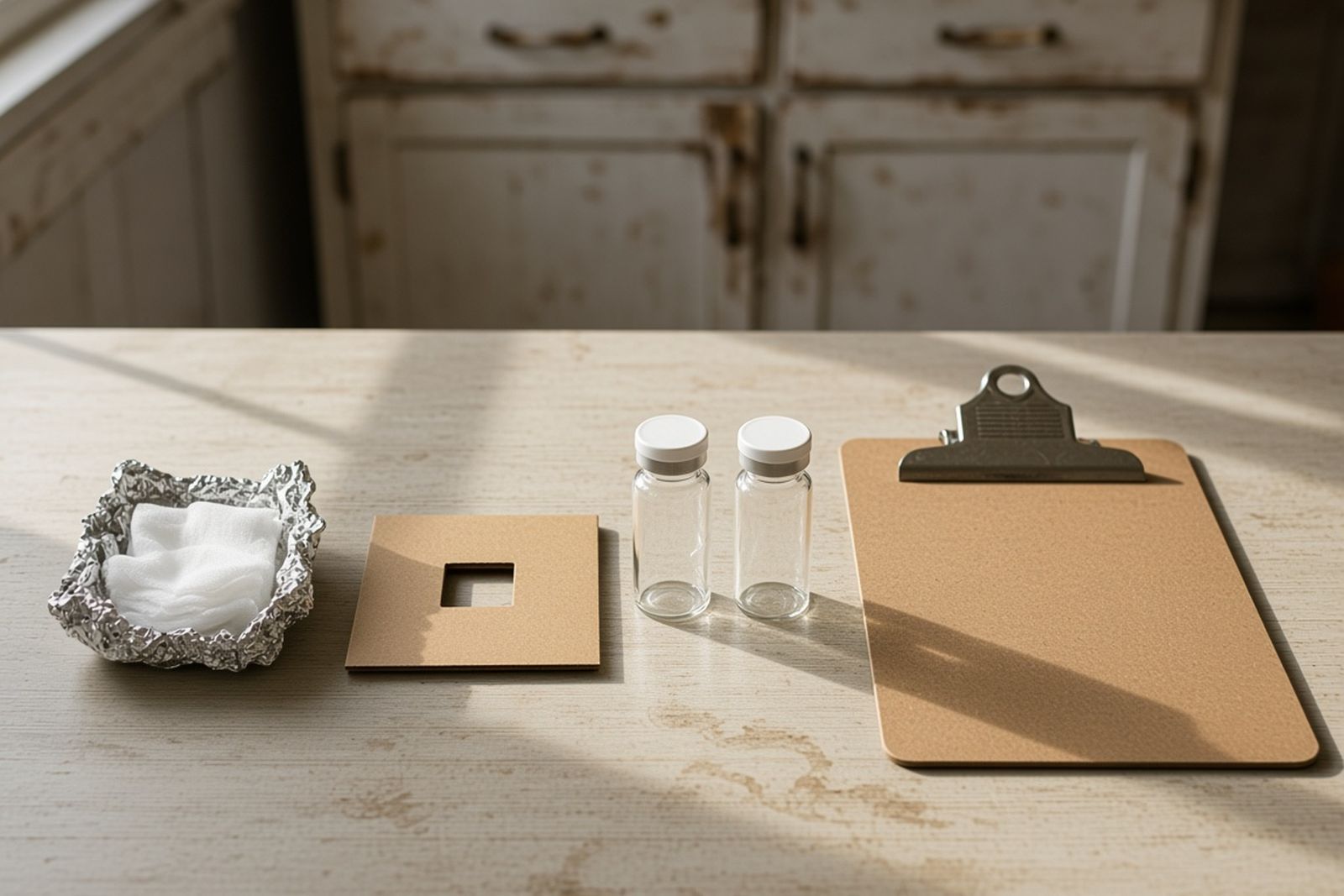
Wipe-sampling supplies on a counter: gauze in foil, a sampling template, vials and a clipboard
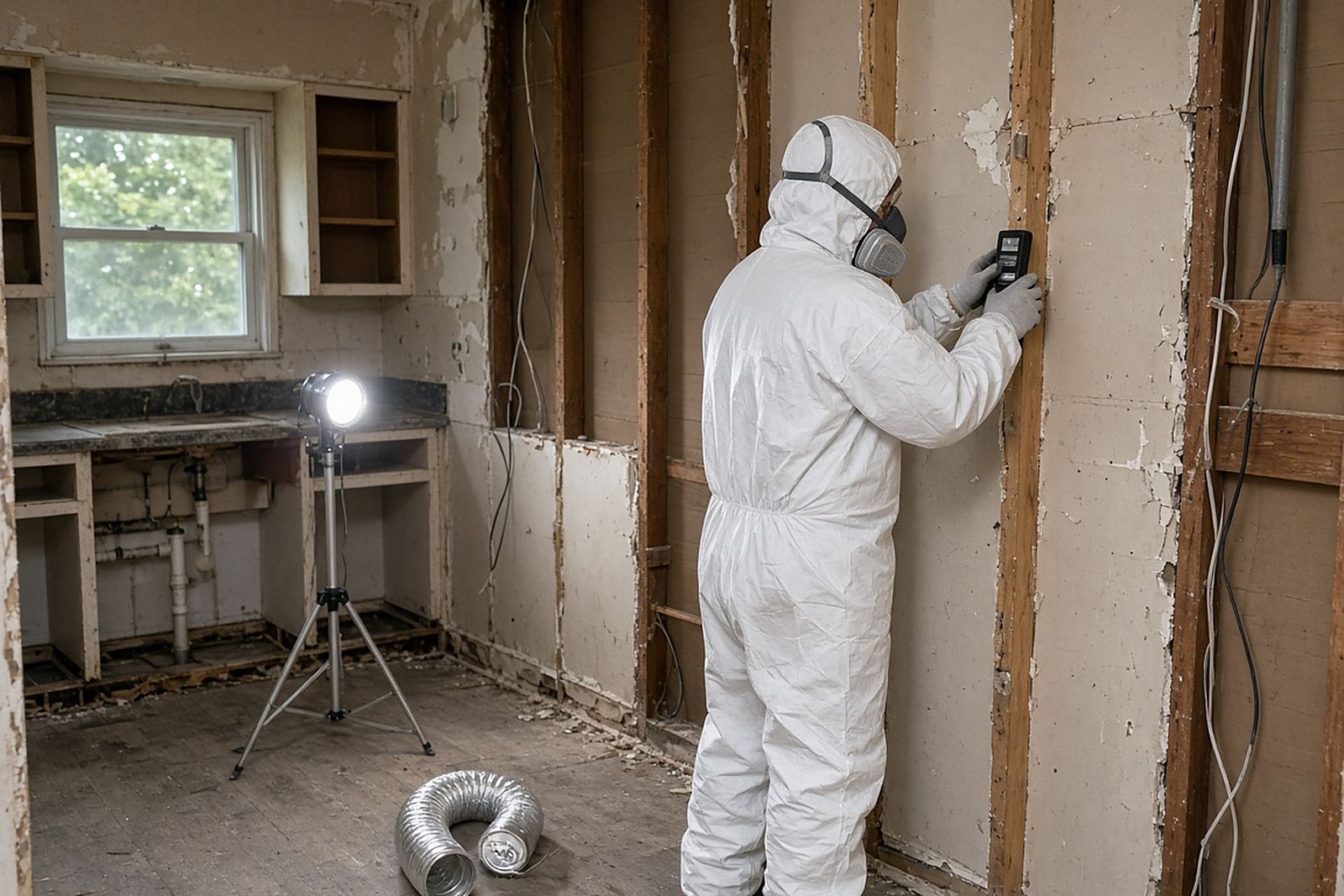
Technician in a respirator checking exposed studs in a gutted kitchen with a work light and duct

Facts worth knowing

  • In one Australian home with suspected past meth making, meth was found inside a mattress, not just on its surface.

    Why it matters: Soft items like mattresses may hold residue deep inside, so ask whether your mattress should be thrown out rather than cleaned.

    Source: Wright et al., 2019

  • In 25 selected case studies of homes with meth residue, residents reported sleep problems during the time they were exposed.

    Why it matters: If your household has unexplained sleep trouble in a home with a possible meth history, tell your doctor and consider testing.

    Source: Wright et al., 2020

  • In tests involving two properties, materials contaminated with meth released the drug into the air.

    Why it matters: Leaving contaminated materials in place may keep putting residue in the air you breathe; ask about removing them.

    Source: Wright et al., 2021

Tools that help right now

What would you do?

Poll results

Vote to see how other people answered. You can change your answer at any time.

Your experience

If a house you wanted had a documented lab cleanup that passed clearance, what would you most likely do?

Be the first to vote
Industry

Which factor would you weigh most when choosing a meth cleanup contractor?

Be the first to vote

Need help in Bethesda?

Send a short message about the property to the follow-up inbox. A coordinator can reply by email with next steps.

Your request is sent to the follow-up inbox. A coordinator can reply by email.

If anyone is hurt or in danger, call 911 first.