Naples, FL

Meth Lab Cleanup in Naples, FL: Gulf Estates, Seasonal Lockups, and Project Wipe Files

What to do, who to contact, and what to ask in Naples.

Meth residue in a Naples home or villa? No Florida statewide number is readily cited. See how lockup season, humidity and lab results affect you.

Get an email reply about meth lab cleanup

Send a short message to the follow-up inbox. A coordinator can reply by email. This form does not send emergency help; call 911 first if anyone is in danger.

Tell us what you need help with. Share a short description; please leave out medical details, access codes, and other sensitive information.

A request does not confirm a booking. For immediate danger, contact local emergency services.

Or email info@methlabcleanup.online

The short answer for Naples, FL

If your Naples home, villa or staff wing may have meth residue, keep it locked up and the AC off until a testing plan is signed. No Florida statewide meth figure for reentry is readily cited. So your sale or seasonal turnover depends on written wipe standards for your estate, with FDEP and Florida DOH as state contacts.

What to do, step by step

  1. 1

    Walk the locked-up home and set the project standard

    Plan the opening of shutters and lanai screens with your estate manager. Then walk the home with the tester and ask for a written testing plan. The EPA’s voluntary guide can help decide what gets done first at your villa. It should say in plain words that it leans on no Florida statewide meth number. If a lender’s letter holds your estate to a tougher contract standard, attach it. Allow no listing shoots at the estate until someone signs the testing plan.

  2. 2

    Have the lanai sealed and soft fabrics sorted

    A good crew seals off the work wing first. Outdoor cushions and carpet are bagged in sealed containers. Soft, soaked items that cannot meet the standard written for your project are thrown out. Nobody should dry sweep, since that lifts residue into screened spaces. Ask for a list of the items you hope to save, and have only those retested. Chemically tainted waste is sorted before it leaves your property. Check that the route avoids the pool deck.

  3. 3

    Ask how coils and dock paths are protected

    Before tear-out, every air handler on the estate should be switched off. Each one gets a fresh filter and a look at the coils and drip pans the crew can get to. They stay off until the rooms are washed and cleaned with HEPA vacuums, which trap fine dust. Openings that link the staff wing to your clean kitchen should be covered. Worker gear should guard against solvents, dust and Gulf coast heat. Along the Gulf, coil paths often cause wipe tests to fail.

  4. 4

    Save a lab packet for your estate and your buyer

    Your packet starts with the wipe results on a map of the estate. Custody forms and waste records come next. Coil notes and staging photos belong there too, with a line on whether meth was cooked or smoked. The packet should explain that the lab results describe your estate’s conditions. There is no Florida microgram law for the estate to have passed. Any spots that failed should be retested. Save the packet for your trust files and later seasonal turnovers. A fresh coat of paint or an ozone run proves nothing for a Naples estate.

What cleanup is like in Naples

Gulf lots on the barrier islands and the mainland often mix a main house, a lanai suite and a caretaker wing. These stay shuttered between snowbird seasons, so a problem can sit for months before you hear of it. You may find out when the home opens in spring, when an estate is inventoried in probate, or when police release an empty villa. As a Naples owner, you should know one thing early. Unlike California, with its HSC 25400.16, Florida gives Gulf estate owners no clear state meth figure to quote. Your pass standard has to be written for your own property.

State health department environmental staff in Collier County can help with your health exposure questions. Collier County environmental health offices are handy contacts once residue is found, and DEA drug lab pages explain why cook sites are risky. Tell the company what was seen. Cooking chemicals, such as solvents, raw ingredients and stained fixtures, widen the waste review. Smoking alone still soaks outdoor cushions, lanai carpet and coil dust inside sealed rooms. Seasonal freight times and tight driveways at the mangrove edge also affect your schedule, so the hauling plan matters as much as the washing.

Gulf humidity keeps AC drip pans wet most months, so your cooling gear belongs on every sample map. Closed lanai spaces trap fine dust while air handlers cycle. Sales stall when all you have is paint receipts. Base what you disclose on measured conditions, and add notes that split cooking from smoking. Before the shutters reopen for the next season, ask that sealed waste be routed away from your dock walk and formal foyer. That keeps the clean rooms clean and the work out of your neighbors’ view.

Weather and local rules will squeeze your hauling days. Red tide beach closings and afternoon thunderstorms shrink the time for outdoor bag-outs along Gulf Drive. Crushed-shell courts raise dust easily, so a good crew wets them down before rolling sealed bins. Lanai cage screens catch cushion stuffing, and they should be cut only after the plastic walls that keep dust inside the work area are up. Dockmaster rules may ban dumpsters overnight, so expect same-day hauls to the mainland. Your HOA newsletter may share a reopening date, but that date is not proof the home is clear.
What to expect for your type of home

  • Gulf estates: Ask for a list of every cooled space first, including the main house, lanai suite and staff wing. The wipe spots should be chosen only after that list is complete.
  • Seasonal homes: Have written wipe standards set for your estate before work begins. Collier estates cannot lean on any current state meth law that is simple to cite.
  • Villas released by police: Ask that cooking chemicals be kept apart from smoking foils. Then your estate’s waste is sorted the way FDEP expects, and you pay only for what applies.
  • Waterfront and gated lots: Ask the crew to time sealed load-outs around mangrove-edge and gated-drive limits. Bags should not sit near the docks, where neighbors across the water can see them.

Papers and records to keep

  • Notes on the seasonal shutters and how the lanai was opened
  • The estate wipe plan, with its written pass rules
  • Accredited lab reports and sample custody forms for the main house and staff wing
  • List of fabrics and soft items removed from the estate, with waste papers
  • A page for each air handler: filter changes, coils reached, shutoff dates
  • Collier, FDEP or DOH letters about the estate, if you got any

Local offices and official help

Common questions in Naples

Can I quote a Florida wipe limit when I sell my Gulf estate?

For Collier County estates, no. No easy-to-cite Florida law sets a statewide meth number for moving back in, like California’s section 25400.16. EPA’s voluntary guidelines cover cleanup methods, but they do not set a federal number for Naples estates. Your listing should not cite a made-up “Florida number.” Keep the lab results on file so buyers can check them. Any agency order for your Naples property comes before general advice.

The house was locked up all season. What should I avoid doing first?

Do not unzip the lanai screens and walk in before a plan exists, because residue then spreads across the pool deck. Keep the villa’s AC off. Running it to “air out” rooms that still hold soaked cushions and carpet spreads residue further. Outdoor cushions and carpets should move only in sealed containers. The last step is a round of wipes once the coils are clean. A fading odor does not mean the home is clear.

Why do the lanai and staff wing need to be on the sample map?

Because a map of only the living room misses them. Screened lanais and caretaker wings often hold soft items and their own air returns. Smoking or cooking in one wing can spread residue to nearby spaces when doors stay open. If soaked items stay, they can dirty washed formal rooms again. Ask for lanai sliders, outdoor fabrics and hard surfaces in the staff wing to be included. An estimate that skips the side wings leaves out part of your estate.

What should my file hold for an estate sale or seasonal re-rental?

Start with the plan for wipes, the sample custody forms and lab reports showing how low each test reads. Add floor plan maps, lists of soft items removed and waste records. The file should say the results apply only to your Naples estate, since no Florida statewide meth number is cited. Skip any line saying ozone or scents made the villa safe. Have a Naples lawyer review what your sale or lease requires you to disclose. Keep every failed round and retest.

Can carts crossing the dock walk or driveway dirty clean rooms?

Yes. Bare waste carts that cross dock walks or circle drives can track fine dust into kitchens where no one smoked or cooked. Barriers, sealed bags and a firm line between clean and dirty areas keep the chemical from spreading. Ask for photos of how your driveway was protected. Staging should fit gated-drive and mangrove-edge limits before tear-out starts. Neighbors can see across the waterways, so sealed bins are better than open carts.

My home is in a gated golf community. Who do I need to tell?

Tell your association’s board early. Many Naples homes sit in gated golf communities, where the association sets rules on contractor hours, gate access and where containers can go. Show the board how rooms will be sealed off and waste hauled. If anyone smoked on the lanai or in the screened pool area, those spots go on the testing map. Some associations want final results before a home is rented again, so ask at the start.

Residue was found during hurricane season while I am away. What now?

Have the home secured and the work area sealed with plastic walls. Hurricane season runs from June through November, and many Naples owners are away for much of it. Bagged waste should leave the site before any storm. Water damage after a storm can change what must be removed. Book the cleanup for a time when a caretaker or manager can meet crews. If you can, plan the final wipes after storm risk passes.

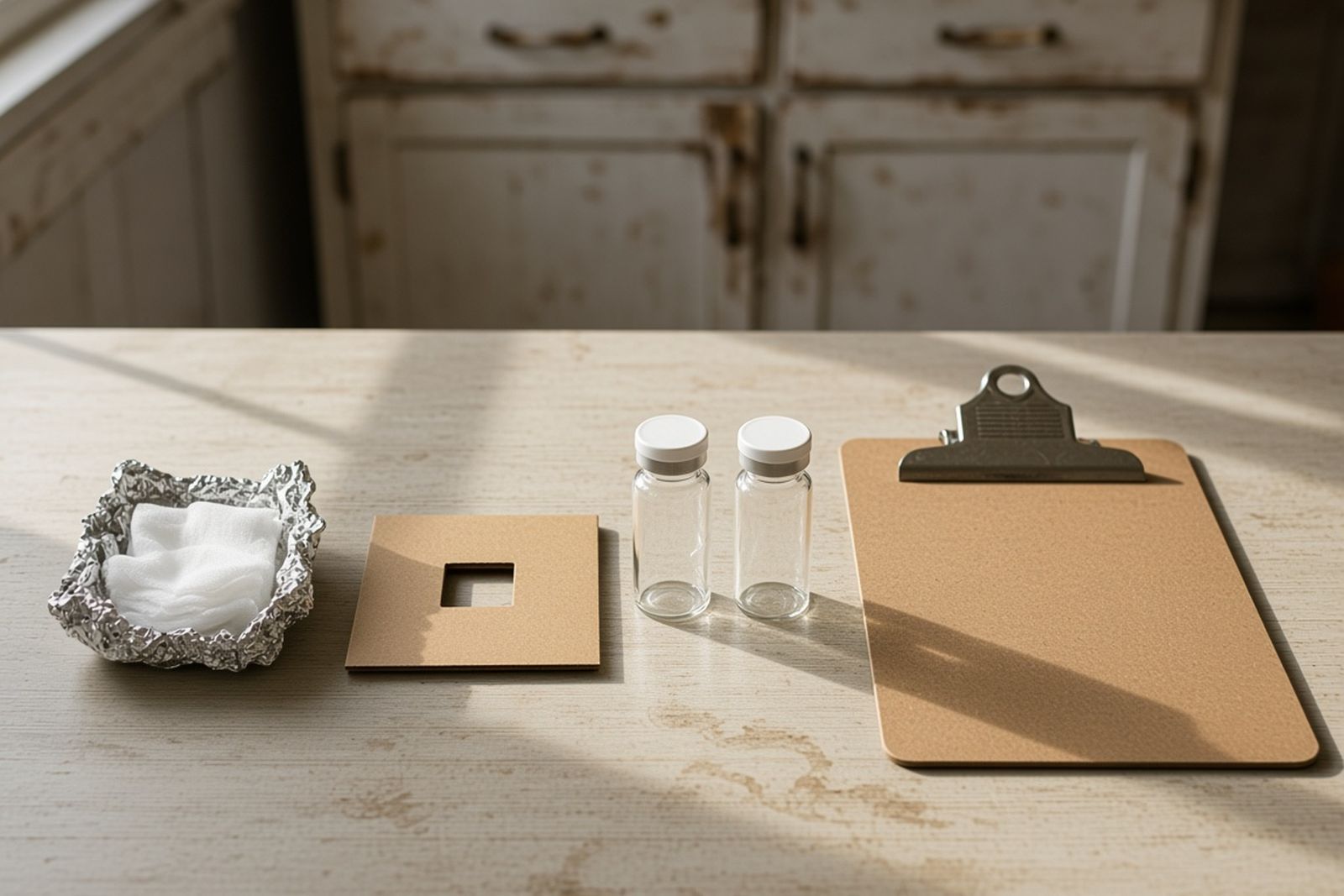
Wipe-sampling supplies on a counter: gauze in foil, a sampling template, vials and a clipboard
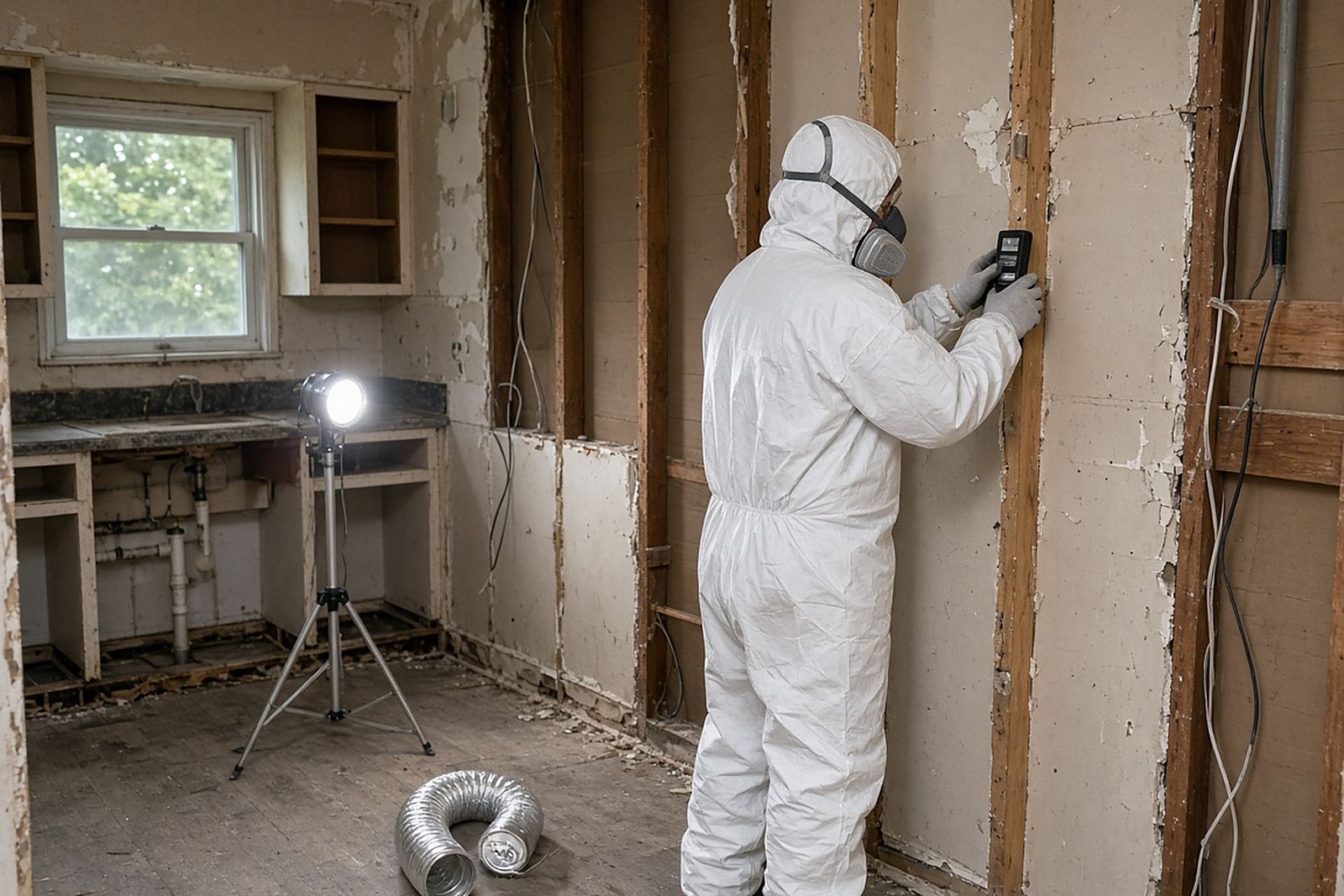
Technician in a respirator checking exposed studs in a gutted kitchen with a work light and duct

Facts worth knowing

  • Minnesota sellers who know meth was made on a property must tell buyers in writing before a sale, and buyers may sue for cleanup costs within six years.

    Why it matters: If you bought a Minnesota home with a hidden meth history, you may be able to recover cleanup costs, so ask a lawyer soon.

    Source: Minnesota Legislature, Office of the Revisor of Statutes, 2024

  • EPA's voluntary cleanup guidelines for meth and fentanyl labs were first issued in 2009, revised in 2013 and updated in August 2021 to add fentanyl.

    Why it matters: Ask whether your cleanup company follows the current EPA guidelines, keeping in mind they are voluntary and set no national cleanup limit.

    Source: US EPA, 2021

  • As of April 2025, 18 states plus D.C. had no laws on cleaning up properties contaminated by illegal drugs.

    Why it matters: Check with your local health department, because local orders or seller disclosure duties may still apply to you without a state law.

    Source: Legislative Analysis and Public Policy Association, 2025

Tools that help right now

What would you do?

Poll results

Vote to see how other people answered. You can change your answer at any time.

Your experience

If a house you wanted had a documented lab cleanup that passed clearance, what would you most likely do?

Be the first to vote
Industry

Which factor would you weigh most when choosing a meth cleanup contractor?

Be the first to vote

Need help in Naples?

Send a short message about the property to the follow-up inbox. A coordinator can reply by email with next steps.

Your request is sent to the follow-up inbox. A coordinator can reply by email.

If anyone is hurt or in danger, call 911 first.