Wellesley, MA

Meth Lab Cleanup in Wellesley, MA: Needham Line Rentals and School-Year Wipe Files

What to do, who to contact, and what to ask in Wellesley.

Meth residue in a Wellesley rental or colonial? Massachusetts has no re-entry number. See how a written lab pass level protects your tenants or sale.

Get an email reply about meth lab cleanup

Send a short message to the follow-up inbox. A coordinator can reply by email. This form does not send emergency help; call 911 first if anyone is in danger.

Tell us what you need help with. Share a short description; please leave out medical details, access codes, and other sensitive information.

A request does not confirm a booking. For immediate danger, contact local emergency services.

Or email info@methlabcleanup.online

The short answer for Wellesley, MA

If your Wellesley rental or colonial may have meth residue, hold off on paint and ask for wipe tests from an accredited lab. Massachusetts gives you no re-entry number to lean on. So your landlord or sale packet depends on a lab pass level written for your address, plus town health and MassDEP contacts where chemicals are involved.

What to do, step by step

  1. 1

    Walk the vacant unit and set your lab pass level

    Walk the house or rental with the hygienist once it is safe to enter. Have the living floors and the unfinished basement photographed. Then ask for a written test plan with a pass level for your address. EPA’s voluntary technical notes can lend ideas about the order of work. The plan should not cite a Massachusetts numeric meth re-entry limit, because the state has not set one. Ask how many samples will be taken, where, and which lab will read them.

  2. 2

    Have the work rooms sealed and basement fabrics bagged

    A good crew seals the work rooms off from your clean living floors. Fabrics get bagged before they cross the garage or mudroom, so nothing sheds on the way out. Nobody should dry sweep, since that stirs up basement grit. Where solvents were found, the waste from your Wellesley house should be reviewed before it leaves. Ask which fabrics the crew plans to throw out and which hard items it will wash. Get that list in writing before the first bag goes.

  3. 3

    Check how tools, returns and basement chases are handled

    Ask the crew how it will keep dust from riding through the house. Tools should be cleaned inside the sealed rooms before they travel through the colonial. Worker protection should be sized to the leftover solvents and dust in your house. Ask about the forced-air returns and any basement chases that link floors. The furnace filter should be changed, with the date written down. These small steps matter, because dust moved after washing can make a clean room fail its next test.

  4. 4

    Put together a packet before you re-rent

    Before a new tenant moves in for the school year, gather the lab PDFs, sample maps, waste records and basement notes. Add a written account of cooking versus smoking signs. Scent machines do not settle an environmental question, so leave them out of the file. Tell your next tenant plainly about known contamination and the testing done. That protects the family moving in and cuts down on disputes. Keep one full copy for yourself in case you sell the house later.

What cleanup is like in Wellesley

Wellesley’s center-village colonials and the small upstairs rentals near the Needham Line tend to face residue questions at certain times. You may find a problem after a winter vacancy or a mid-semester turnover. A buyer may also ask for tests on a deal timed to the school calendar. As the landlord or owner, work out a lab pass level written for your address. The industrial hygienist, who is trained in chemical safety, should help you set it, along with an accredited lab. Add any clause from a buyer’s contract. Wellesley has no town bylaw number for you to quote.

Who you call depends on what is in the house. MassDEP’s waste-site and emergency paths apply when abandoned containers or chemical threats remain, so do not touch those yourself. Town health staff handle local questions once a scene is stable. DEA guides explain the hazards of cooking meth, which can help you understand what was found. Tell the company plainly whether you saw cooking gear or only smoking foils. That one fact changes how the waste is handled, how long the work takes and what you should expect to pay for.

Families on a school-year schedule often want to move back fast after a vacant unit is found. But a fresh coat of paint does not answer a lab question. Humid summers and closed-up winters both trap smells, and a smell is not a lab clearance. Blocks next to Hunnewell Field, rentals near the colleges and walks to the Needham Line station bring foot traffic past your door during bag-outs. Ask the crew to use sealed containers and short curb windows, not open carts on the sidewalk. That keeps the job private and the walkway clean.

What to expect for your type of home

  • Family colonials: Ask that kitchens, baths, children’s bedrooms, unfinished basements and forced-air returns all go on the wipe map. Testing only the room where drug gear was found leaves you guessing about the rest.
  • Homes and rentals near the village shops: Ask the crew to time sealed load-outs around village parking limits. Bags should go straight to the truck and never sit on the sidewalk outside the stores.
  • Rentals where gear was found: Ask that cooking evidence be kept apart from smoking foils. Then the waste choices for your Wellesley property line up with what MassDEP expects for each kind.
  • Houses going on the market: Buyers drawn by the school district will likely ask you for mapped lab PDFs. Expect this even though there is no state microgram law, and have the file ready.

Papers and records to keep

  • Any letter from town health or MassDEP, if one was issued
  • Lab reports and custody forms for your Wellesley house or rental
  • List of soft items removed, along with the disposal records
  • Notes on when the air handler filter was changed
  • Hazardous waste papers, if cooking chemicals were present
  • Your re-rental or sale packet for the Wellesley house, with the final results

Local offices and official help

Common questions in Wellesley

Does Massachusetts have a meth re-entry limit for my rental near the Needham Line?

No. EPA’s voluntary technical notes cover cleanup practices, but they set no federal microgram value for center-village colonials or the rentals above them. Be careful with any ad that quotes a state or town number. Keep your lab data so buyers and tenants can check the measurements. If the town or the state issues an order for your house, that order controls. Follow it and keep a copy with your test results.
Why does the unfinished basement matter so much?

Residue ends up there more often than people expect. Smoking upstairs in a Wellesley colonial can coat basement surfaces when doors stay open or the furnace pulls air down. Tainted basement carpet or storage left in place can dirty washed first-floor rooms again. Ask for basement wipe spots and furnace filter changes in the written plan. For older Wellesley colonials and capes, an estimate that skips the basement is not complete.

How will debris get out to the street in the village?

In sealed bags, by a covered route, in a short window. Narrow center-village lanes limit where trucks can park, and more neighbors see the work. When bags leave through your attached garage, the mudroom and kitchen floors should be covered first. Get a few pictures of the covered driveway to keep. Mistakes in moving debris can dirty washed rooms again, and then wipes may fail your written pass level. Agree on the clean side and the dirty side early.

My house is on a walking route to the train and the colleges. Does that change things?

Yes, it changes how and when bags leave. Walkways near the train station and the edges of campus bring more eyes during fabric removal. Tainted soft goods should leave in sealed totes during short curb windows, not open carts. If you have a two-story colonial with a shared garage as the only way out, talk with the downstairs residents first. Village parking limits make dumpster placement harder than on wooded acreage lots, so plan ahead.

What should I save before re-renting for the fall semester?

Save the accredited wipe data above all. Even with no state numeric law, it is the clearest way to show the work met the written goal for your job. A painter’s bill does not show whether residue remains in a Wellesley rental. Keep the sample maps, waste records and filter notes with it. Then tell your next tenant plainly about known contamination and the testing done. That protects them and cuts down on disputes.

Our finished attic room was where the smoking happened. How is that handled?

It gets its own tests. Many Wellesley colonials have finished third floors or attic bedrooms that stay warm and closed up. Smoking residue there can settle into knee-wall storage, carpet and sloped ceilings. Ask that attic rooms and knee-wall storage go on the test map. Any attic air handler or ducts should be checked and the filters replaced. Soft items stored in the knee walls may need to go. Separate attic results are clearer for buyers or tenants.

Can I keep my built-in bookcases and cabinets?

Often, yes. Built-ins are common in older Wellesley homes and carry family or design value. Painted or sealed wood can usually be cleaned and tested again. Unfinished wood inside, particleboard shelves and fabric-lined drawers are harder. If results still fail after fair tries, replacing them may be the right call. Ask the company to write down the choice, so future buyers understand the history of the house.

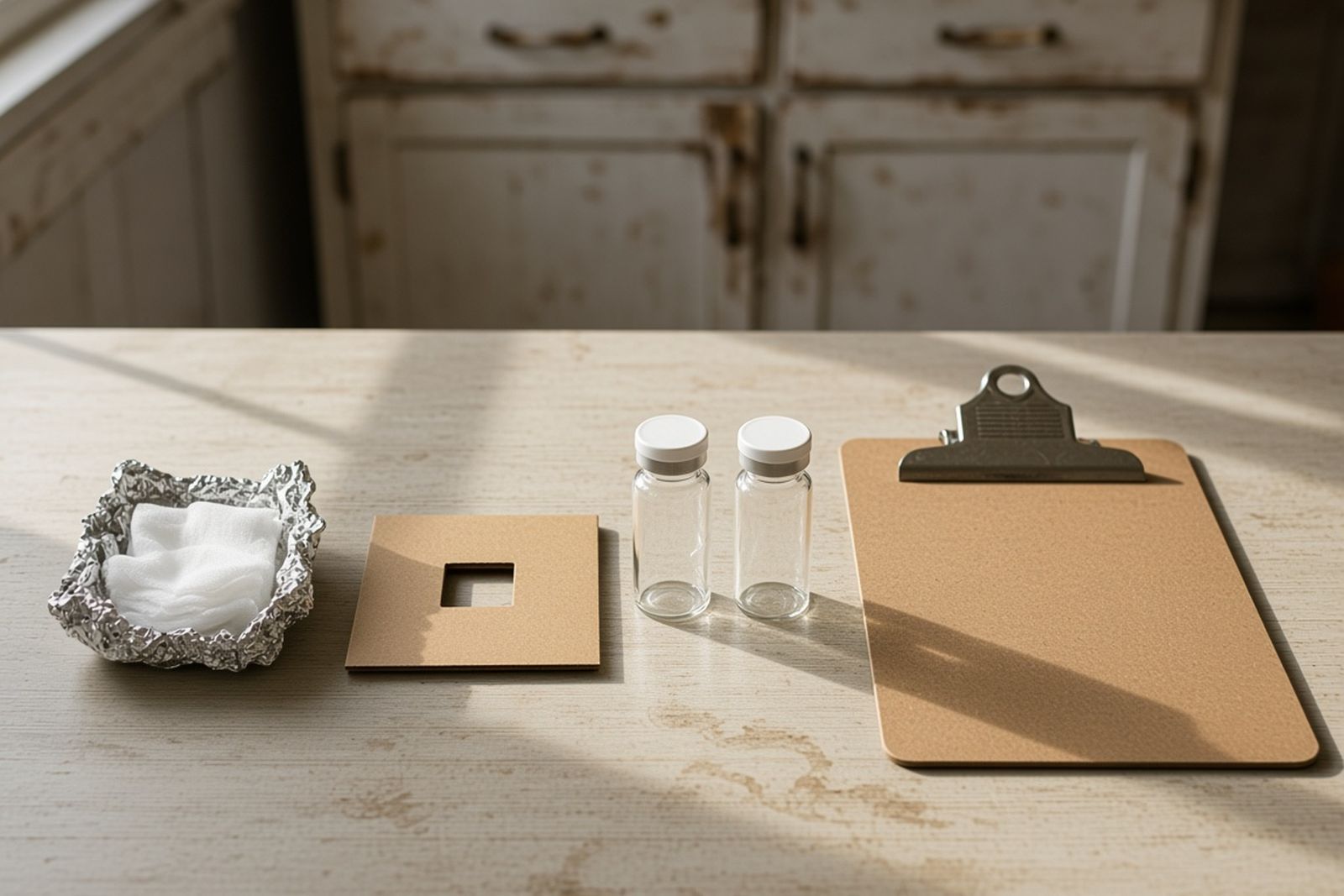
Wipe-sampling supplies on a counter: gauze in foil, a sampling template, vials and a clipboard
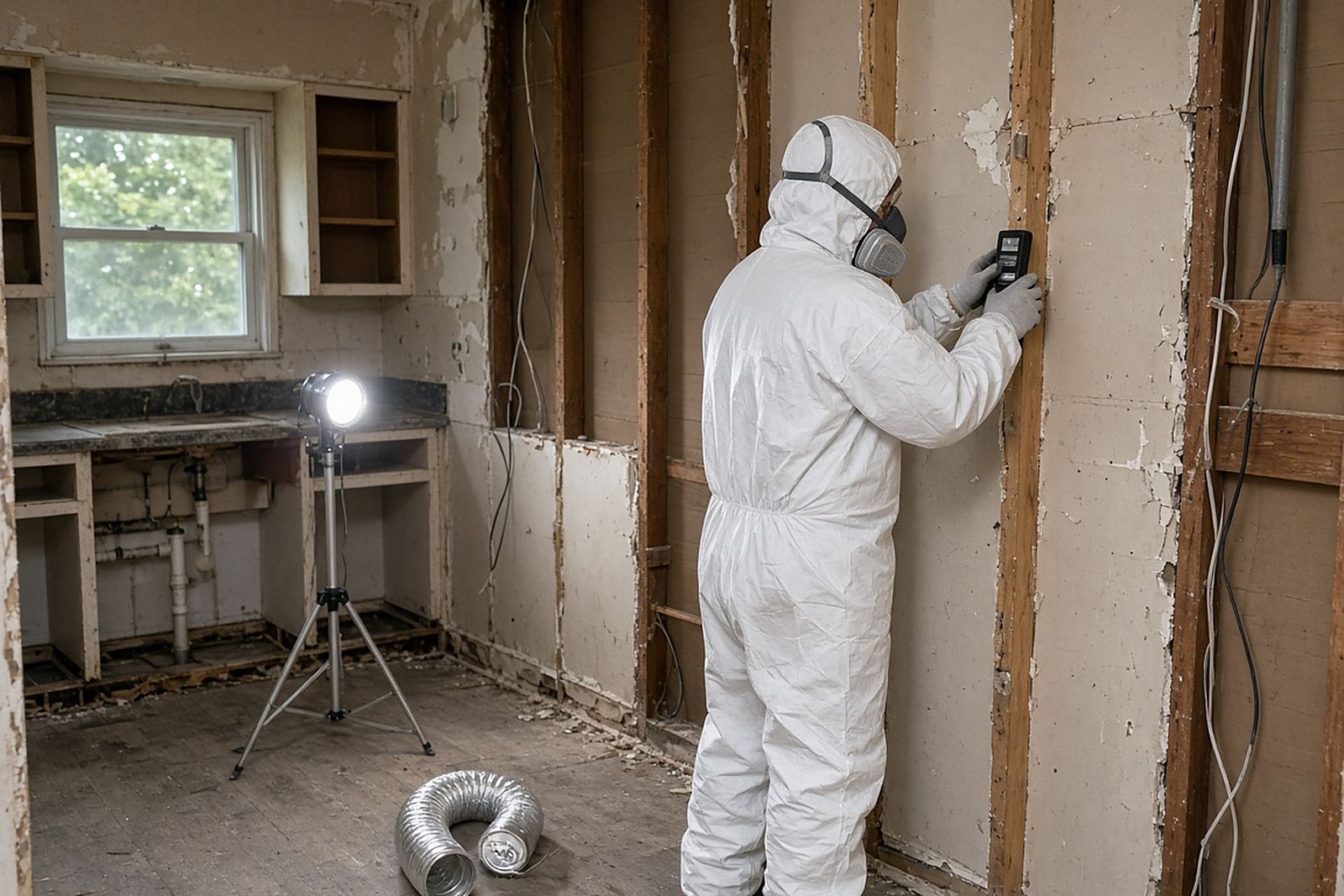
Technician in a respirator checking exposed studs in a gutted kitchen with a work light and duct

Facts worth knowing

  • In one Australian home where meth was cooked, researchers found extremely high contamination more than five years after cooking stopped, even though people had lived there since.

    Why it matters: Do not assume time or normal housekeeping has made a former lab safe; ask for testing before you move in or rent it out.

    Source: International Journal of Environmental Research and Public Health, 2019

  • As of April 2025, 18 states plus D.C. had no laws on cleaning up properties contaminated by illegal drugs.

    Why it matters: Check with your local health department, because local orders or seller disclosure duties may still apply to you without a state law.

    Source: Legislative Analysis and Public Policy Association, 2025

  • EPA's voluntary cleanup guidelines for meth and fentanyl labs were first issued in 2009, revised in 2013 and updated in August 2021 to add fentanyl.

    Why it matters: Ask whether your cleanup company follows the current EPA guidelines, keeping in mind they are voluntary and set no national cleanup limit.

    Source: US EPA, 2021

Tools that help right now

What would you do?

Poll results

Vote to see how other people answered. You can change your answer at any time.

Your experience

If a house you wanted had a documented lab cleanup that passed clearance, what would you most likely do?

Be the first to vote
Industry

Which factor would you weigh most when choosing a meth cleanup contractor?

Be the first to vote

Need help in Wellesley?

Send a short message about the property to the follow-up inbox. A coordinator can reply by email with next steps.

Your request is sent to the follow-up inbox. A coordinator can reply by email.

If anyone is hurt or in danger, call 911 first.