Direct answer
The short answer for Chicago, IL
Cook County meth residue work happens in brick three-flats, stacked back porches, and hallway apartments. Illinois has no statewide number for moving back in after meth, and we do not make one up. A pass mark set for each case, Illinois EPA waste rules, and Illinois DPH exposure notes all shape landlord packets. So do flats sealed with storm windows over winter, alley staging, and EPA voluntary guidance. Made-up microgram numbers do not.
Editorial guide · Biohazard Remediation NetworkUpdated 2026-07-22Location focus: Chicago, IL
Local planning context
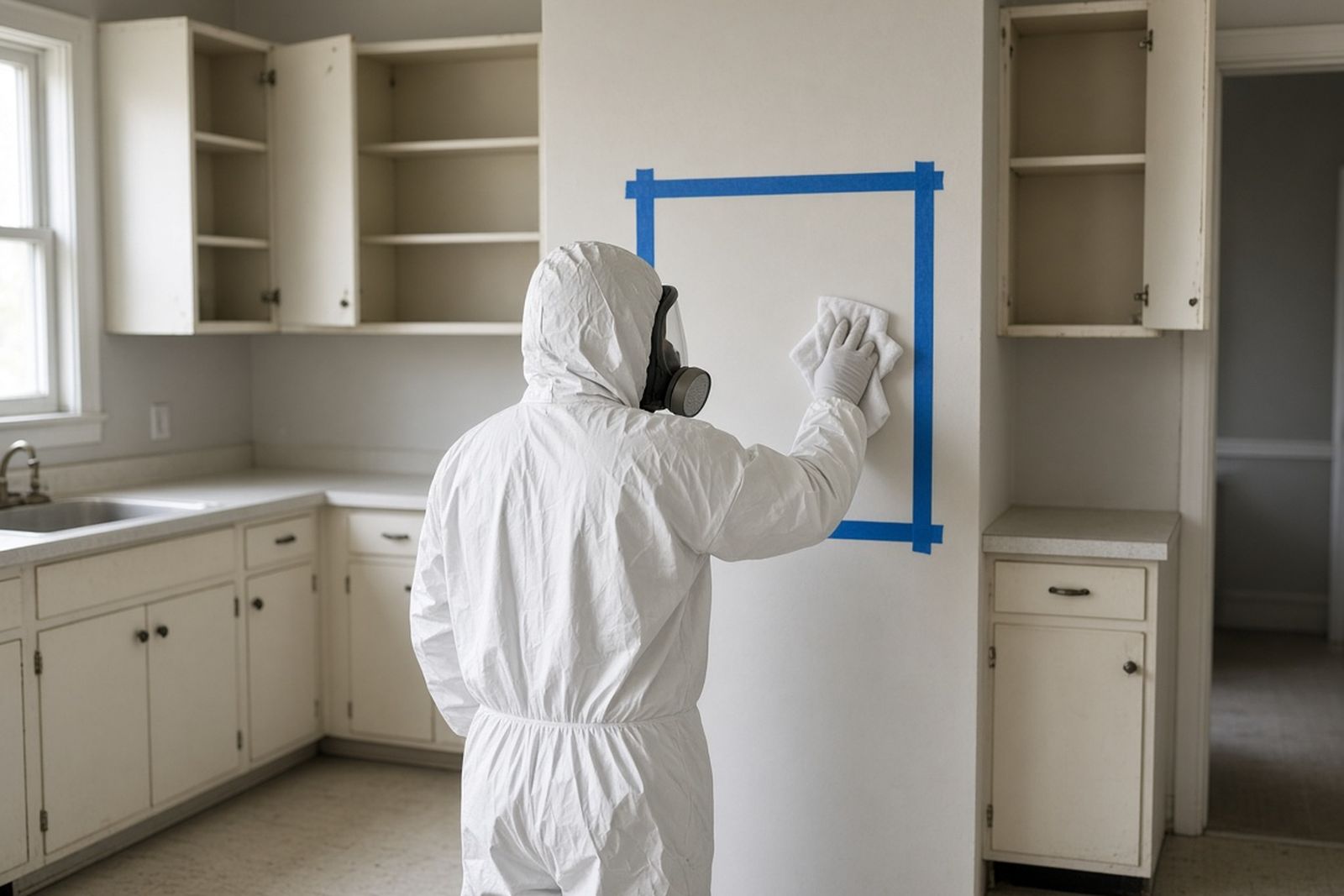
Brick three-flats, courtyard walk-ups, and older condo conversions share stairs, stacked back porches, and basement boiler rooms. Residue questions come up after a flat sits empty over winter, during checks before a sale, or when police release a flat that held chemical waste. Crews in Cook County can look to the EPA document called Voluntary Guidelines for Methamphetamine and Fentanyl Laboratory Cleanup for how swabbing is done. That document is voluntary, so it sets no federal microgram limit a Chicago flat must meet. Set a written pass mark for each case with a workplace safety expert (an industrial hygienist) and an accredited lab. Do not make up an “Illinois clearance microgram.”
Alley debris runs, ice, and narrow gangways limit where you can stage. Soft plaster on wood lath and porch stacks sealed with storm windows hold residue. Illinois Environmental Protection Agency steps apply when abandoned containers or hazardous chemical threats remain. Illinois Department of Public Health and Chicago Department of Public Health desks handle health questions once a scene is safe. DEA guides explain the hazards of meth making. Meth making widens the waste testing. Smoking alone still builds up in soft goods and duct dust inside sealed flats.
Buyers often ask for lab PDFs, even though no state number is set in law. In Chicago three-flats, paint, ozone, and air fresheners do not replace mapped wipe results. Whatever a disclosure says should match the flat’s actual record of tests, removals, and retests. In stacked flats, dust carried up and down shared back stairs and porches is a common way residue spreads.
Ice melt on porch stairs cakes into softwood steps, which can later fail wipe tests if they are not sealed off. Alley dumpster permits from Streets and Sanitation are not like suburban HOA rules for cart paths. Steam from radiators can stir dust back up after washing if the valves stay open, so tag the shutoffs. Three-flat back porches stack on top of each other. Cover lower units with plastic sheeting before bagging debris out from upper floors. Cook County buyers often want sample maps that label front and back stairs separately.