Short answer
PPE for meth lab cleanup should be chosen from a written hazard assessment that uses the property's history, visual inspection and wipe sampling results. The assessment weighs drug residue, leftover chemicals, corrosive stains, sharps, HVAC contamination and the cleaning methods planned. From there, crews select respirators, chemical-resistant suits, layered gloves, eye protection and a decontamination routine for leaving the work zone.
Assessment first, gear list second
Former meth labs range widely. Some were large production sites with fires, chemical dumping and heavy staining. Others were homes where the drug was smoked or cooked in small batches, leaving residue that is invisible but still present on walls, ceilings and belongings. The protective equipment that fits one property may be too much or too little for another.
OSHA's PPE standard, 29 CFR 1910.132, expects employers to evaluate hazards and document that evaluation before selecting equipment. For meth remediation, that assessment should draw on everything known about the property: police or health department reports, the preliminary sampler's findings, what can be seen during a careful walkthrough and the specific tasks the crew will perform.
Time does not make residue disappear on its own. A 2019 study in the International Journal of Environmental Research and Public Health found a home where meth was cooked still had 'extremely high' contamination more than five years after production stopped, even after years of later occupancy. Crews should not lower protection simply because activity ended long ago.
What feeds into a meth lab hazard assessment
A good assessment pulls together several sources before technicians suit up. The goal is to understand not only whether residue is present, but where it is heaviest and which tasks will disturb it.
- Property history: whether the site was used for production, use only or both, and whether there were fires.
- Preliminary sampling results: wipe sample data from walls, ceilings, HVAC registers and other surfaces.
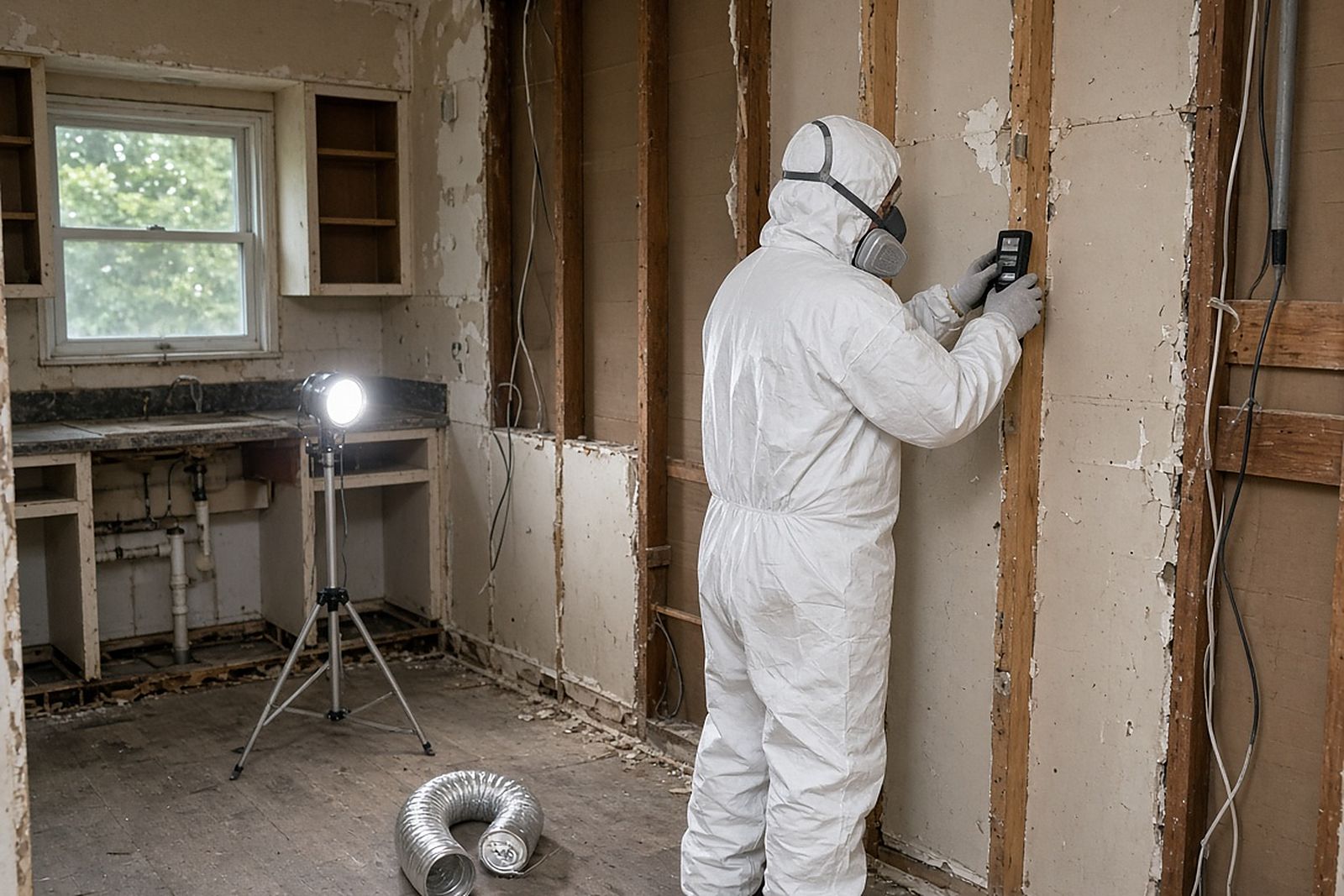
- Visual clues: chemical stains, etched sinks, burn marks, makeshift ventilation or altered wiring.
- Remaining materials: confirmation that bulk chemicals and equipment have been removed by authorities.
- Sharps and paraphernalia: needles, pipes, razor blades and broken glass.
- Planned tasks: removing carpet and drywall, washing surfaces, cleaning ducts or applying encapsulants.
- Environmental conditions: ventilation, power, water supply, heat and space to set up decontamination.
How do sampling results influence the level of protection?
Wipe sampling tells the crew where residue is concentrated. Levels can vary dramatically within a single home. In the same 2019 study by Wright and colleagues, wall-wipe concentrations ranged from 0.54 to 110 micrograms per 100 square centimetres in one property. A crew planning work in the room with the highest reading needs different protection than a crew wiping down a lightly affected hallway.
Sampling is not the only factor, though. Heavy staining, corrosive residue and signs of past chemical dumping can call for higher protection even where drug levels are moderate, because the chemical byproducts of production can harm skin and lungs in ways a methamphetamine reading alone does not capture.
When sampling has not yet been done, crews should assume the worst and protect accordingly until results are available.
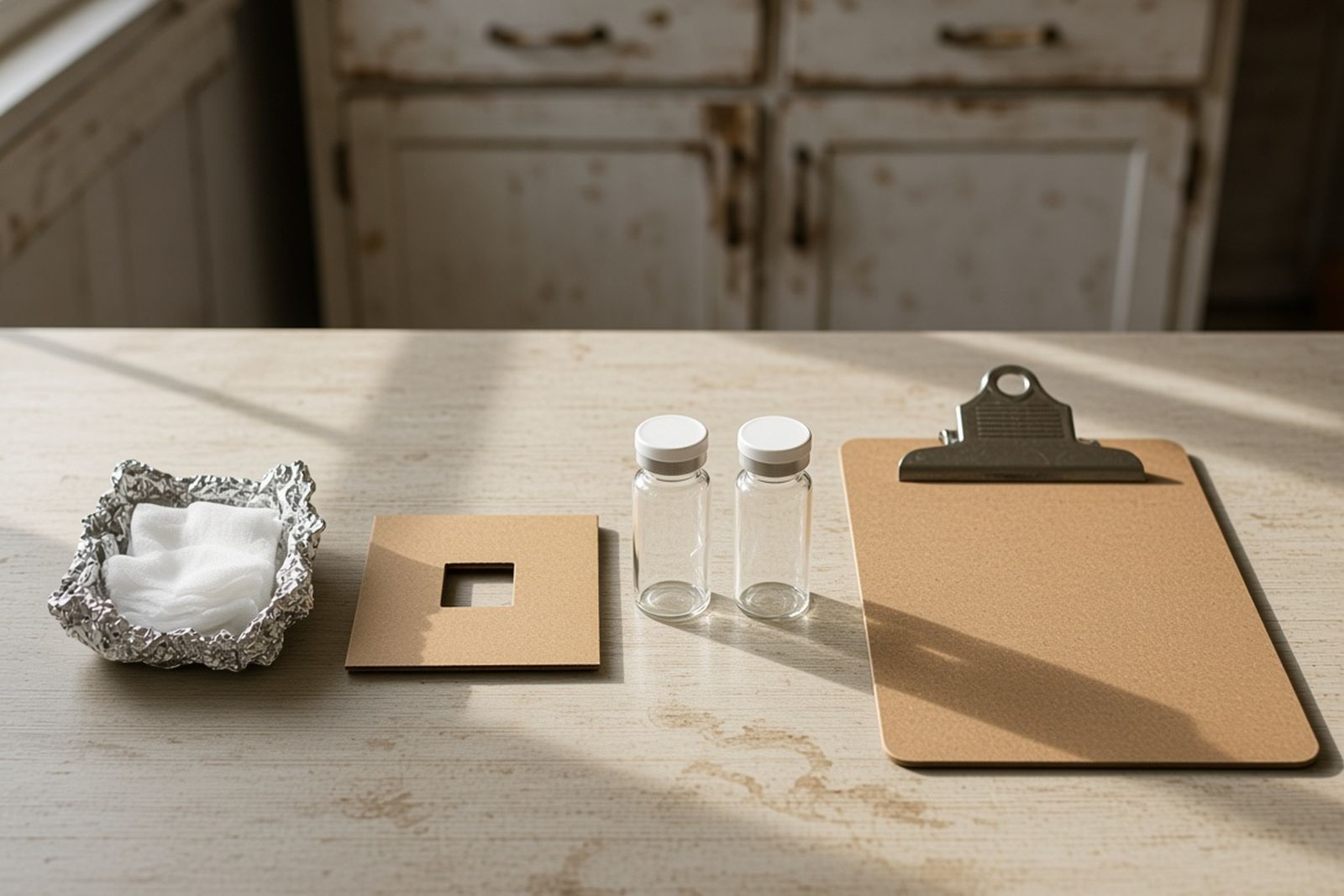
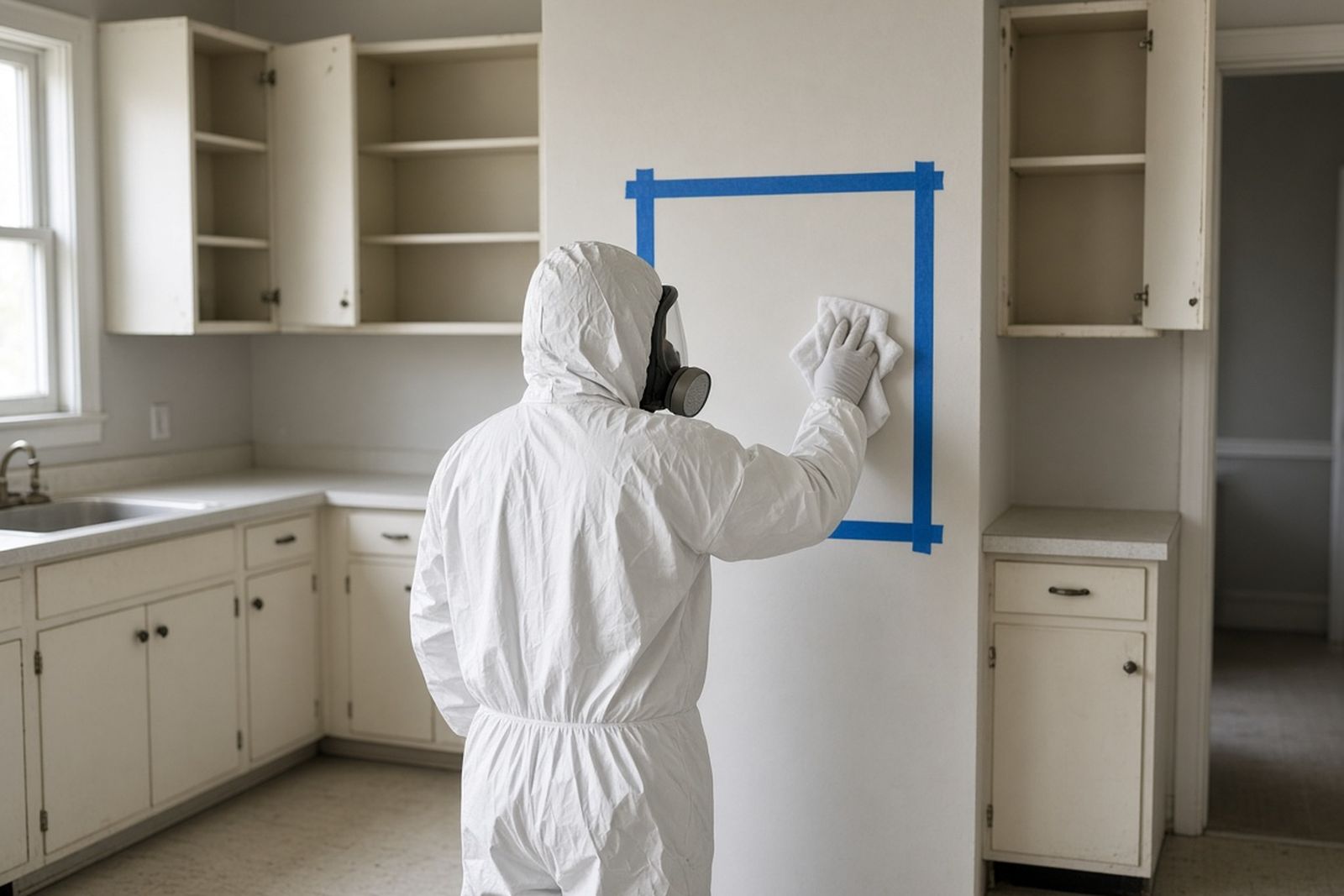
The sampler needs protection too. The person collecting preliminary wipes enters before anyone knows how contaminated the property is, so samplers typically wear a respirator, disposable coveralls, boot covers and fresh gloves for each sample, both for their own safety and to avoid carrying residue from one surface to the next and skewing results.
Respirators, suits, gloves and boots
Removing contaminated carpet, cutting drywall and scrubbing surfaces all disturb residue and create dust. Crews commonly use air-purifying respirators with combination cartridges that address particulates and certain vapors, and full-face models are popular because they also protect the eyes from splashes and dust.
Where the assessment identifies stronger chemical hazards or poor ventilation, a higher level of respiratory protection may be required. OSHA's respiratory protection standard, 29 CFR 1910.134, requires medical evaluation, fit testing, training and a written program whenever respirators are necessary.
Cartridge change schedules matter. Cartridges do not last indefinitely, and their service life depends on the contaminants and conditions. Supervisors should set change-out times rather than leaving it to technicians to notice when odors break through.
Methamphetamine residue can be absorbed through the skin, and production byproducts may be corrosive. Chemical-resistant disposable coveralls with hoods protect skin and clothing, with seams taped at wrists and ankles when technicians will be washing surfaces or handling saturated materials.
Gloves are often layered: a nitrile inner glove, then a heavier chemical-resistant outer glove for washing and material removal. Cut- or puncture-resistant gloves are added where sharps or broken glass may be present. Outer gloves are changed frequently, and any glove that tears is replaced immediately.
Chemical-resistant boots or boot covers keep residue off footwear. Where crews will be walking on stained or damaged floors, sturdy protective boots help prevent slips and punctures. Eye protection is required throughout, either through a full-face respirator or goggles.
Some tasks call for extra thought. Attic and crawlspace work puts technicians in tight, hot spaces with insulation fibers and dust, and HVAC cleaning can release residue that has settled in ducts for years. The assessment should address each of these tasks separately, since the protection that works for washing a living room wall may not be enough inside an air handler or under a floor.
Decontaminating on the way out of the work zone
Meth remediation uses the same zone approach common in hazardous waste work. The exclusion zone is the contaminated area. A contamination reduction zone at its edge is where workers and equipment are cleaned. A support zone outside stays clean for breaks, supplies and paperwork.
Leaving the exclusion zone follows a set routine. Technicians remove outer gloves and boot covers, wash reusable equipment, remove suits by rolling them inside out, take off respirators and inner gloves and wash hands and face. Used disposable gear is bagged for disposal as part of the job's waste stream.
This routine protects technicians' vehicles and homes, as well as the property's clean areas. Some state drug-lab programs also set specific requirements for how contaminated gear and debris must be handled.
Two tiers of protection in one property
Preliminary results rarely show one uniform level. When most rooms are low but a kitchen or bedroom reads much higher, a supervisor can write a hazard assessment with two tiers instead of dressing everyone for the worst room all day.
For hallways and lightly affected rooms, the lower tier might be chemical-resistant coveralls, nitrile and chemical-resistant gloves, boot covers and full-face respirators with combination cartridges. For high-reading rooms where cabinets, carpet and drywall are coming out, the upper tier adds taped seams, heavier outer gloves, more frequent cartridge changes and closer heat monitoring.
The plan should also expect mid-job adjustments. If a technician finds a broken glass pipe inside a wall cavity, work pauses, puncture-resistant gloves are added and tongs are used for the rest of that wall. Writing that trigger into the assessment ahead of time means nobody has to improvise.
Why does heat stress deserve special attention on meth jobs?
Chemical-resistant suits trap body heat, and many former labs have limited ventilation or no working air conditioning. Technicians washing walls and ceilings in full gear can overheat quickly, especially in warm months.
Supervisors plan rest breaks in the support zone, provide water and watch for early signs of heat illness such as dizziness, confusion or unusual fatigue. Rotating tasks among crew members spreads the heaviest work. A technician who feels unwell should be able to stop without pressure to finish a wall first.
Heat management is part of PPE planning, not a separate topic. The most protective suit in the world does not help if the person wearing it has to leave mid-task because of heat exhaustion.
Questions owners can ask about a contractor's PPE plan
Owners and managers do not need to specify equipment, but they can confirm that the contractor has a thoughtful plan. These questions help.
Also ask what protection you would need if you have to visit before clearance. Owners sometimes need to meet an insurance adjuster, retrieve documents or let in another contractor. A responsible remediation company will either escort you with appropriate gear or advise you to wait, rather than letting you walk through contaminated rooms in street clothes.
- Will you write a hazard assessment based on our sampling results and the property history?
- Which respirators and cartridges will you use, and how often will cartridges be changed?
- Are your technicians medically cleared and fit tested?
- How will you protect crews from sharps and corrosive residue?
- Where will you set up decontamination, and how will contaminated gear leave the property?
- How will you manage heat stress during the job?
- Will you share the assessment and waste records for our files?