Free meth lab cleanup tool
Meth Lab Cleanup DIY or Call a Pro? Risk Check
Eight yes-or-no questions that produce a risk level and explain when professional help is the safer choice.
People ask if they can clean a former lab or heavy-use home themselves for good reasons. Professional work costs money. They may not be sure the contamination is real. They may want to move on fast. The DIY or Call a Pro? Risk Check asks yes-or-no questions about your situation. Was the property a place where meth was made, or only used? Does a state program cover the property? Will children or pregnant people live there? Did the heating and cooling system run during the activity? Are most finishes soft and absorbent? Do you have gear to seal off the area and protect your breathing? It returns a risk level. It explains why a professional is the safer choice in the conditions you describe.
The honest answer for most lab properties is that cleaning it yourself cannot give you what you need. You need a documented result that meets a number-based standard. You need the work area sealed off so residue does not spread. You need a file that satisfies buyers, tenants, and agencies. Even where no state program applies, washing on your own without testing leaves you unable to prove the property is safe. It can also spread residue into rooms that were cleaner. There are a few tasks an owner can safely do. These include securing the property, gathering records, and taking photos from a doorway. The tool separates those from the removal and washing steps. Those belong to trained crews with HEPA filter equipment and lab support.
How to use it
- 1Answer each yes-or-no question about the property's history, who will live there, the materials, and your gear.
- 2Review the risk level. Read the explanation for each factor that pushed it higher.
- 3Note which tasks the tool says are fine for an owner and which it gives to a professional.
- 4Use the result to plan your next call. That may be to the local health department, an inspector, or a cleanup company.
Prefer to ask a person?
Your request is sent to the follow-up inbox. A coordinator can reply by email. Not for emergencies; call 911 first if anyone is in danger.
Check whether DIY is safe
Meth Lab Cleanup: DIY or call a pro?
Eight yes-or-no questions. The result is an educational risk level, not a safety clearance.
1. Is there blood, body fluid, or anything that could carry a bloodborne pathogen?
2. Has the material soaked into carpet, padding, a mattress, drywall or a subfloor?
3. Is there a strong or lingering odor?
4. Could needles, broken glass, drug residue or unknown chemicals be present?
5. Does the affected area cover more than a small spot, or more than one room?
6. Will children, older adults, pregnant people or anyone immunocompromised use the space afterward?
7. Do you need documentation for insurance, a landlord, a sale, or an estate?
8. Would you be doing this while grieving, exhausted or under time pressure?
8 questions left to answer.
A worked example
Picture a made-up homeowner who inherited a small house from a relative. Neighbors told him that the relative's grown child had smoked meth there for years. There is no police report, and the county has no record of a lab. The owner wants to repaint, replace the carpet, and move his own young family in. He runs the risk check. He answers no to meth being made there and unsure to whether a state program applies. He answers yes to children moving in and yes to the heating and cooling system running the whole time. He answers yes to mostly carpet and fabric. He answers no to having gear to seal off the area or a respirator. The tool returns a high risk level. The explanation notes that residue from smoking alone can still fail testing. Children face greater exposure concerns. The ducts likely hold residue that painting cannot fix. Pulling carpet without sealing off the area would spread dust through the house. It lists tasks that are fine for the owner. He can call the county health department to ask if a program applies. He can set up an inspection with testing. He can keep the heating and cooling off in the meantime. It gives the washing, removal, and clearance testing to a professional. The owner puts off the remodel and books an inspection. That lets him learn whether the house needs a repaint or a full cleanup.
Numbers behind diy risk check decisions
- 84% hospital-treated
Of people injured in meth-related chemical incidents, 84% were treated at a hospital, and the share of incidents causing injury rose from under 5% (2001–2007) to 10% (2008–2012).
Read with care: The rise in injury share coincided with the shift to one-pot labs, but causation was not proven.
Source: CDC MMWR (2015)Five-state surveillance, 2001–2012
- 2.6 million
In 2023, 0.9% of Americans aged 12 or older, about 2.6 million people, used methamphetamine in the past year.
Read with care: Household survey that undercounts unstably housed and incarcerated people.
Source: SAMHSA (2024)US civilian non-institutionalized population aged 12+, 2023
- 98% of surfaces
Sampling of 11 buses and 19 train cars in the Pacific Northwest detected methamphetamine in 100% of air samples and 98% of surface samples.
Read with care: Public transit, not housing; surface levels were low (max 6.86 ng/cm²).
Source: Journal of Occupational and Environmental Hygiene (2025)Four transit agencies, Pacific Northwest, 30 vehicles
- 63 people, 25 case studies
A study of 63 people across 25 homes contaminated by prior meth manufacture or use found behavioral, sleep, respiratory, skin and eye effects and headaches, with no difference between manufacture and use cases.
Read with care: Case series without a control group; symptoms were self-reported.
Source: Toxics (Wright et al.) (2020)Australian case series of unknowing residents
These figures are public research and agency data, not this network's own job records. Keep each number with its population, year and limits; none of them predicts cost, timing or outcome at a specific property.
DIY or Call a Pro? Risk Check questions for meth lab cleanup
If there was only smoking and no manufacturing, is DIY reasonable?
Smoking still leaves residue on surfaces and in ducts. A home where meth was only used can still fail testing. Whether a cleanup is required depends on your state and county rules. Without testing, you cannot know what you are dealing with. So the safer first step is an inspection, not washing on your own.
What tasks can an owner safely do?
Some tasks are fine. You can secure the property and keep people and pets out. You can turn off the heating and cooling system. You can gather the police or agency paperwork and take photos from doorways. You can contact the health department and an inspector. Removing materials, washing surfaces, and running a household vacuum are not fine. They spread residue and make a later clearance harder.
Why is a household vacuum a problem?
Regular vacuums catch larger bits but blow fine particles back into the air. That spreads residue and adds to what you breathe. Professional crews use vacuums with HEPA filters that catch very fine particles. Dry sweeping has the same problem. If cleaning is needed, it calls for equipment made for the job and people trained to use it.
Does a high risk level mean the house is unsafe?
No. The risk level describes how risky it would be for you to try the work yourself, based on your answers. It does not describe the condition of the house. Only testing can do that. A high score is a signal to get an inspection and let experts handle any removal. It is not a verdict on the property.
What if I cannot afford professional decontamination?
Start with an inspection. It costs far less than a cleanup and may show the problem is smaller than you feared. Ask the county health department about any help programs. Talk to a lawyer about whether a past owner or tenant is responsible. Do not swap in untested self-cleaning for a real plan. It can cost more later.
Can I use the risk check for a vehicle or camper?
The questions are written for buildings, but many apply to vehicles and campers too. Examples are signs that meth was made, heavy use, and soft materials. Vehicles often have tight spaces and fabric interiors that hold residue. So cleaning one yourself is rarely practical. Check whether your state program covers vehicles. Think about professional testing before you decide whether to clean, sell, or scrap one.
Should I retake the risk check after I learn more about the property?
Yes. New facts, such as police reports, test results, or signs of dumping outdoors, can change your answers and the risk level. Take the check again whenever you learn something important. Keep printed or saved results with your notes. Then you can show how your choices changed as you learned more about the property.
Related community polls
Every count is a real visitor vote; nothing is seeded or padded. One vote per poll per device, and you can change your answer.
If a house you wanted had a documented lab cleanup that passed clearance, what would you most likely do?
Which factor would you weigh most when choosing a meth cleanup contractor?
Other meth lab cleanup tools
Cost Range Estimator
Set the affected area, surface types, severity and extras to see an educational cost range and the factors that move it.
OpenProvider Vetting Checklist
Fifteen questions to ask any remediation provider, a readiness score, and a copyable list of what is still unanswered.
OpenInsurance Claim Organizer
A guided checklist from finding the policy to tracking the carrier decision, with a printable summary of where the claim stands.
OpenFirst 24 Hours Planner
Tell the planner a few facts about the situation and get an ordered list of who to call, what not to touch, and what to photograph.
OpenWaste & Disposal Classifier
Five questions about the material point to the likely waste category and which authority to confirm the rules with.
OpenMore on meth lab cleanup
Meth Lab Cleanup services
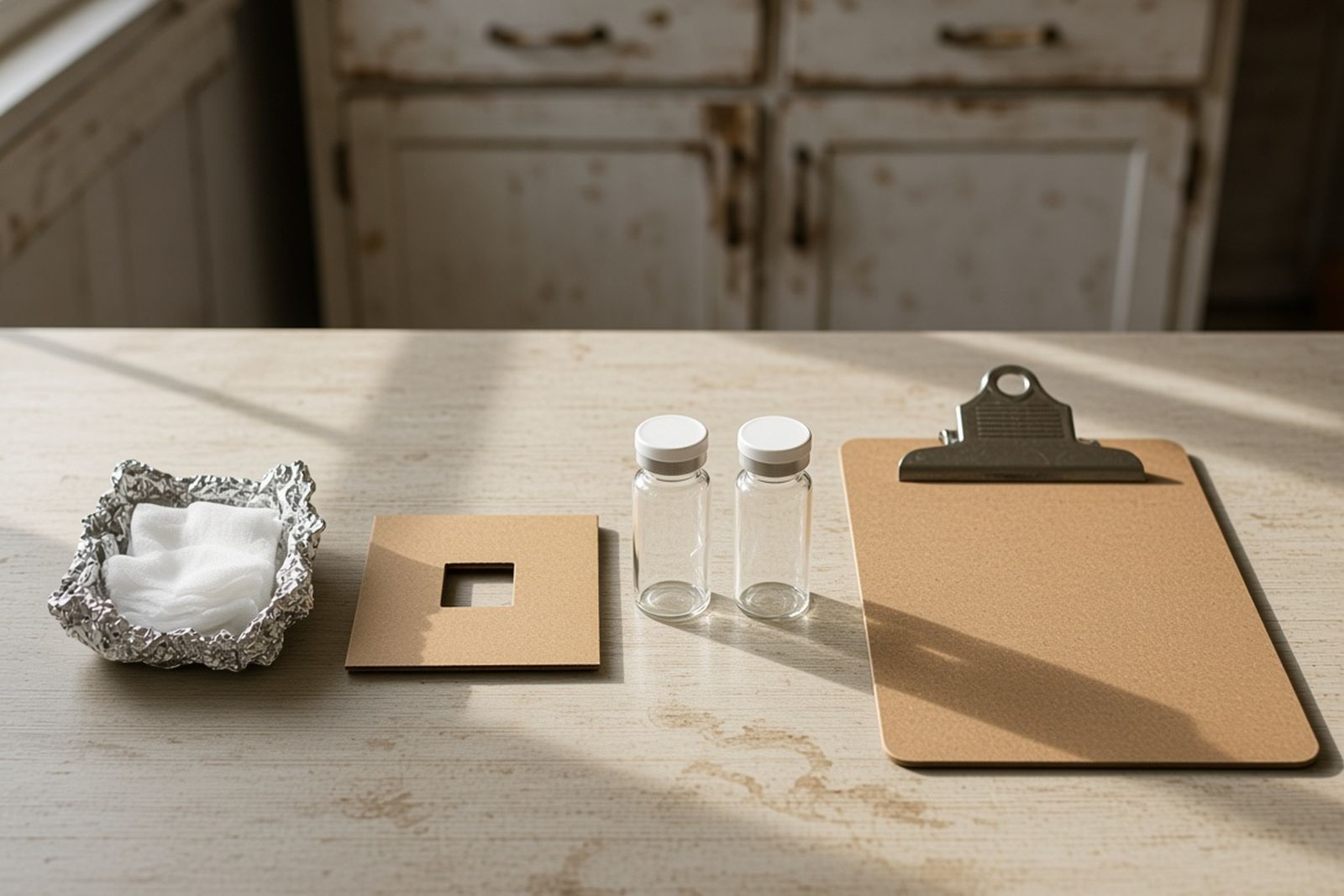
See how the inspection, chemical cleanup, duct work, and clearance testing fit together on a former lab or heavy-use home before you hire.
Costs explained
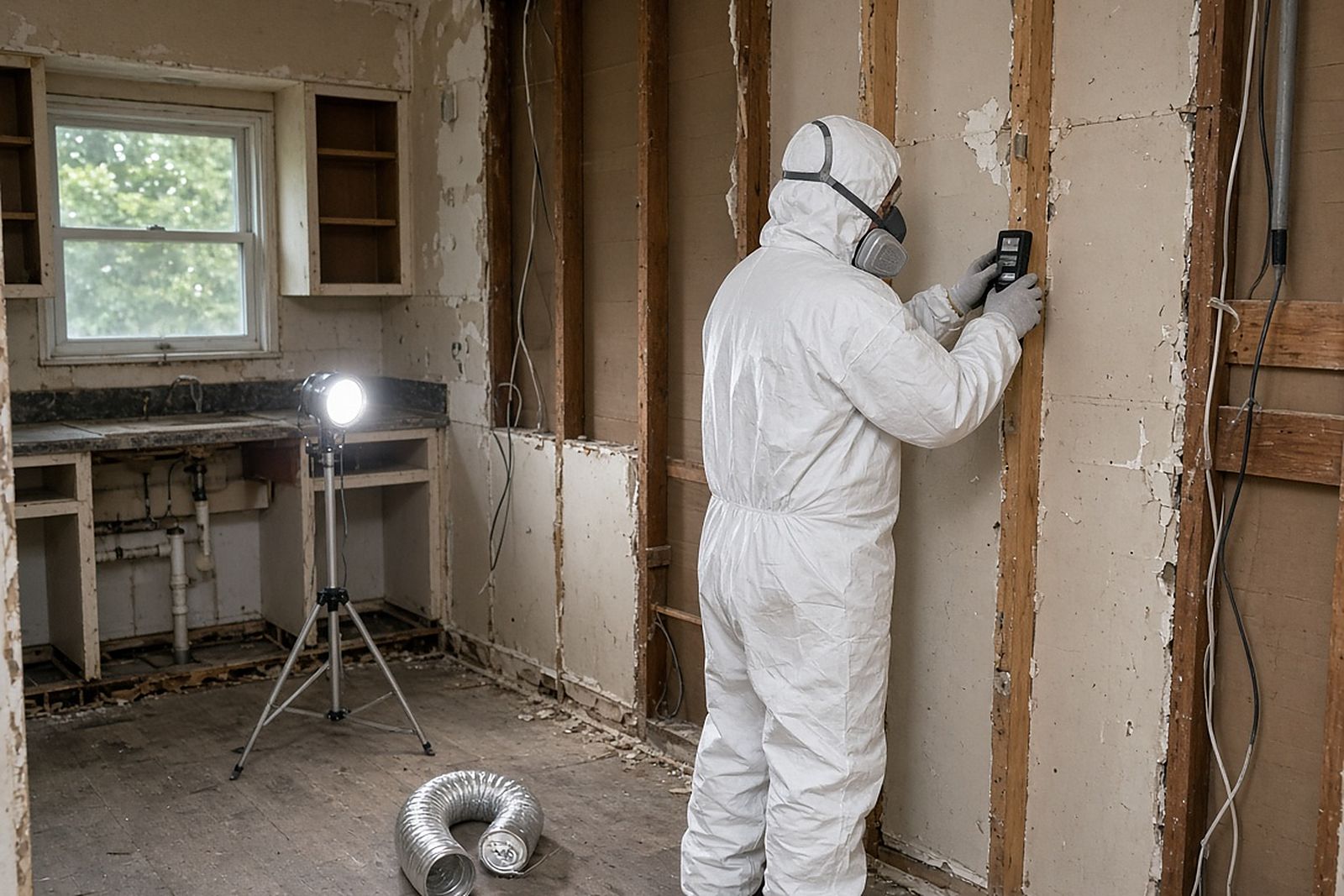
What drives the price, published cost ranges, and how to read a written quote line by line.
Insurance and payment
Which policies may respond, how to document a claim, and what to do if coverage is denied.
Community polls
See how other owners, buyers, and landlords think about disclosure, sampling, and contractor choice, then compare your own view with theirs.
Knowledge quiz
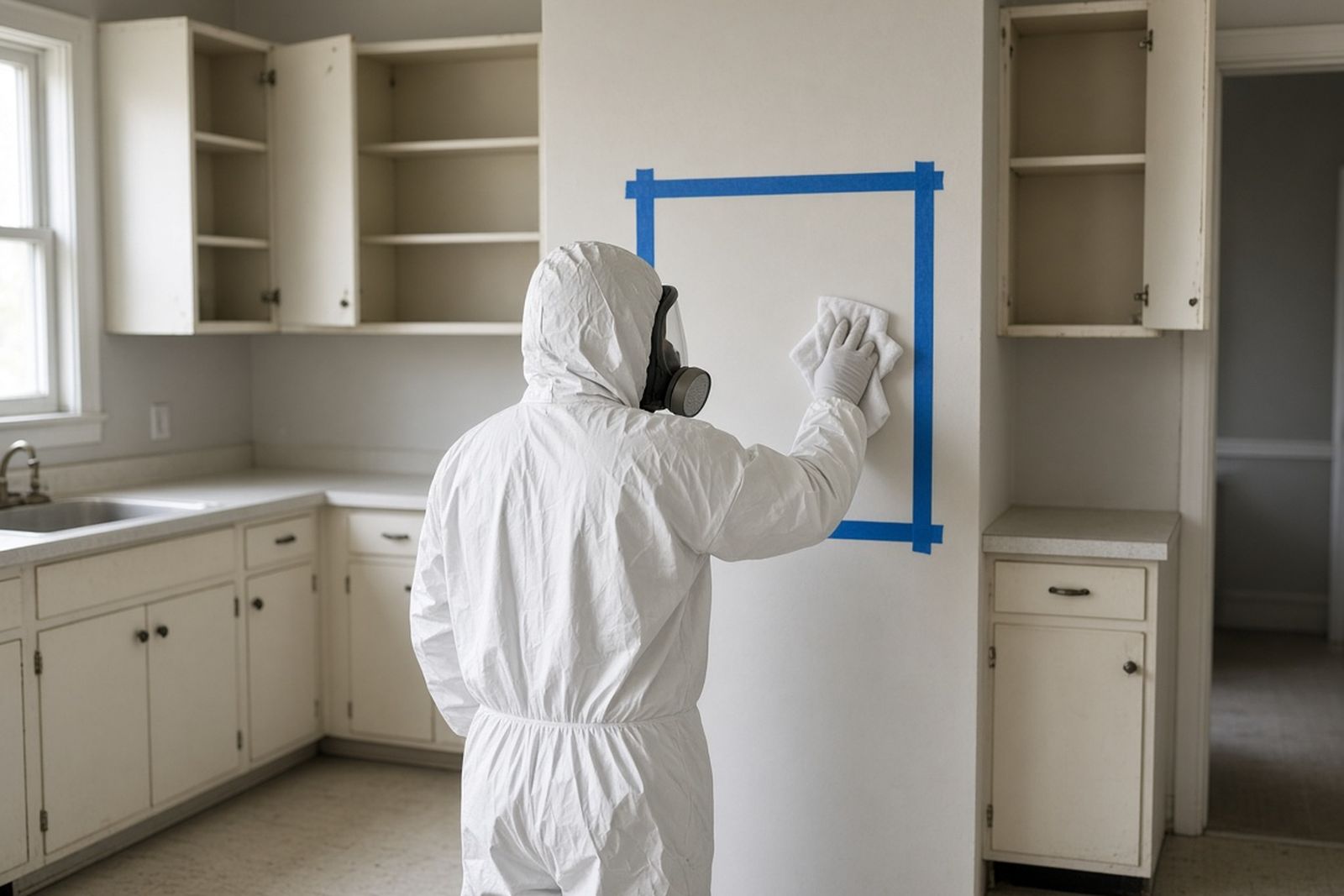
Test what you know before you talk with a provider. Topics include how residue spreads, state programs, sealing off work areas, cleanup steps, waste, and clearance records.
Articles and resources
Read plain explanations of state rule changes, testing questions, disclosure disputes, and lessons from real cleanups across the country.
Field guides
Dig into step-by-step guides on inspections, soft materials, and ducts. They also cover landlord duties and building a strong file for future buyers.
City guides
Find cleanup and testing providers who serve your area. Remember to check every credential directly with the state agency.