Short answer
Credentials matter in meth lab cleanup because the property's future depends on paperwork. Where a state certifies contractors, only certified firms may produce an accepted cleanup. Beyond that, look for hazardous-materials and respiratory training, independent sampling where required, an accredited laboratory, and a final report that ties each room to a sampling result. Without that file, selling, renting or refinancing can stall.
Why paperwork matters so much after meth contamination
In most kinds of cleanup, the finished room is the product. In meth lab cleanup, the finished room is only half of it. The other half is a set of documents showing that contamination was measured, removed and measured again, and that the result met the applicable standard.
Those documents are what a health department uses to lift a do-not-occupy order. They are what a buyer's agent, a lender or a new tenant may ask to see. In states with disclosure rules, they can shape how a sale proceeds. A buyer's attorney will usually want to see them before closing.
Credentials are the foundation of that paperwork. If the wrong person does the work or collects the samples, the file may not be accepted, even if the property is actually clean.
For a landlord, the file also matters to tenants. Someone deciding whether to sign a lease on a former lab deserves more than a verbal assurance, and a clear record lets you answer their questions honestly and specifically.
Do states certify meth lab cleanup contractors?
Some do. A number of states require companies that remediate former drug labs to be certified, licensed or listed by a health or environmental agency. In those states, the certification often comes with required training, a work plan format, reporting obligations and a list of approved methods.
Other states have no certification program, and some have no drug-lab cleanup law at all. Even among states that set a cleanup standard, the numbers differ, which shows how little the rules line up from one border to the next.
Ask your state health department whether contractor certification is required where your property sits. If it is, confirm the company's status directly with the agency rather than relying on a logo or a statement in an email.
Certification programs also tend to change over time as agencies revise standards or add fentanyl and other drugs to their rules. A company that was certified years ago may need to renew or complete new training, so check the date as well as the name.
Training the crew itself should have
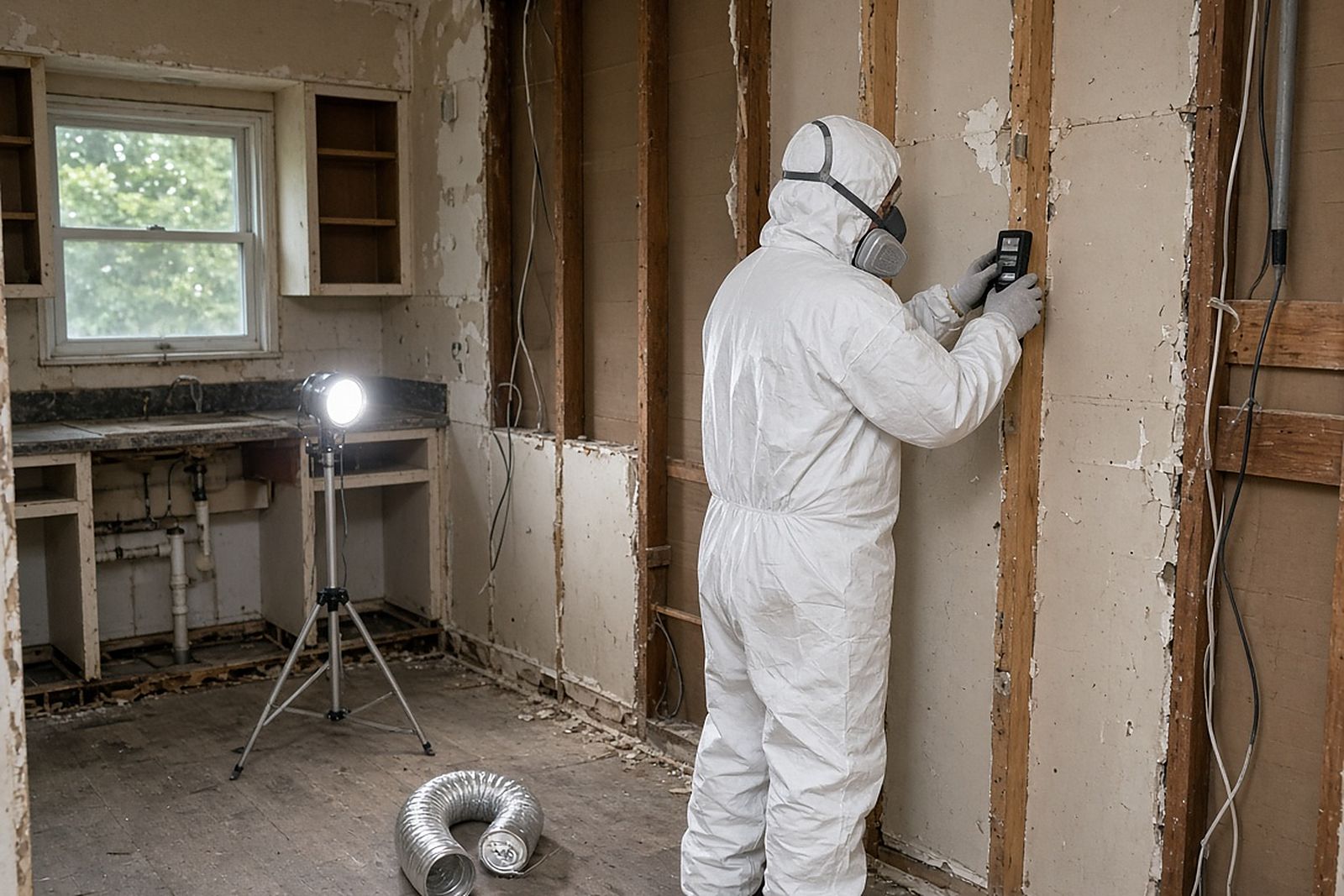
Former meth labs can contain more than methamphetamine residue. Depending on how the drug was made, there may be solvents, acids, corrosives, reactive metals or other chemicals stored or spilled on the property. Crews need training to recognize those hazards and protect themselves.
Ask what hazardous-materials training the crew has completed, whether workers are enrolled in a respiratory protection program with fit testing, and whether a supervisor with more advanced training will be on site. In certified states, the program usually spells out minimum training, and a company should be able to tell you how it meets it.
Also ask whether the crew is trained to recognize conditions that go beyond cleanup, such as remaining chemical containers or signs of an active operation. Those situations call for law enforcement or a hazardous-materials response team, not a remediation crew.
It is worth asking how the company protects neighbors and adjoining units during the work. In an apartment or duplex, residue can be carried on shoes, tools and debris into shared spaces. A trained crew sets up containment and a clean route in and out, and it can describe both before the first day.
Who collects the samples, and why it matters
Sampling is where the cleanup is graded, so the person collecting samples carries a lot of weight. Some states require clearance sampling to be done by a qualified person who is independent of the cleanup contractor. Others allow the contractor to sample but set rules for how it is done.
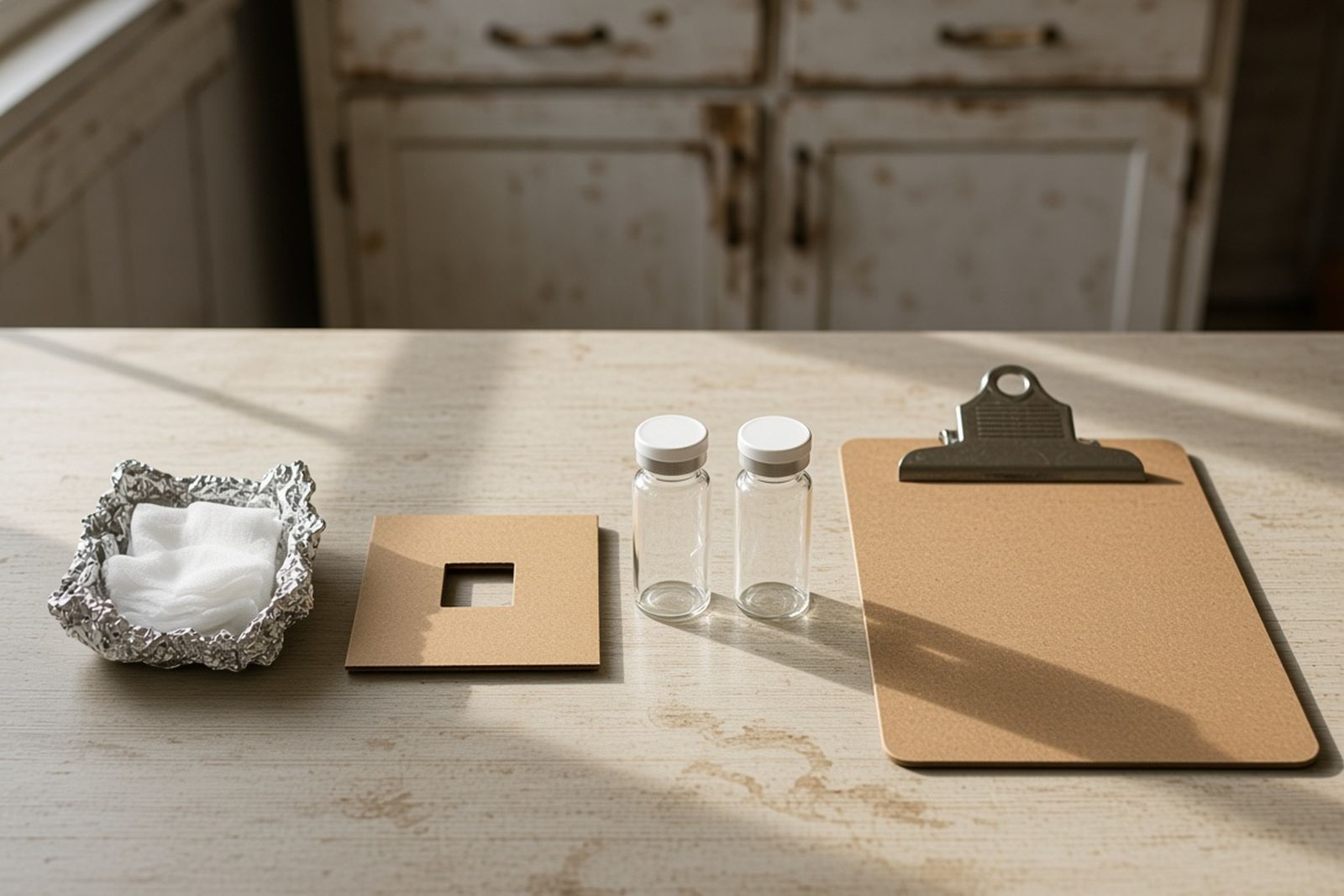
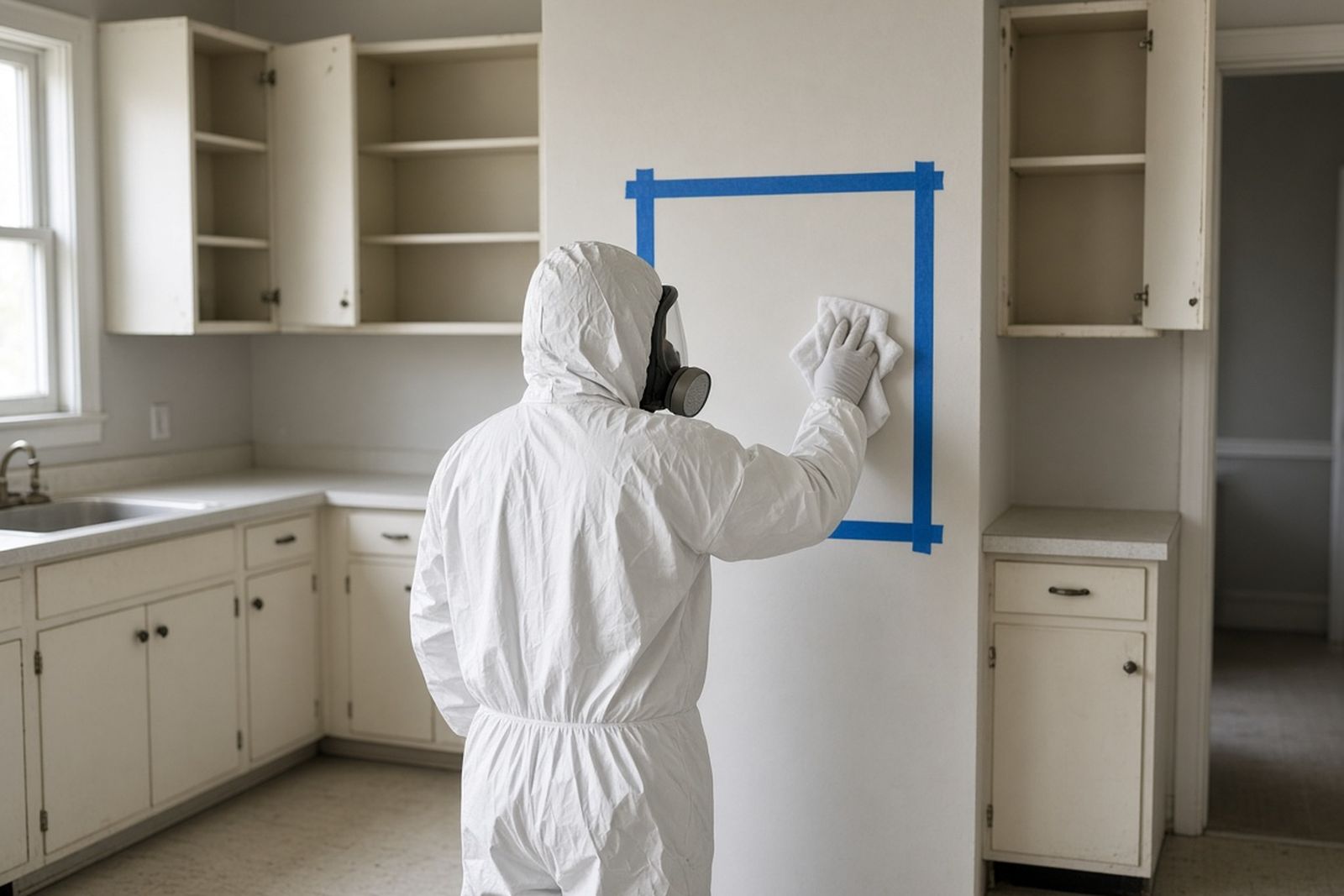
Whoever collects samples should follow a written protocol that specifies wipe materials, surface area, number and location of samples, and handling. Chain-of-custody forms should track each sample from collection to the laboratory. If any of those steps are skipped, the result can be challenged.
The laboratory matters too. Ask which lab will analyze the samples and whether it is accredited for methamphetamine analysis. A result from an unaccredited lab, or one without chain-of-custody documentation, may not satisfy an agency or a buyer's attorney.
You may also hear the term industrial hygienist. In some states, a certified industrial hygienist or similarly qualified professional performs assessments and clearance. Ask what qualifications your state expects the sampler to hold, and ask for proof that the person assigned to your property holds them.
A benchmark when your state has no rules
Where a state has no cleanup standard, a reputable contractor still needs a benchmark. Federal voluntary cleanup guidelines are a common starting point.
The guidelines are voluntary, which means no one enforces them in a state without its own rules. But a contractor who follows them, and says so in the work plan, gives you a defensible record that the job was done to a recognized reference.
A contractor who works in an unregulated state and cannot name any reference at all is essentially asking you to trust that the property is clean. That is a weak position if the property is ever sold or rented.
What a complete remediation file contains
When the job is finished, you should receive a file that would make sense to a stranger reading it years later. Formats vary by state, but a complete file often includes the following:
- The contractor's certification or license number, where applicable.
- The preliminary assessment and sampling report, with laboratory results by location.
- The written work plan, including the standard or reference used.
- A description of cleaning and removal performed in each room, including HVAC and plumbing.
- Photographs of conditions before, during and after work.
- Waste disposal documentation.
- The clearance sampling report, with laboratory results, sampler credentials and chain-of-custody forms.
- Any certificate, release or letter from the local authority lifting an order.
An illustrative sale that nearly fell apart
Consider an illustrative sale, not a real one. An owner sells a small house that had been a meth lab under a previous tenant. Years earlier, the owner hired a handyman to wash the walls and replace carpet but never had the property sampled.
During the sale, the buyer's inspector asks whether the home was ever tested. The owner has only a receipt from the handyman. The buyer's attorney asks for a clearance report. There is none.
The owner hires a certified contractor, who arranges preliminary sampling. Several rooms still exceed the state standard. The contractor cleans the ducts, washes surfaces and removes remaining porous materials, then an independent sampler collects clearance samples that pass.
The sale closes several weeks late, and the owner pays for the cleanup twice. Had the first job been done by a certified contractor with a proper file, the delay would likely have been avoided. The details are illustrative, but versions of this situation are not unusual.
Verifying credentials before you hire
Start with the agency. In states with a certification program, the health or environmental department often publishes a list of approved contractors and sometimes approved samplers. Call or check online, and confirm that the company's status is current.
Next, ask the company for its certification number, the names of the supervisor and crew, proof of hazardous-materials and respiratory training, and certificates of insurance. Because meth residue is a chemical contaminant, ask whether the company carries pollution or environmental liability coverage in addition to general liability.
Finally, ask for a sample of a past final report with private details removed. The quality of that document will tell you a great deal about what you will receive.
Keep a copy of everything you collect during this stage. If you ever need to show a buyer or agency that you chose a qualified firm, notes and screenshots of the agency listing can help.
Is a certified contractor always enough?
Certification sets a floor, not a ceiling. Two certified contractors can still differ in how carefully they sample, how they decide what to remove, how they handle the air system and how clearly they communicate.
Use certification to narrow your list, then compare the remaining companies on their work plans, their answers about failed clearance, their timelines and their references. Ask references whether clearance passed on the first attempt and whether the file was accepted without questions.
The goal is not just a clean house. It is a clean house that you can prove is clean, to anyone who asks, for as long as you own it.