Short answer
OSHA protects the workers who remediate a former meth lab, not the property. Crews are commonly trained under the hazardous waste operations standard, known as HAZWOPER, and work under OSHA rules for respirators, personal protective equipment and hazard communication. State meth cleanup programs often set their own contractor and clearance requirements on top of OSHA, so owners should check both layers.
Where OSHA fits among the meth lab rules
Owners of a former meth lab property quickly learn that several sets of rules overlap. Law enforcement handles bulk chemicals and evidence. State or local health agencies may post the property, set cleanup standards and decide when it can be reoccupied. OSHA sits alongside those programs with a narrower focus: the safety of the employees who enter and decontaminate the building.
That focus still affects you. The way a contractor trains, equips and supervises its crew determines whether residue is removed carefully or smeared from room to room. A crew that follows worker-safety rules is also a crew that thinks about containment, waste separation and documentation.
OSHA does not set the methamphetamine surface level a home must meet before people can live in it again. Those numbers come from state programs. Those limits differ from state to state, and OSHA is not the agency that decides them.
Why is HAZWOPER training so common in meth lab remediation?
The Hazardous Waste Operations and Emergency Response standard, 29 CFR 1910.120, covers work at sites involving hazardous substances and cleanup operations. Former meth labs can contain residues of solvents, acids, bases, reactive metals and the drug itself, so many remediation firms train their crews to HAZWOPER levels as a baseline.
HAZWOPER-style training covers site characterization, decontamination procedures, protective equipment, medical surveillance and emergency planning. It gives technicians a shared vocabulary for work zones, such as an exclusion zone where contamination is present, a reduction zone where people and equipment are cleaned, and a support zone that stays clean.
Whether HAZWOPER formally applies to a particular residential cleanup can depend on the circumstances and on how your state structures its program. Some state meth programs reference specific training for certified contractors. Ask the contractor which training their technicians hold and why it fits your property.
Five other OSHA standards that come up
Beyond HAZWOPER, several general industry standards shape daily work inside a contaminated home. Each one addresses a specific part of the hazard.
- Respiratory Protection, 29 CFR 1910.134: written program, medical evaluation and fit testing for respirators used during sampling, removal and washing.
- Personal Protective Equipment, 29 CFR 1910.132: a written assessment explaining the chemical-resistant suits, gloves, boots and eye protection chosen for the job.
- Hazard Communication, 29 CFR 1910.1200: safety data sheets and labels for detergents, encapsulants and other products used during decontamination.
- Bloodborne Pathogens, 29 CFR 1910.1030: applies when used needles or other potentially infectious materials are found, which is common in properties where drugs were used.
- The General Duty Clause: covers recognized hazards such as heat stress in impermeable suits, damaged electrical systems and weakened structures.
How dangerous are former labs for the people who work in them?
The risks are documented. A CDC MMWR report in 2015 found that five states reported 1,325 meth-related chemical incidents from 2001–2012; 87 of them injured 162 people, including at least 26 children. The same report noted that of people injured in meth-related chemical incidents, 84% were treated at a hospital.
Most of those incidents involved active or recently abandoned labs rather than remediation projects, but they show why OSHA frameworks matter. Crews entering a property may encounter leftover containers, stained surfaces that react with cleaning products and residue that can be absorbed through skin or inhaled with dust.
The safest contractors treat every unknown container as a stop sign. They do not open, move or pour out anything they cannot identify. If bulk materials are still present, the job pauses until law enforcement or a hazardous materials team removes them.
What a compliant crew looks like on site
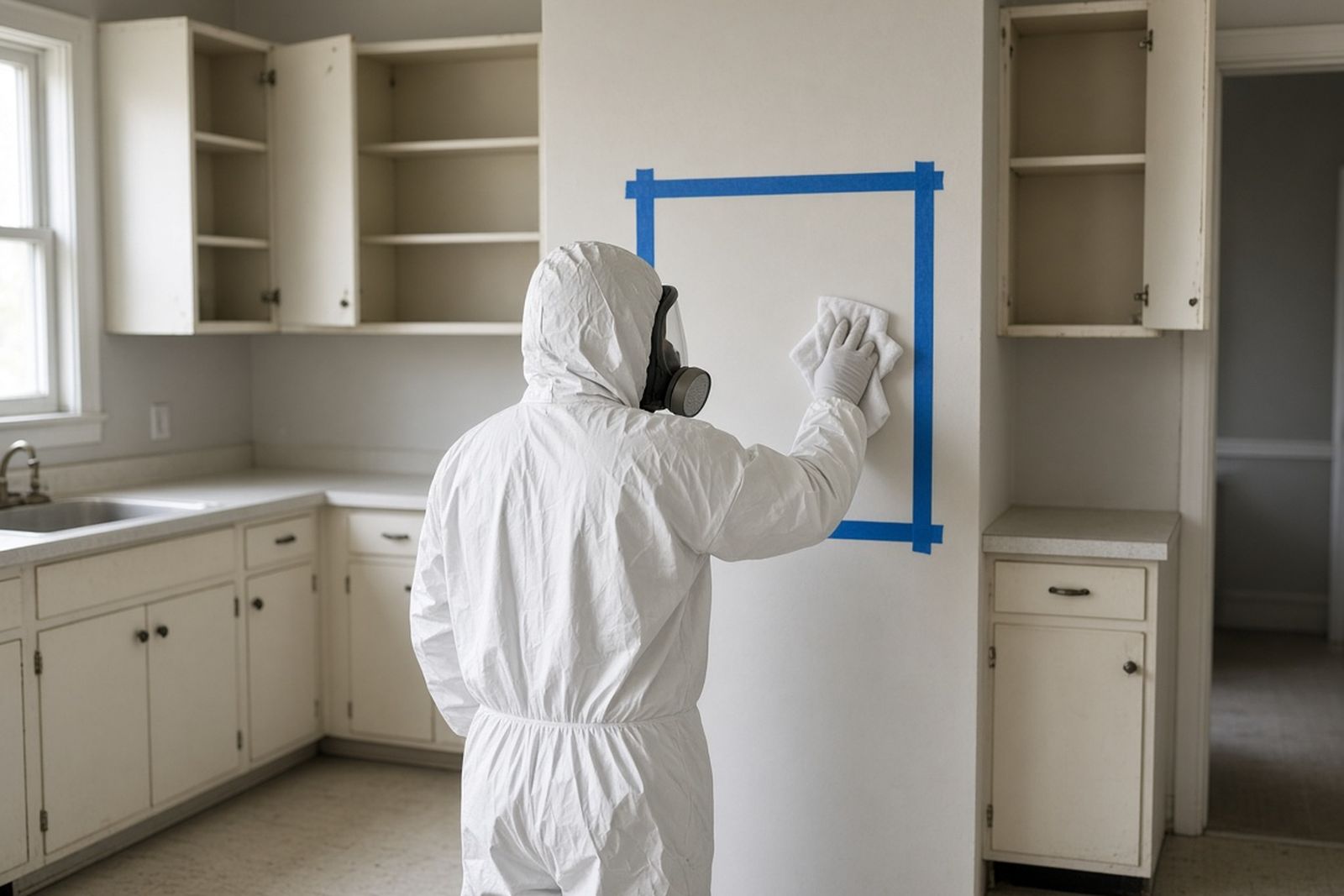
You can often tell a lot about a contractor's safety culture by watching the first day. A well-run crew sets up a clear entry and exit path, establishes a place to remove and bag contaminated gear, and keeps the HVAC system off until it has been evaluated.
Technicians wear protective suits and respirators matched to the task, and they change gloves frequently. Removed materials are bagged at the point of removal instead of being carried loose through clean areas. Supervisors watch for heat stress, because impermeable suits trap body heat quickly, and schedule breaks outside the contaminated zone.
Decontamination of people and tools is part of the plan, not an afterthought. Crews wash or dispose of gear before leaving, and they avoid taking contaminated clothing to vehicles or homes. These habits protect workers' families as much as the workers themselves.
Why owners should not send in their own workers
Owners eager to save money sometimes plan to have a regular handyman pull carpet or repaint before the certified contractor arrives, often while the county still has the house posted as unfit for occupancy. It is one of the most common and most costly impulses on these jobs.
That handyman would be working in a contaminated structure without respiratory protection, protective clothing or training. Disturbing surfaces early can also spread residue and complicate a state-required work plan. And because a paid handyman is the owner's worker, the owner may be taking on employer responsibilities he or she is not prepared for.
The better course is to wait. Let the certified crew remove carpet and other porous materials under containment and wash hard surfaces, and let the independent sampler collect clearance samples afterward. Well-meaning early work tends to create worker exposure and extra cost.
Are samplers, HVAC technicians and rebuild crews covered too?
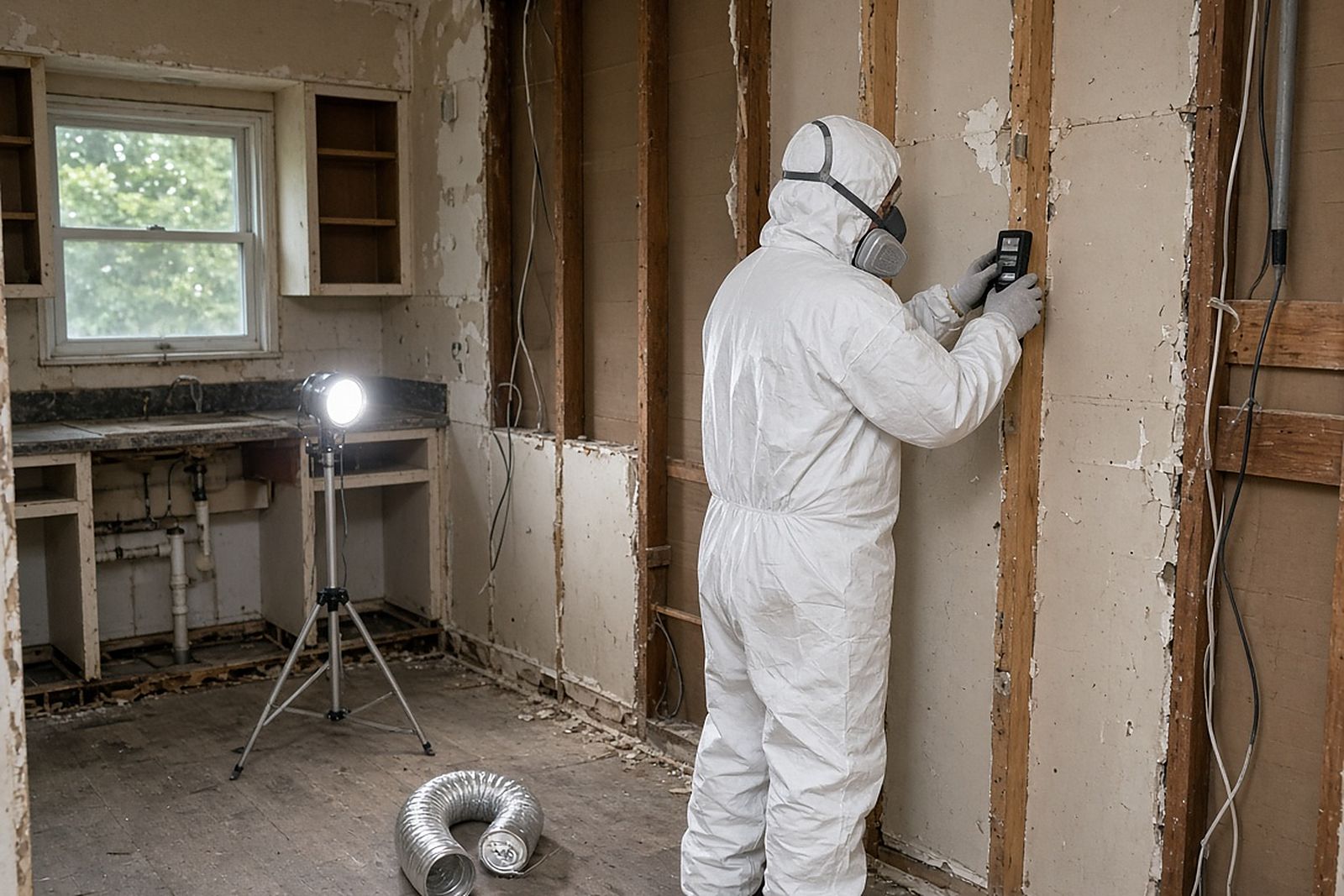
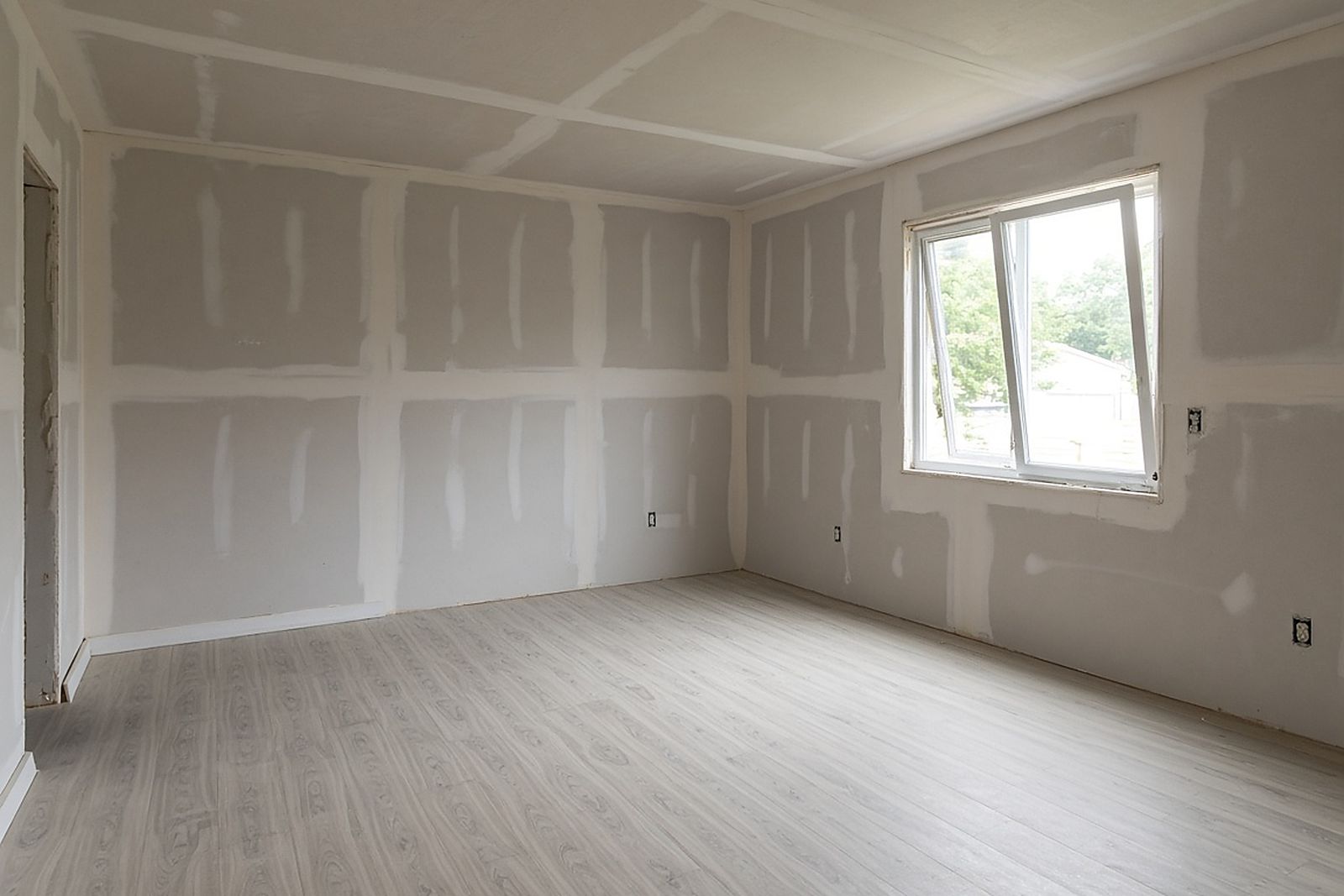
Remediation is rarely a one-company job. An independent sampler or industrial hygienist may collect wipe samples before and after cleaning. An HVAC contractor may clean or replace ductwork. Drywall, flooring and painting crews may rebuild after porous materials are removed. Each of those workers is employed by someone, and each employer carries its own OSHA duties.
The timing of their entry matters. A drywall crew brought in before clearance may be walking into residue without the respirators or suits the remediation crew wore. An HVAC technician who opens a return plenum during cleaning could disturb contaminated dust. Coordinating the sequence protects every trade on the property.
Sequencing the trades
As the owner or property manager, you are often the one scheduling these trades. Tell each company that the building is a former meth lab, share the sampling results you have and ask whether its workers are trained and equipped for that environment. Some rebuild contractors will decline until clearance is documented, which is a reasonable answer.
Keep a simple log of who entered the property, when and for what purpose. If questions arise later about exposure or about whether work was done in the right order, that log will be far more useful than memory.
State programs vs OSHA
State programs and OSHA tend to operate in parallel. A state may require a certified contractor, a filed work plan, specific cleaning methods and clearance sampling by an independent party, while OSHA covers the training, equipment and health surveillance of the employees doing the work.
Some states run their own OSHA-approved plans that add requirements for employers. Local health departments may also impose conditions before a property is released. Because these layers differ widely, the correct approach is always local.
Ask both the drug-lab program at your state or county health department and your contractor which program governs your property and what documentation each expects at the end.
What to request from a contractor, and why it matters
Before signing a contract, gather a few items that demonstrate both OSHA compliance and alignment with your state program. Keep copies with your property records.
OSHA will not tell you when your property is safe to occupy, but it does tell you a great deal about how your contractor operates. A firm that trains, equips and supervises its crew under OSHA standards is more likely to follow state cleanup procedures faithfully and to leave records you can rely on during a sale or re-rental.
Stay out of the property until clearance, keep others out as well and let the professionals handle every step from removal through final washing. Your patience protects the workers, future occupants and your own legal position.
- Training certificates for each technician, including any HAZWOPER and state-required courses.
- A written respiratory protection program and current fit-test records.
- The written PPE hazard assessment for your property.
- Safety data sheets for all products planned for use.
- Proof of state certification or licensing, where your state requires it.
- A copy of the work plan submitted to the health department, if one is required.
- Confirmation of workers' compensation and liability insurance.