Short answer
Enzyme and microbial products are designed to digest organic soil such as urine, food and grease. They are not an established method for removing methamphetamine residue, and no product should replace HEPA vacuuming, detergent washing, removal of porous materials and laboratory clearance sampling. They may help with separate biological problems at the same property once the chemical cleanup is handled.
Why enzyme products are being pitched for meth
Biological cleaners have a good reputation in restoration work. They handle pet odors, food spills and organic stains well, and they are often described as green or gentle. It is natural for marketers to extend those claims to other contamination problems, and some product descriptions now mention drug residue.
The difficulty is that methamphetamine is a synthetic chemical, not the kind of organic soil most enzyme cleaners are designed to digest. A product built to break down proteins in urine or fats in grease has no particular reason to break down a stable pharmaceutical compound bound to drywall paper or paint.
Scientists have studied whether certain microorganisms can degrade methamphetamine and related compounds under laboratory conditions. That research is interesting, but it is not the same as a proven, accepted field method for cleaning a house to a numeric standard.
Owners are often most receptive to these pitches when they are overwhelmed and hoping for a simpler answer. Recognizing that pressure in yourself is the first defense against a product that sounds easier than the proven method.
The accepted method instead
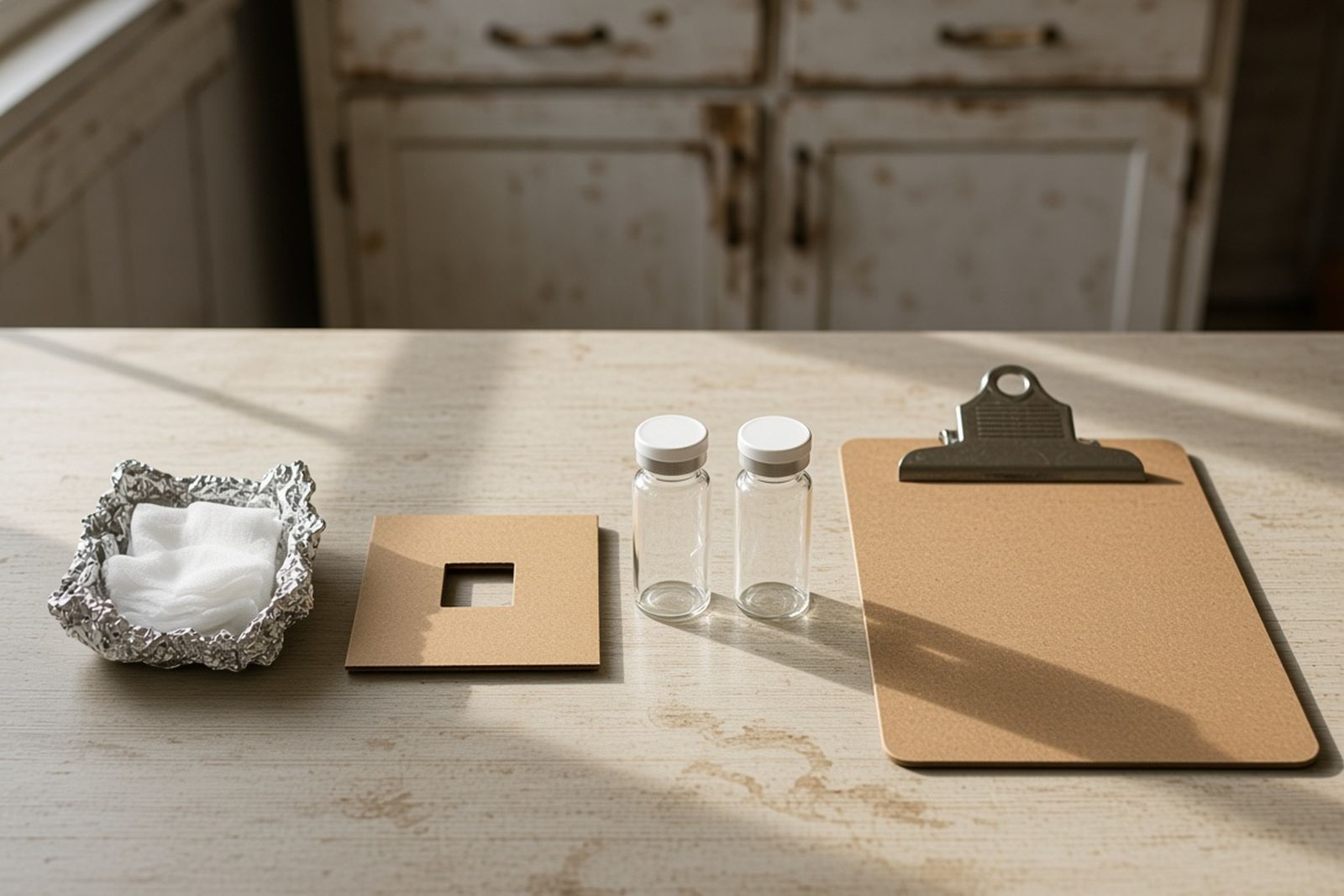
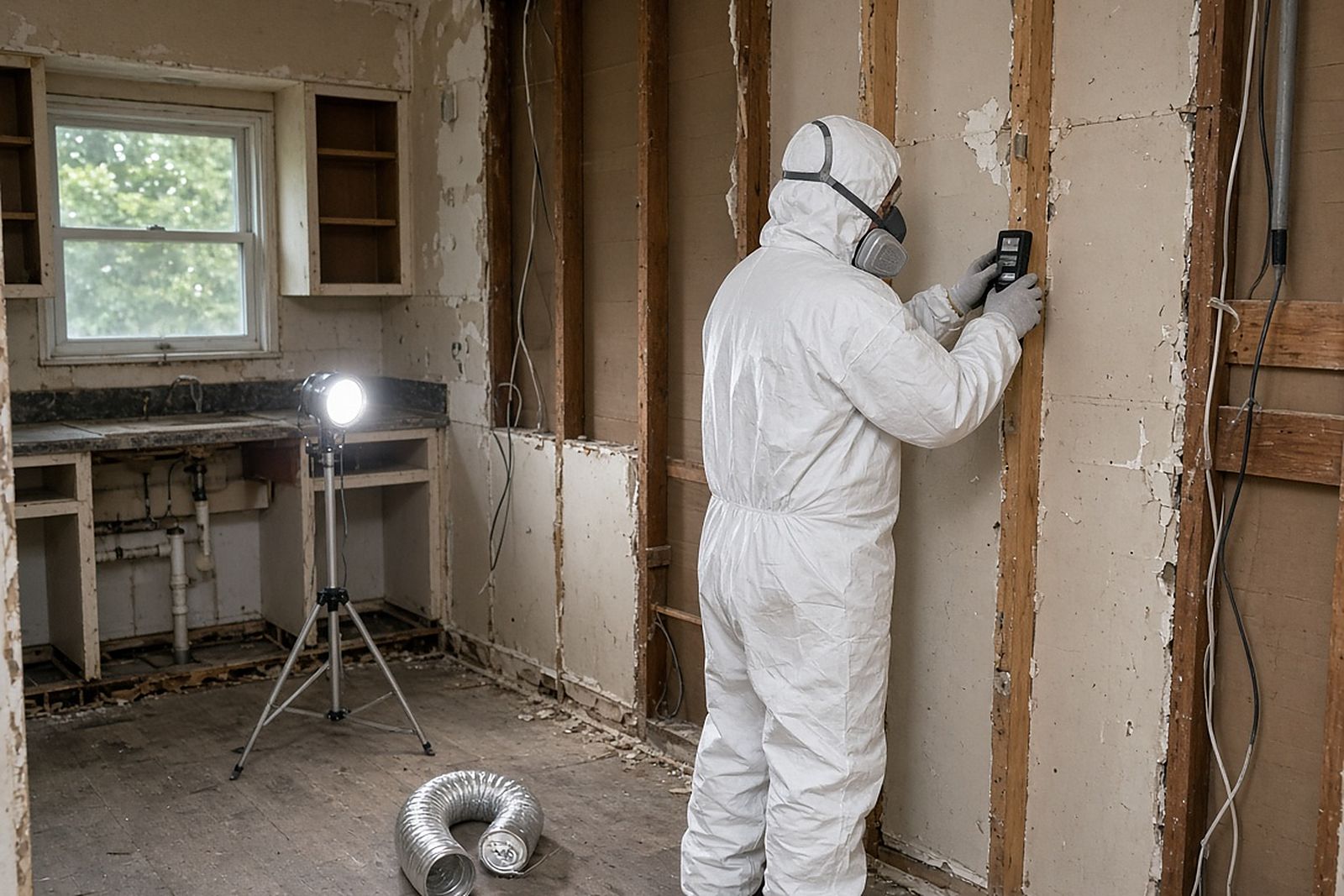
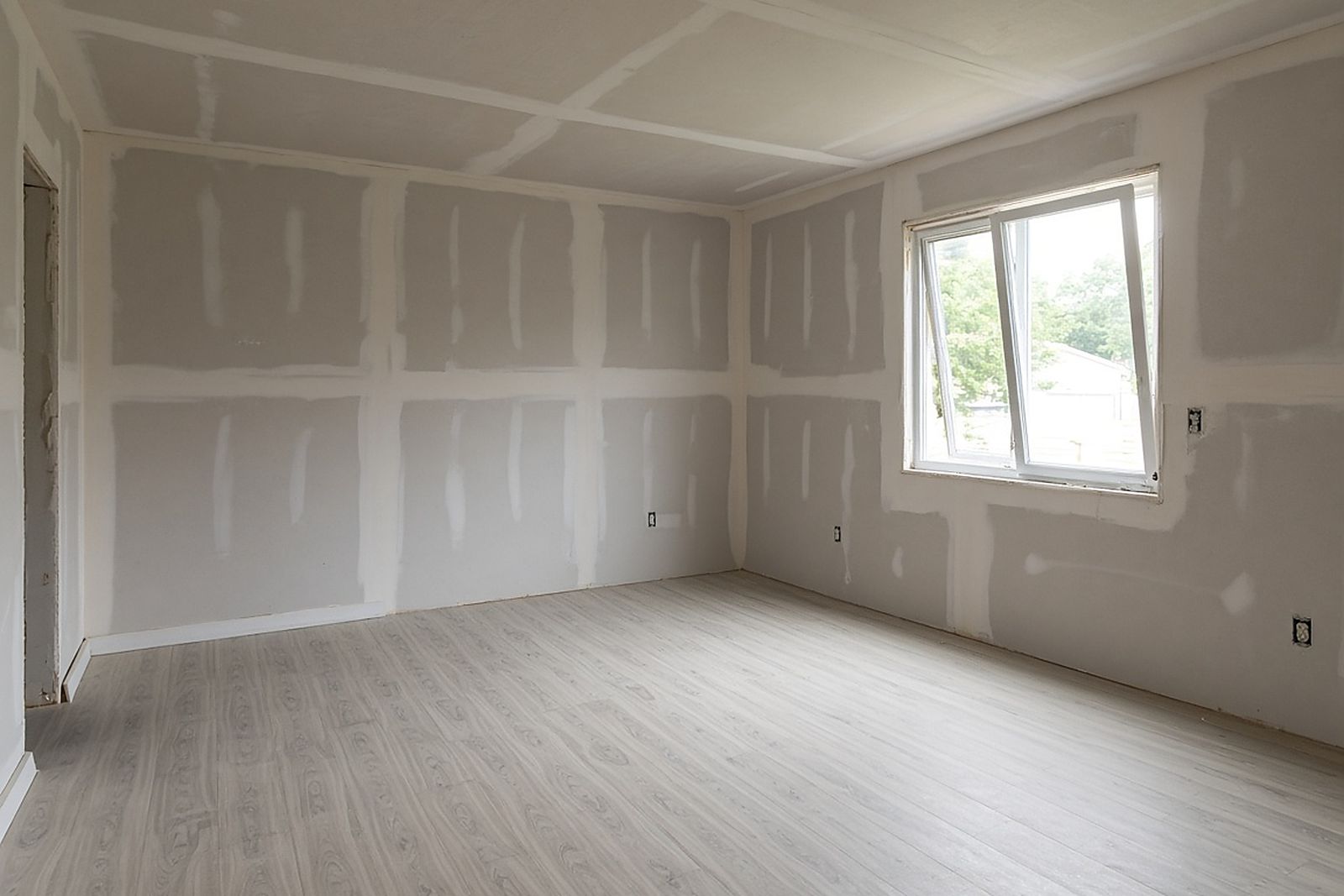
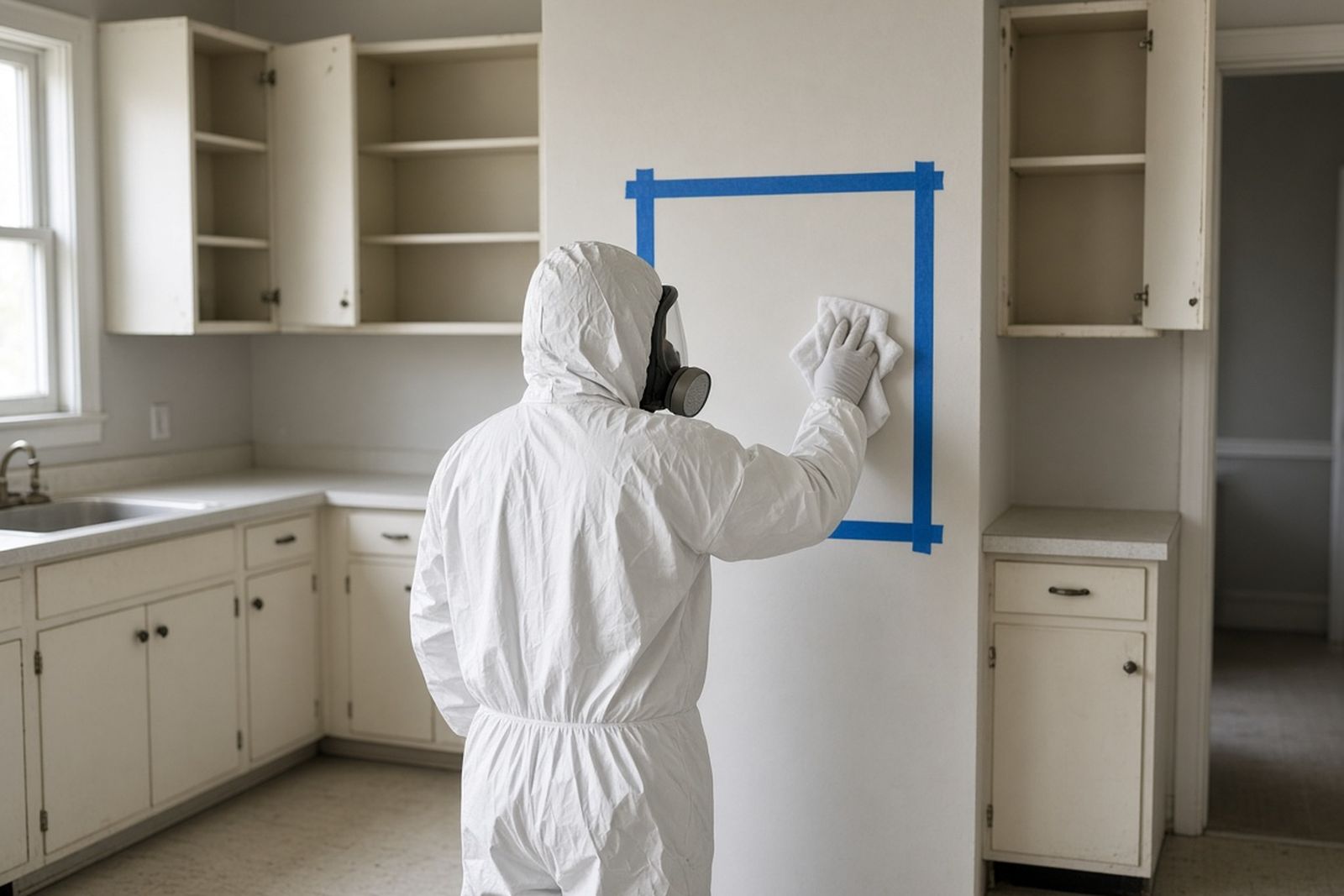
The approach used in state programs and federal voluntary guidance is physical: remove what cannot be cleaned, then clean what remains, then prove the result with sampling. That typically means HEPA vacuuming, repeated detergent washing of hard surfaces, removal of carpet, pad and heavily contaminated drywall or insulation, cleaning or replacing HVAC components and addressing plumbing traps where waste may have been poured.
The finish line is a numeric standard, and it differs by jurisdiction. Washington State's Department of Health, for example, reported in 2025 that its methamphetamine decontamination standard is 1.5 µg per 100 cm², which the state says was based on negative health effects found in people. Other states use lower numbers.
Your state or county drug-lab program can confirm which standard applies and which cleaning methods it accepts. If a product is not part of an accepted method, its use will not substitute for passing clearance samples.
- Assessment wipe sampling to map contamination.
- Removal of porous reservoirs such as carpet, pad and saturated drywall.
- HEPA vacuuming before any wet cleaning.
- Repeated detergent washing from top to bottom with fresh solution.
- HVAC and plumbing work where results or history call for it.
- Independent clearance sampling analyzed by an accredited laboratory.
Why does it matter if a product has not been proven?
The stakes are health. A property that looks clean but still carries residue can expose the next occupants, particularly young children who spend time on floors and put their hands in their mouths.
The CDC's MMWR described a case in 2016 in which a family of five living in a former meth lab in Victoria, Australia had methamphetamine surface levels of 11.7 to 26.0 µg/100 cm² in the home, versus the 0.5 µg guideline. The report associated adverse health effects in family members with living there. That family's home had not been properly remediated before they moved in.
An unproven treatment that gives a false sense of completion can lead to exactly that kind of outcome. It can also cost you twice, once for the treatment and again for proper cleaning after the property fails clearance or a later buyer's test.
Legitimate uses, and how to weigh green claims
Properties connected to manufacturing or heavy use sometimes have problems that are genuinely biological. An abandoned home may have spoiled food, pet waste from animals left behind, soiled bedding or bathrooms that were not maintained. Those residues respond to cleaning and, where odor persists, to enzyme treatment.
In that situation, biological products are used for the biological problem, on the surfaces where it exists, after the methamphetamine cleanup steps for those surfaces are done. They are a finishing step for odor and organic staining, not part of the chemical decontamination.
Keep the two tasks separate in the work plan and invoice so no one later mistakes an odor treatment for drug residue removal.
Many owners prefer gentle products, especially when children or pets will live in the home. That preference is reasonable, and it does not conflict with an effective meth cleanup. Ordinary detergents used in systematic washing are not exotic chemicals, and the heavy lifting in this work is done by removal and repeated washing rather than by harsh treatments.
Where the green framing becomes a problem is when it is used to skip steps. A product can be low in toxicity and still fail to remove residue. The measure of success is not how the product is labeled but whether clearance samples pass.
If environmental impact matters to you, ask about the things that make the largest difference: removing only what sampling shows must go, managing rinse water properly and choosing a contractor who tracks where debris ends up. Those choices usually matter more than the brand of cleaner on the truck.
It is also fair to ask what personal protective equipment the crew will wear. A product advertised as gentle does not change the fact that workers are handling surfaces coated with drug residue, and a contractor who skips respiratory protection because the cleaner is plant-based has misunderstood the hazard.
Effects on sampling, and septic systems
Any product left on a surface can complicate later work. A residue from an enzyme or microbial product could interfere with how a surface is wiped or how a paint or encapsulant adheres. Ask the contractor whether a product needs to be rinsed off and whether the sampler should be told it was used.
Sequence matters as well. Detergent washing for methamphetamine should come before any biological odor treatment in the same area, and clearance samples should be collected according to the sampler's protocol, which may call for surfaces to be dry and free of added products.
Coordinate with the independent sampler before introducing any extra product so the clearance results remain valid.
Septic systems at former lab properties raise special concern, because waste chemicals may have been dumped into them. Adding a biological septic treatment will not neutralize solvents, acids or drug residues in the tank.
If there is any sign that lab waste went into the septic system, the tank and possibly the drain field should be evaluated, and the environmental or health agency with jurisdiction may need to be involved. Contaminated contents are pumped and disposed of by a hauler authorized to accept them.
Only after that evaluation and any required cleanup would ordinary septic maintenance, including biological additives if the owner chooses, be appropriate.
An illustrative case: a green-cleaning bid for a smoking-only house
The following case is illustrative rather than real. A homeowner buys a small house and learns from a neighbor that the previous occupant smoked methamphetamine heavily inside. A screening kit shows residue in the living room and main bedroom.
One contractor proposes a plant-based enzyme spray applied to every wall and ceiling, left to dry and followed by a fragrance-free deodorizer. The contractor says no testing is needed afterward because the product is guaranteed to work. The price is low.
The homeowner calls the county health department, which refers her to the state's list of qualified samplers. Assessment sampling confirms residue above the state standard in four rooms and at the HVAC registers. A second contractor proposes carpet removal, HEPA vacuuming, three detergent washes, duct cleaning and independent clearance sampling.
The homeowner chooses the second bid. All rooms pass clearance after one rewash of the bedroom ceiling. The only biological product used is an enzyme cleaner in the bathroom, where the previous occupant's dog had left long-standing urine stains, applied after the meth cleanup in that room was finished.
Questions for a contractor who proposes biological products
Ask whether the product is intended to remove methamphetamine or to address a separate biological problem. If it is meant for methamphetamine, ask for independent evidence, whether your state or local program accepts it and whether independent laboratory clearance sampling will still be performed.
Ask where and when the product will be applied relative to detergent washing, whether it needs to be rinsed and whether the sampler has been consulted. Ask for the product label and safety data sheet.
A careful contractor will describe biological products as a limited tool for organic soil and will rely on proven physical methods and clearance sampling for the drug residue. A contractor who describes them as a complete solution for meth contamination is giving you a reason to keep looking.