Meth Lab Cleanup: Education
Science and technology used in some meth lab cleanup scopes, with explicit limits for ATP, disinfectants, enzymes, fogging, air equipment, and moisture tools.
Education posts explain the chemistry and testing ideas behind meth lab cleanup. That way you can follow what a tester or contractor tells you. Articles describe how residue from making or smoking meth settles onto surfaces and soaks into soft materials. They explain why cleaning and disinfecting mean different things when the problem is chemicals. They show how wipe tests report results against a standard. Others explain the limits of quick swab tests for organic residue, which do not detect meth. They cover how to judge equipment and newer technology. They also explain why enzyme or microbe-based products are usually not a fit for meth contamination.
Get an email reply about meth lab cleanup
Send a short message to the follow-up inbox. A coordinator can reply by email. This form does not send emergency help; call 911 first if anyone is in danger.
This background helps you judge whether a proposal deals with the real problem. A contractor who talks mostly about sanitizing, fogging, or odor removal may be treating a chemical problem like a germ problem. Meth residue must be physically removed and then confirmed through lab testing. Once you understand that, you can ask sharper questions about wash methods, material removal, and where clearance wipes will be taken. That knowledge also protects you from buying services that sound comforting but make no measurable change in residue. It also explains why a strong smell is not a reliable sign of contamination. A house with no smell can still fail testing.
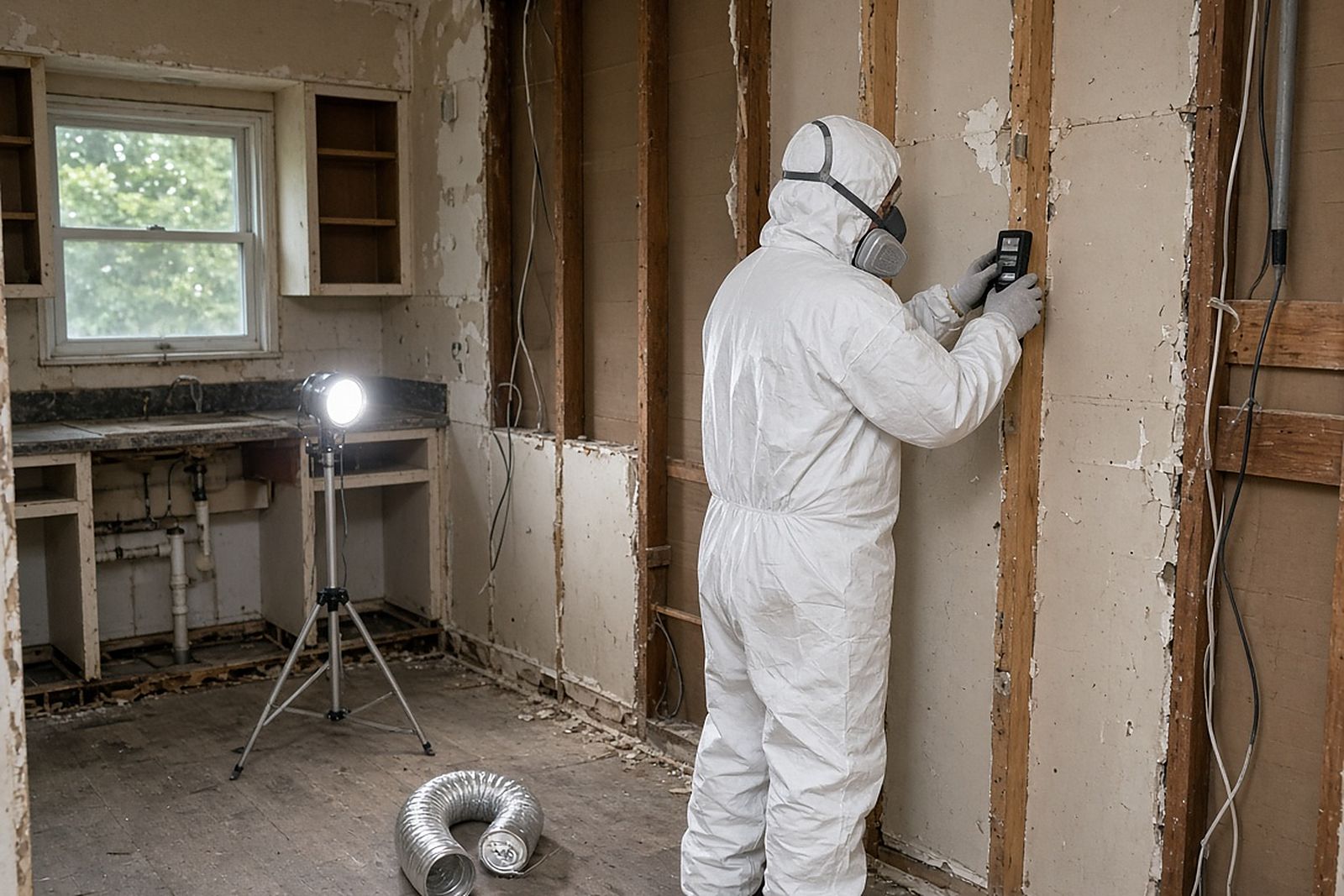
The Science Behind Meth Lab Cleanup
How meth residue settles into walls, carpet and ducts, why it lingers for years, and how wipe sampling, detergent washing and clearance limits fit together.
Meth lab cleanup rests on a simple chemical fact: methamphetamine and production byproducts deposit on and soak into indoor surfaces, where they persist far longer than most people expect. Remediation measures that residue with wipe samples, removes it through HEPA vacuuming, repeated detergent washing and removal of porous materials, and then confirms the result against a numeric state or program limit.
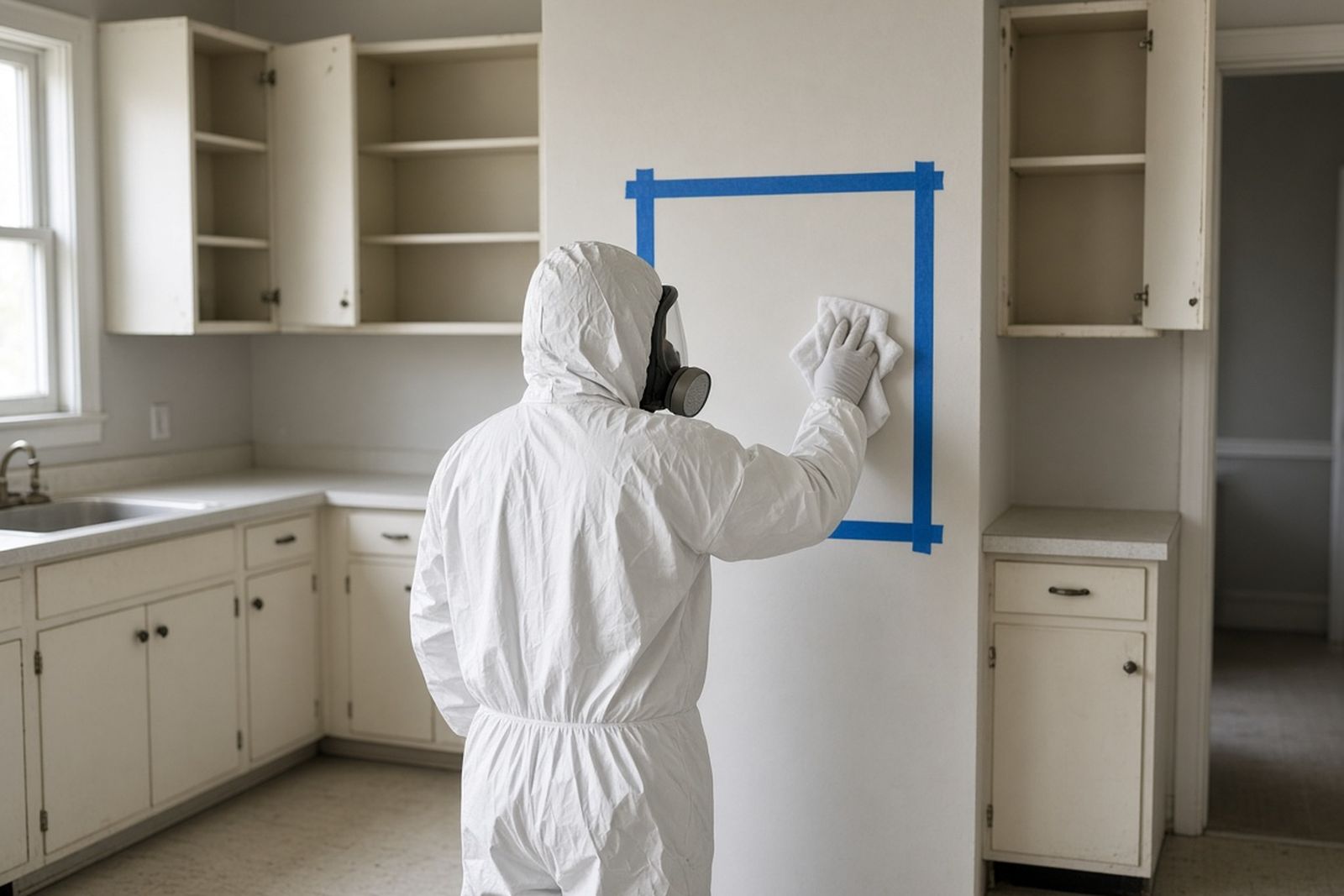
How to Evaluate Equipment Proposed for Meth Lab Cleanup
Wipe sampling kits, HEPA vacuums, negative air, respirators, detergent systems and encapsulants: how to judge equipment in a meth lab cleanup proposal.
When a contractor proposes equipment for meth lab cleanup, check that it supports the three things that matter: measuring residue with proper wipe sampling and chain of custody, removing it with HEPA vacuums, detergent washing and containment, and protecting workers with respirators and chemical-resistant suits. Encapsulants and odor tools should come after cleaning, never instead of it, and every item should fit your state's program.
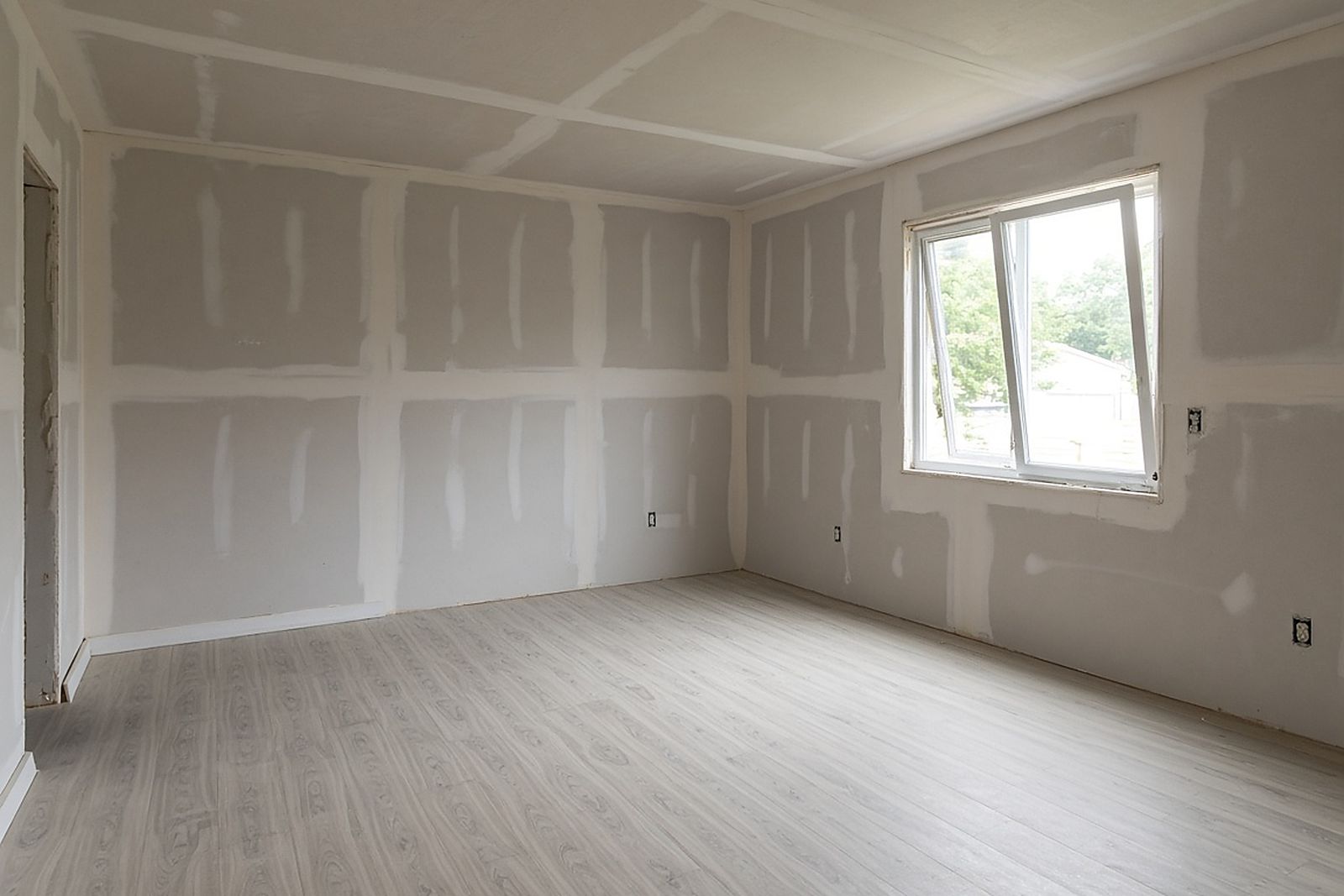
The Difference Between Cleaning and Disinfection in Meth Lab Cleanup
Meth residue is a chemical, not a germ, so disinfectants do not remove it. Why meth lab cleanup relies on washing, removal and sampling instead.
In meth lab cleanup, disinfection is usually not the main goal, because methamphetamine residue is a chemical rather than a living microorganism. A germ-killing product leaves meth molecules right where they were. What matters is cleaning: HEPA vacuuming, repeated detergent washing and removal of porous materials, confirmed by laboratory wipe sampling. Disinfection becomes relevant only when a property also has biological hazards such as needles or bodily fluids.
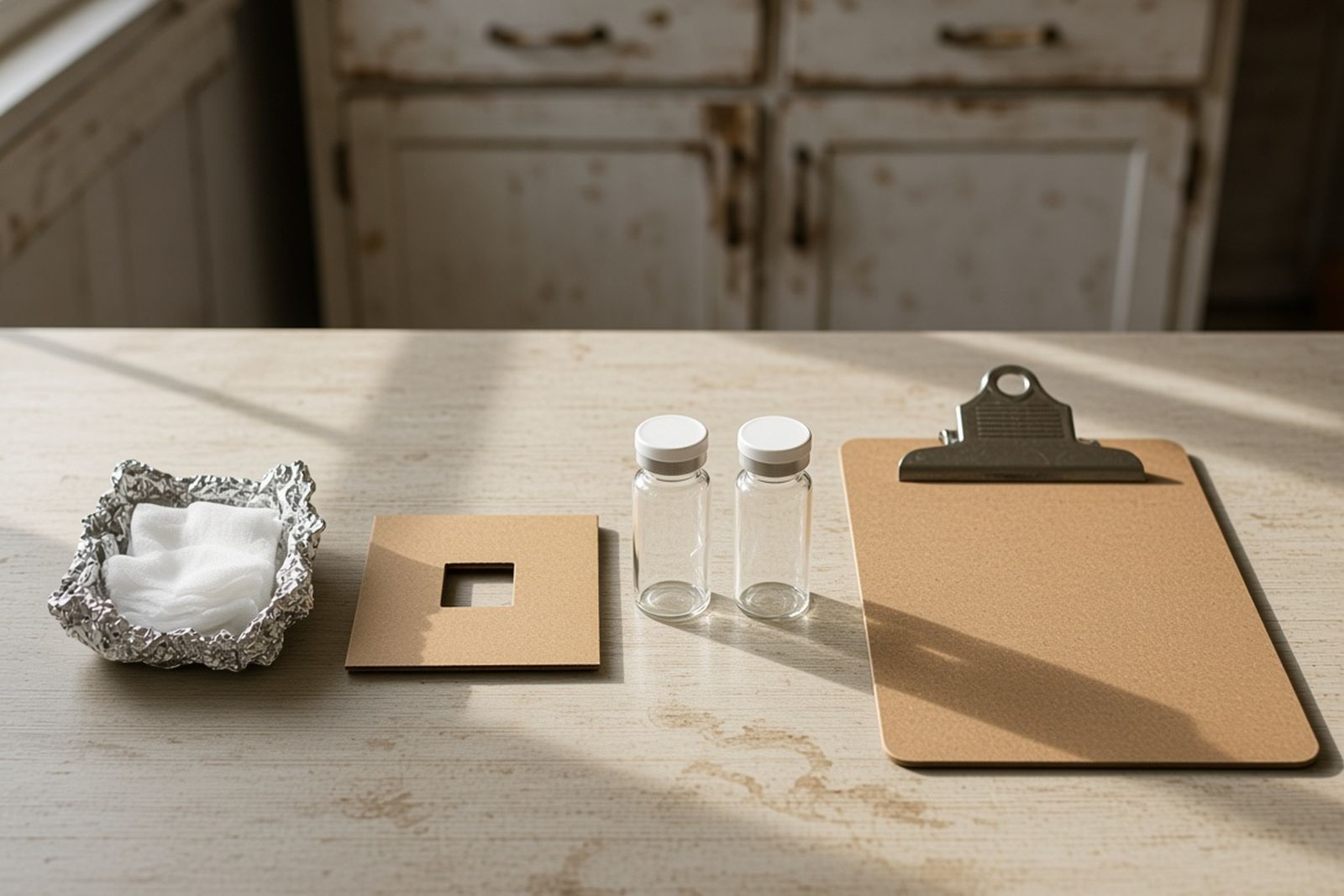
When ATP Testing Helps—and When It Does Not—in Meth Lab Cleanup
ATP swabs detect organic residue, not methamphetamine. Learn when they help in a drug-lab property, when they mislead, and what testing actually clears a home.
ATP testing cannot tell you whether a former meth lab is clean, because it measures biological residue, not methamphetamine or lab chemicals. Clearance for meth contamination depends on surface wipe samples analyzed by an accredited laboratory and compared with the applicable state or local limit. ATP swabs may still help on separate biological problems, such as bodily fluids or animal waste found at the same property.
How to Evaluate Technology Used in Meth Lab Cleanup
Lab analysis, field screening kits, negative air, duct robots, encapsulants and neutralizer sprays: how to judge the tools used on former meth lab properties.
Evaluate meth cleanup technology by asking whether it helps measure residue, remove it or contain it, and whether the result can be verified with laboratory wipe samples against the applicable limit. Accredited lab analysis, HEPA filtration, negative air and proper duct cleaning tools have clear roles. Be skeptical of sprays, foggers or machines claiming to neutralize residue without physical cleaning or clearance testing.
When Enzymes or Microbial Products Fit Meth Lab Cleanup
Enzyme and microbial cleaners are not a proven way to remove meth residue. Learn the narrow jobs they can do at a drug-lab property and what to use instead.
Enzyme and microbial products are designed to digest organic soil such as urine, food and grease. They are not an established method for removing methamphetamine residue, and no product should replace HEPA vacuuming, detergent washing, removal of porous materials and laboratory clearance sampling. They may help with separate biological problems at the same property once the chemical cleanup is handled.
Sourced figures on education
- 63 people, 25 case studies
A study of 63 people across 25 homes contaminated by prior meth manufacture or use found behavioral, sleep, respiratory, skin and eye effects and headaches, with no difference between manufacture and use cases.
Read with care: Case series without a control group; symptoms were self-reported.
Source: Toxics (Wright et al.) (2020)Australian case series of unknowing residents
- 11.7–26.0 µg/100 cm²
A family of five living in a former meth lab in Victoria, Australia had methamphetamine surface levels of 11.7–26.0 µg/100 cm² in the home, versus the 0.5 µg guideline.
Read with care: A single case report cannot establish typical exposure levels.
Source: CDC MMWR (2016)Single-family case study, rural Victoria, Australia, 2015
- 23,700 (2004) vs 60 (2023)
DEA's El Paso Intelligence Center documented 23,700 clandestine meth lab seizures in 2004, compared with only 60 reported lab seizures in 2023.
Read with care: Seizure counts reflect enforcement reporting and exclude thousands of older contaminated properties never remediated.
Source: National Association of Realtors (citing DEA National Drug Threat Assessment 2025) (2025)United States, DEA-reported lab seizures
These figures are public research and agency data, not this network's own job records. Keep each number with its population, year and limits; none of them predicts cost, timing or outcome at a specific property.
What research has found
Findings from published studies of people and properties in situations like this one. They describe what researchers observed in a specific group; they are not predictions for your case.
Residents reported sleep problems during exposure periods.
Methamphetamine was detected within a mattress, not only on its exterior.
Education: common questions
Does disinfecting a house remove meth residue?
No. Disinfectants are made to kill germs, not to remove chemical residue. Meth cleanup relies on HEPA vacuums with very fine filters, washing with detergent, and removing materials that cannot be cleaned. Lab testing comes after that. A disinfecting step may show up in some scopes for other reasons. But on its own, it does not deal with meth contamination.
Can a quick swab test for organic residue show whether meth is gone?
No. These quick swab tests pick up organic residue tied to living cells and food soils. They do not detect meth, and they cannot confirm a chemical clearance. Meth residue is measured by lab testing of wipe samples or pieces of material. If a provider offers these swab readings as proof of a meth cleanup, ask for results from an accredited lab instead.
Do home test kits give reliable results?
Home kits may show that residue is present above a certain level. That can help you decide whether professional testing is worth it. They usually do not give the exact lab-measured results that agencies, lenders, or buyers rely on. Treat a kit result as an early warning sign, not as clearance. Follow up with testing from an accredited lab.
What is the difference between a lab and a use-only property?
A former lab is where meth was made. That can leave chemicals, byproducts, and corrosive stains along with drug residue. A use-only property is where the drug was smoked. It often has residue on surfaces but no chemicals from making the drug. Both may need testing and cleanup. But labs usually involve more hazards and a bigger scope. Check whether your state program treats the two differently.
Why can't I see or smell the contamination?
Meth residue is often invisible. It may have little or no smell once the activity stops. It clings to surfaces and soaks into soft materials without leaving clear signs. Some properties have stains or chemical smells, mainly former labs, but many do not. That is why lab testing, not how a place looks or smells, is used to decide whether a property is contaminated.
What does a laboratory wipe sample actually measure?
A wipe sample collects residue from a measured area of a surface using a damp pad. The lab then measures how much meth is on the pad. It reports the result per area tested. Comparing that number with the standard that applies shows whether the surface passes clearance. Proper technique and chain of custody are key for results you can trust.
Where can I learn more from reliable sources?
Start with the meth program pages from your state health or environmental agency. They usually explain local standards and steps. Federal agencies have also published voluntary cleanup guidelines. University extension services and public health groups sometimes offer guides in plain language. Be careful with business websites that mix teaching with sales. Check the date of any information you rely on.
Related community polls
Every count is a real visitor vote; nothing is seeded or padded. One vote per poll per device, and you can change your answer.
If a house you wanted had a documented lab cleanup that passed clearance, what would you most likely do?
Which factor would you weigh most when choosing a meth cleanup contractor?
More on meth lab cleanup
Meth Lab Cleanup services
See how the inspection, chemical cleanup, duct work, and clearance testing fit together on a former lab or heavy-use home before you hire.
Costs explained
What drives the price, published cost ranges, and how to read a written quote line by line.
Insurance and payment
Which policies may respond, how to document a claim, and what to do if coverage is denied.
Planning tools
Use hands-on planners for lab properties. They sort out costs, questions for providers, insurance steps, first-day actions, waste types, and the risk of doing it yourself.
Community polls
See how other owners, buyers, and landlords think about disclosure, sampling, and contractor choice, then compare your own view with theirs.
Knowledge quiz
Test what you know before you talk with a provider. Topics include how residue spreads, state programs, sealing off work areas, cleanup steps, waste, and clearance records.
Field guides
Dig into step-by-step guides on inspections, soft materials, and ducts. They also cover landlord duties and building a strong file for future buyers.
City guides
Find cleanup and testing providers who serve your area. Remember to check every credential directly with the state agency.