Short answer
Environmental responsibility in meth lab cleanup means keeping residue and chemicals from moving out of the building into soil, septic systems, storm drains or the wrong landfill. It involves checking for outdoor dumping, managing rinse water and debris as local rules require, removing only what testing shows must go, and documenting every waste stream so regulators and future owners can see where it went.
More than an indoor problem
Manufacturing methamphetamine uses flammable solvents, corrosive acids and bases, reactive metals and other chemicals, and it generates waste that someone has to get rid of. People running labs rarely use legal disposal routes. Waste may be poured down drains, flushed into septic tanks, dumped in yards or ditches, burned or buried.
Those practices can move contamination beyond the walls of the house. A septic drain field, a patch of soil behind a garage or a nearby creek can end up carrying chemicals that were never meant to leave a laboratory.
Accidents add to the problem. Fires at labs spread residue and debris, and firefighting water can carry it across a lot.
Who handles the bulk chemicals, and who handles what remains?
When law enforcement discovers an active or recently abandoned lab, specialized teams or hazardous materials contractors typically remove containers, glassware, chemical stocks and cooking equipment. That gross removal is separate from the later cleanup of residue in the building.
The remediation contractor usually arrives after those items are gone and focuses on residue in building materials, ventilation and plumbing. The contractor should still walk the property looking for anything the initial removal missed, such as a container in a crawlspace or burn pit remains in the yard.
Chemical incidents tied to meth production can injure people, and a container that looks empty may still hold something reactive. Unidentified containers should never be handled by the homeowner or a general contractor.
Evaluating the property outside the building
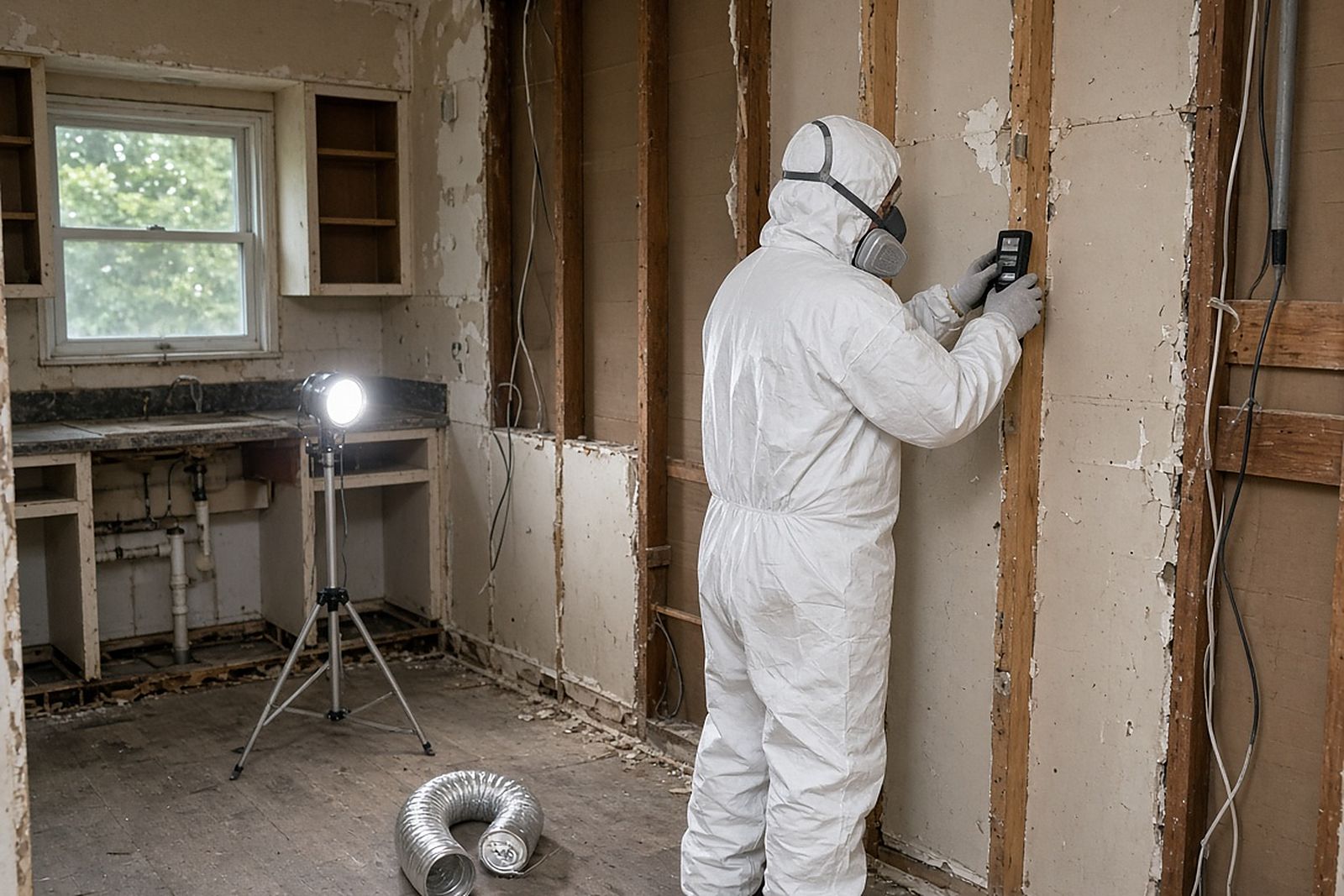
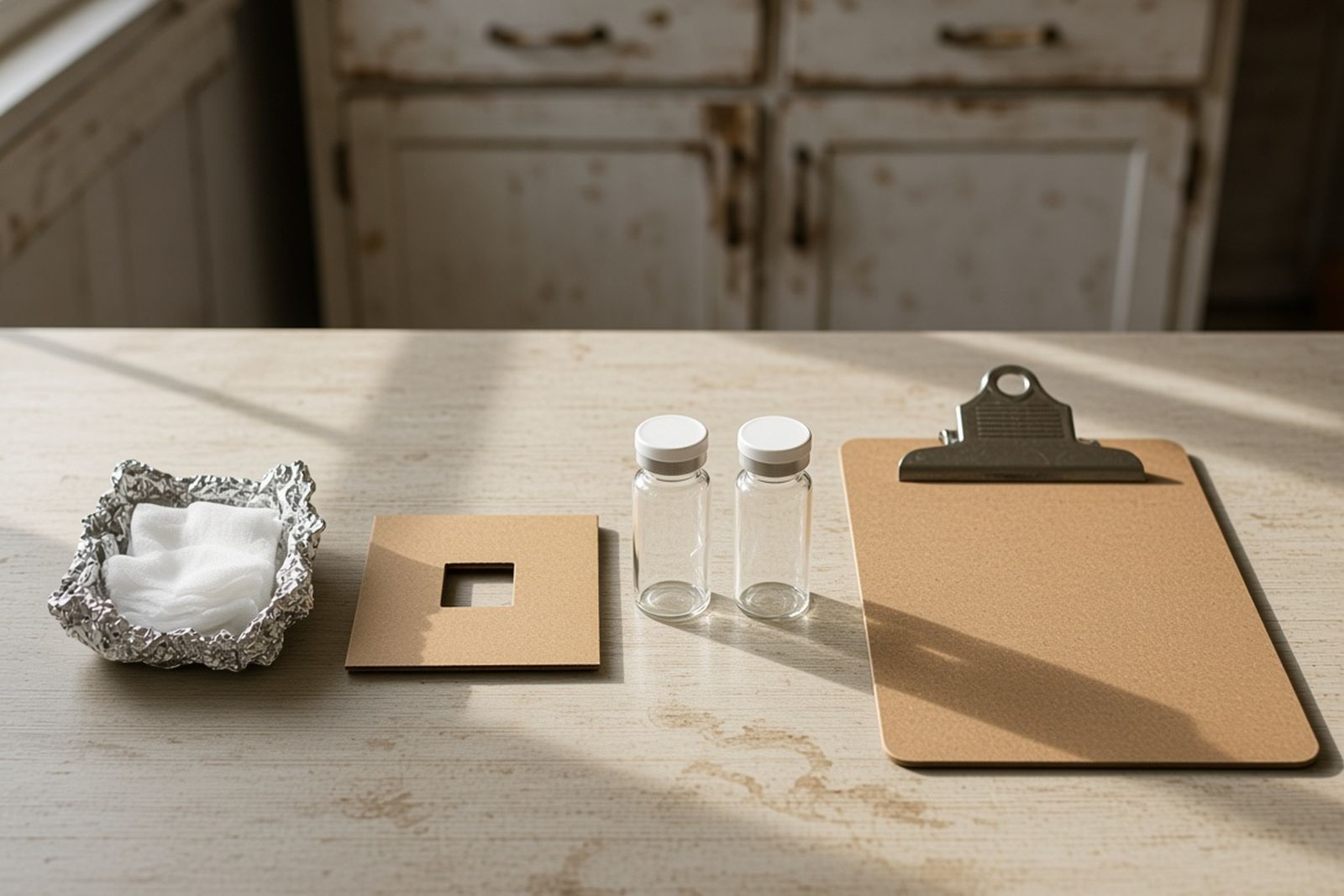
A thorough assessment looks outside as well as inside. The sampler or an environmental consultant looks for stained soil, dead vegetation in unusual patterns, burn areas, buried debris, and chemical odors near drains or outbuildings.
If the property uses a septic system, the assessment may include the tank and, in some cases, the drain field, especially where there is evidence that waste went down the drains. Private wells near suspected dumping areas may need testing as well.
Ask your state environmental agency or county environmental health office whether outdoor sampling, septic evaluation or well testing is required, and whether an environmental agency must be notified when soil or water contamination is suspected. Some state programs hand these issues to environmental regulators rather than the health department.
- Look for stained or discolored soil, especially near doors, garages and sheds.
- Note areas of dead or stunted plants that do not match the rest of the yard.
- Check for burn pits, burn barrels or buried trash.
- Ask whether the property is on septic or sewer and whether there is a private well.
- Look at storm drains, ditches and creeks close to suspected dumping areas.
Removing only what testing says must go
One of the most useful environmental practices is also a cost saver: remove only what testing shows must be removed. Gutting an entire house to the studs without sampling data generates large amounts of debris that might have been cleaned in place.
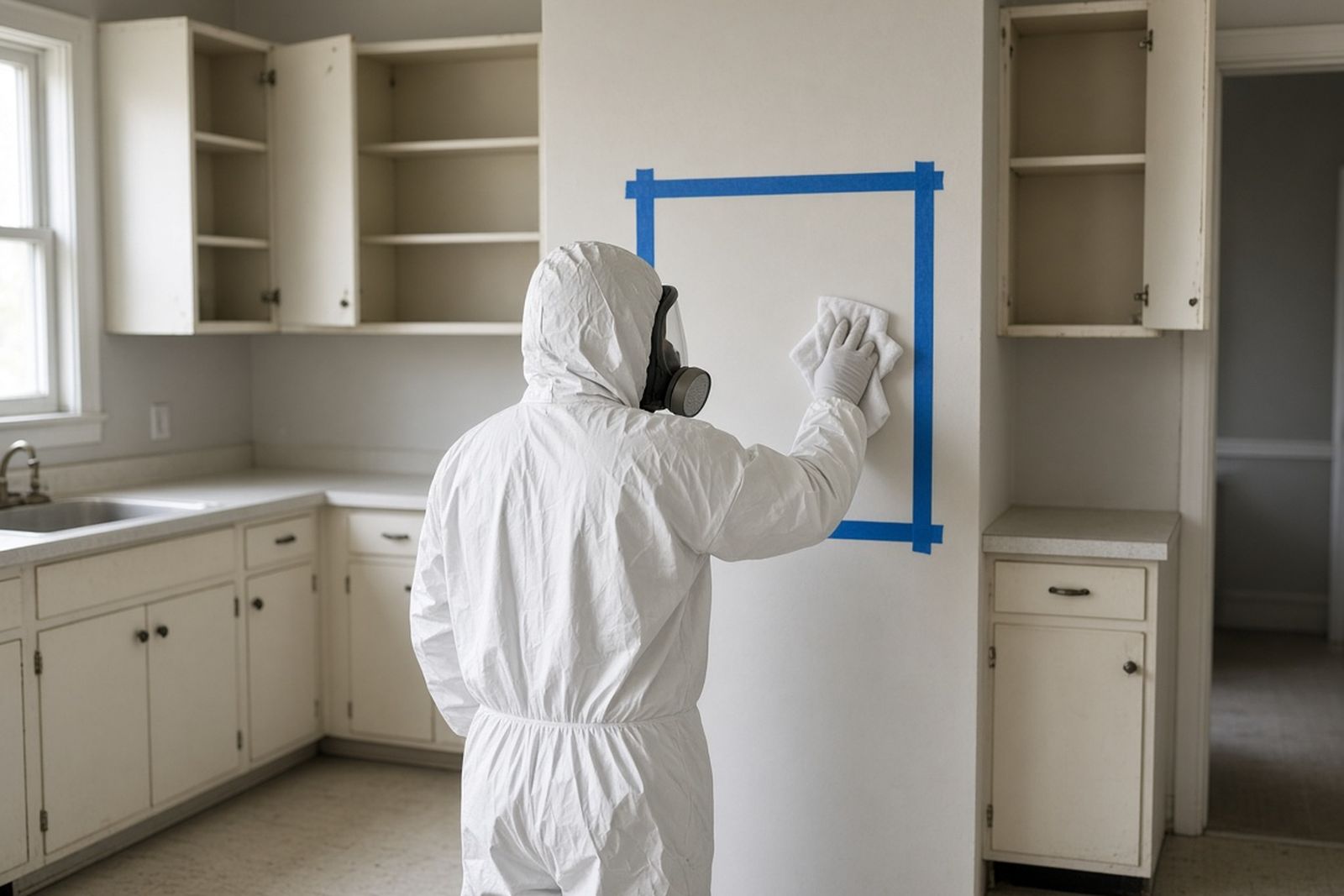
Sampling room by room, and sometimes surface by surface, lets the contractor decide which materials are reservoirs that cannot be cleaned and which hard surfaces will respond to washing. Carpets, pads and heavily contaminated drywall often need to go, but sound cabinets, doors, trim and hard floors may be washable.
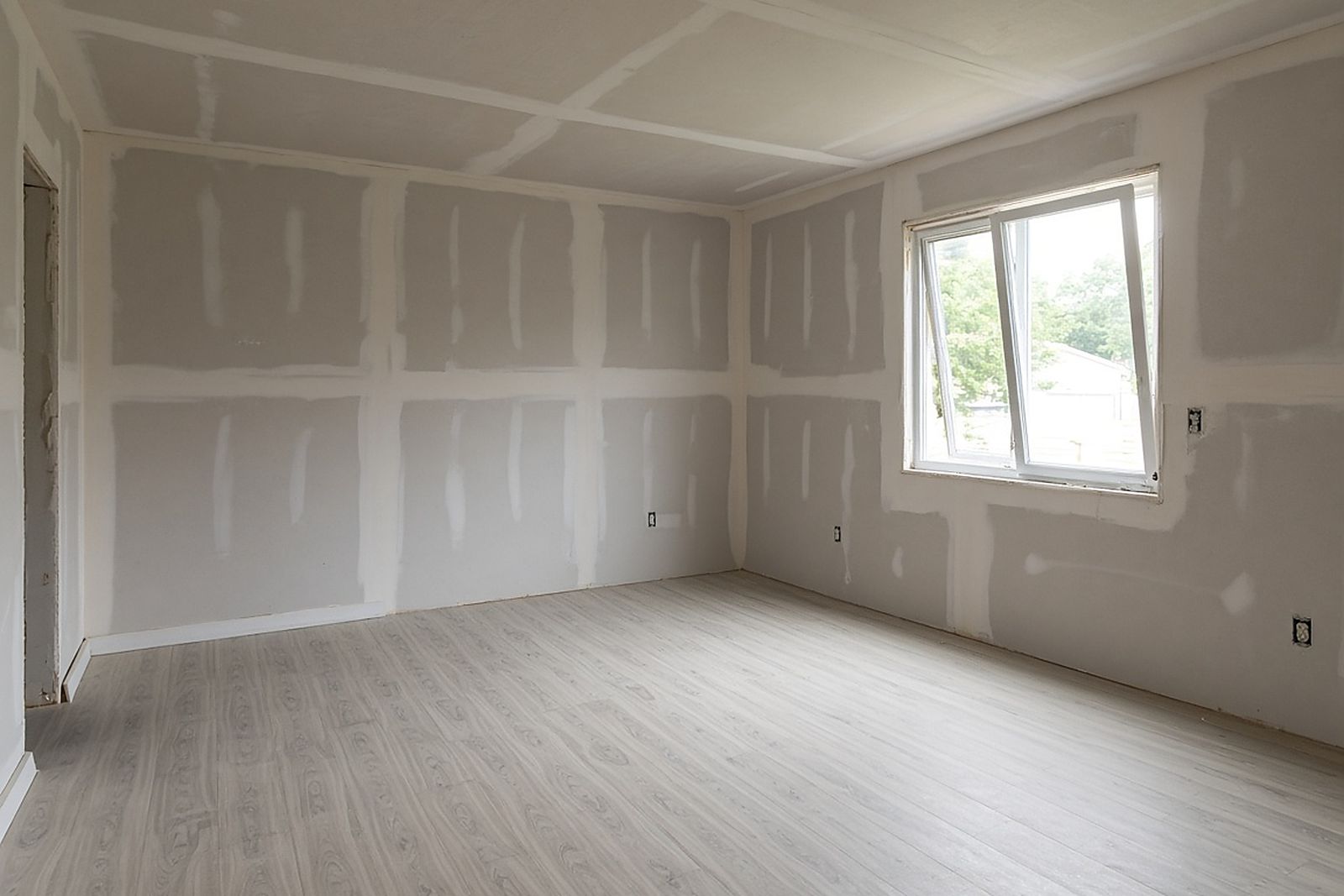
Where state rules allow, encapsulation after cleaning may let some surfaces stay in place. It should never substitute for cleaning, and it only makes sense after results show the surface has been brought down to an acceptable level.
Debris, rinse water, ducts and pipes
Removed materials are typically bagged or wrapped inside the work area and transported to a landfill that accepts them. Some jurisdictions have specific rules about how meth-contaminated debris must be packaged or classified, while others treat it as ordinary construction waste. The contractor should confirm the requirement before work begins, not after the dumpster is full.
Washing generates rinse water and spent cleaning solution that carry residue. That liquid should be collected and disposed of as the local rules require. Pouring it on the lawn, into a storm drain or into a septic system is not acceptable, and septic systems in particular can be harmed by large volumes of detergent and chemicals.
HEPA vacuum contents, used filters, disposable protective suits and wipes also need proper disposal. Ask the contractor to list every waste stream in the work plan and to keep receipts or manifests for each.
Ductwork and air handling equipment can hold residue and redistribute it. Cleaning ducts where possible reduces the amount of metal and insulation sent to landfills, but badly contaminated flexible duct, internally lined duct or components that cannot be reached may need replacement.
Plumbing traps, drains and fixtures where waste was poured may carry chemical residue and corrosion. Replacing traps and damaged fixtures keeps residues from slowly releasing into the home or the wastewater system. Removed plumbing parts should go into the documented waste stream with other contaminated debris.
Where corrosion has damaged pipes, a licensed plumber should assess the system, since leaks can carry residue into walls, floors and soil.
Do fewer labs today mean fewer environmental problems?
Large-scale domestic manufacturing has declined sharply in the United States as supply shifted to drug produced elsewhere. The National Association of Realtors, citing the DEA's 2025 National Drug Threat Assessment, reported that DEA's El Paso Intelligence Center documented 23,700 clandestine meth lab seizures in 2004, compared with only 60 reported lab seizures in 2023.
That trend is good news, but it does not erase the past. Many properties used during the peak years were never tested or cleaned, and their outdoor dumping sites, septic tanks and buried waste did not disappear when the lab closed. Buyers of rural land, older homes and outbuildings still encounter these legacy problems.
Smoking-only properties also remain common. They rarely involve outdoor dumping or bulk chemicals, so their environmental footprint is smaller, but indoor residue and the debris and rinse water from cleaning still need proper handling.
In short, the environmental side of this work has shifted from active labs toward legacy sites and use-related contamination, and a careful assessment is built to recognize both.
Illustrative case: a rural property with a burn barrel and septic tank
What follows is an illustrative case, not a real family. A family inherits a rural house with a detached workshop. A neighbor mentions that a relative who lived there years ago was arrested for manufacturing. The family arranges assessment sampling before deciding whether to sell or move in.
Inside, results exceed the state standard in the workshop and the kitchen. Outside, the sampler finds a rusted burn barrel behind the workshop, discolored soil beside it and a septic tank with an unusual chemical odor. The sampler recommends the family contact the state environmental agency.
The agency advises soil sampling near the burn barrel and a septic evaluation. The soil shows contamination in a small area, which a qualified contractor excavates and disposes of as directed. The septic tank is pumped by a hauler approved to accept the waste. Inside, the remediation contractor removes workshop wall panels and kitchen flooring, washes the remaining surfaces and replaces sink traps.
Clearance sampling inside passes, and the agency closes its file on the soil. The family keeps all the reports together and decides to move in.
Environmental questions for a remediation contractor
Ask whether the contractor evaluates the exterior and septic system when there is any sign of dumping, and whether they coordinate with environmental regulators. Ask how they decide which materials to remove versus clean, and whether that decision is tied to sampling results.
Ask how they will collect and dispose of rinse water, which landfill or disposal facility they will use for debris, and whether they will provide receipts or manifests. Ask how they protect storm drains and the yard during work.
A contractor who can answer these questions clearly is more likely to leave the property, and its surroundings, in better condition than they found it. Keep the answers in your file along with the sampling and clearance reports, because environmental questions can resurface when the property changes hands.