Short answer
Residential and commercial meth cleanups use the same core method: sample, remove porous materials, wash hard surfaces, address HVAC and plumbing, and clear against a numeric standard. The differences lie in which rules apply, how many rooms or units must be sampled, how shared ventilation is handled, how business downtime is managed and who must be notified before people return.
Beyond private homes
Most published guidance focuses on houses and apartments, because that is where most manufacturing and heavy use have been found. But contamination can also turn up in motel and hotel rooms, extended-stay units, storage units, garages attached to businesses, back rooms of shops, workplace restrooms and vehicles.
Vehicles deserve special mention because they are small, enclosed spaces with recirculating air. Research published in the Journal of Occupational and Environmental Hygiene in 2025 sampled 11 buses and 19 train cars in the Pacific Northwest and detected methamphetamine in 100 percent of air samples and 98 percent of surface samples. That study involved public transit rather than former labs, but it shows how readily residue appears in shared, enclosed spaces.
The common thread is that anywhere the drug was cooked or smoked indoors can carry residue on surfaces, regardless of whether the building is zoned residential or commercial.
Do the same laws apply to commercial and residential properties?
Not always. Some state programs were written with homes in mind and define covered properties as dwellings, while others cover any structure, vehicle or site where controlled substances were manufactured.
That split matters for commercial owners. A law written narrowly for residences may not reach a storage facility or a shop, while a broader statute may. Local health codes, workplace safety rules and licensing requirements for lodging or food businesses may add their own layers.
Before you plan anything, call the state or county agency that runs the drug-lab program where the property sits and ask three things: whether your property type is covered, which standard applies and whether a notice or placard must stay posted until clearance.
Sampling a house vs a multi-room business
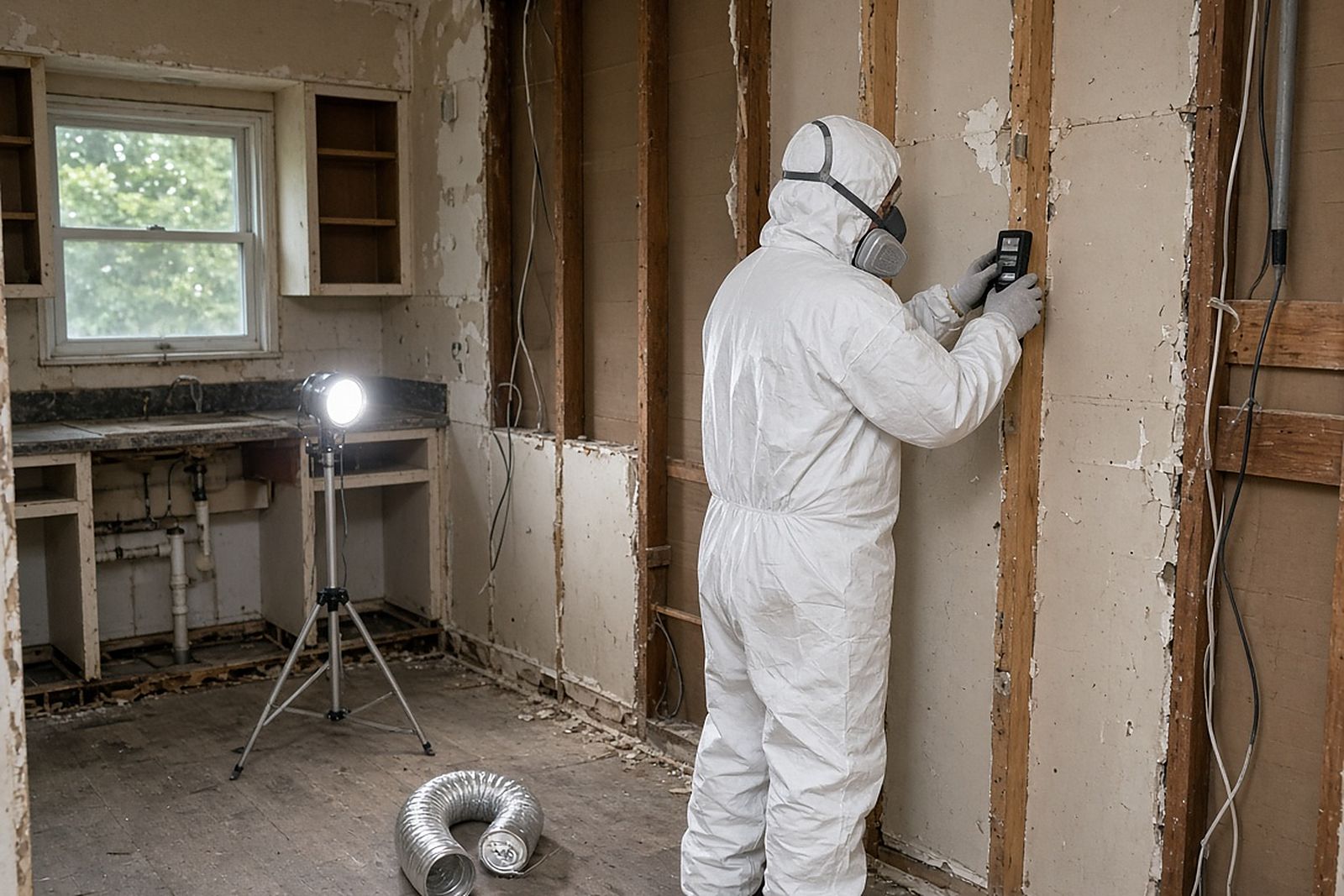
In a single-family home, the sampler typically covers each room, the HVAC system and any area where production or use is suspected. The sampling plan fits on a single floor plan.
In a motel, apartment complex or office building, the question becomes how far contamination extends. A room where manufacturing occurred may share a wall, a ceiling cavity or an HVAC unit with several others. The sampler has to decide which neighboring rooms to test, and that decision should be based on how air and people moved through the building, not only on which room had the incident.
Commercial buildings also tend to have more complex ventilation: rooftop units, shared return plenums, packaged terminal units in each room or exhaust systems in kitchens and restrooms. Ask the sampler to explain which systems were evaluated and why.
- Identify every room or unit served by the same air handling equipment.
- Note shared walls, chases and ceiling spaces that could carry vapors.
- Consider common areas such as hallways, laundry rooms and lobbies.
- Sample vehicles separately, including seats, headliners, dashboards and ventilation intakes.
Same method, different materials
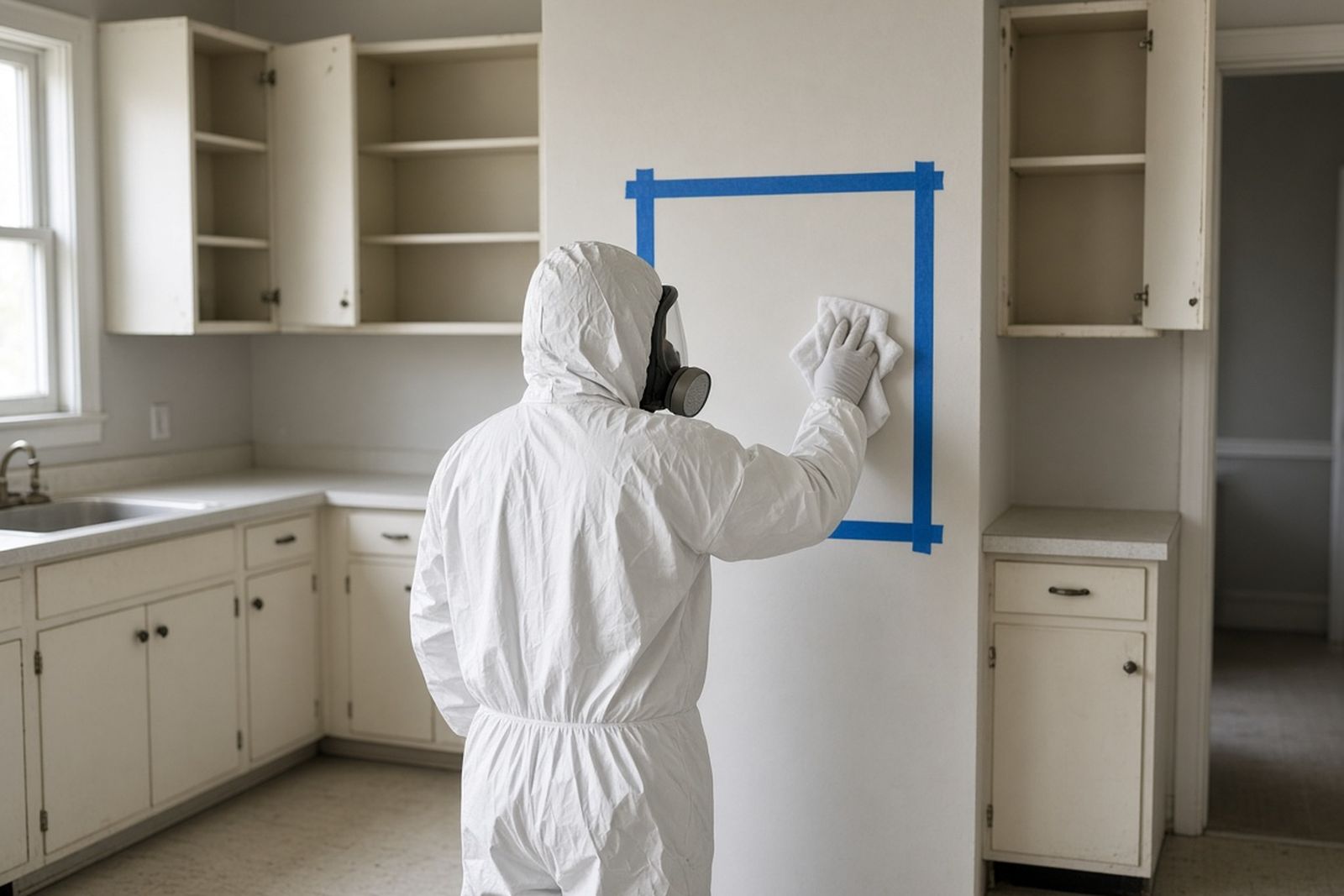
The fundamentals are the same. Porous materials that hold residue, such as carpet, padding, upholstered furniture, mattresses and heavily affected drywall, are usually removed. Hard surfaces are HEPA vacuumed and washed, often more than once. HVAC components are cleaned or replaced, and plumbing traps are addressed where waste may have been poured.
The materials differ, though. Commercial spaces may have drop ceilings, acoustic tiles, commercial carpet squares, vinyl wall coverings or fixtures bolted to walls. Motels contain furniture sets, drapes and bedding in every room. Storage units may have corrugated metal walls and concrete floors that clean differently from painted drywall.
Vehicles present their own challenges. Seats, carpets and headliners are porous, ventilation ducts are hard to reach, and replacement may be more practical than cleaning for heavily affected interiors. Ask whether the contractor has experience with the specific material types in your property.
Keeping a business open: containment, cost and downtime
A homeowner can usually vacate the house for the duration of the work. A business may want to keep operating in unaffected areas, which makes containment more demanding.
The contractor may need to seal the affected rooms with barriers, create a separate entrance for workers and waste, run negative air machines exhausting outdoors and shut down or isolate air handling that serves both affected and unaffected areas. Nearby occupants should be told in plain language what is happening and how to reach someone with questions.
Workplace safety rules also come into play. Employees who might encounter residue, such as housekeeping staff or maintenance workers, should be kept out of affected areas and informed about the hazard. The cleanup contractor's own workers must be protected under the contractor's safety programs.
In a home, cost is mostly about square footage, contamination levels and materials removed. In a business, lost revenue from closed rooms or suspended operations can outweigh the cleanup invoice itself, and the pressure to reopen can push owners toward shortcuts.
Resist that pressure. Reopening before clearance exposes employees and customers and can create liability that is far more expensive than a few extra days of closure. Instead, ask the contractor to phase the work so that some areas can be cleared and reopened while others are still in progress, where the rules allow.
Get written bids based on the same sampling report so you can compare them fairly, and ask each bidder to separate costs for sampling, removal, cleaning, HVAC work, waste disposal and clearance.
Who needs to be told, and does disclosure work differently?
For homes, disclosure questions usually arise at sale or at the start of a lease. Some states require sellers or landlords to disclose known manufacturing, and some keep public lists of properties that have not been cleared. Buyers and tenants often learn about the history from those lists, a title search or a neighbor.
Commercial properties can have a wider audience. A motel may need to decide what to tell guests who stayed in adjoining rooms. A storage facility may need to notify the renters of neighboring units. An employer may need to inform staff who worked in an affected area, and a commercial landlord may have notice obligations under the lease to other tenants in the building.
A lodging or food business may also have reporting duties to a licensing agency that a homeowner would never face. Missing one of those can create problems long after the physical cleanup is finished.
Talk with an attorney familiar with your property type before you draft notices. The goal is to be accurate and timely without speculating about the people involved or overstating the risk to those who were only briefly nearby.
Two cases side by side: a roadside motel room and a rental house
The two cases below are illustrative composites, not real properties. In the first case, a family learns that a rental house they own was used for manufacturing. The house is vacant. A sampler tests every room and the ductwork, the contractor removes carpet and some drywall, washes the rest and replaces the furnace blower. Clearance sampling covers the whole house, and the owner rents it again after the local program releases it.
In the second case, a motel manager finds evidence of cooking in one room. Housekeeping staff report a chemical odor, and the room shares a packaged heating unit with no other rooms but shares a wall and an attic space with its neighbors. The manager closes the room and the two adjoining rooms and calls the local health department.
The sampler tests the affected room thoroughly and collects wipes from the adjoining rooms near the shared wall and ceiling fixtures. Only the original room exceeds the standard. The contractor removes the bed, furniture, drapes and carpet, washes all surfaces, replaces the heating unit and cleans the bathroom exhaust. The adjoining rooms reopen after their sampling results are confirmed, and the affected room reopens after clearance.
The motel's scope had to account for neighboring rooms, housekeeping staff and business operations in a way the house did not.
Records each type of owner should keep
Both should keep the initial and clearance sampling reports, laboratory results with chain-of-custody forms, the work plan, waste records, invoices and any release or certificate from the governing agency.
Commercial owners should also keep records of employee notifications, any workplace safety assessments, communications with licensing agencies and a log of which rooms or areas were closed and reopened and when. For vehicles, keep the vehicle identification number with the reports.
These files may be requested by buyers, lenders, insurers, regulators or, in lodging and rental businesses, by future guests or tenants. A complete record lets you answer questions quickly and shows that the property was handled responsibly.