Is there a Hamptons or New York wipe number for share houses?
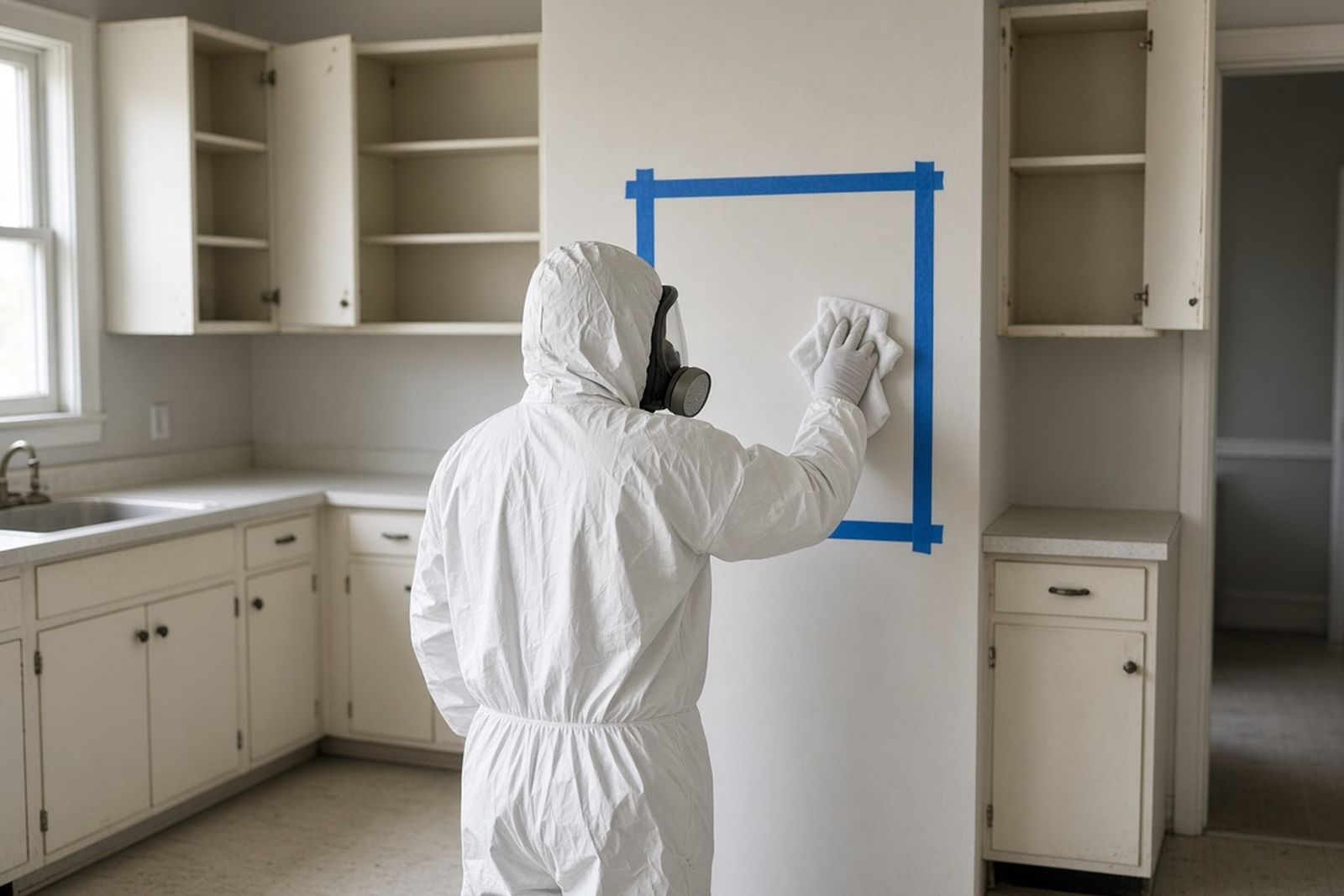
No. East End share houses have no local meth number, and Albany has never passed a move-in law like California’s. Put a test plan in writing instead, using an accredited lab and marked sample spots on each building’s map. Get the pass level agreed by everyone with a stake in your rental or sale. If an agency issues a written order for the site, follow it. Keep the lab maps in your seasonal binder, where your agent can find them.
Residue was found in the bunk cottage. Can I leave the main house alone?
Only if you can show how residue could or could not have moved. Soft items carried into the main house, shared laundry and terrace foot traffic can all spread it. Have the links between buildings photographed. If the first main-house wipes come back clean and every path between buildings was sealed, a narrower job may be fine. If the paths were open, test more widely. Keep a written note of how you decided, for buyers and insurers.
My share starts in June. How should I time the work?
Start in late winter if you can. June share dates leave little time to redo failed wipes, so the best window for testing and any repeat removal is before share leases are signed. Hold open-house photos until lab proof meets your written pass level. Keep a note ready for your rental agent on whether meth was made or only used. Painting before testing makes later wipe results harder to read, so paint last.
The house was closed all winter and meth was only smoked there. Do I still need wipes?
Yes, as a sound practice. Smoking alone can leave meth on walls, floors, linens and HVAC parts in a sealed seasonal suite, even with no cooking gear. Those surfaces may fail a buyer’s or insurer’s later tests if ignored. Have a test plan written either way, and widen the job if cooking signs appear. Guests with asthma, young children or a pregnancy should not return to the share house until after-cleanup tests meet your written pass level.
What will a June buyer expect me to disclose?
Expect to share mapped wipe results, chain-of-custody forms, waste records, HVAC notes and a clear note on whether meth was made or only used. New York has no cleanup law here. Still, past contamination and the cleanup you finished are often material to a South Fork sale, so ask a lawyer. Do not advertise “fully remediated” without lab maps. If work is not finished, say so plainly. Missing records slow closings in seasonal markets.
Renters also slept in my pool house and guest cottage. Should those be tested?
Yes. Summer share houses often have pool houses, guest cottages and converted garages where renters sleep. If residue turns up in one building, test the others too, most of all where guests moved back and forth. Pool cushions, outdoor rugs and cottage bedding are usually thrown out, not cleaned. Ask for separate results for each building. Doing this in the off-season avoids the next rental period and leaves time for any retest rounds.
Can the wash water go into my septic system?
Not without guidance. Most Southampton homes use septic systems, and wash water from residue cleaning should be caught and sent out with the other cleanup waste. The Suffolk County health department can answer questions about protecting septic systems. Ask your contractor for a written plan for wash water before work starts. This matters on the East End, where many homes rely on local wells and groundwater needs protecting.