Is there a New York meth cleanup number I can quote to my buyer?
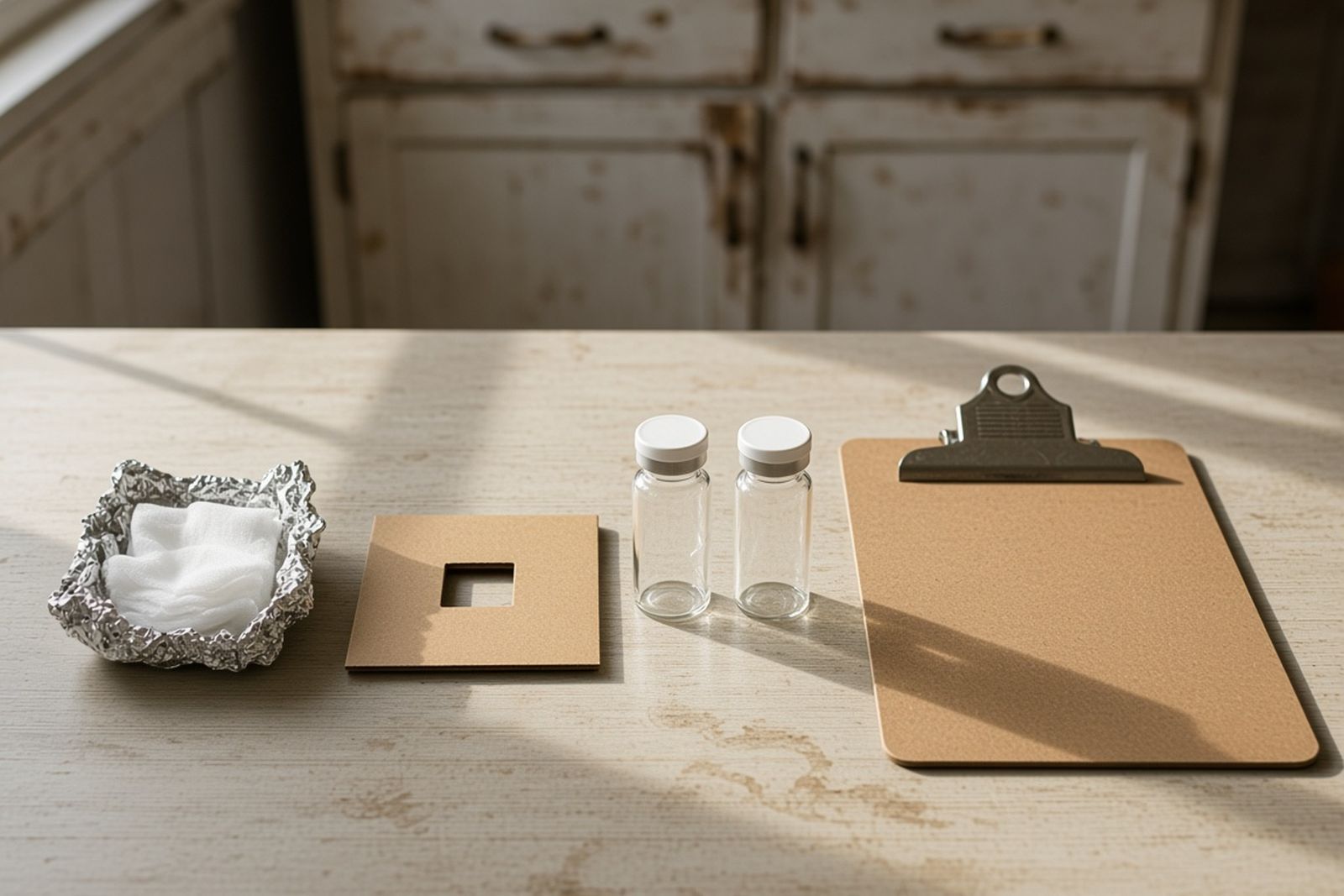
No. New York has not published a move-in number like California’s HSC section 25400.16, so you have nothing official to cite. Set up a written test plan with accredited lab work and mapped sample spots instead. Agree on the pass level with the people who have a stake, such as your buyer, lender, insurer or an agency. Quoting a false “county number” gives false comfort. If the Westchester County health department or another agency gives an order for your house, get it in writing.
My basement is finished. Does that change the job?
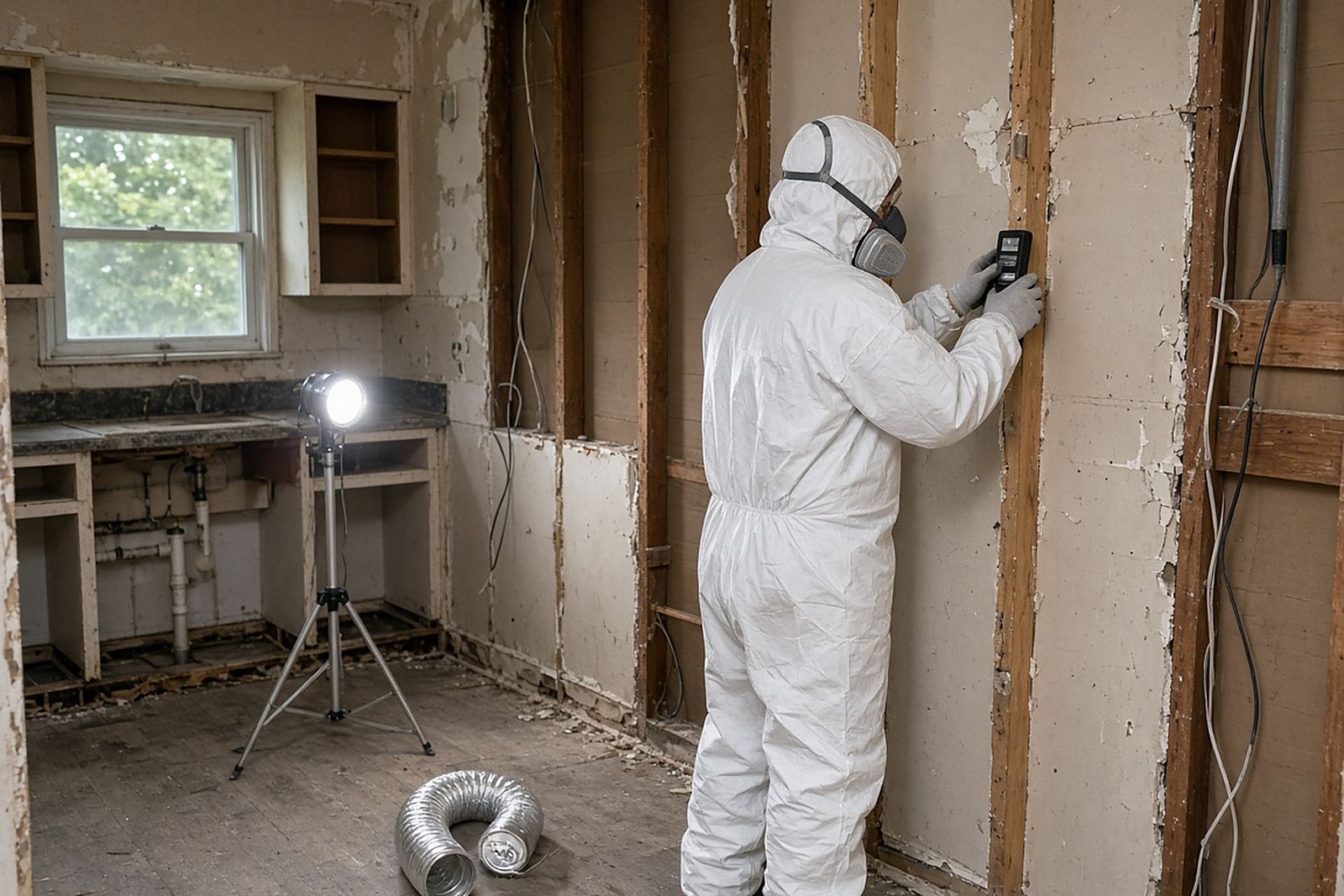
Yes, it usually adds work. Basements often hold HVAC returns, workshops and stored soft items that gather fine dust. Smoking upstairs or cooking downstairs can coat surfaces that later fail wipe tests. Ask that the air handler stay off during tear-out, so fans do not pull dusty air into your living areas. Bare wood and carpeted rec rooms are often removed. Get the keep-or-toss choices in writing before washing starts. Buyer consultants here often ask for basement sample spots by name.
How can I tell if meth was cooked in the house or only used?
Look at what was found, and write it down. Glassware, solvent cans, stained basement pipes and chemical packaging point to cooking. Pipes and foils with no process chemicals point to use only. A cook in a basement or garage usually widens the hazardous waste work and can call for testing for related chemicals. Ask for this in the work plan, so your insurer and the buyer’s lawyer see why some finishes were removed. If new evidence turns up partway through, the plan should be updated.
Do I need lab reports before closing?
In practice, yes. Without lab data, you cannot show what surface levels were after cleaning. Paint, receipts for new floors and odor treatments do not answer a buyer’s residue question. Telling your buyer plainly about known contamination and finished cleanup protects the family moving in and cuts down on fights after closing. A rushed cosmetic job that skips testing may save a little time but adds bigger risk to the sale. Ask a lawyer about the disclosure duties in your contract.
What do the EPA guidelines do for a Westchester home?
They give you sound steps, not a number. The EPA’s Voluntary Guidelines for Methamphetamine and Fentanyl Laboratory Cleanup cover checking the home, choosing what to remove, testing and the order of cleanup. Westchester cannot enforce them as a number, since they are only advice. Use them to ask practical questions. Which soft materials should leave the house? How is the HVAC handled? Who takes samples? What lab method and detection limit apply? Then pair the answers with a written pass level.
My house is a Tudor with plaster and wood paneling. Will those have to go?
Not always. Many Tudor and stone homes here have plaster walls, leaded windows, dark wood paneling and slate floors. These finishes cost a lot to replace and can be harder to clean than drywall. Ask for the paneling and plaster to be tested first. The crew can clean a small area, then retest before picking a plan for the whole house. Keep a note of each choice to save a feature. Buyers often want proof that original details were handled with care, not just painted over.
I found signs of drug use in my teenager’s room. What should I do?
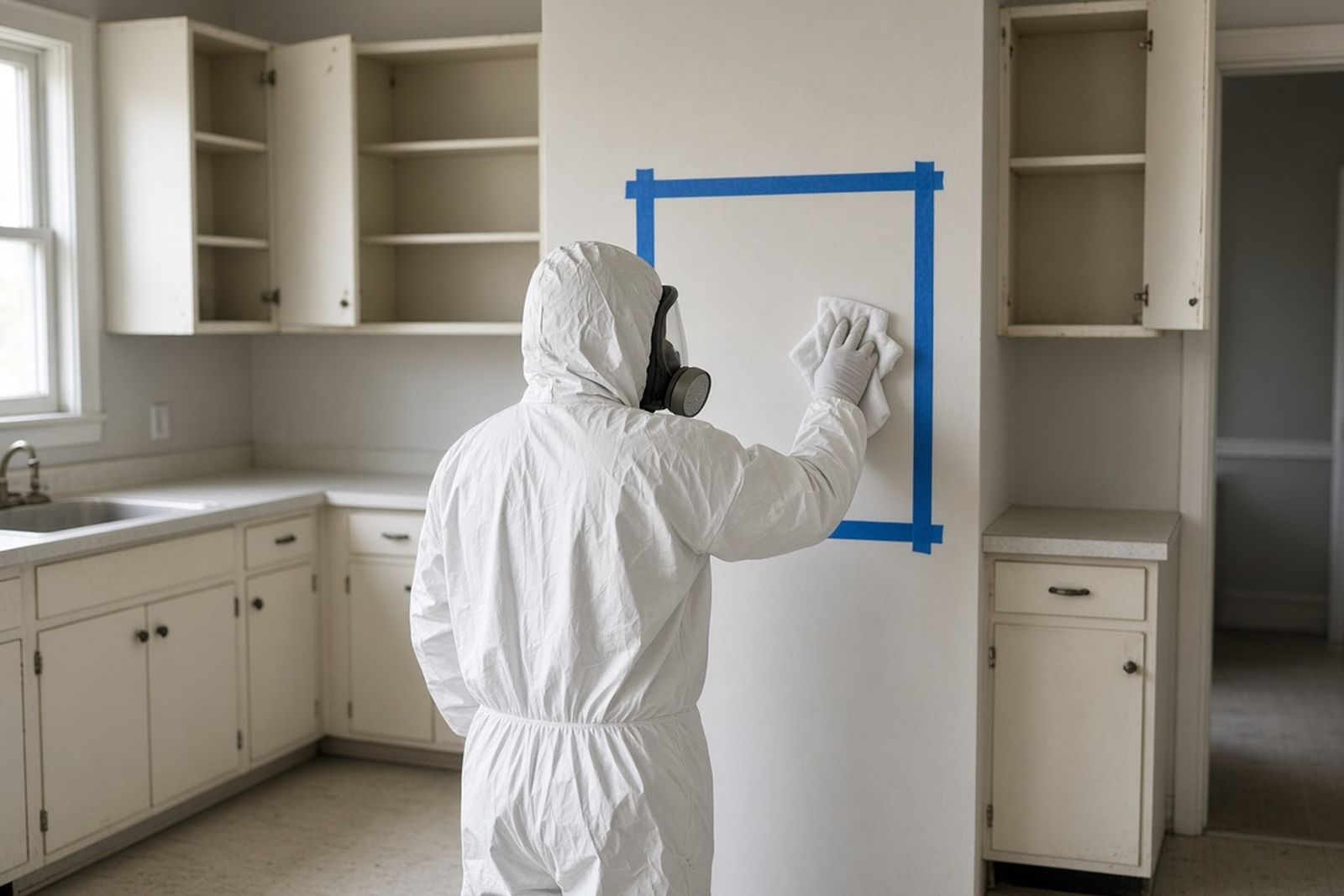
Start with your family. Talk with your teen, and with a doctor or counselor, about the drug use itself. Apart from that, the room may need testing, since smoke residue can settle on carpet, bedding and furniture. Avoid hard scrubbing, which could spread it. A qualified assessor can take a few wipes to see if cleaning is needed and how far it reaches. Handling this quietly and carefully protects both your child and your home.