Palo Alto, CA

Meth Lab Cleanup in Palo Alto, CA: Garage ADUs, Dual Dwellings, and Wipe Clearance

What to do, who to contact, and what to ask in Palo Alto.

Meth history in a Palo Alto ADU, garage conversion, or main house? Learn the state limits, what to test on a two-home lot, and what buyers ask for.

Get an email reply about meth lab cleanup

Send a short message to the follow-up inbox. A coordinator can reply by email. This form does not send emergency help; call 911 first if anyone is in danger.

Tell us what you need help with. Share a short description; please leave out medical details, access codes, and other sensitive information.

A request does not confirm a booking. For immediate danger, contact local emergency services.

Or email info@methlabcleanup.online

The short answer for Palo Alto, CA

If the backyard ADU or garage conversion on your Palo Alto lot has a meth history, stop showings and get a written testing plan before any paint goes on. Under HSC 25400.16, meth lab sites must test at 1.5 µg/100 cm² or less. A fentanyl lab site faces a tougher bar: nothing detectable on your surfaces, for as long as no health-based standard has been adopted.

What to do, step by step

  1. 1

    Pause showings and put both homes on one plan

    Stop ADU showings until the plan is written. Photograph both homes and the shared laundry path between them. Then ask the testing company for a lot map that covers the main house and the backyard cottage. Early samples may be taken, if needed, to size up how much must be torn out. Tell the company who lived in the cottage, when it sat empty, and how laundry and trash moved across the yard. Ask which accredited lab will run the wipes. You should know where every sample will be taken before any cleaning starts.

  2. 2

    Have the ADU closed off before the main house is touched

    A good crew seals the cottage's yard door with plastic sheeting. Soft goods are bagged before they cross your mudroom. Soft materials that hold residue are removed. Then hard surfaces are washed with detergent and cleaned with HEPA vacuums, which trap very fine dust. Keep your main kitchen out of use as a staging area, even if it is the handiest spot. Ask where bags will wait for pickup, so they do not sit by the door your family uses. If you live in the main house, plan your own comings and goings around the work.

  3. 3

    Sort out the mini-split and the furnace

    With two systems on your lot, ask about each one. The ADU's mini-split should be off during tear-out. Its filters are replaced, and the housings that can be reached are wiped. If the main furnace shared returns with the cottage, testing is added at those grilles. Tools are cleaned before they enter the main house. You can also ask about the workers' breathing protection. Their plan should fit the dust and solvent residue found at your site.

  4. 4

    Collect a packet for each home before you lease or close

    Clearance wipes that fail lead to another round of removal or washing, so allow for that in your dates. When both homes were tested, ask for separate sample maps for the ADU and the main house. Add the waste shipping records and a memo on whether the site was cooked in or only used. Store the packet with both unit files, where you can find it for the next lease or sale. A wall of paint cans does not answer a South Bay buyer's question about residue. The lab numbers do.

What cleanup is like in Palo Alto

Professorville bungalows, Midtown ranches, and newer backyard cottages make for two-home lots, and your ADU lease can turn over apart from the main house. Residue problems cluster in a few places: garage conversions with mini-split heat pumps, storage lofts above parking, and rentals near the university left empty between quarters. HSC 25400.16 sets clearance for meth lab activity at 1.5 µg/100 cm² or less on indoor surfaces. Lead and mercury limits apply too when those metals were in the cook. Fentanyl lab sites need indoor-surface fentanyl below detection until California or the federal government adopts a health-based cleanup target. A fast, investor-backed purchase does not set that law aside.

Santa Clara County Public Health and its environmental-health staff are your local path for questions about postings and cleanup orders after police notify the health officer. DTSC removes bulk lab chemicals found during seizures. The particleboard cabinets and duct dust that remain are your problem to solve. A cooking lab leaves ingredient bottles and solvent smells, and that changes how your waste is sorted. Smoking alone still soaks into futons and return filters inside a sealed ADU. Residue also spreads when tenants haul laundry through the main house mudroom between the two homes. So tell the company how people moved between your cottage and your house.

In South Bay bidding wars, sellers who already hold mapped wipe PDFs come out ahead. If you plan to sell, that is a good reason to test early. Painting an ADU first and testing later is a common mistake, and it can slow your sale. Paint can cover residue without removing it, and a later wipe test may still fail. Do not advertise your place as “move-in ready” until you have lab results checked against the chemicals that truly apply. When a buyer asks what was done, you want to hand over numbers, not a paint bill.

What to expect for your type of home

  • Lots with a main house and an ADU: Ask for a drawing of your lot before any wipe points are placed. It should label both the street address and the backyard cottage.
  • Cottages with their own heat: Find out if your cottage uses a ductless mini-split or borrows return air from the main furnace. Tell the company, since it changes where they test.
  • Garage conversions and storage lofts: When heavy buildup is confirmed, expect particleboard garage cabinets and loft carpet to leave the site. Ask which pieces will go before the work starts.
  • Homes that share a laundry room or mudroom: These rooms link your two homes, and residue gets tracked through them. Ask the crew to bag items there before they cross.
  • Sites with signs of a cook: Ingredient containers and solvent cans are not the same as smoking foils. Ask that they be set apart from each other before the waste is sorted.
  • Homes for sale with an environmental review: Give your buyer a sheet that compares the results to HSC 25400.16. A paint bill is not proof, and a careful buyer will know it.

Papers and records to keep

  • A lot sketch showing the main house, the ADU, and the shared laundry path
  • Police release notes for the lot, plus any county health-officer order that names it
  • Wipe locations before and after cleanup for each home that was tested
  • A side-by-side comparison of your results to HSC 25400.16 for the chemicals involved
  • A list of ADU soft goods thrown out, with records of where the waste went
  • A dated log of mini-split or furnace filter changes
  • Your seller or landlord disclosure folder covering both homes on the lot

Local offices and official help

Common questions in Palo Alto

If only my backyard ADU was smoked in, must the main house be wiped too?

Not always. But only a written review of the paths between the homes can justify skipping it. Shared laundry rooms, open yard doors, and borrowed HVAC returns often move fine dust. At the least, have the spaces that connect them tested. If cooking fumes were present in a sealed garage conversion, the testing should widen more. Ask the company to write down why any heated space was left out. Then South Bay buyers will not reopen the issue in escrow.
Does a garage conversion change the waste rules after a cook?

It can, because of what a cook leaves behind there. Garage conversions often hold leftover solvents, stained concrete, and particleboard cabinets that do not come clean with a quick wash. Signs of cooking push the waste into a hazardous-waste review, beyond regular building debris. Smoking alone may spare the soil outside but still fail indoor wipes on loft carpet. Photograph your garage slab and any floor drains. Do not hose solvents into the street.

What state numbers should my Palo Alto listing agent understand?

Your agent should know two things. HSC 25400.16 uses 1.5 µg/100 cm² or less for indoor surfaces after meth lab activity. Fentanyl labs are held to below-detection results, and that bar stays until a health-based standard is adopted. An agent should not make up a city-only microgram slogan. Point to the lab PDFs, and ask a lawyer about disclosure timing. Staging language about looks is not clearance language.

Can I re-lease my ADU between university quarters without lab data?

The safe practice is to wait. Hold the unit until accredited after-cleanup wipes meet the California limits that apply, before the next household moves in. Be extra careful with students. Quarter-based calendars add pressure, but they do not rewrite the law. File the ADU's chain-of-custody forms with its lease records, since they show who handled each sample. A spray of fragrance between tenants does not replace a check against HSC 25400.16.

How do mini-splits differ from central furnaces in residue work?

A mini-split keeps its filters and coil dust inside the ADU, so the housing and filters need their own wipe or cleaning notes. A central furnace can blow dust into your main house if returns were shared. Either system should stay off during tear-out. Ask for a retest after filter changes when early samples came back high. On the lot map, have the company record which system served which home.

How does Palo Alto's Eichler and ranch housing affect testing?

It moves the testing up to the ceilings, beams, and glass. Many Palo Alto neighborhoods have Eichlers and mid-century ranch homes with exposed beam ceilings, radiant floors, and single-wall building. With no ducts to trap it, residue settles right on those surfaces. Your wipe map should include them and any skylights. Original mahogany paneling can be hard to clean and costly to replace, so ask for early samples before you choose. Record each keep-or-replace choice, so a future buyer knows why some finishes stayed and others went.

What should I tell student or postdoc tenants about a cleaned unit?

Be direct and stick to the facts. Explain that the unit had a residue problem and was cleaned under a written plan. Say that after-cleanup wipes met the state standard, and offer to share the lab summary. Many tenants near Stanford move often, so clear records also help your next lease-up. Avoid vague phrases like “deep cleaned.” If a tenant asks health questions, point them to Santa Clara County Public Health. Do not offer medical comfort yourself.

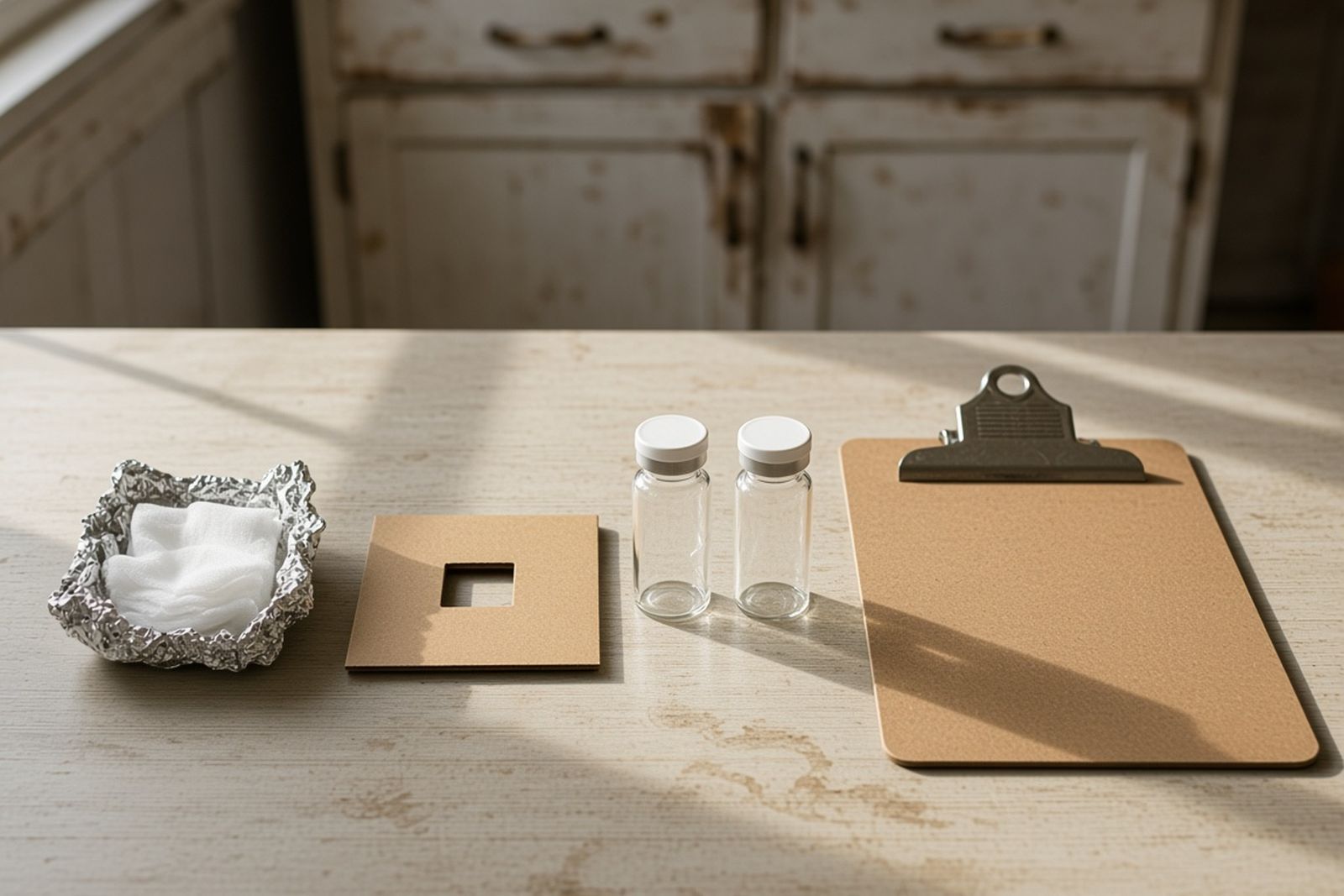
Wipe-sampling supplies on a counter: gauze in foil, a sampling template, vials and a clipboard
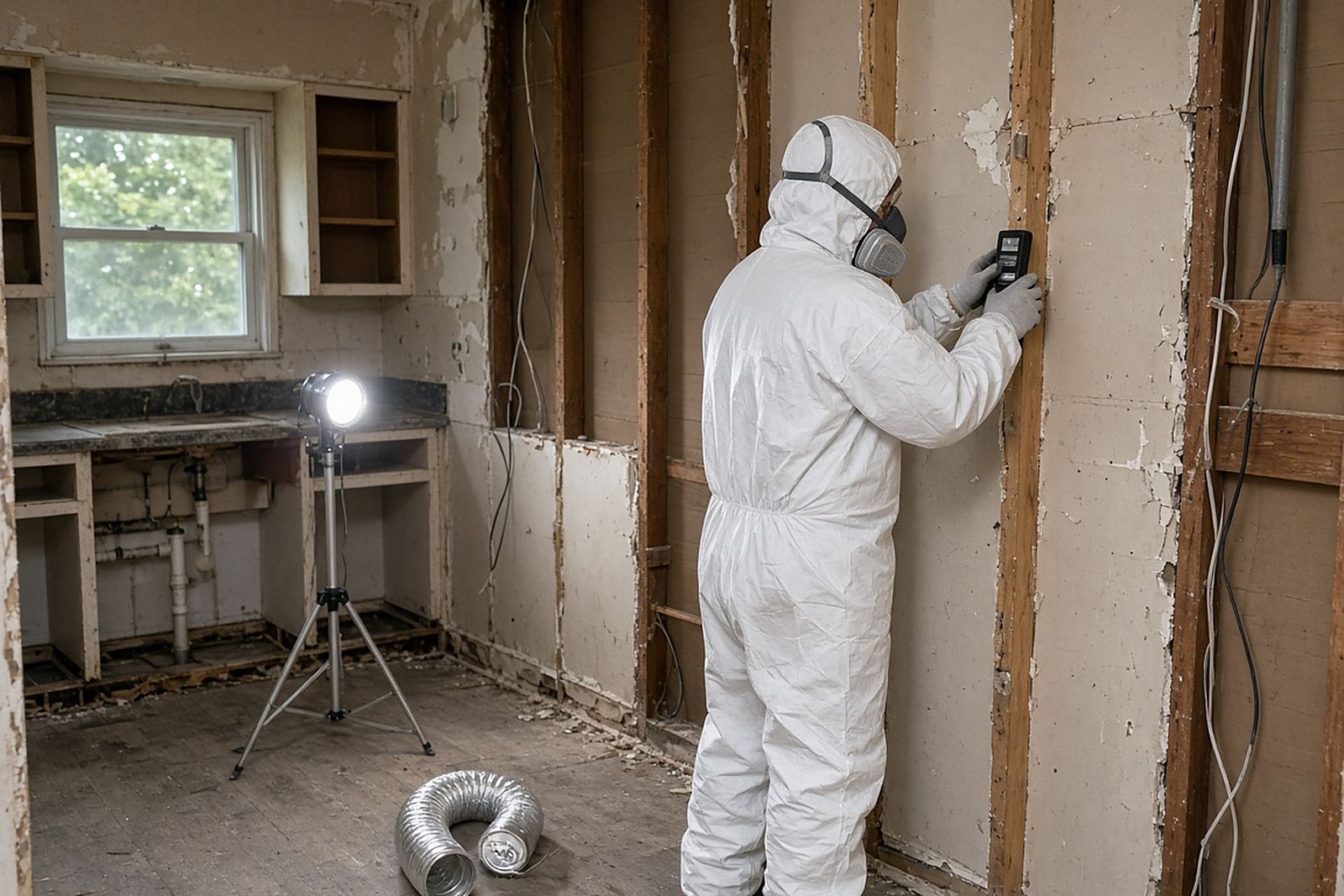
Technician in a respirator checking exposed studs in a gutted kitchen with a work light and duct

Facts worth knowing

  • In one Australian home with suspected past meth making, toys and personal items brought in later had meth residue.

    Why it matters: If children's things have been in a contaminated home, ask your cleanup company whether they can be cleaned or should be replaced.

    Source: Wright et al., 2019

  • In tests involving two properties, materials contaminated with meth released the drug into the air.

    Why it matters: Leaving contaminated materials in place may keep putting residue in the air you breathe; ask about removing them.

    Source: Wright et al., 2021

  • In 25 selected case studies covering 63 people, residents of meth-contaminated homes reported breathing, skin and eye complaints.

    Why it matters: If you notice these symptoms in a home with a meth history, see a doctor and mention the possible exposure.

    Source: Wright et al., 2020

Tools that help right now

What would you do?

Poll results

Vote to see how other people answered. You can change your answer at any time.

Your experience

If a house you wanted had a documented lab cleanup that passed clearance, what would you most likely do?

Be the first to vote
Industry

Which factor would you weigh most when choosing a meth cleanup contractor?

Be the first to vote

Need help in Palo Alto?

Send a short message about the property to the follow-up inbox. A coordinator can reply by email with next steps.

Your request is sent to the follow-up inbox. A coordinator can reply by email.

If anyone is hurt or in danger, call 911 first.