Northeast · US

Meth Lab Cleanup in Manhattan, NY: High-Rise Residues, Shared Systems, and Wipe Evidence

Planning meth lab cleanup in Manhattan, NY

Manhattan meth lab cleanup planning for co-ops, condos, and prewar buildings, with covered elevator staging, PTAC sampling, and written board criteria. This is planning guidance, not a claim of a local office or crew in Manhattan.

Get an email reply about meth lab cleanup

Send a short message to the follow-up inbox. A coordinator can reply by email. This form does not send emergency help; call 911 first if anyone is in danger.

Tell us what you need help with. Share a short description; please leave out medical details, access codes, and other sensitive information.

A request does not confirm a booking. For immediate danger, contact local emergency services.

Or email info@prompartybuses.com

Direct answer

The short answer for Manhattan, NY

Manhattan meth residue jobs are shaped by high-rise and mid-rise living and by co-op and condo boards. They are also shaped by one gap: New York has no statewide cleanup number in law. What supports honest move-in and disclosure choices is a test plan, control of air systems and shafts, removal of soft materials, and accredited lab reports. Made-up limits do not.

Editorial guide · Biohazard Remediation NetworkUpdated 2026-07-22Location focus: Manhattan, NY

Local planning context

Manhattan living is vertical: towers, prewar elevator buildings, and packed mid-rises. So shared air systems, stair and elevator cores, and trash rooms sit at the center of any residue plan. Questions often come up during a condo or co-op sale, an estate cleanout, or when an empty unit shows signs of meth use or cooking. EPA’s voluntary guidelines share cleanup and test methods. But they do not set federal cleanup numbers. So everyone involved in a Manhattan unit should agree on a written test plan and pass level for this one job. Do not cite a made-up “NYC microgram rule.”

The NYC Department of Health and Mental Hygiene covers environmental health across the whole city. Building departments and managing agents add their own access and renovation limits. Those limits shape when and how the work area can be sealed. Waste from chemically dirty materials may fall under New York State DEC rules and federal RCRA waste tests once it leaves the building. The risk of spreading residue goes up when debris rides in passenger elevators. It also goes up when fans blow dust around during tear-out.

Home sales in Manhattan run on paperwork. Be accurate about any known contamination and any testing that was done.

Property considerations

Plan elevator and service-entrance moves so dirty soft items never pass uncovered through clean lobbies.

Test PTAC wall unit coils and returns, bathroom fans, and the hard surfaces people touch most in Manhattan apartments.

If tests confirm residue, expect carpet, drapes, cloth furniture, and soft cabinet wood to be removed.

Get the board, lender, or buyer pass level in writing, because New York has no single statewide meth number.

Response-planning framework

Governance, access, and sampling plan alignment

If a board or contract sets a pass level, attach that document to the plan. Do not start cosmetic work before the test plan is set. New paint or finishes could seal residue in place.

High-rise containment and porous removal

Remove soft materials that hold residue and cannot be cleaned to a level you can defend. List the contents and mark each item keep or toss. Base those choices on test results, not on what is easy.

HVAC, shafts, and cross-contamination controls

Turn off or seal the air systems that serve the work area. Replace filters. Decide if the PTAC or fan-coil units need cleaning. Wipe down carts and tools before they roll out of the sealed unit. Chemical hazard training and breathing protection guide how workers stay safe.

Clearance file for boards, buyers, and landlords

Hand over the file in a form that co-op and condo boards can store. Retest any spots that failed.

Documentation checklist

  1. 1Managing agent’s work approval and the plan for using elevators and hallways
  2. 2The managing agent’s copy of the wipe test plan, with the lab’s accreditation
  3. 3Floor plan map showing where samples were taken
  4. 4List of soft materials removed and what happened to each item
  5. 5Waste test and shipping records, if they apply
  6. 6HVAC and PTAC service notes and filter changes
  7. 7Disclosure packet for the board or buyer that states the pass level set for this job

Official resources

Questions for this location

Is there a Manhattan-specific meth wipe clearance number?

This page does not cite any Manhattan-only number. New York State also has no statewide meth law like California’s 1.5 µg/100 cm² standard for lab sites. Focus on clear lab data and sound choices about materials. If an agency gives you a written order for your site, follow it and keep it in the file. A unit that only looks clean is not enough for a high-rise sale.
Why are elevators and shafts critical in Manhattan meth residue jobs?

Plans should call for sealed containers, padded elevators, set move times, and cleaning of tools. If air systems share returns, running fans during tear-out makes things worse. Take photos of how hallways were protected. Managing agents often want these details before they approve the work. Skipping them is a common reason “cleaned” units still show residue on later tests.

How should co-op and condo boards evaluate meth remediation packages?

New York has no statewide meth number. So boards should check that the file is complete and consistent, not look for a box citing a state limit that does not exist. Store the file with the renovation and resale records. Boards protect shareholders by asking for lab proof before anyone moves in after contamination. This is a paperwork standard. It is not a charge against any contractor.

Does use-only meth smoking require the same response as a manufacturing lab in Manhattan?

Their chemical waste differs, but both leave residue behind. Either kind of unit can fail wipe tests if soft materials stay. Start by noting the signs, then test. Widen the job if you find proof of cooking. Write down which kind of case it is for insurers and buyers. Keep photos and item lists. That way board reviewers can see why soft items left, even when no cooking gear was found.

What disclosure issues arise in Manhattan sales after meth contamination?

Buyers and lenders often ask for environmental and cleanup records. Give them lab reports and written summaries, not spoken promises. If work is not done, say so plainly and do not claim the unit is ready to live in. Hold on to the custody forms, since they let anyone trace each result back to its sample. Missing records slow closings in Manhattan’s paperwork-heavy market. The real disclosure product is an honest file of what was tested, removed, and retested. In the summary, say if meth was made there or only used. That helps boards and inspectors see why some materials left the apartment.

What should a Manhattan renter ask before leasing an apartment with a meth history?

Ask the landlord or managing agent if the apartment was tested and cleaned. Request the wipe results and a short list of what was removed. A careful owner should be able to show mapped lab data, not just a cleaning bill. Check if shared shafts or vents that serve the unit were handled too. If the answers are vague, you might ask for testing before you sign. For questions about your lease rights, a tenant lawyer or local tenant group can help.

How do prewar Manhattan buildings with steam heat change the sampling plan?

Prewar buildings usually use steam pipes and radiators, not ducts. So there are no filters to swap, but dust has many places to settle. Put radiator covers, pipe chases, window air conditioners, and old plaster on the wipe map. Openings around the steam risers can link floors, so seal them during tear-out. If the riser line was open, ask the assessor to test the apartment above or below. The building super can help you learn which units share that line.

Contact

Get help by email

Send a short message for an email reply about meth lab cleanup planning questions for the New York City area.

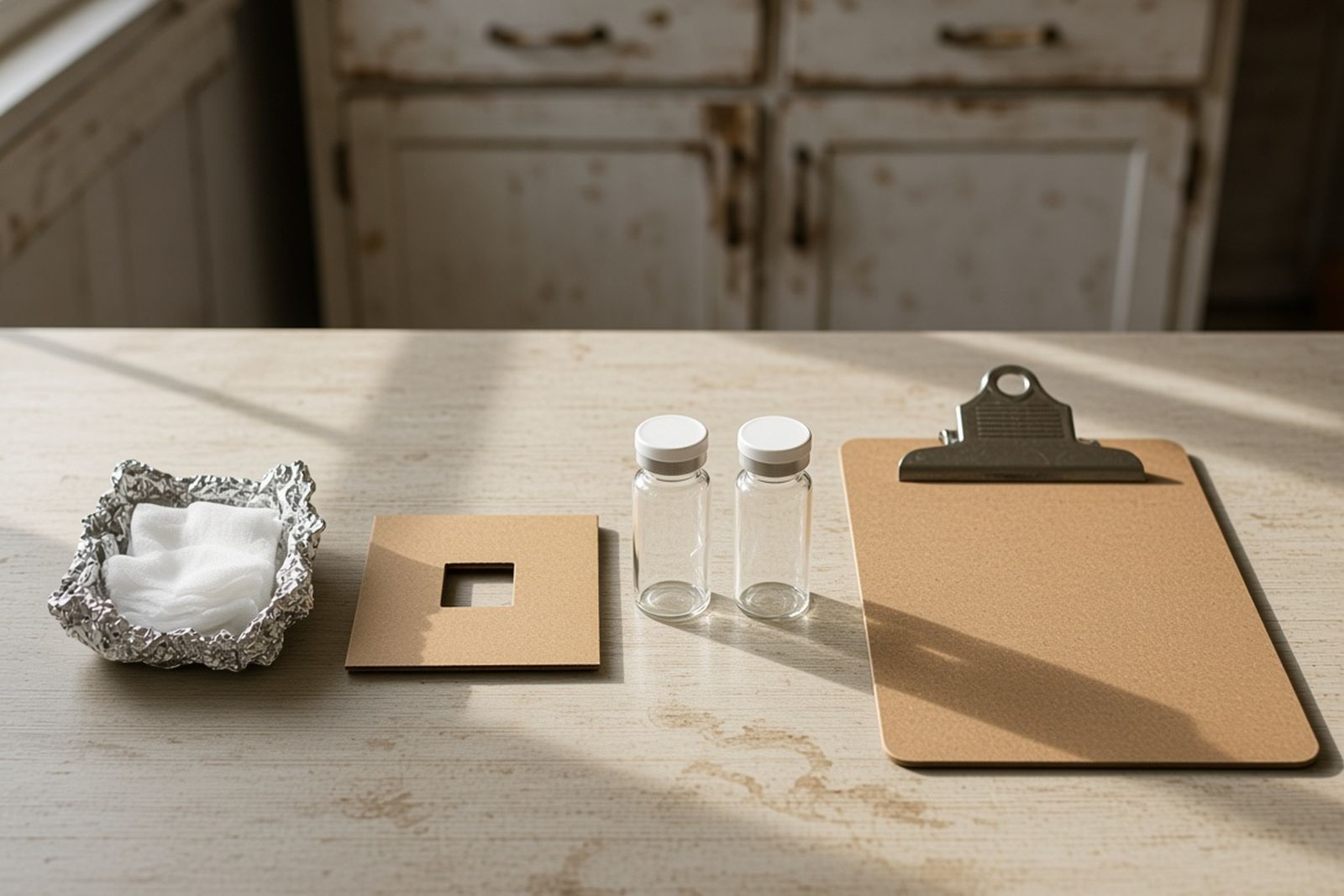
Wipe-sampling supplies on a counter: gauze in foil, a sampling template, vials and a clipboard
Illustrative photo, not a job record. Wipe-sampling supplies on a counter: gauze in foil, a sampling template, vials and a clipboard.
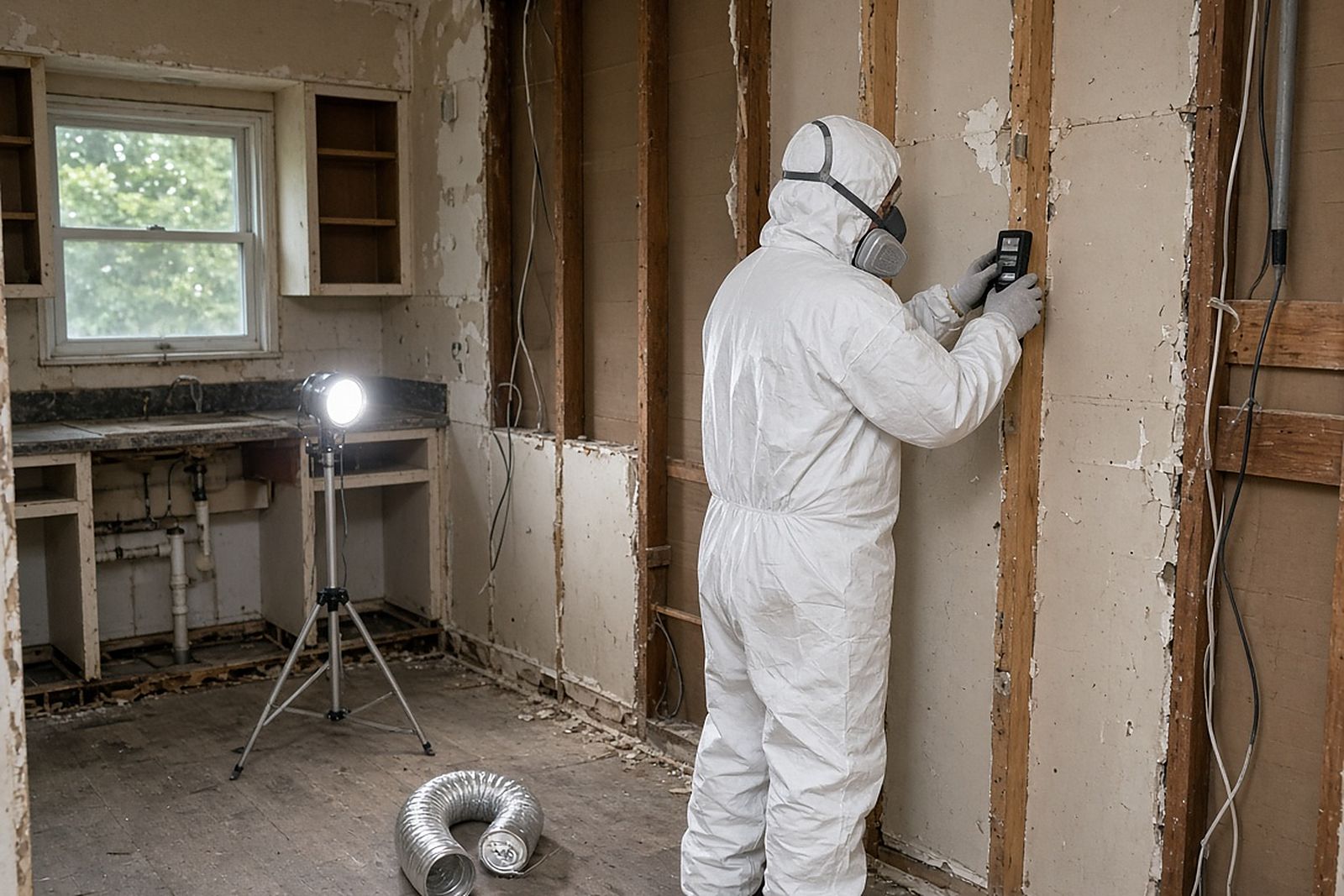
Technician in a respirator checking exposed studs in a gutted kitchen with a work light and duct
Illustrative photo, not a job record. Technician in a respirator checking exposed studs in a gutted kitchen with a work light and duct.

Meth Lab Cleanup figures to keep in mind

National and research figures, not Manhattan data. Local conditions, rules and providers vary; use these for scale and context only.

18 states + DC

As of April 2025, 18 states plus D.C. had no laws at all governing cleanup of properties contaminated by controlled substances.

Read with care: Absence of a law does not mean absence of local health-department orders or seller disclosure duties.

Source: Legislative Analysis and Public Policy Association (2025)All 50 US states, D.C. and territories, research current as of March 2025

15%

The US Office for Victims of Crime reports that approximately 15 percent of meth labs are discovered as a result of a fire or explosion.

Read with care: Dated figure from the peak lab era; today's one-pot labs have different fire dynamics.

Source: Office for Victims of Crime, US Department of Justice (2003)United States, early 2000s lab era

1,325 incidents; 162 injured

Five states reported 1,325 meth-related chemical incidents from 2001–2012; 87 of them injured 162 people, including at least 26 children.

Read with care: Only five states participated in the surveillance system, so national totals are far higher.

Source: CDC MMWR (2015)Louisiana, Oregon, Utah, New York and Wisconsin, 2001–2012

These figures are public research and agency data, not this network's own job records. Keep each number with its population, year and limits; none of them predicts cost, timing or outcome at a specific property.

Plan before you reach out

Use the first 24 hours planner for immediate steps and the provider vetting checklist to confirm any Manhattan provider's training, insurance and waste path in writing.

What research has found

Findings from published studies of people and properties in situations like this one. They describe what researchers observed in a specific group; they are not predictions for your case.

Residents reported sleep problems during exposure periods.
Who was studied: 63 people in 25 selected residential exposure case studies.Limits: Selected cases; self-reported symptoms; cannot establish causation, prevalence or a safe threshold.Environmental Methamphetamine Exposures and Health Effects in 25 Case Studies (2020)
Methamphetamine was detected within a mattress, not only on its exterior.
Who was studied: One Australian home with suspected former manufacture, sampled more than five years later.Limits: One property; no general prevalence or current clearance threshold inferred.Contamination of Homes with Methamphetamine: Is Wipe Sampling Adequate to Determine Risk? (2019)

Meth Lab Cleanup community polls

Poll results

Every count is a real visitor vote; nothing is seeded or padded. One vote per poll per device, and you can change your answer.

Your experience

If a house you wanted had a documented lab cleanup that passed clearance, what would you most likely do?

No visitor votes yet
Industry

Which factor would you weigh most when choosing a meth cleanup contractor?

No visitor votes yet

Planning cleanup in Manhattan?

Send a short message about the property to the follow-up inbox. A coordinator can reply by email with next steps.

Your request is sent to the follow-up inbox. A coordinator can reply by email.

If anyone is hurt or in danger, call 911 first.