Midwest · US

Meth Lab Cleanup in Lake Forest, IL: North Shore Coach Houses, Freeze Vacancies, and Trust Packets

Planning meth lab cleanup in Lake Forest, IL

Plan meth cleanup for a Lake Forest main house and coach house. Stage winter work with care, test each building, and do not rely on a made-up Illinois number. This is planning guidance, not a claim of a local office or crew in Lake Forest.

Get an email reply about meth lab cleanup

Send a short message to the follow-up inbox. A coordinator can reply by email. This form does not send emergency help; call 911 first if anyone is in danger.

Tell us what you need help with. Share a short description; please leave out medical details, access codes, and other sensitive information.

A request does not confirm a booking. For immediate danger, contact local emergency services.

Or email info@prompartybuses.com

Direct answer

The short answer for Lake Forest, IL

In Lake County on the North Shore, meth residue jobs often involve a main house, a coach house, and homes kept heated while empty in winter. You can plan this work without a made-up Illinois statewide meth number for moving back in. Winter staging on bluff lanes, Illinois EPA chemical-waste rules, Illinois DPH exposure notes, and EPA's voluntary guidance all help. So does a written, case-by-case pass standard. Together they build a trust file without fake microgram figures.

Editorial guide · Biohazard Remediation NetworkUpdated 2026-07-22Location focus: Lake Forest, IL

Local planning context

Wooded North Shore lots often hold a main house, a coach house, and a pool pavilion. Sales photos may leave some of these out. Residue problems show up during trust sales. They also show up when a cottage kept heated for winter turns up signs of drug use. Or an environmental consultant may ask for wipe tests before listing. On this page's sources, Illinois has no statewide meth number for moving back in that we can cite. EPA's Voluntary Guidelines for Methamphetamine and Fentanyl Laboratory Cleanup offer ideas on the order of work. They do not set a federal microgram rule for bluff-edge lots. Put a case-by-case pass standard in writing. If a bluff-lot sales pitch quotes a state clearance number, say no.

January freezes and black ice on service courts change where you stage waste. Sealed bins may need to wait on heated garage aprons before any truck heads toward Green Bay Road. Say a converted stable loft has stained concrete and solvent cans. That widens the Illinois EPA waste review. A closed guest suite with only foils can still soak residue into wool carpet and ceiling air returns. For questions about who may have breathed or touched residue, see the Illinois Department of Public Health. City health contacts can answer questions once hazmat crews release the site. Snowplow piles and overnight parking bans shrink the time you can use the curb. Plan bag-outs like a winter power outage, not like a warm-weather bridge line.

Trustees and buyers often ask for lab PDFs, even with no statewide number to cite. A closed-up coach house can hold odor all winter. But odor tells you nothing about whether it is clean. Fresh paint in a coach house proves little. Without lab results checked against your written pass standard, it will not support moving back in.

Lake-effect snow and frozen French drains change the winter order of work. Keep meltwater out of coach-house basements while crews work upstairs. Upstairs, crews seal rooms with plastic walls and run air filters so coach-house dust stays put. Salted gravel gets tracked into wool stair runners. Those runners then fail wipe tests after cleanup. When it gets cold, sort items on heated garage tables, not open gravel courts. Neighbors near the Metra line may complain about early bag-outs, so aim for midday. Estate lawyers often split bills by building. Label each lab PDF with coach-house or main-house sample numbers.
Property considerations

List every heated space first: main house, coach house, pool pavilion, and storage suite. Then map the wipe spots.

Stage sealed waste on service drives that never pass through clean pantries or formal rooms.

Check each separate heating, cooling, or heat-pump system. Lots with several buildings often have more than one.

In the coach house list, keep cooking glassware and solvents separate from smoking foils. This helps sort the waste.

Plan winter load-outs on bluff lanes so bags do not sit on icy shared road edges.

Response-planning framework

Walk every heated building before the lake-effect freeze

Tour the main house, coach house, and pavilion with the estate lawyer while freeze heat is still on. Photograph wool stair runners and salted gravel tracks on their own. Write a case-by-case pass standard, since this page cites no Illinois statewide meth number. Hold off on real estate photos until sample numbers are labeled by building.

Sort items in a heated garage, not on open gravel

When it gets cold, sort soft items on heated garage tables, not on windy gravel courts. Seal off coach-house work so meltwater and dust never reach the main kitchen. Throw out wool runners that fail early tests. Wash hard surfaces with detergent, using air filters that trap fine dust. Have solvents found in stable lofts sorted under Illinois EPA waste rules.

Winter controls for French drains and heat pumps

Keep meltwater out of coach-house basements while crews work upstairs with dust barriers. Change filters on every separate heat pump. Tag systems off while walls and floors come out. Clean tools before carrying them into formal rooms. After lake-effect storms, salted gravel tracked inside often makes wipe tests fail.

A trust binder split by building for escrow near the Metra line

Put together lab PDFs labeled coach house or main house. Add waste shipping records, heating and cooling notes, and staging logs by the snowplow piles. Add a brief memo saying if the coach house saw meth cooking or just use. Retest anything that fails. Set bag-outs for midday to fit the times neighbors near the Metra line tend to complain.

Documentation checklist

  1. 1Case-by-case testing plan and written pass standard
  2. 2Any Illinois EPA or board of health letter, if one was sent
  3. 3Site plan of the coach house and main house with wipe spots
  4. 4List of soft, absorbent items removed, split by coach house and main house
  5. 5Furnace and heating or cooling service notes for each building
  6. 6Waste sorting records for any coach-house cooking chemicals
  7. 7Log of winter curb bans and staging near snowplow piles
  8. 8Trust binder with final lab pages split by building

Official resources

Questions for this location

Can North Shore trustees cite an Illinois coach-house microgram rule?

No. We found no Illinois statewide meth figure to cite for families moving back in. EPA's guidance is voluntary. It does not give coach houses a federal target. Set a case-by-case pass standard. Use wipe tests from an accredited lab and sample maps labeled by building. Do not make up a city ordinance number.

Why sort soft items in a heated garage during lake-effect weeks?

Open gravel courts ice over. Salt then gets tracked into wool runners, which later fail wipe tests. Heated garage tables keep meltwater and grit under control. Sealed bins still need midday pickup times so Metra-hour neighbors do not complain. Photograph the staging by the snowplow piles for the trust file.

How should invoices split when coach house and main house both need work?

Estate lawyers often split costs by building. Label every lab PDF and every list of thrown-out soft items as coach house or main house. Separate heat pumps need their own filter notes. Mixed, unlabeled results can stall escrow along the Metra line. That happens when lenders' reviewers cannot see which building passed.

What winter problem most often brings dust back into cleaned formal rooms?

Three things stir dust back up. One is salted gravel on boots. Another is open French drains that flood coach-house basements. The last is heat pumps turned back on too soon. Keep systems off while walls and floors come out. Put mats where the garage meets the kitchen. Retest wool stair runners after winter load-outs.

What goes in a building-split trust binder after winter cleanup?

Include your case-by-case pass standard and sample maps labeled by building. Add chain-of-custody forms, which track who handled each sample. Add lab reports and lists of soft items removed from each building. Then add waste records, heat-pump notes, and the snowplow staging log. Close the binder with a memo on cooking versus use in each Lake Forest building. Present the lab results as proof for these buildings. Illinois has no statewide meth number cited here.

How should Lake Forest owners handle residue in a historic estate?

Lake Forest has many historic estates. They often have original woodwork, plaster, and rooms planned by architects. Before you remove original materials, try test cleanings and retest. A contractor who cares about old homes can suggest gentle methods. If something must be replaced, write down why with care. The city may review outside changes in historic areas. Check before you change windows or other outside details.

Does a ravine-side lot in Lake Forest need special care during cleanup?

Lake Forest's ravines and bluffs near Lake Michigan are easily harmed. Do not stage waste near ravine edges. Do not rinse wash water outside where it could run downhill. Plan truck routes on firm ground, above all after rain or a spring thaw. Guarding the ravine also protects the property and your neighbors.

Contact

Get help by email

Send a short message for an email reply about meth lab cleanup planning questions for the Chicago area.

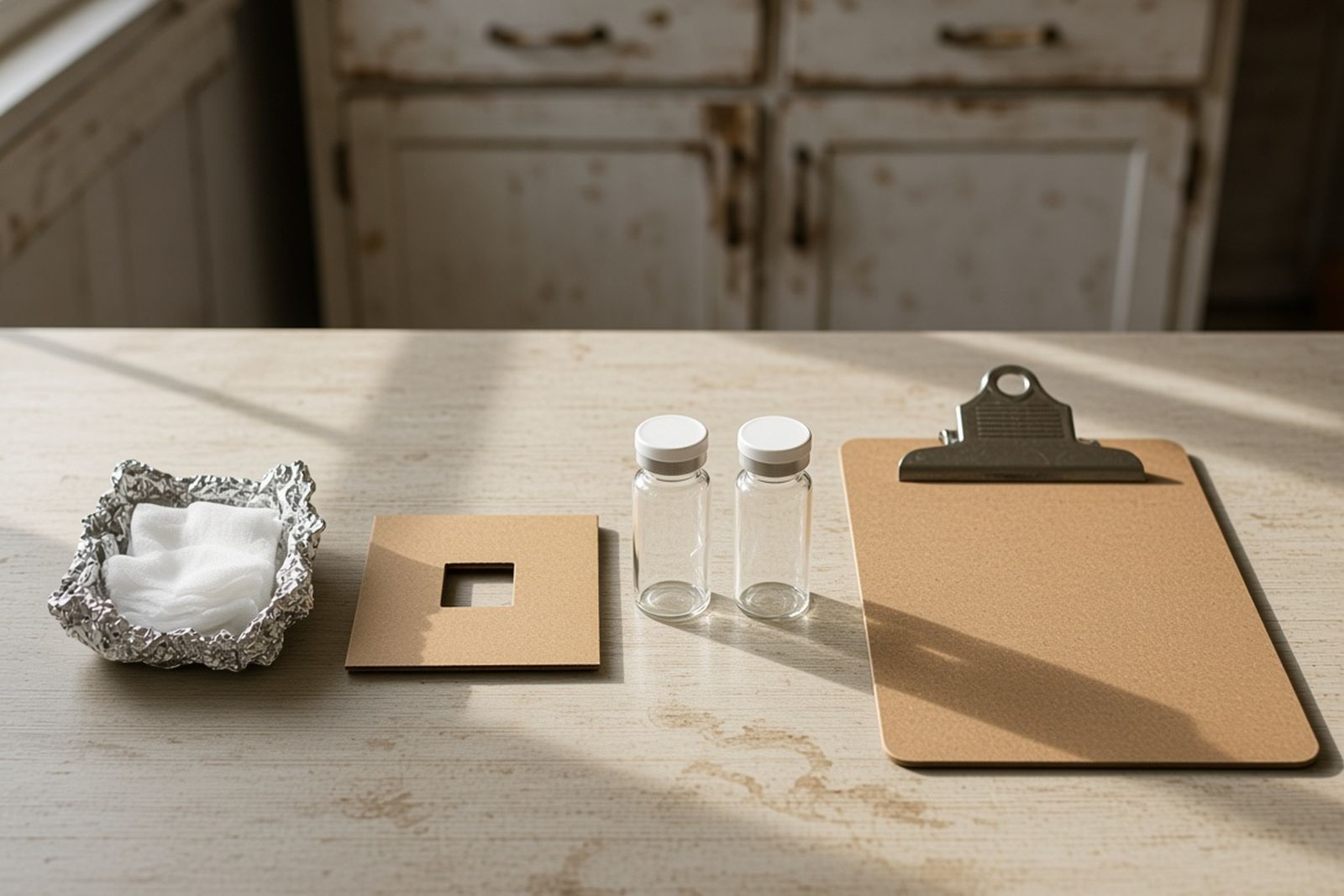
Wipe-sampling supplies on a counter: gauze in foil, a sampling template, vials and a clipboard
Illustrative photo, not a job record. Wipe-sampling supplies on a counter: gauze in foil, a sampling template, vials and a clipboard.
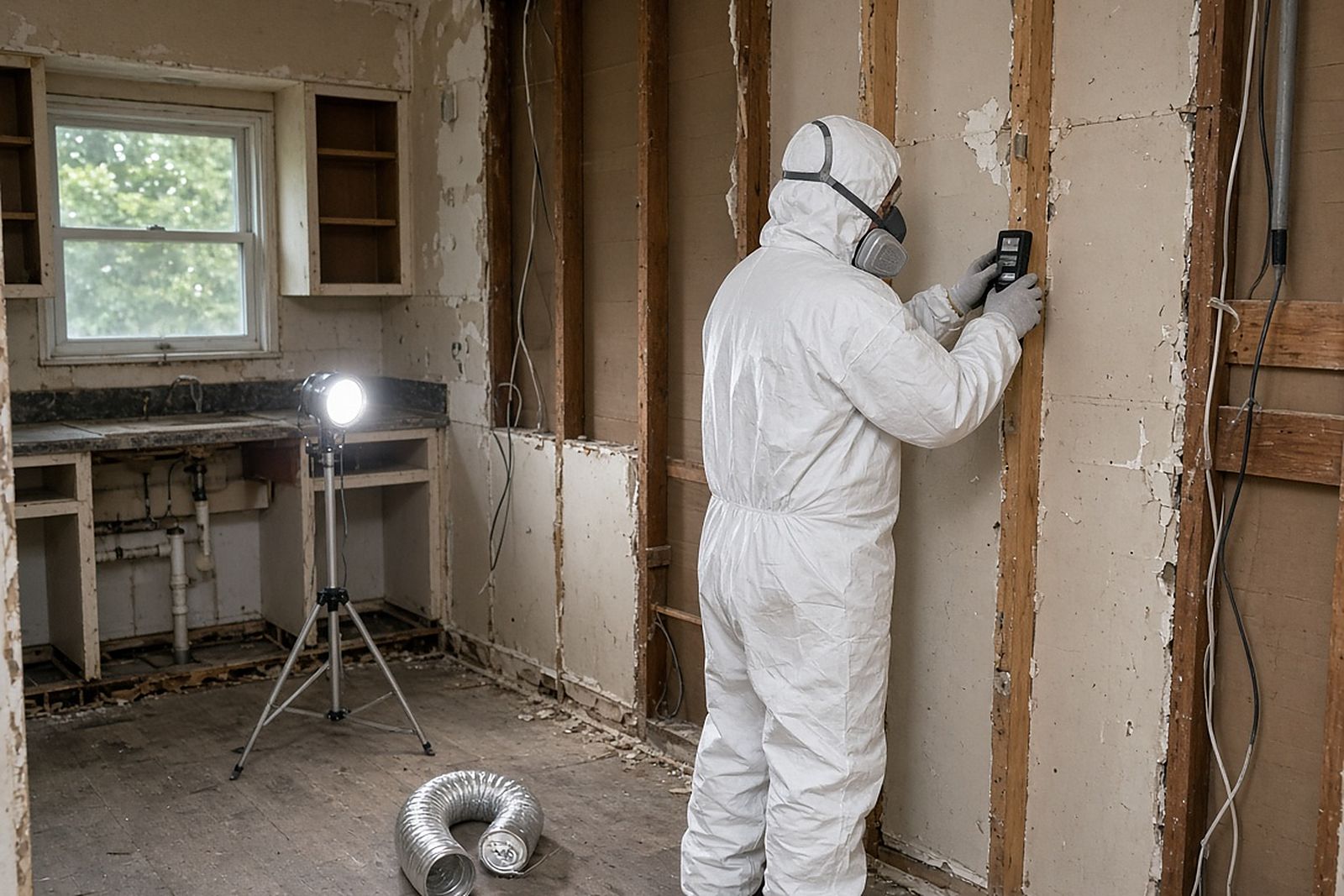
Technician in a respirator checking exposed studs in a gutted kitchen with a work light and duct
Illustrative photo, not a job record. Technician in a respirator checking exposed studs in a gutted kitchen with a work light and duct.

Meth Lab Cleanup figures to keep in mind

National and research figures, not Lake Forest data. Local conditions, rules and providers vary; use these for scale and context only.

18 states + DC

As of April 2025, 18 states plus D.C. had no laws at all governing cleanup of properties contaminated by controlled substances.

Read with care: Absence of a law does not mean absence of local health-department orders or seller disclosure duties.

Source: Legislative Analysis and Public Policy Association (2025)All 50 US states, D.C. and territories, research current as of March 2025

2009 / 2013 / 2021

EPA's Voluntary Guidelines for Methamphetamine and Fentanyl Laboratory Cleanup were first issued in 2009, revised in 2013 and updated again in August 2021 to add fentanyl.

Read with care: The guidelines are voluntary and set no federal numeric cleanup standard.

Source: US EPA (2021)Federal guidance, United States

84% hospital-treated

Of people injured in meth-related chemical incidents, 84% were treated at a hospital, and the share of incidents causing injury rose from under 5% (2001–2007) to 10% (2008–2012).

Read with care: The rise in injury share coincided with the shift to one-pot labs, but causation was not proven.

Source: CDC MMWR (2015)Five-state surveillance, 2001–2012

These figures are public research and agency data, not this network's own job records. Keep each number with its population, year and limits; none of them predicts cost, timing or outcome at a specific property.

Plan before you reach out

Use the first 24 hours planner for immediate steps and the provider vetting checklist to confirm any Lake Forest provider's training, insurance and waste path in writing.

What research has found

Findings from published studies of people and properties in situations like this one. They describe what researchers observed in a specific group; they are not predictions for your case.

Reported symptoms occurred across a broad range of measured surface residues.
Who was studied: 63 people in 25 selected residential exposure case studies.Limits: Selected cases; self-reported symptoms; cannot establish causation, prevalence or a safe threshold.Environmental Methamphetamine Exposures and Health Effects in 25 Case Studies (2020)
Inhalation could contribute exposure beyond skin contact and incidental ingestion.
Who was studied: Air sampling and contaminated-material experiments involving two properties.Limits: Limited properties and experimental conditions; modelled exposure is not observed illness.Current practices underestimate environmental exposures to methamphetamine: inhalation e… (2021)

Meth Lab Cleanup community polls

Poll results

Every count is a real visitor vote; nothing is seeded or padded. One vote per poll per device, and you can change your answer.

Your experience

If a house you wanted had a documented lab cleanup that passed clearance, what would you most likely do?

No visitor votes yet
Industry

Which factor would you weigh most when choosing a meth cleanup contractor?

No visitor votes yet

Planning cleanup in Lake Forest?

Send a short message about the property to the follow-up inbox. A coordinator can reply by email with next steps.

Your request is sent to the follow-up inbox. A coordinator can reply by email.

If anyone is hurt or in danger, call 911 first.