Does Great Falls swap Virginia’s 1.5 µg/100 cm² meth target for a local number?
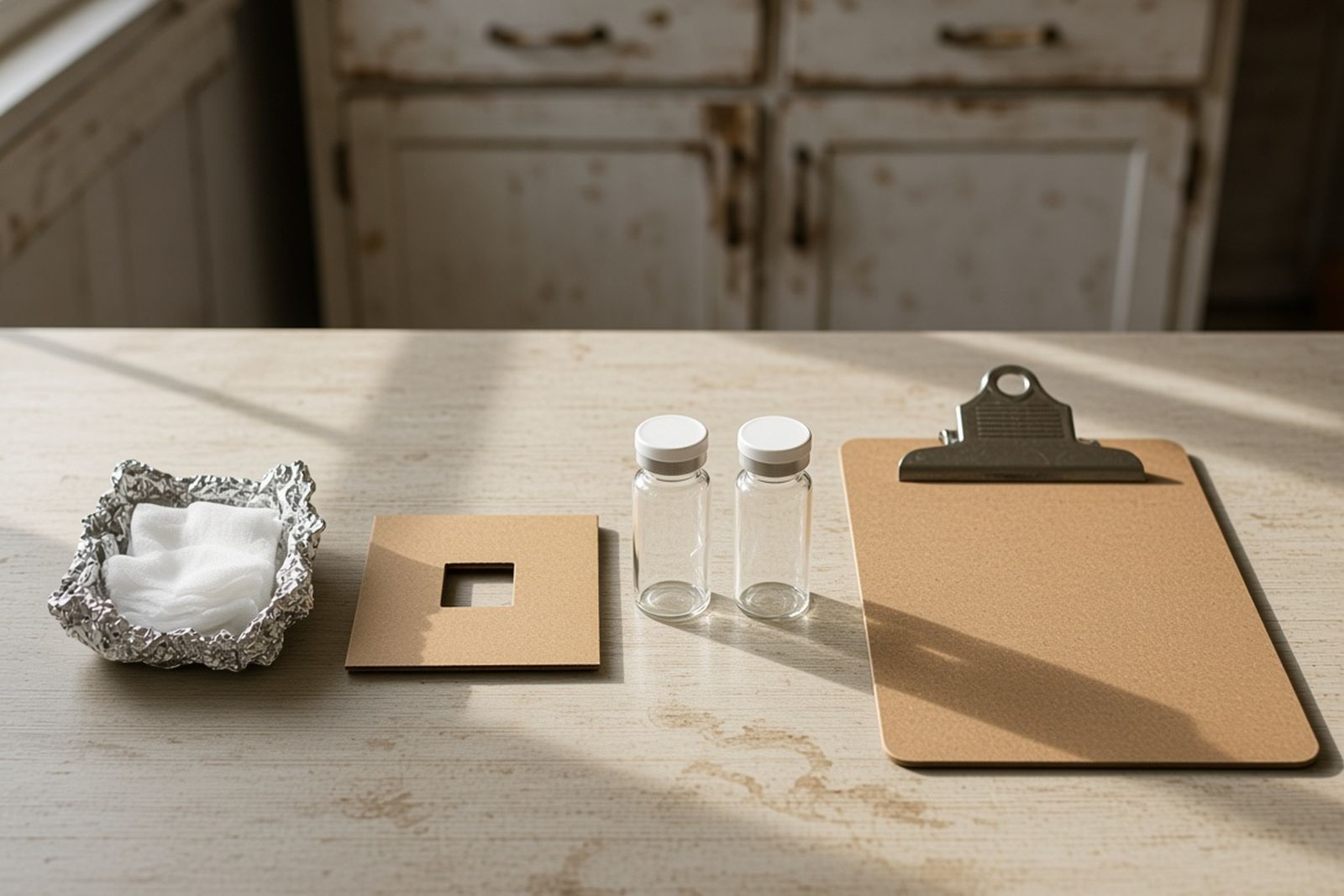
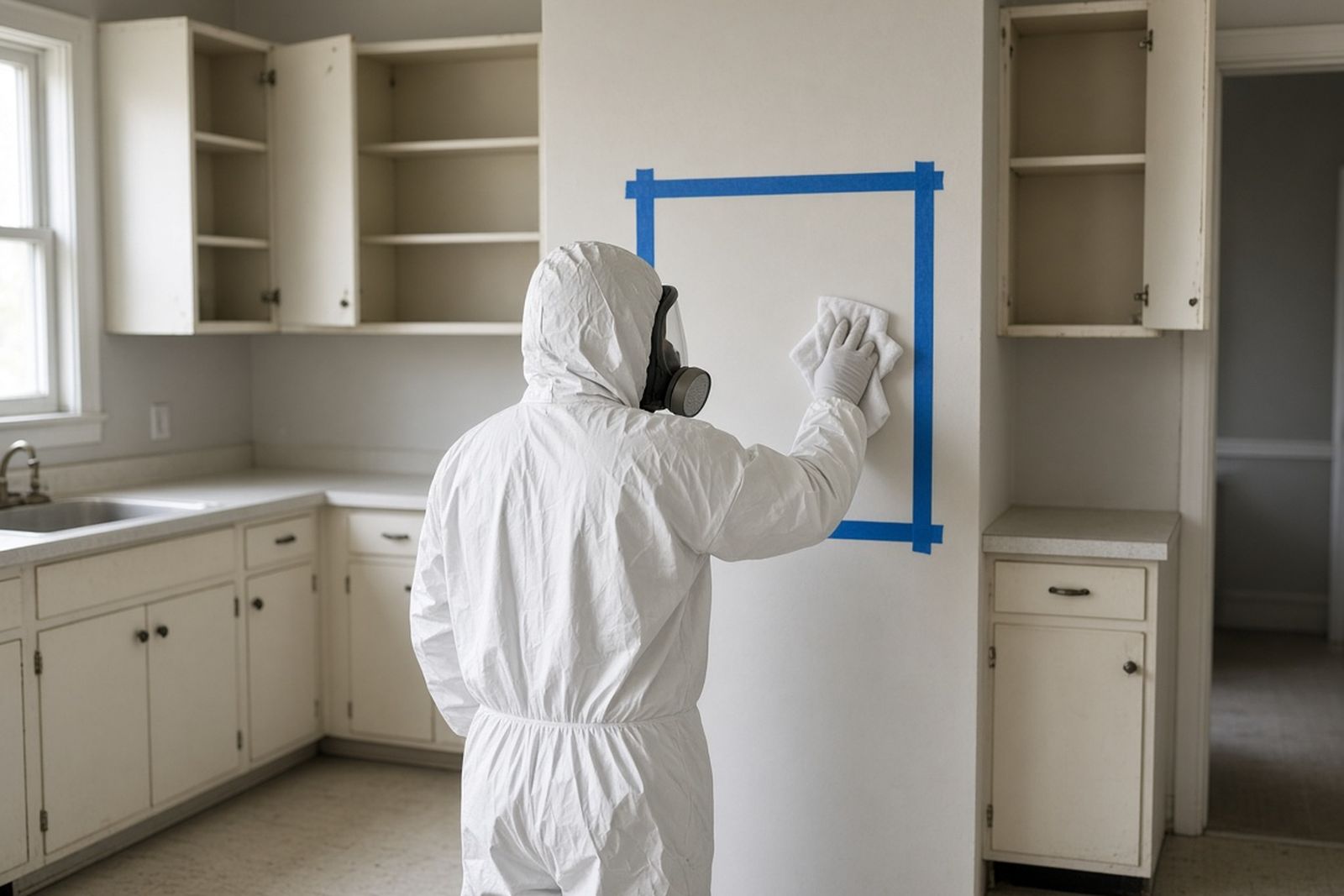
No. Great Falls follows the Virginia Department of Health guidelines. They set the health-based surface limit for former meth lab sites at 1.5 micrograms of meth per 100 square centimeters. VDH issued that number in its August 6, 2025 guidelines, under the Board of Health power in Code of Virginia § 32.1-11.7. This page does not cite any separate local microgram limit for this community. You show certification with accredited wipe tests mapped across each building on the lot. The guidelines say they are not law on their own, but they are the official target for certifying cleanup. Smell and fresh paint are not stand-ins. For estate sales in the DC area, keep the lab results in the permanent property file.
How do barns and guest cottages change staging and choices about soft materials?
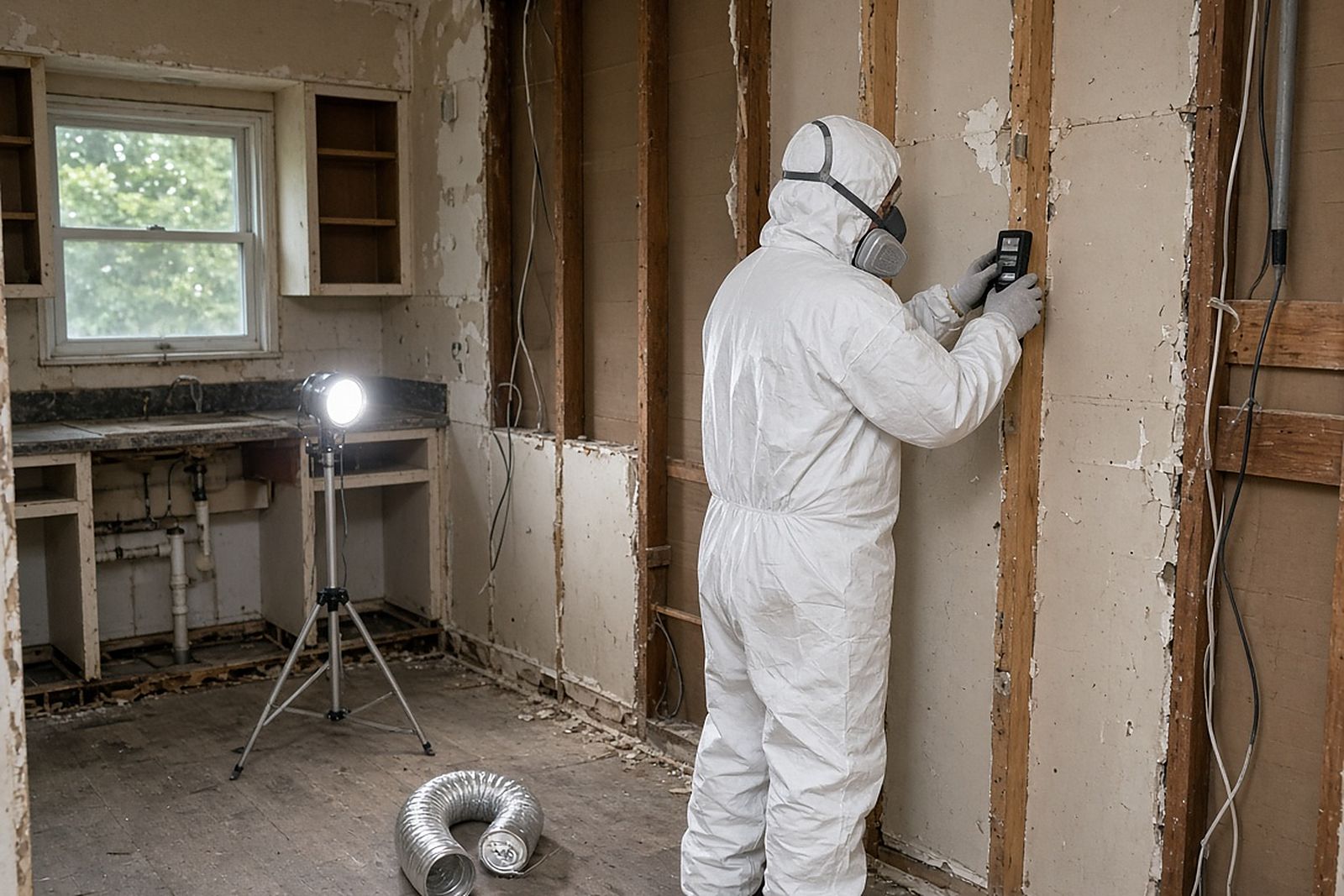
Old plaster, soft wood trim, open barns, and layers of past remodeling all hold residue. Washing may not bring them down to 1.5 µg/100 cm². Long drives and gravel courts raise the chance of spreading dust when debris moves uncovered. Testing plans should include barns, built-in cabinets, and heating, cooling, or space-heater areas common on estates. Use the VDH aids to decide what to keep or toss, not fondness for an old barn’s charm. Love of original materials cannot outweigh residue in spaces people use. Plan staging on private lanes before tear-out starts. Write down what was removed and why. When barn materials fail testing, the usual fix is more removal, not more paint. Fit waste routes to the real limits of narrow estate lanes.
Does a Great Falls seller have to tell buyers that meth was once made there?
Code of Virginia § 55.1-708 covers an owner who truly knows meth was made on the property. It applies when the place was not cleaned up under the § 32.1-11.7 guidelines and related license rules. That seller owes buyers a written disclosure, made on the Real Estate Board form. If certification is done for every building, talk with a lawyer about how to describe the history before you list. This page is a guide, not legal advice. Northern Virginia estate buyers often ask for the full lab package no matter what. A story based only on smell tends to hold up an acreage closing.
Is smoking in the main house handled differently from a cook site in a barn?
A cook site in a barn or cottage puts that building on the VDH cleanup and certification path. It can also trigger § 55.1-708 disclosure if cleanup is not finished. Smoking alone may not fit the law’s wording about making meth. Yet fine meth dust can still build up on floors, soft goods, and air-system dust in closed-up estate rooms. Either way, test, remove soft materials that hold residue, and stop dust from moving between buildings before children come back. Meth lab certification wording does not belong on a building where meth was only used. If glassware or solvents turn up in an outbuilding mid-job, move that building onto the meth lab path. Photograph the signs you find. Landlords or trustees who treat a quick sweep for drug gear as proof of a clean home have nothing to show the next household. Accurate files protect the family on the lot and everyone in the sale.
What belongs in a certification file for a lot with several buildings?
Include the VDH guideline checklist and notes, the list of removed soft materials, and waste records. Add notes on air systems and sealed openings, and the chain-of-custody forms that track each sample. Include accredited wipe results compared to 1.5 µg/100 cm² and the certification forms the guidelines describe. Add photos of drive staging and of the sealed work areas. Add police release notes when you have them. Map sample spots across barns, cottages, basements, and baths, not only the obvious room. Keep § 55.1-708 forms if disclosure applied. Record each retest after any failed round. Receipts for ozone machines cannot replace lab results compared to the target. A complete file answers buyer and lender questions without redoing the scope. File every PDF with the estate’s lasting property records. Record cooking versus use for each building, so certification wording is not tied to a use-only building.
How should Great Falls owners protect horses and other animals during cleanup?
Many Great Falls properties keep horses or other animals near barns that may be part of the work area. Move animals away from any barn being cleaned, and keep them off the routes used for debris. Throw out feed, hay, and bedding stored in an affected barn. Do not use them. Ask your vet if you are worried about animal exposure. Go back to normal barn use only after final results meet the VDH target.
What should Great Falls buyers ask about outbuildings before they close?
Ask whether every building on the lot was checked and, where needed, cleaned and certified. That includes barns, guest cottages, pool houses, and workshops. Ask for the full lab file, mapped by building. If only the main house was tested, think about asking for tests of the outbuildings before closing. A real estate lawyer can help with contract terms. For general public health questions, the Fairfax County Health Department is a good contact.