Field guide
Meth Lab Cleanup: Qualified Provider Checklist
How to compare meth cleanup companies. Check the official release, state rules, testing plan, worker safety, cleanup plan, waste handling, and final report.
For: This guide is for owners, landlords, property managers, and buyers. It is also for lenders, insurers, public agencies, and people managing property for others who need to hire a cleanup company for a former meth site.
Organizational editorial byline · Updated 2026-08-01 · Verify case-specific requirements with the responsible authority.
Ask about your situation
Your request is sent to the follow-up inbox. A coordinator can reply by email. Not for emergencies; call 911 first if anyone is in danger.
Direct answer
What is the practical approach?
Choose a meth cleanup company only after you confirm two things. First, police or the responsible authority must have removed the main hazards. Second, they must have released the property for the work you plan. Ask the contractor to name the current state and local rules that apply. These rules may cover notice, who is qualified, testing, cleanup levels, waste, records, and moving back in. The EPA's 2021 guidance is voluntary and does not replace them. Compare each bid on several points. Look at the first check of the site, the testing plan, and the cleanup plan. Look at the worker safety review, decisions on materials and heating and cooling (HVAC), and how waste will be identified. Look at testing after cleanup and the final report. Check claimed licenses and insurance yourself. Keep the roles of the assessor, lab, contractor, owner, and approving authority clear.
First confirm the chemical removal, the release, and the legal status
A suspected or active lab can hold many dangers. There may be unknown chemicals, gas cylinders, reactive residue, and fire or explosion risks. There may be drugs, sharps, booby traps, and evidence. While emergency services or police are in control, do not go in or touch containers. Do not air the place out, take samples, or hire regular cleaners. The cleanup phase starts only after the response agency has dealt with immediate dangers and the main contamination. They must also secure the site and release the needed area. Write down who released it. Note which buildings, vehicles, soil, water, or contents are still off-limits, and which hazards were recorded.
Find out the property's legal status before you compare methods. States and cities may differ on notice systems and on the qualifications for contractors or assessors. They may also differ on cleanup standards, testing rules, public lists, disclosure duties, waste rules, and approval steps. The EPA says its national guidance is voluntary and does not override those rules. A good provider names the exact current authority and written rule it will follow. It should not quote a limit from another state. It should not treat EPA guidance as a federal clearance law.
Keep assessment, testing, lab, and contractor roles separate
Ask who does each step. Who does the first check and who designs the testing? Who takes the samples and who tests them? Who writes the cleanup plan and who does the cleanup? Who tests after cleanup, reads the results, and sends the final report? Local rules may require independence or certain qualifications. Where they do not, money ties should still be disclosed. A contractor who controls every step without open methods creates a conflict risk. You need named people and their credentials. Where it matters, you need the lab's accreditation or the basis for its methods. You also need a way to fix mistakes.
Testing must start with clear questions and quality goals. A wipe result stands for one set surface size, spot, time, method, and chemical. It does not map a whole property by itself. A combined sample can answer a different question than separate samples. Ask how the history, signs of drug making or use, and how each room was used affect sample spots. Also ask about HVAC, plumbing, outdoor areas, contents, and likely hot spots. The plan should set blank samples, chain of custody, the lab method, and reporting limits. It should also set pass-or-fail levels and what each result will trigger.
Require a cleanup plan built for this site, by material and pathway
The EPA's voluntary cleanup steps start with a first check and possible testing before cleanup. Next come a cleanup plan, removal of contaminated materials, and waste decisions. Then come vacuuming with a HEPA (fine-particle) filter, washing, and a review of HVAC. Last come testing after cleanup and a final report. The contractor should fit these steps to the local rules and to what is on site. The plan must list what is in scope, left out, or assigned to another expert. That includes rooms, outdoor areas, drains, and septic or sewer links. It also includes HVAC parts, appliances, vehicles, soil, water, and contents.
Decide on each material separately. That includes walls, ceilings, floors, concrete, wood, counters, appliances, fixtures, and windows. It also includes carpet, fabrics, upholstery, mattresses, paper, toys, and mobile homes. Cleaning, removal, sealing, disposal, and expert review are not the same thing. Ask what proof supports keeping a soft, absorbent item. Ask how repeat washing is recorded and when sealing is allowed. Ask which surfaces must stay visible for inspection. A low total price means nothing if it leaves out HVAC, contents, wash water, or outdoor impacts.
Review worker safety without assuming one rule always applies
Former drug labs can pose many hazards. These include chemicals, dust, burns, fire, electrical risks, weak structures, heat, sharps, and unknown powders. The employer should review the site and each task and find which OSHA rules apply. It should explain the hazards to workers and choose safety steps and protective gear. It should also set up cleaning of workers and gear and emergency steps. Respirator use can require a medical exam, fit testing, choosing the right mask, training, and upkeep. Ask how the project's safety plan was worked out. Do not treat a course card or protective suit as proof that every employer duty is met.
Do not assume OSHA's hazardous waste rule (HAZWOPER) applies to every property just because meth is mentioned. Do not assume it never applies either. OSHA coverage depends on the type of work, the site, the hazards, the employer's role, and the legal criteria. The provider should write down its decision on whether the rule applies, and which other rules apply. It should not use "HAZWOPER certified" as a general badge for consumers. Unknown chemicals or live hazards should go back to the responsible emergency or hazardous materials authority. A cleanup sales crew should not poke around.
Trace decisions on waste, wash water, HVAC, and outdoor areas
The EPA explains that meth lab waste chemicals are not ordinary household hazardous waste just because the lab was in a home. How waste is identified, who counts as the waste owner, and how it is packed, stored, hauled, and disposed of depend on the waste and the rules. Ask the provider to list each type of waste. Ask for the lab basis where needed, the hauler, and the receiving site. Ask for the waste shipping records or receipts and a plan if a load is rejected. Wash water, filters, vacuum contents, demolition debris, soil, containers, and personal items may not all go the same way.
HVAC and plumbing can spread or hold residue. But always replacing ducts or flushing drains is not a sound answer. The plan should show the system layout and whether it ran during the suspected activity. It should list the parts that can be reached, filters, return vents, ducts, and condensate lines. It should cover sinks, drain traps, and sewer or septic conditions, and say who inspects them. Outdoor soil, surface water, groundwater, sheds, vehicles, and dumping areas need their own boundaries and authorities. A provider should say clearly where its building scope ends.
Check the company's identity, insurance, price, and change process
Check the legal business name and any current state or local qualifications it claims. Check assessor or contractor listings and the lab it works with. Check for discipline or expired licenses with the agency that issued them. Confirm key insurance directly. That includes general liability, workers' compensation, pollution or environmental, professional, and vehicle coverage. Training can support skill. But it does not prove current approval, insurance, lab quality, legal waste hauling, or good results. Ask who supervises subcontractors and who is responsible for mistakes in testing, work, or reports.
Line bids up item by item so you can compare them. The items include the first check, testing, lab work, the plan, and containment. They also include labor, equipment, wash cycles, removals, HVAC, contents, waste, and wash water. Add outdoor work, testing after cleanup, reports, authority fees, and rebuilding. Set unit prices for surprises and say who can approve changes. Insurance or financing never guarantees that the cleanup will pass or that the public authority will approve it. Before work starts, the contract should cover failed samples, extra cleanup, and retesting. It should also cover the schedule, access, cancellation, and how disputes are settled.
Define approval by the rules in charge and the final report
Testing after cleanup should follow the rules in charge and the approved plan. That means the sample spots, surface sizes, methods, and quality checks. It also means chain of custody, lab testing, and comparison with the cleanup level. A good result answers only the question the sample was set up to answer. It does not settle every chemical not tested, hidden spaces, soil, or future conditions. Changes from the plan, spots that could not be reached, and limits of the data belong in the final review. Failed or mixed results need a recorded decision on how to fix them. They should not be left out.
The final report should tie together the first check, the samples, the cleanup plan, and daily work records. It should show what happened to each material, and the washing and HEPA steps. It should include HVAC and plumbing decisions, waste records, and results after cleanup. It should include photos, changes from the plan, remaining limits, and the handoff to rebuilding. It should name the person or authority that accepts or clears the property under the rules. A contractor invoice, no smell, or a general certificate does not replace that record. Make privacy and disclosure decisions with qualified state or local guidance.
Decision table
A qualified team makes every legal and technical role easy to trace.
| What to review | Proof to ask for | Warning sign |
|---|---|---|
| Authority and rules | Record of what was removed, the release, and current state and local rules | EPA guidance treated as a federal clearance law for everyone |
| Assessment and testing | Named roles, testing plan, sample spots, quality checks, chain of custody, and lab method | One wipe, not explained, used to judge everything |
| Cleanup plan | Steps for each material, system, outdoor area, and type of waste | A standard wash package that hides major exclusions |
| Worker safety | Site hazards, rules that apply, safety steps, and breathing protection plan | A course card treated as full qualification |
| Waste and systems | Waste type, destination, HVAC, plumbing, and outdoor boundaries | Assumes waste can go in household trash or down the drain |
| Completion | After-cleanup testing plan, results, changes, final report, and authority | An invoice or smell check offered as clearance |
Action checklist
- 1Confirm what was removed, the official release, and hazards that remain.
- 2Find the current state and local rules and the responsible authority.
- 3Name who does the assessment, testing, lab work, cleanup, and approval.
- 4Require clear test questions, sampling methods, quality checks, and chain of custody.
- 5Map the inside, contents, HVAC, plumbing, outdoor areas, and what is left out.
- 6For each material, decide whether to clean, remove, seal, test, or send to an expert.
- 7Review the employer's safety plan for chemicals, breathing, and emergencies.
- 8Write down why HAZWOPER and other rules do or do not apply.
- 9Identify the type of waste and wash water before choosing where it goes.
- 10Compare bids item by item and set costs for failed samples and changes.
- 11Approve testing after cleanup against the rules in charge.
- 12Require a complete final report and a handoff to the authority.
Questions and answers
Are EPA meth lab cleanup guidelines legally binding?
The EPA calls its 2021 guidelines voluntary. It points users to state and local rules. The document is a national planning guide, not a single federal cleanup level or clearance law. A state or city may set different standards and qualifications. It may also set different testing methods, reports, notices, and approval steps. Ask the provider to cite the current rule for your property. Ask them to explain how they use the EPA guide without letting it replace that rule.
Should the cleanup contractor collect its own clearance samples?
It depends on the rules that apply and whether the project must use an independent tester. At the least, disclose who designs, collects, tests, reads, and pays for the samples. Use a written testing plan with quality goals, methods, chain of custody, lab details, and pass-or-fail criteria. An independent qualified assessor may reduce conflicts. But a job title alone does not make the plan sound. The authority in charge and the approved plan should decide what setup is required.
Does every meth property require HAZWOPER?
Do not assume one answer fits all. Whether OSHA's rule applies depends on the work, the site, the hazards, the employer's role, and the legal criteria. Other rules can also apply. These include chemical hazard training, breathing protection, protective gear, electrical safety, and emergency rules. The employer should write down its review. "HAZWOPER certified" is not a general clearance for a property. Unknown live hazards should go to the responsible emergency or hazardous materials authority.
Can a home be cleared using one wipe sample?
One wipe stands for its own spot, surface size, chemical, method, and time. It cannot on its own speak for every room or material. It cannot cover every HVAC part, item of contents, outdoor area, or chemical. Testing should follow local rules and set questions. It should use sound sample spots, combined or separate samples where allowed, and quality checks. It should also use chain of custody, lab methods, and careful reading of results. The final report must state limits and changes from the plan.
What should the final meth remediation report contain?
It should include the authority and the rules it is based on, and the first check. It should include the testing plan and results, the cleanup plan, and work and material records. It should list the products and washing steps, HVAC and plumbing decisions, and waste and wash water records. It should include the after-cleanup testing plan and results, quality checks, photos, and changes from the plan. It should list areas that could not be reached, extra fixes, remaining limits, and rebuilding needs. It should name the person or authority who accepts the work. It should also make clear which parts are voluntary EPA guidance and which are binding rules.
What conflicts of interest should I ask about?
Ask whether the assessor, the sampler, the laboratory, and the cleanup contractor are related companies or share ownership. When the same firm designs the sampling, does the cleanup, and judges the results, it's harder to show the data is independent. Some jurisdictions address this directly. Even where they don't, you should know the relationships so you can decide whether a separate party should sample or review the results.
How should a provider explain what happens if samples fail?
Before you sign, the provider should explain in writing what it will do if post-remediation samples fail. That means how it will re-clean, re-sample, and report, and who pays for each step. The explanation should cover invalid samples and lab errors as well as true failures. If the provider says failure never happens or won't commit to a process, treat that as a warning sign and compare it with other bids.
Primary sources and scope
These sources support specific safety or process statements. They do not certify a provider, establish a universal property-clearance standard, or replace local requirements.
Use this guide with the planning tools
Open the provider vetting checklist to turn these questions into a checklist you can send to any provider. When you are ready to compare providers, the vetting checklist turns the questions in this guide into a list you can send.
Related articles
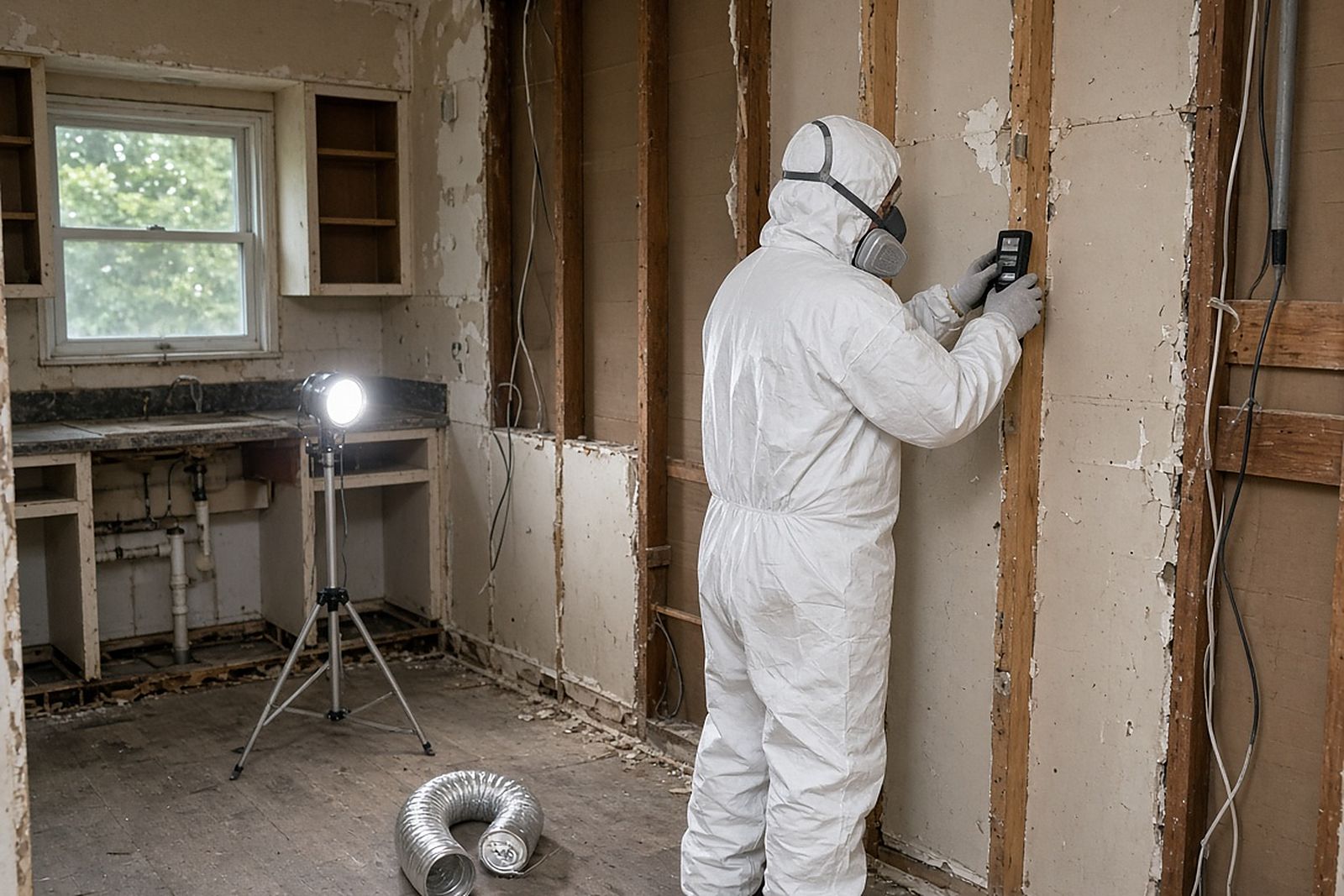 What to Expect During Professional Meth Lab CleanupProfessional meth lab cleanup typically follows a set sequence: a preliminary assessment with wipe sampling, a written work plan, containment and protective equipment, HEPA vacuuming and repeated detergent washing, removal of porous materials that cannot be cleaned, HVAC and plumbing work, then clearance sampling by a qualified person. Nobody should move back in until clearance results show the property meets the applicable standard.
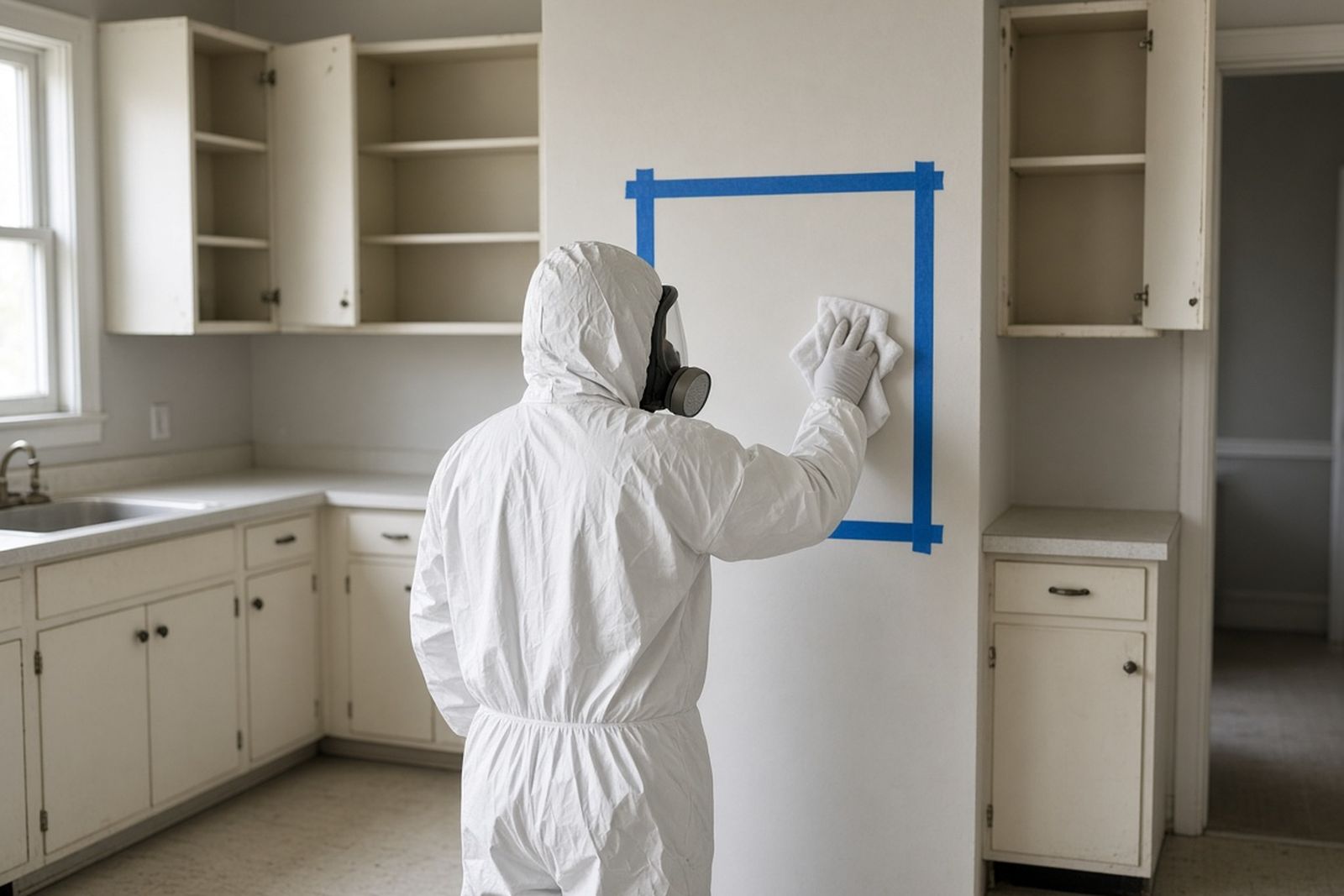 DIY vs Professional Meth Lab Cleanup: The Critical DifferencesDIY cleanup of a former meth lab is rarely a good idea. Residue is invisible, soaks into porous materials and can only be confirmed gone through laboratory testing, and many jurisdictions require certified contractors, approved work plans and independent clearance sampling. Owners can help by securing the property, avoiding disturbance, arranging testing and handling paperwork, while trained crews do the remediation itself.What Drives Meth Lab Cleanup Cost?Meth lab cleanup cost is shaped by how contaminated the property is, the clearance standard your state applies, whether surfaces can be washed or must be removed, how far residue traveled through the HVAC system, and how many rounds of sampling are needed to prove the property is clean. Separate assessment, remediation and clearance testing in every estimate so you can compare them fairly.
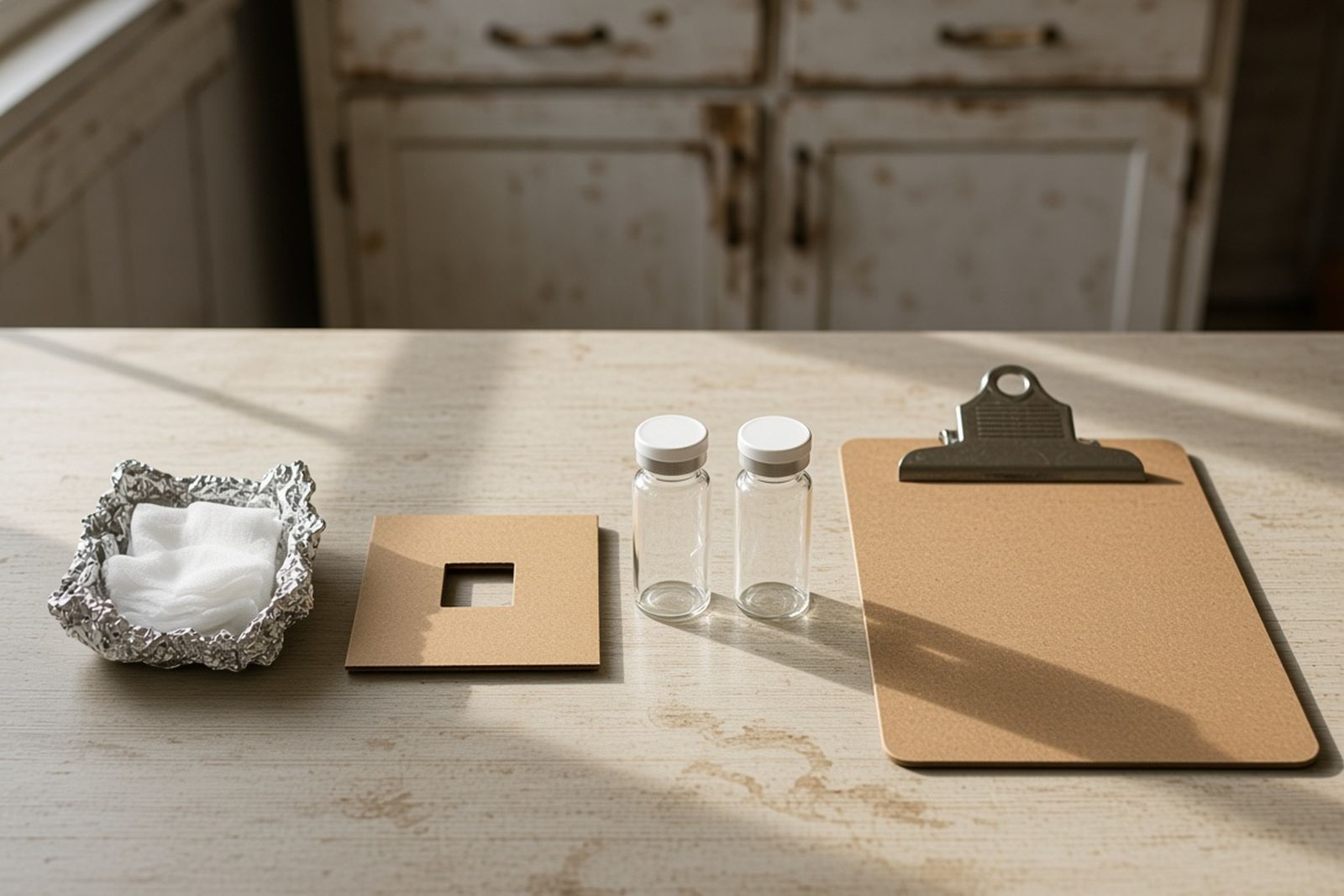 How to Research Waste Rules for Meth Lab CleanupResearch meth lab waste in two phases. Bulk chemicals and lab equipment are usually removed by law enforcement and its hazardous waste contractors before remediation. Remediation waste, such as carpet, drywall, ductwork, PPE and wash water, is then governed by your state's meth program, solid waste rules and local wastewater limits. Check each stream with the state program, landfill and sewer utility, and keep disposal records.The Difference Between Cleaning and Disinfection in Meth Lab CleanupIn meth lab cleanup, disinfection is usually not the main goal, because methamphetamine residue is a chemical rather than a living microorganism. A germ-killing product leaves meth molecules right where they were. What matters is cleaning: HEPA vacuuming, repeated detergent washing and removal of porous materials, confirmed by laboratory wipe sampling. Disinfection becomes relevant only when a property also has biological hazards such as needles or bodily fluids.When ATP Testing Helps—and When It Does Not—in Meth Lab CleanupATP testing cannot tell you whether a former meth lab is clean, because it measures biological residue, not methamphetamine or lab chemicals. Clearance for meth contamination depends on surface wipe samples analyzed by an accredited laboratory and compared with the applicable state or local limit. ATP swabs may still help on separate biological problems, such as bodily fluids or animal waste found at the same property.