Short answer
Professional meth lab cleanup typically follows a set sequence: a preliminary assessment with wipe sampling, a written work plan, containment and protective equipment, HEPA vacuuming and repeated detergent washing, removal of porous materials that cannot be cleaned, HVAC and plumbing work, then clearance sampling by a qualified person. Nobody should move back in until clearance results show the property meets the applicable standard.
Starting from suspicion
Many owners begin with uncertainty. A tenant left suddenly, a neighbor mentioned police activity, a home inspector flagged stains and odd odors, or a buyer's lender asked questions. You may not know whether the drug was manufactured, smoked occasionally or never present at all.
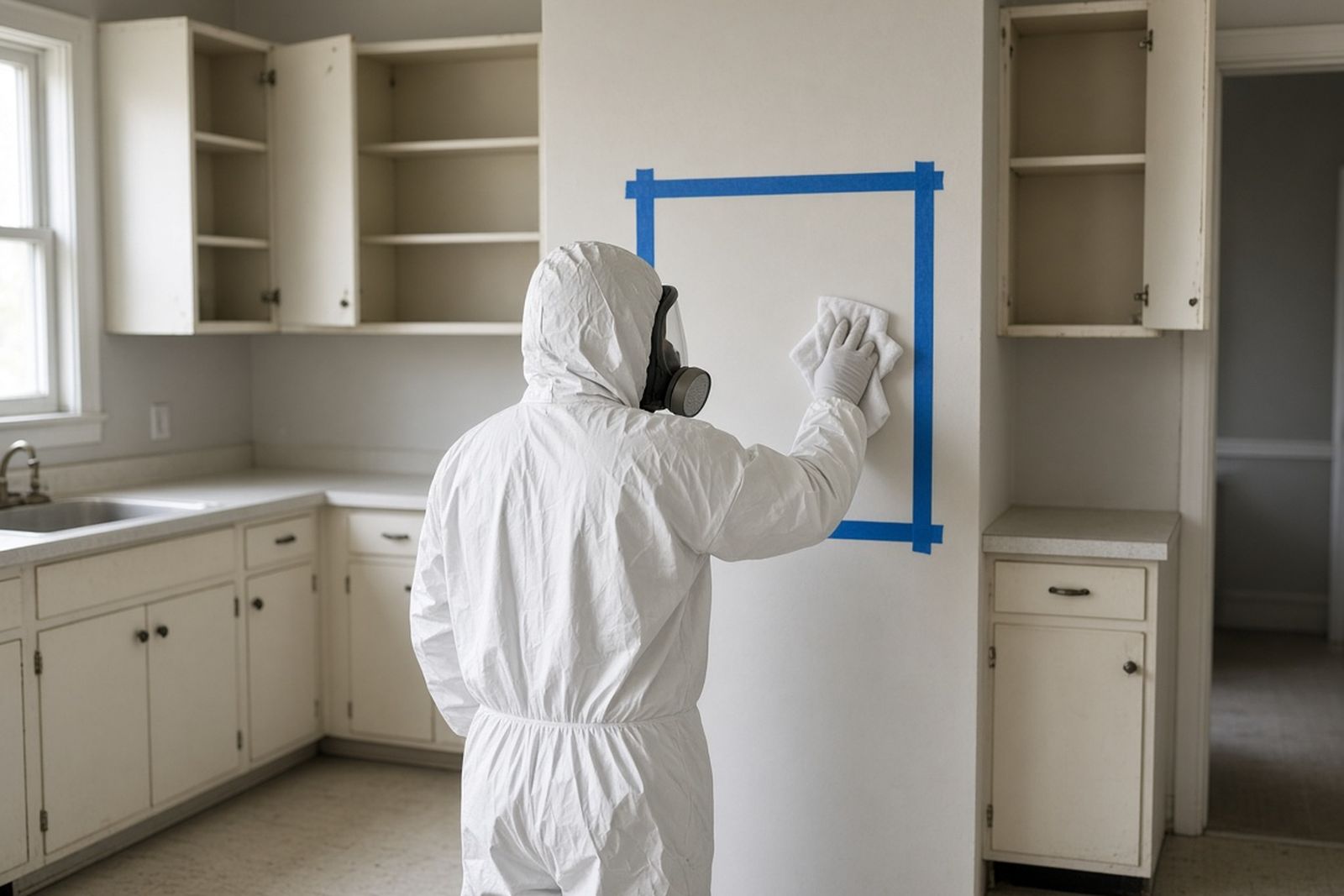
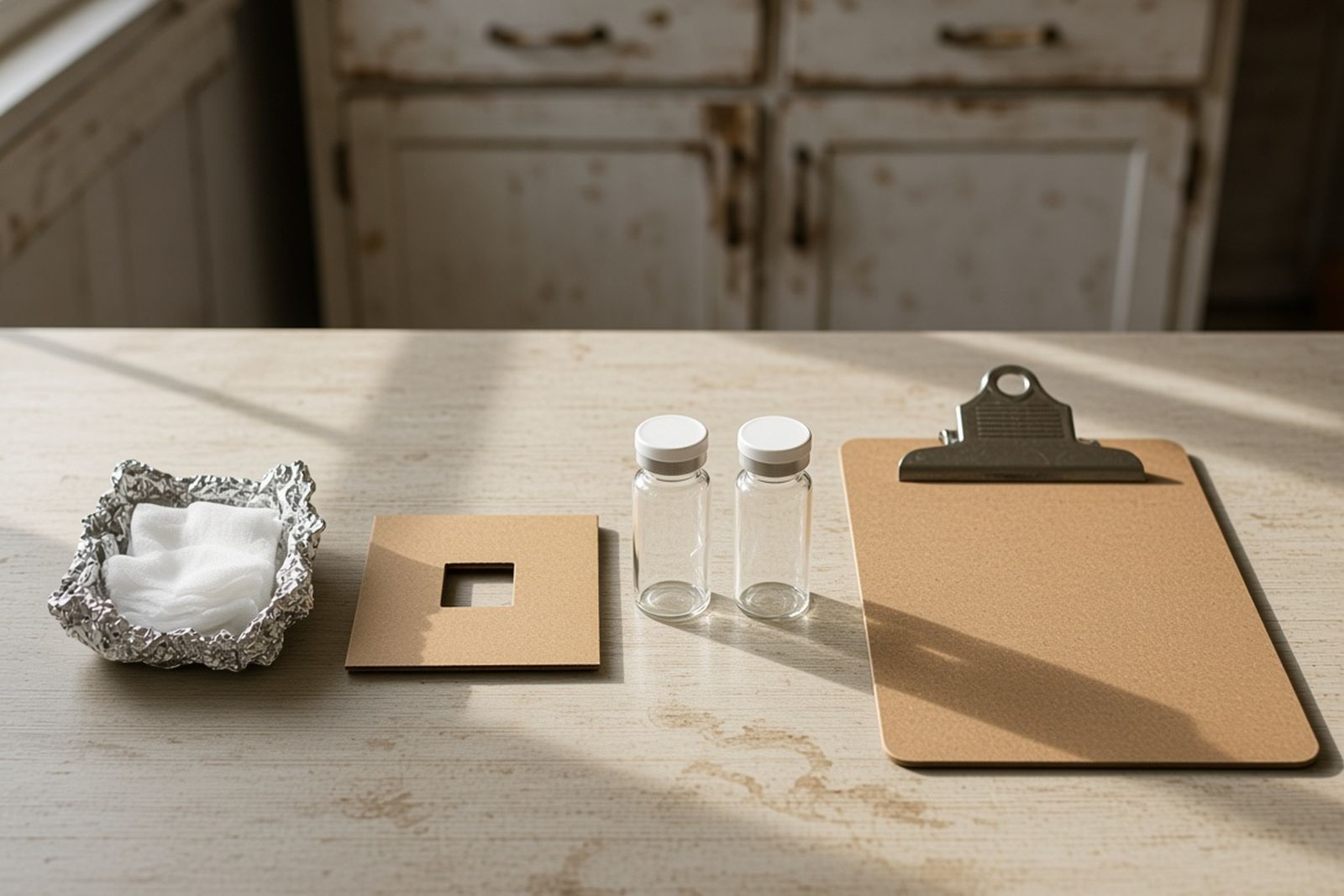
The first professional step is a preliminary assessment. A qualified sampler reviews what is known about the property's history, walks through with appropriate protection and collects wipe samples from selected surfaces. Samples go to an accredited laboratory, and results come back as a measured amount per surface area.
Before anyone enters, the property should be secured. Keep people, including curious family members and prospective tenants, out. Do not start cleaning, painting or removing carpet, because those steps can spread residue and make the assessment less accurate.
If the property is known to have been an active lab, law enforcement or a hazardous materials team may need to remove chemicals and equipment first. The remediation contractor comes after that bulk removal, not instead of it.
Your state or county drug-lab program can tell you who is allowed to sample and whether an agency must be notified before work begins.
What does the written work plan cover?
Once results are in, the contractor prepares a work plan. In some jurisdictions, the plan must be filed with or approved by a health or environmental agency before remediation begins. Even where it is not required, a written plan protects you.
A good plan explains, room by room, which surfaces will be washed, which materials will be removed, how the HVAC system will be handled and what the target clearance standard is. It should also say how workers will be protected, how waste will be handled and how the property will be secured during the work.
Federal voluntary guidance can shape these plans too. Many contractors use it as a reference, especially in states without their own detailed rules, so ask which reference your contractor is following and why.
Ask the contractor to walk you through the plan before you sign. You should understand why each room is treated the way it is.
What you will see during remediation
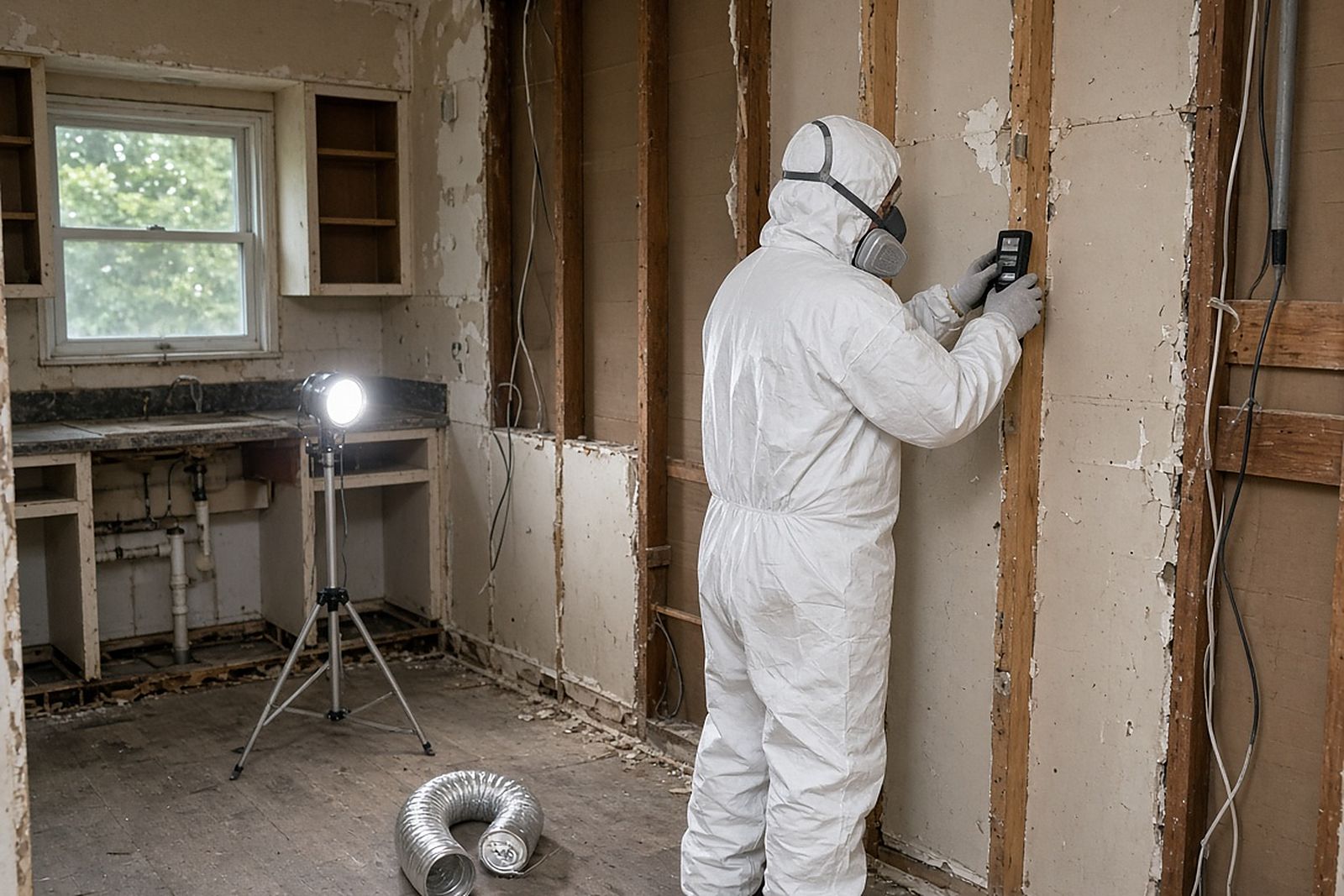
Remediation looks more like a controlled construction project than a cleaning job. Expect the crew to seal off work areas, set up equipment to manage air movement and wear protective suits, gloves and respirators suited to chemical residue.
The work usually follows an order designed to avoid spreading contamination.
- Removal of contents and debris that the plan designates for disposal.
- HEPA vacuuming of ceilings, walls, floors and fixtures to capture loose particles.
- Detergent washing of hard surfaces, often in multiple passes, with clean rinse water between passes.
- Removal of carpet, pad, insulation and drywall that cannot be cleaned to a verifiable result.
- Cleaning or replacement of HVAC components, including filters, registers and accessible ducts.
- Attention to sinks, tubs, drains and traps where chemicals may have been poured.
- Sealing or encapsulating cleaned surfaces where the governing program allows it.
Why can't the crew just paint over the walls?
Painting can hide stains and odors, but it does not reliably reduce methamphetamine residue, and it can make later testing harder to interpret. Most programs that allow encapsulation require surfaces to be cleaned and sampled first, then sealed as an extra step.
Residue can also persist for years, including in homes that were lived in long after the activity stopped. Time and ordinary living do not reliably clean a former lab.
That is why reputable contractors focus on removing residue first and measuring the result, rather than on making the property look finished.
If a contractor suggests skipping washing and moving straight to paint, ask how they expect the property to pass clearance, and whether your jurisdiction allows that approach.
Stage by stage in an illustrative townhouse
This townhouse story is made up for illustration. A property manager oversees a townhouse where a former tenant was arrested for drug activity. The manager keeps the unit vacant and orders preliminary sampling.
Results show residue above the state standard in the kitchen, the upstairs bedroom and the return air grille, with lower levels elsewhere. The contractor's plan calls for HEPA vacuuming and two detergent washes throughout, carpet and pad removal upstairs, duct cleaning, and replacement of the kitchen sink trap.
The crew seals the unit, sets up a decontamination area near the entry and works through the rooms over several days. The property manager receives photographs at the end of each day and is asked to approve one change order when the crew finds stained insulation above a bedroom closet.
After the work, an independent sampler collects clearance wipes. All rooms pass, and the manager files the report with the local health department before listing the unit again. The townhouse is made up, but the stages are typical.
How clearance sampling works
Clearance sampling is the step that decides whether the property can be reoccupied. A qualified person, independent of the cleanup contractor where the jurisdiction requires it, collects wipes from surfaces that were cleaned. The laboratory reports results against the standard that applies to your property.
If every sample meets the standard, the property is typically considered cleared. If some fail, the contractor re-cleans or removes more material in those areas and the sampler returns for another round.
Ask in advance how many samples the clearance round will include, how quickly results will be available and who pays if a round fails. Those details shape both the timeline and the final bill.
Once cleared, some jurisdictions issue a certificate, release the property from a restriction list or update a public registry. Your contractor or sampler should tell you what paperwork follows.
The documentation you should receive
Meth lab cleanup produces a paper trail that may matter for years. Buyers, lenders, tenants and agencies may ask to see it. Keep everything in one place, both on paper and in digital form.
A complete package often includes the preliminary sampling report, the work plan, daily logs or photographs, waste disposal records, the final clearance report and any agency correspondence. Ask for all of it before you make the final payment.
Pay attention to the chain-of-custody forms attached to each laboratory report. They show who collected each sample, when it was sealed and who received it at the lab. A future buyer's attorney may look at those forms first, because a clearance report is only as trustworthy as the handling behind it.
If you sell the property later, your state may require you to disclose its history even after a successful cleanup. Keeping the full record makes that disclosure easier and shows buyers that the problem was handled carefully.
How long does the whole process take?
Timelines vary widely. Laboratory turnaround, agency review of the work plan, the extent of removal and the number of clearance rounds all affect the schedule. A lightly affected unit might move quickly, while a heavily contaminated house needing drywall and HVAC replacement can take much longer.
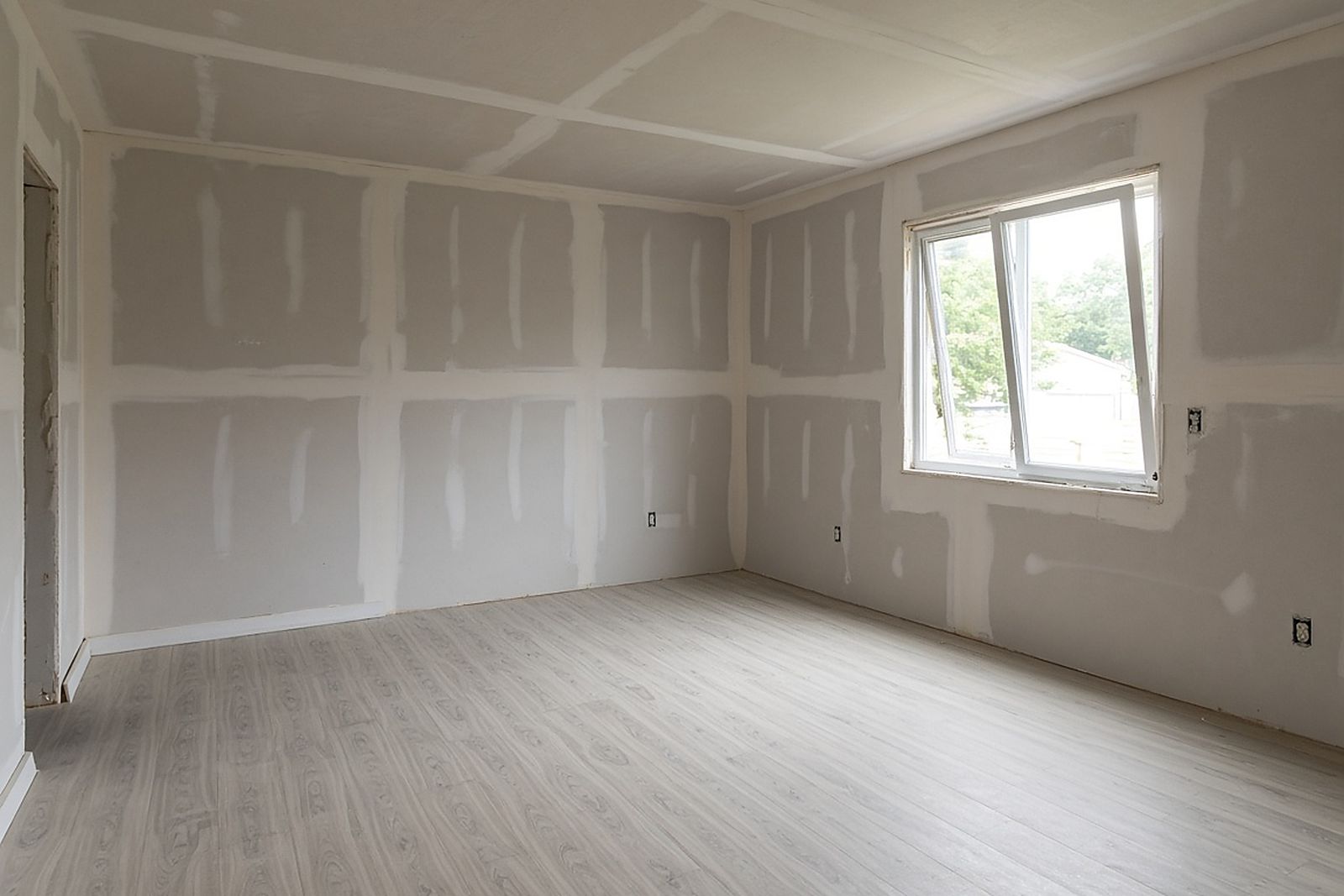
Build in time for rebuilding after clearance. Remediation contractors often leave the property stripped and clean, ready for a separate contractor to install new drywall, flooring and fixtures.
Ask the remediation contractor for a simple schedule with milestones: plan approval, start of work, end of washing, removal complete, clearance sampling and results. Even if dates shift, a milestone list helps you coordinate insurance, lenders, tenants and the rebuild contractor without constant phone calls.
If you or your family lived in the home
Discovering that your home was once a lab can be frightening. Move out of the property until clearance if you can, and talk with your doctor about any symptoms, particularly for young children or anyone who is pregnant.
Keep clothing and belongings you take with you separate until you have asked the contractor whether they need cleaning. Your health and peace of mind come first; the paperwork can follow.
It may also help to write down how long you lived there, which rooms you used most and any symptoms you noticed. That information can be useful to your doctor and to the sampler, who may choose to test the rooms where your family spent the most time.