Short answer
Meth lab cleanup usually runs longer than owners expect because the physical washing is only one piece. The timeline also includes preliminary sampling and lab turnaround, any required work plan filing or agency review, removal of contaminated materials and HVAC components, independent clearance sampling, possible re-cleaning, and paperwork before reoccupancy. Rebuilding afterward is a separate schedule.
Why meth cleanup outlasts an ordinary deep clean
If you have never dealt with a contaminated property, it is natural to expect a crew to arrive, scrub for a day and leave. Meth remediation does not work that way, because the goal is not a property that looks clean. The goal is a property that measures clean against a numeric standard.
That shift from appearance to measurement adds steps at both ends of the job. You need data before work starts so the crew knows where contamination is, and you need data afterward to prove it is gone. Each round of sampling involves collection, shipping, laboratory analysis and reporting.
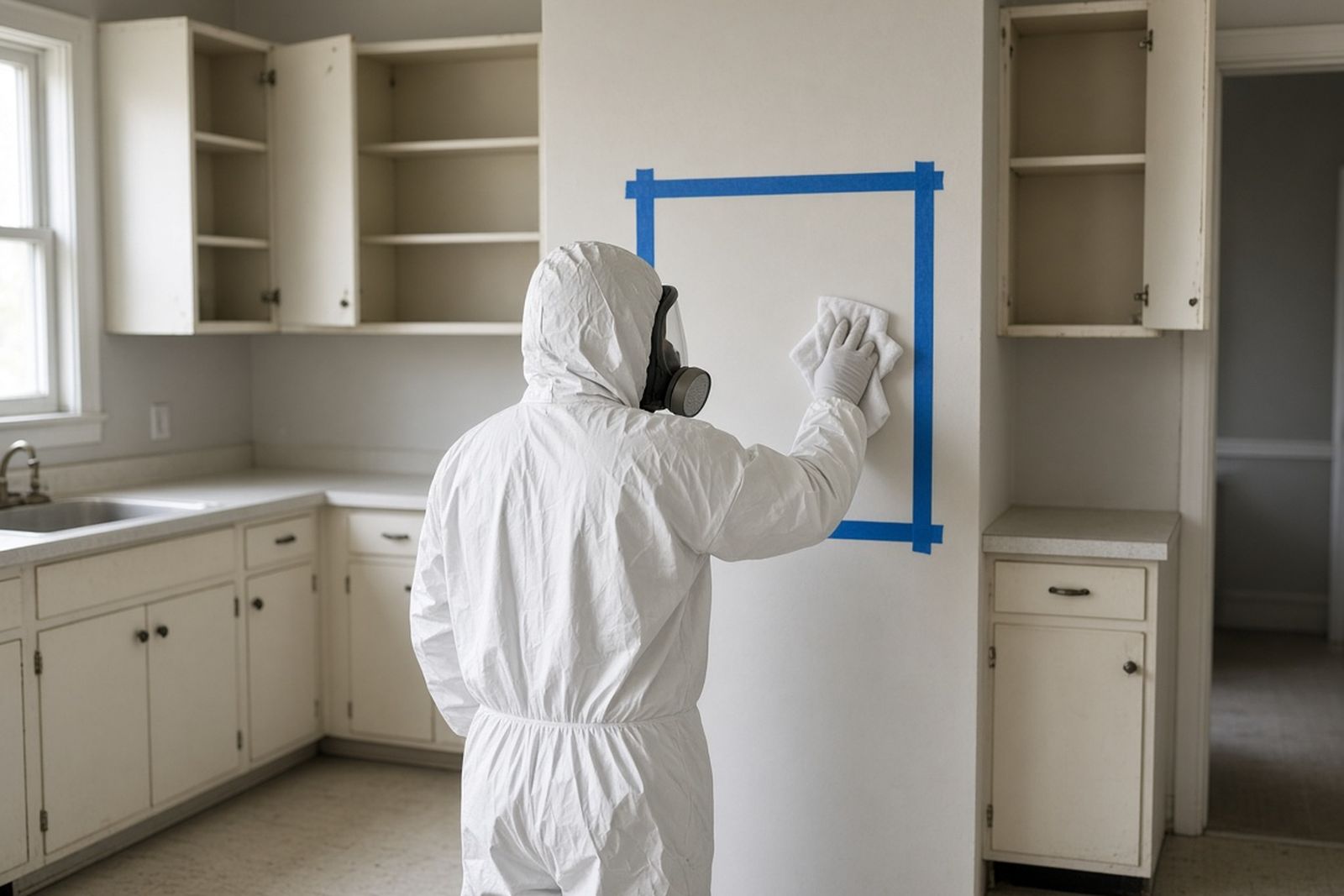
In between, the work itself is methodical. HEPA vacuuming, repeated detergent washing, careful removal of porous materials and attention to ducts and plumbing all take longer than a typical cleaning job, and they are done in a specific order to avoid spreading residue.
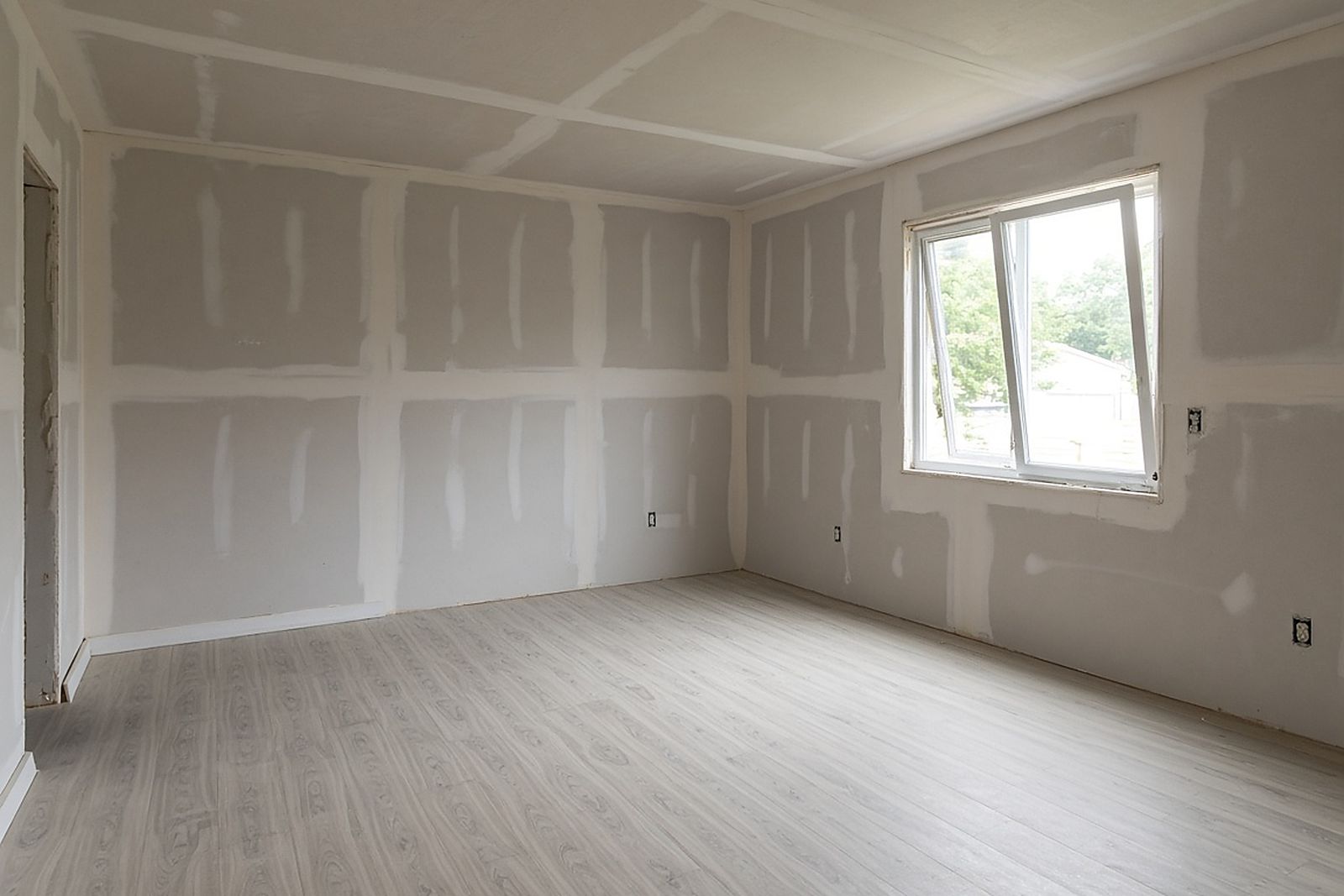
It also helps to separate two clocks in your mind. One is the remediation clock, which ends when clearance results pass. The other is the occupancy clock, which ends when the home has been rebuilt, inspected if required and furnished again. Owners who expect the two to finish together are often disappointed, so plan for the gap between them.
The stages, and where the time goes
A typical project moves through these stages. The order may differ slightly depending on your state's program, but the pieces are similar almost everywhere.
- Securing the property and, where applicable, waiting for law enforcement or a hazmat contractor to remove bulk chemicals and equipment.
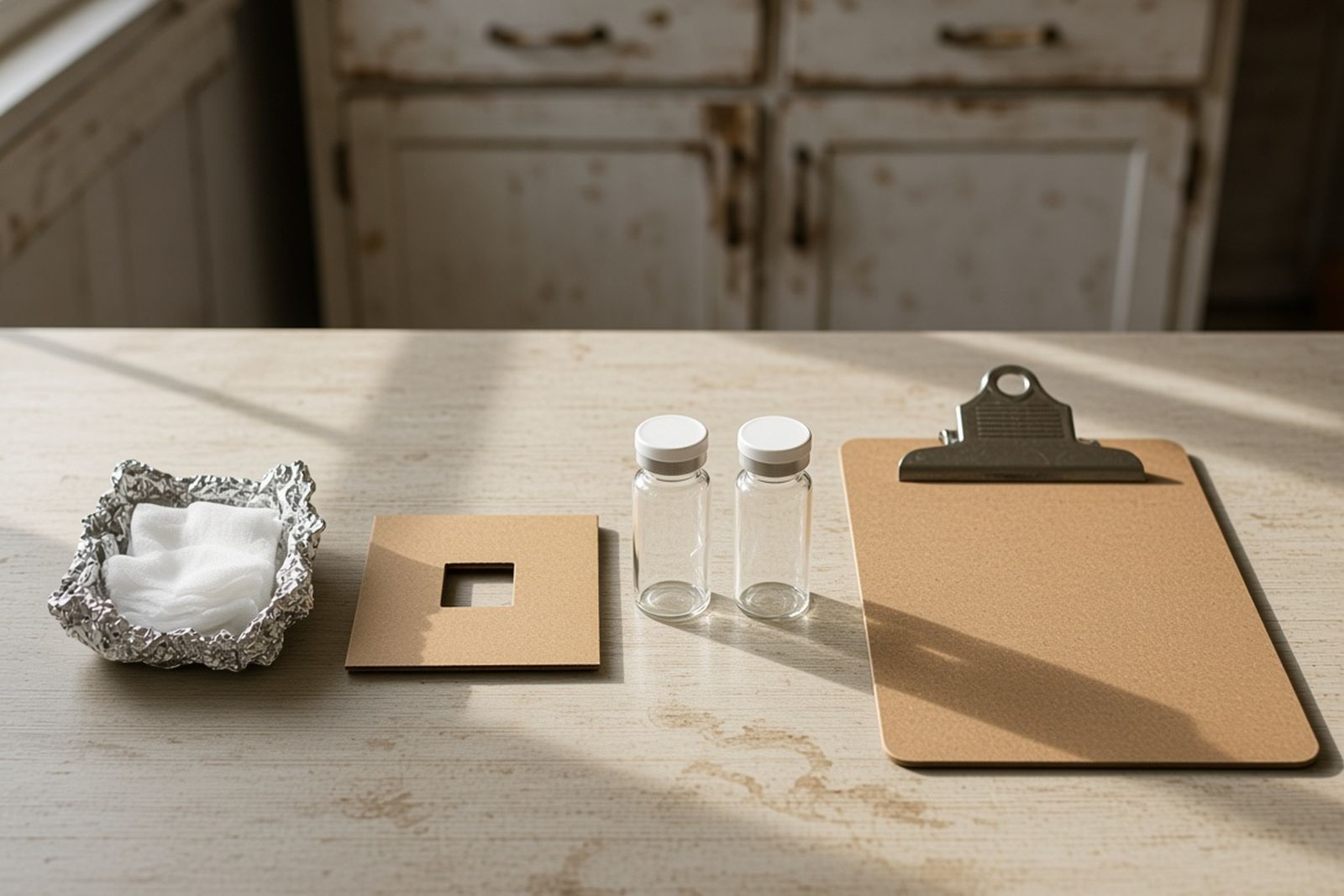
- Preliminary assessment and wipe sampling, followed by laboratory turnaround.
- Writing a work plan, and in some jurisdictions filing it with a health or environmental agency.
- Mobilizing the crew, setting up containment and removing contents designated for disposal.
- HEPA vacuuming, detergent washing and removal of carpet, drywall, insulation or fixtures that cannot be cleaned.
- HVAC and plumbing work.
- Clearance sampling by a qualified person, often independent of the contractor, and another lab turnaround.
- Re-cleaning and resampling of any areas that fail.
- Final report, agency filings and any release from a restriction list or registry.
How long do testing and lab results take?
Sampling time on site is usually modest. The waiting comes afterward. Samples must be shipped under chain of custody to an accredited laboratory, logged, analyzed and reported. Turnaround depends on the lab's workload, the number of samples and whether you pay for expedited service.
You will usually go through this cycle at least twice: once for preliminary assessment and once for clearance. If any clearance samples fail, there is a third cycle for those areas. Each cycle adds waiting time even if the crew is ready to move.
Ask your sampler up front what standard turnaround the lab offers, whether faster options exist and what they cost. Knowing this lets you plan realistically, especially if a sale, closing or new tenancy is waiting.
Weekends and holidays matter more than people expect. A batch of wipes collected late in the week may sit until the lab reopens, and a shipping delay can push a report back further. Scheduling sampling early in the week is a small choice that can save days.
Agency review and the calendar
In states with formal programs, a health or environmental agency may need to receive the preliminary report and work plan before remediation begins, and may need to review the final report before a property is released. Those reviews run on the agency's schedule, not yours.
The regulatory picture is uneven across the country. Some states have no law at all on cleaning up properties contaminated by controlled substances. In those places there may be no agency step at all, which can shorten the timeline but also leaves more responsibility on the owner to choose a sound standard.
Rules vary by state and county; verify with the local authority whether a plan must be filed, how long reviews typically take in your area and whether the property is on a restriction list that requires formal release.
Where a program exists, submitting a complete package the first time is the best way to avoid a review cycle being restarted. Missing signatures, unclear floor plans or sample locations that are not labeled can send a plan back for revisions. Ask your contractor whether they have filed with that particular agency before and what reviewers there tend to ask for.
How long does the actual remediation work take?
The on-site portion depends mostly on the size of the property, the level of contamination and how much material has to be removed. A small, lightly affected unit with mostly hard surfaces moves faster than a large house where cooking happened in several rooms.
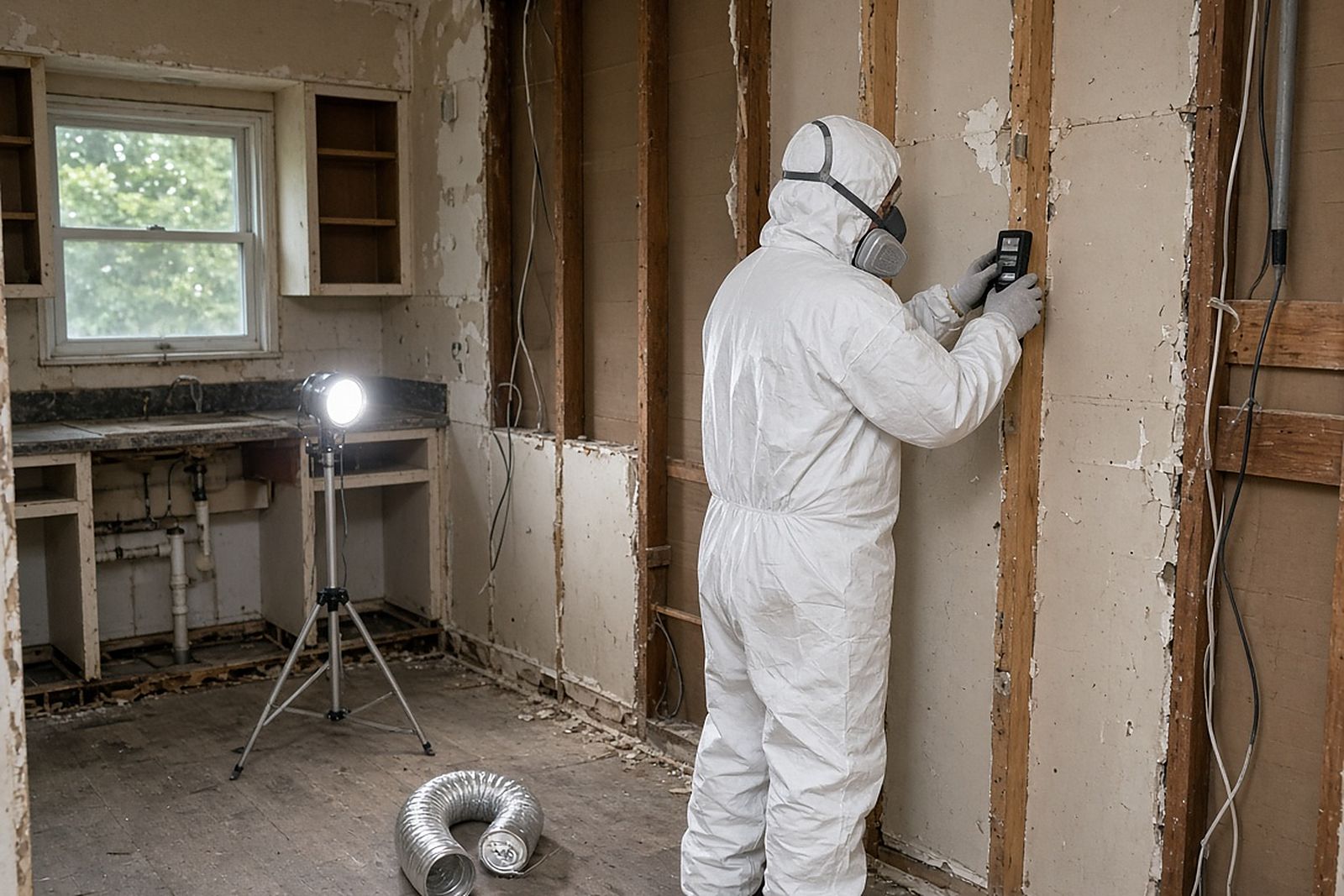
Removal adds time in two ways. First, cutting out drywall, carpet, insulation and cabinetry is slower than washing. Second, removal often reveals contamination behind or beneath materials, which expands the scope. Heavily contaminated kitchens and bathrooms are common examples.
HVAC systems can be a significant piece on their own. Accessible ductwork may be cleaned, while flexible duct, insulation-lined duct or heavily contaminated air handlers may need replacement. If a separate HVAC contractor is involved, their availability affects the schedule.
Crews also need time to dry surfaces between washes, manage waste and decontaminate their own equipment at the end of each shift. These tasks are invisible to owners but essential.
Occupied or furnished properties take longer than empty ones. Every piece of furniture, appliance and box has to be evaluated, cleaned, bagged for disposal or moved out of the way before surfaces behind it can be treated. Clearing the contents in advance, when it is safe and allowed, can shorten the on-site phase noticeably.
What happens if clearance sampling fails?
Failure is not unusual, particularly in heavily contaminated properties or where residue has migrated into porous materials. It does not necessarily mean the contractor did poor work. It means the chemistry has not yet reached the target in one or more areas.
When a sample fails, the crew re-cleans or removes additional material in that area, and the sampler returns to collect new wipes. That round adds on-site time plus another laboratory turnaround.
Before signing a contract, ask how the company handles failed areas. Some include one round of re-cleaning in their price, while others bill separately. Clarity here prevents both cost surprises and schedule disputes.
You can lower the odds of a failed round by asking the contractor to do its own internal check wipes before the independent sampler arrives, where local rules permit it. Those informal results do not replace clearance, but they can flag a stubborn wall or cabinet while the crew is still on site.
Working to a closing date or move-in
A pending sale or a tenant waiting to move in turns every delay into a deadline problem. The pressure usually lands on the same few points: the first lab turnaround after a buyer's inspector recommends testing, the wait for an agency to acknowledge a filed work plan, the lead time on replacement ductwork and the extra round when one wall or cabinet fails clearance.
Several of those can overlap rather than stack. A contractor can schedule crew time and order replacement duct runs while the plan is under review, and a rebuild contractor can be lined up before clearance is final. What cannot be compressed is the laboratory analysis itself, or the agency's decision to release the property.
The practical lesson is to build a buffer for at least one resampling round into any closing date or lease start. Extending a date once, in advance, is far easier than renegotiating after a failed result arrives.
Six ways to keep the schedule moving
Some delays cannot be avoided, but owners can remove many of the practical ones.
- Keep the property vacant and secure so no one adds contamination or disturbs surfaces before testing.
- Hire the sampler and contractor early, and confirm both are qualified under your state's program.
- Ask for expedited lab turnaround if your timeline is tight, and budget for it.
- Line up a rebuild contractor in advance so reconstruction can start soon after clearance.
- Respond quickly to change orders and requests for access.
- Keep your lender, insurer, buyer or tenants informed of milestones, not just the end date.
If you lived in the property before it was tested
If you or your family lived in a home that later tested positive, the timeline for your health matters more than the timeline for the building. Move out while remediation happens if you can, and speak with a doctor about any symptoms, particularly for children.
Ask the contractor which belongings can be cleaned and which are better discarded, so you are not carrying residue into your temporary home. Waiting for clearance can feel slow, but moving back only after the numbers confirm the home is safe is what makes the waiting worthwhile.