Short answer
Before meth lab cleanup starts, assess ten risks: leftover chemicals and equipment, fire and explosion damage, invisible drug residue, corrosive or reactive stains, contaminated plumbing and septic systems, HVAC spread, sharps and drug paraphernalia, exposure to vulnerable people, structural and utility hazards, and legal restrictions on the property. Each one decides who enters first, what protection they need and what order the work follows.
Why a former lab needs a safety assessment first
A former meth lab is not just a dirty building. It may contain leftover chemicals, residues of the drug itself, damage from past fires and hazards associated with drug use, such as needles. Many of these risks are invisible, and some can harm people who walk in unprepared.
An assessment identifies which hazards are present, who should enter the property and in what order the work should happen. It also clarifies legal requirements that may restrict access or dictate how the cleanup is done.
The ten risks below are what experienced samplers and remediation contractors look for. Understanding them helps you protect yourself, your family and anyone who might live in the property later.
Do not let the age of the activity lull you into skipping this step. A property where production ended years ago can still hold significant residue, and one where it ended recently may still contain reactive materials. Either way, the first person through the door should be someone equipped to recognize what they are seeing.
Risks 1 and 2: leftover chemicals and fire damage
The first risk is leftover chemicals and equipment. Containers of solvents, acids, bases, reactive metals and other precursors may remain, along with glassware, tubing and waste. Some are flammable, some are corrosive and some can react with air or water. Owners should never handle these materials. If you find anything that looks like lab equipment or chemical containers, leave the property and contact law enforcement so trained responders can remove them.
The second risk is fire and explosion damage. Meth production is prone to fires. The US Office for Victims of Crime reported in 2003 that approximately 15 percent of meth labs are discovered as a result of a fire or explosion. Fire damage can weaken structures, leave soot contaminated with residues and damage electrical systems.
Assessment starts by confirming that bulk chemicals and equipment have been removed by the appropriate authorities and that any fire-damaged areas have been evaluated for structural safety before remediation crews enter.
Outbuildings, sheds, garages and vehicles on the property count too. Labs are sometimes set up away from the main house specifically to avoid detection, and buried or burned waste may be found in yards. Walk the whole property with the sampler rather than limiting the assessment to the living space.
Risks 3 and 4: How serious are the residues you cannot see?
The third risk is invisible drug residue. Methamphetamine deposits on walls, ceilings, floors, furniture and inside ducts, and it can remain for years. It can be absorbed through the skin, ingested from hands or inhaled with dust. Children who crawl and put their hands in their mouths are especially vulnerable.
Health concerns are real even for properties used only for smoking, not cooking. A 2020 study in Toxics by Wright and colleagues examined 63 people across 25 homes contaminated by prior meth manufacture or use and found behavioral, sleep, respiratory, skin and eye effects and headaches, with no difference between manufacture and use cases.
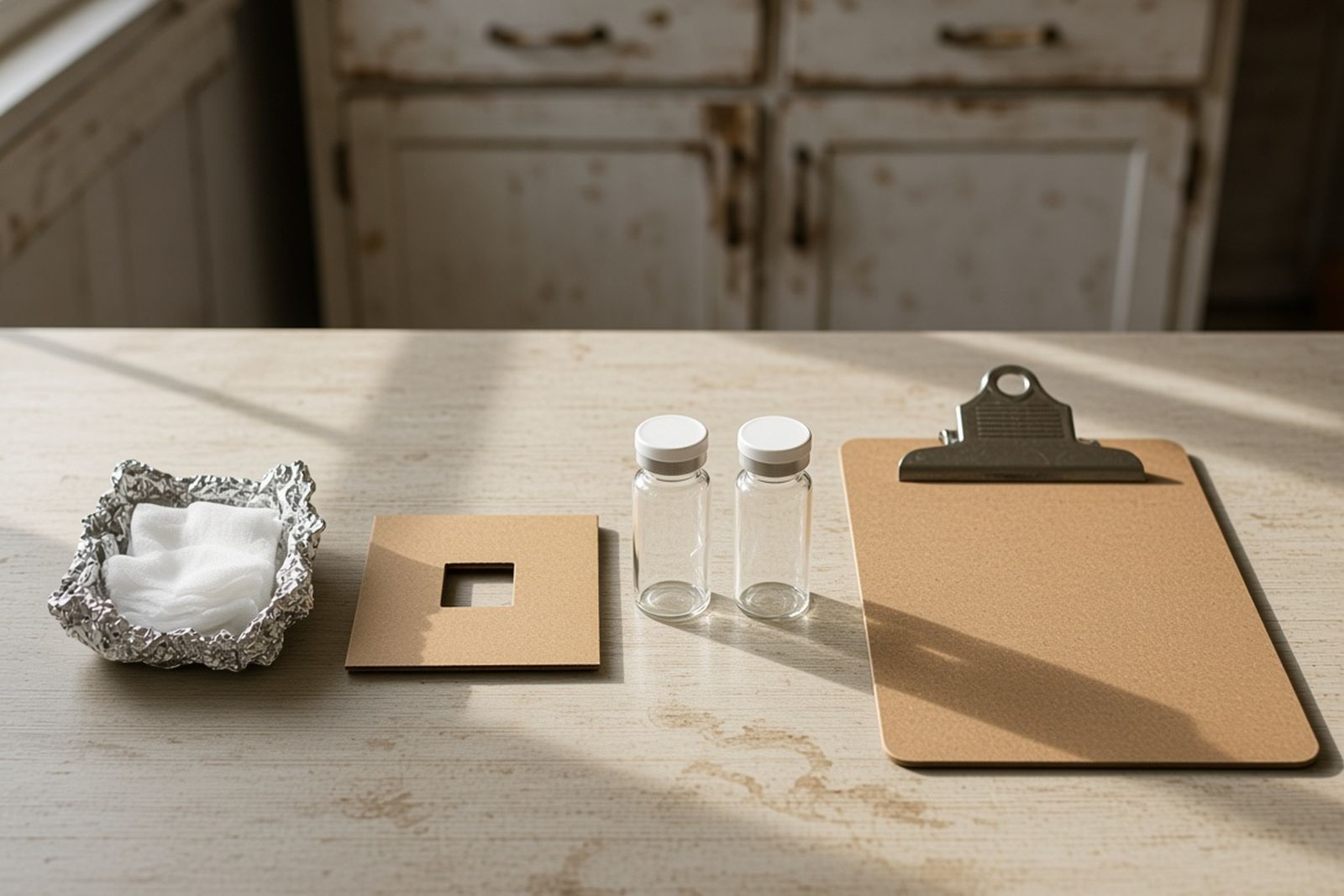
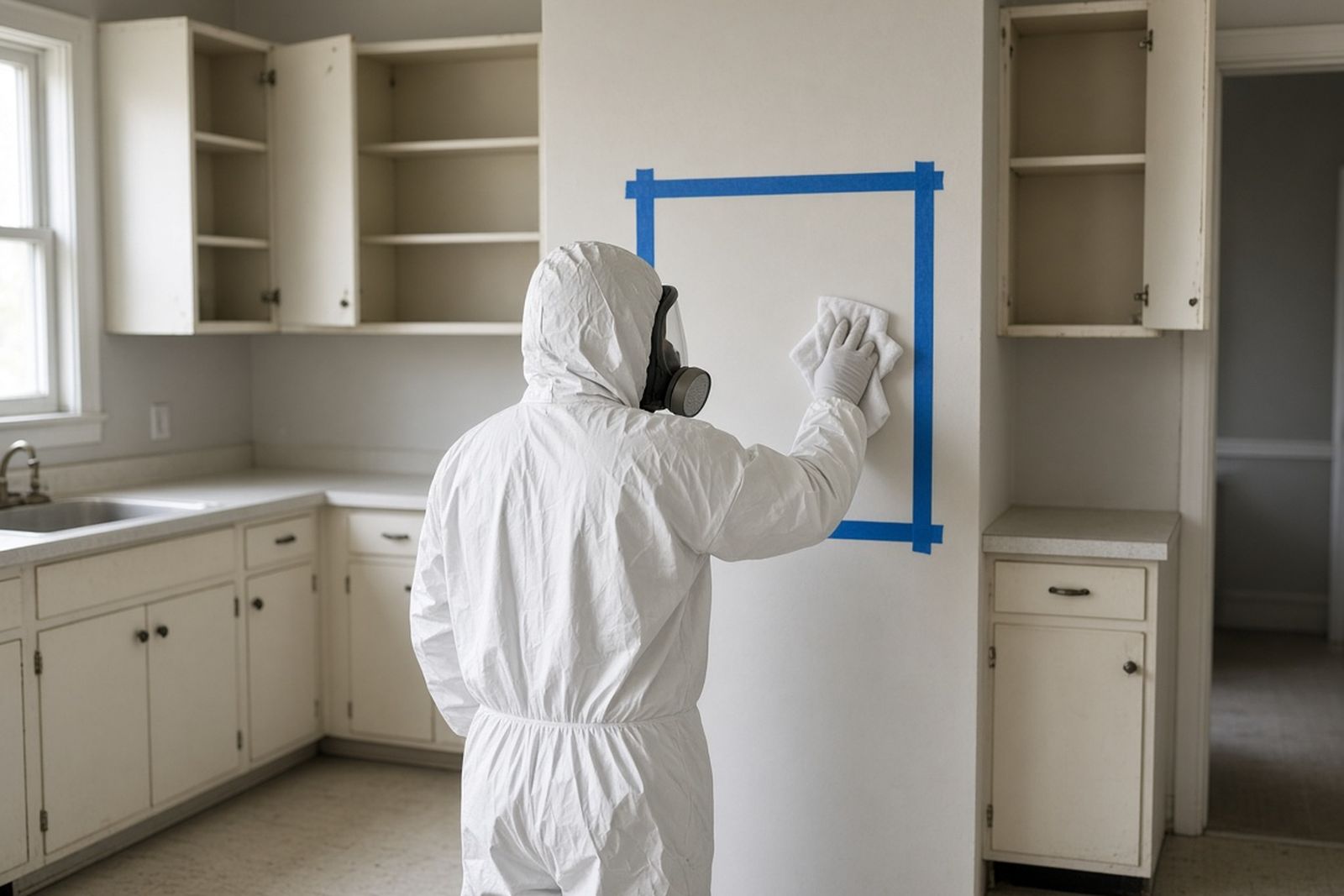
The fourth risk is corrosive or reactive stains. Spills and dumped waste can leave residues that burn skin, etch surfaces or react with cleaning products. Discolored floors, stained sinks and pitted fixtures are warning signs. Assessment involves wipe sampling to map drug residue and a careful visual survey for chemical staining, followed by choosing protective equipment and cleaning products accordingly.
Risks 5 and 6: plumbing and ductwork
The fifth risk is contaminated plumbing and septic systems. People running labs often pour waste into sinks, tubs, toilets or floor drains. Residues can collect in traps and drain lines, and in some rural properties they may reach septic systems or soil. Disturbing drains without precautions can release vapors or splash contaminated water.
The sixth risk is HVAC spread. Heating and cooling systems circulate air through the whole building. Residue deposited in ducts, filters and air handlers can spread to every room each time the system runs. In duplexes and apartment buildings, shared systems can carry contamination to neighbors.
Assessment includes sampling near supply and return registers, inspecting drains and traps and, where septic systems are involved, checking whether environmental authorities need to be consulted. The HVAC system should stay off until it has been evaluated.
Attached garages and crawlspaces often share air with the house through gaps, doors or return ducts. Residue from a garage lab can reach bedrooms without anyone realizing the path. Sampling in rooms next to the garage and near any crawlspace access helps confirm whether that has happened.
Risks 7 and 8: sharps and vulnerable people
The seventh risk is sharps and drug paraphernalia. Needles, broken pipes, razor blades and other items may be left behind. They can cause punctures and cuts and may carry bloodborne pathogens. Crews use puncture-resistant gloves, tongs and sharps containers and never reach into areas they cannot see.
The eighth risk is exposure to vulnerable people. Children, pregnant people, older adults and anyone with respiratory or immune conditions should stay out of the property until clearance. That includes family members who want to help, prospective tenants and curious neighbors.
Assessment means securing the property, posting notices where required and making sure no one enters without appropriate protection. If people have been living in the property, encourage them to talk with a doctor, especially about symptoms in children.
Pets should be kept out as well. Dogs and cats spend their time close to floors and carpets, groom their fur and can carry residue on their coats into vehicles and other homes. If animals lived in the property, ask your veterinarian whether they should be bathed or checked.
Risk 9: structural and utility hazards
Beyond fire damage, former labs may have other physical hazards. Makeshift ventilation may have been cut into walls or ceilings. Electrical systems may have been modified to run equipment. Gas lines may have been tampered with. Floors and cabinets may be damaged by spills.
Utilities may be shut off, which affects lighting, water for cleaning and heating or cooling for the crew. Crews working in chemical-resistant suits and respirators are at risk of heat stress, especially without working air conditioning.
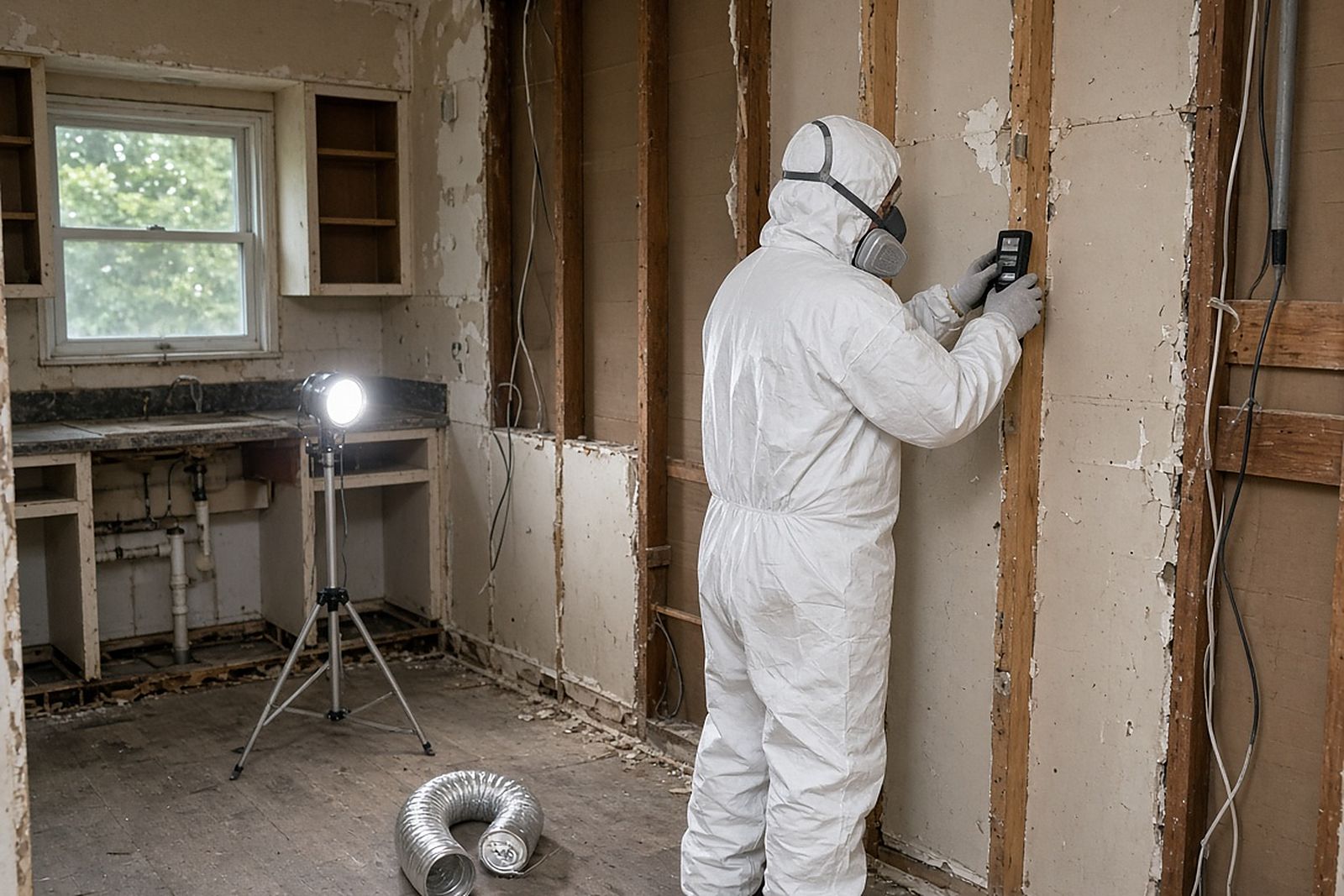
Assessment includes checking electrical and gas systems, noting any unusual modifications and planning for lighting, water and rest breaks. An electrician or gas utility may need to inspect the property before work begins.
Security is another physical concern. Vacant former labs sometimes attract trespassers, people looking for leftover drugs or equipment, or copper thieves. Changing locks, securing windows and checking the property regularly lowers the chance that someone is hurt inside or that new contamination is introduced before cleanup.
Risk 10: What legal restrictions might affect the work?
Some jurisdictions place former labs on restriction lists or post them as unfit for occupancy. Some require that only certified contractors perform remediation, that a work plan be filed before work begins and that clearance sampling be done by an independent, qualified person. Entering or occupying a restricted property without authorization may carry penalties in some places.
Disclosure is another legal factor. Some states require sellers and landlords to disclose a property's history even after cleanup. Keeping complete records from the assessment onward protects you later.
Rules vary by state and county; verify with the local authority whether the property is restricted, who may enter it, who may sample and remediate it and what documentation is required for release.
A ten-point checklist before remediation begins
Use this list to make sure each risk has been considered before anyone starts cleaning.
- Confirm that bulk chemicals and equipment have been removed by the proper authorities.
- Have fire-damaged areas evaluated for structural safety.
- Order wipe sampling to map drug residue throughout the property.
- Survey for corrosive stains and choose protective equipment and products accordingly.
- Inspect plumbing, traps and any septic system.
- Keep the HVAC system off and sample near registers.
- Plan for sharps and paraphernalia with proper tools and containers.
- Keep children, pregnant people and other vulnerable individuals out until clearance.
- Check electrical, gas and structural modifications.
- Confirm legal restrictions, filing requirements and who may enter.