Short answer
In meth lab cleanup, disinfection is usually not the main goal, because methamphetamine residue is a chemical rather than a living microorganism. A germ-killing product leaves meth molecules right where they were. What matters is cleaning: HEPA vacuuming, repeated detergent washing and removal of porous materials, confirmed by laboratory wipe sampling. Disinfection becomes relevant only when a property also has biological hazards such as needles or bodily fluids.
Why disinfecting a former lab does not solve the problem
Many property owners assume that a strong disinfectant will take care of meth contamination. It is an understandable assumption, since disinfectants are what people usually reach for when a space feels dirty or unsafe. But it misunderstands what the contamination is.
Disinfectants are designed to kill or inactivate microorganisms such as bacteria and viruses. Methamphetamine is a chemical compound. It is not alive, so there is nothing for a disinfectant to kill. Spraying a disinfectant on a contaminated wall may leave the surface smelling clean while the residue remains.
The goal in meth remediation is not disinfection but decontamination in the chemical sense: physically removing residue from surfaces and removing materials that cannot be cleaned, until laboratory testing shows the property meets the applicable standard.
This distinction matters because many former labs and use sites are cleaned by well-meaning owners before anyone tests. When the cleaning relies on disinfectants alone, owners can spend money and effort without changing the result that counts, and they may lose confidence when later sampling comes back high.
What cleaning means in a meth remediation project
Cleaning in this context is systematic and repeated. It typically includes several stages that build on one another.
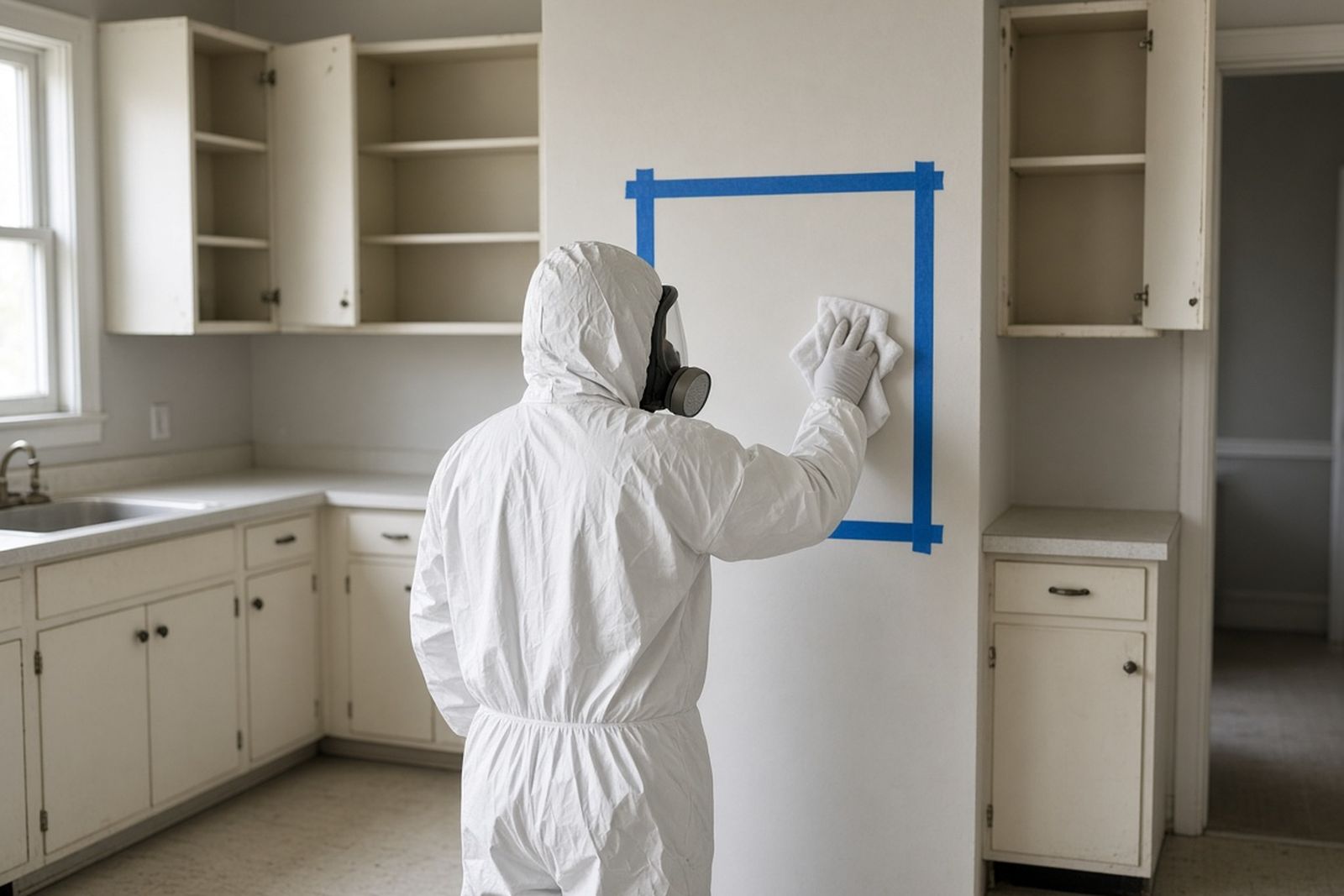
The work usually starts with ventilation and removal of loose debris and contaminated contents. Crews then HEPA vacuum surfaces to capture particles, followed by washing with detergent solutions and rinsing. Many work plans call for more than one wash cycle, especially in rooms where preliminary sampling showed high levels.
Washing is done methodically, often from top to bottom and from the least to the most contaminated areas, with frequent changes of wash water and wipes so residue is not simply spread around. Every surface type matters, including ceilings, walls, trim, cabinets, countertops, appliances, floors, light fixtures and the inside of cabinets and closets.
The choice of detergent matters less to most owners than the process around it, but a good contractor will still explain what it uses and why. What you should expect is a written description of the washing method, the number of passes and how the crew prevents cross-contamination between rooms.
Protective equipment is part of cleaning here too. Workers disturbing meth residue typically wear protective suits, gloves and respiratory protection, and they set up containment so residue from one area is not tracked into cleaner areas. That discipline is part of what makes the cleaning effective.
How clean is clean, and why sampling beats appearance
Unlike most household cleaning, meth remediation has a measurable finish line. States that regulate drug lab cleanup set a maximum surface concentration, usually expressed as micrograms of methamphetamine per sampled surface area.
Those limits are low. According to a 2020 NIOSH Health Hazard Evaluation report that reviewed EPA data, the most common state methamphetamine surface cleanup limit is a fraction of a microgram per sampled area. Other states use different numbers, and some have no standard. Your state health department's drug-lab program, or the county health department where there is no state program, can tell you what applies to your property.
Because the target is so small, visual cleanliness means very little. A surface that looks spotless can still exceed the standard. That is why sampling before and after cleaning is central to the work.
Contamination can vary a great deal within a single home, and residue can remain on surfaces for years after the activity that caused it.
That range shows why a single test, or a single cleaning approach applied everywhere, is not enough. Some rooms may pass after one wash. Others may need multiple washes or removal of materials.
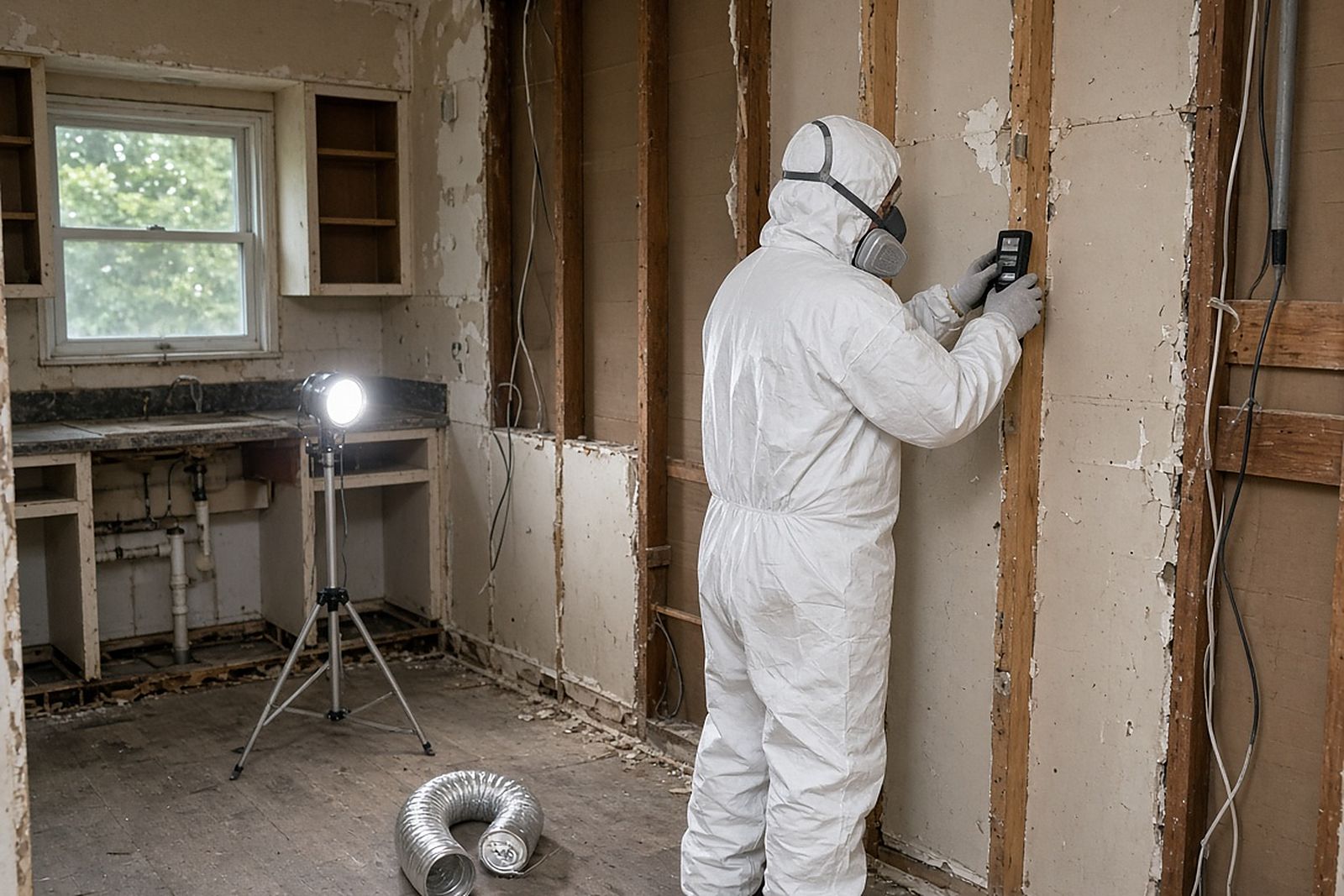
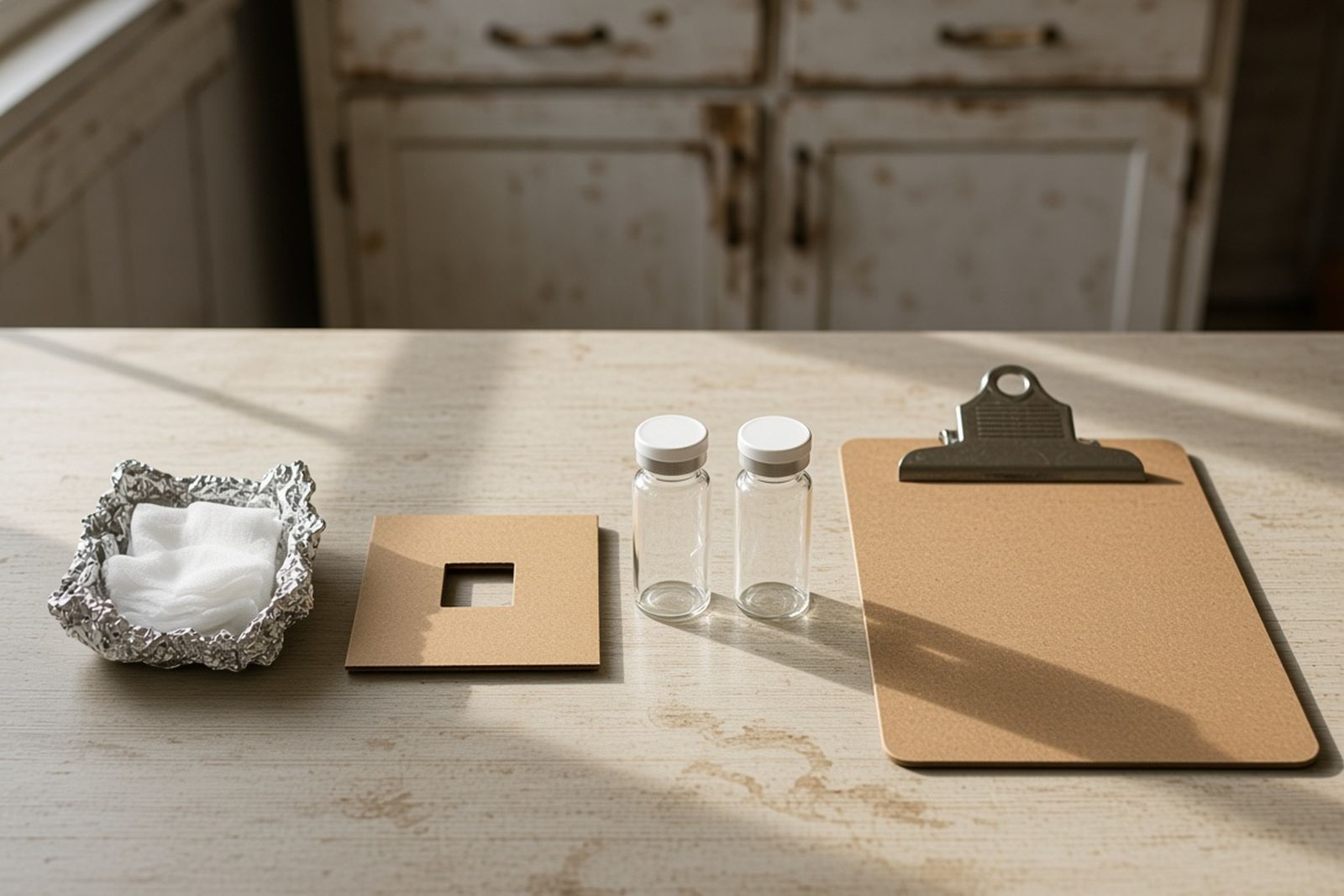
Preliminary sampling guides the work plan by showing where residue is highest. Clearance sampling after cleaning confirms whether each area now meets the standard. Without both, you cannot know whether the cleaning succeeded.
Sampling technique matters as well. Wipe samples must be collected from measured areas using the right materials and handled with chain-of-custody documentation. A qualified sampler, sometimes required to be independent of the cleanup contractor, follows a written protocol so results can be trusted by agencies and buyers.
When is removal better than cleaning?
Some materials hold residue in ways that washing cannot reliably reach. Porous and absorbent materials are the usual candidates for removal rather than cleaning.
Materials that are commonly removed, depending on sampling results and condition, include:
Removal decisions should be tied to evidence rather than habit. A contractor who removes every surface regardless of results may be adding unnecessary cost, while one who refuses to remove saturated carpet may be setting up a failed clearance. Asking how each removal ties to a sampling result helps you judge the plan.
- Carpet and carpet pad.
- Upholstered furniture and mattresses.
- Curtains, blinds and other window coverings that are difficult to clean.
- Ceiling tiles and insulation.
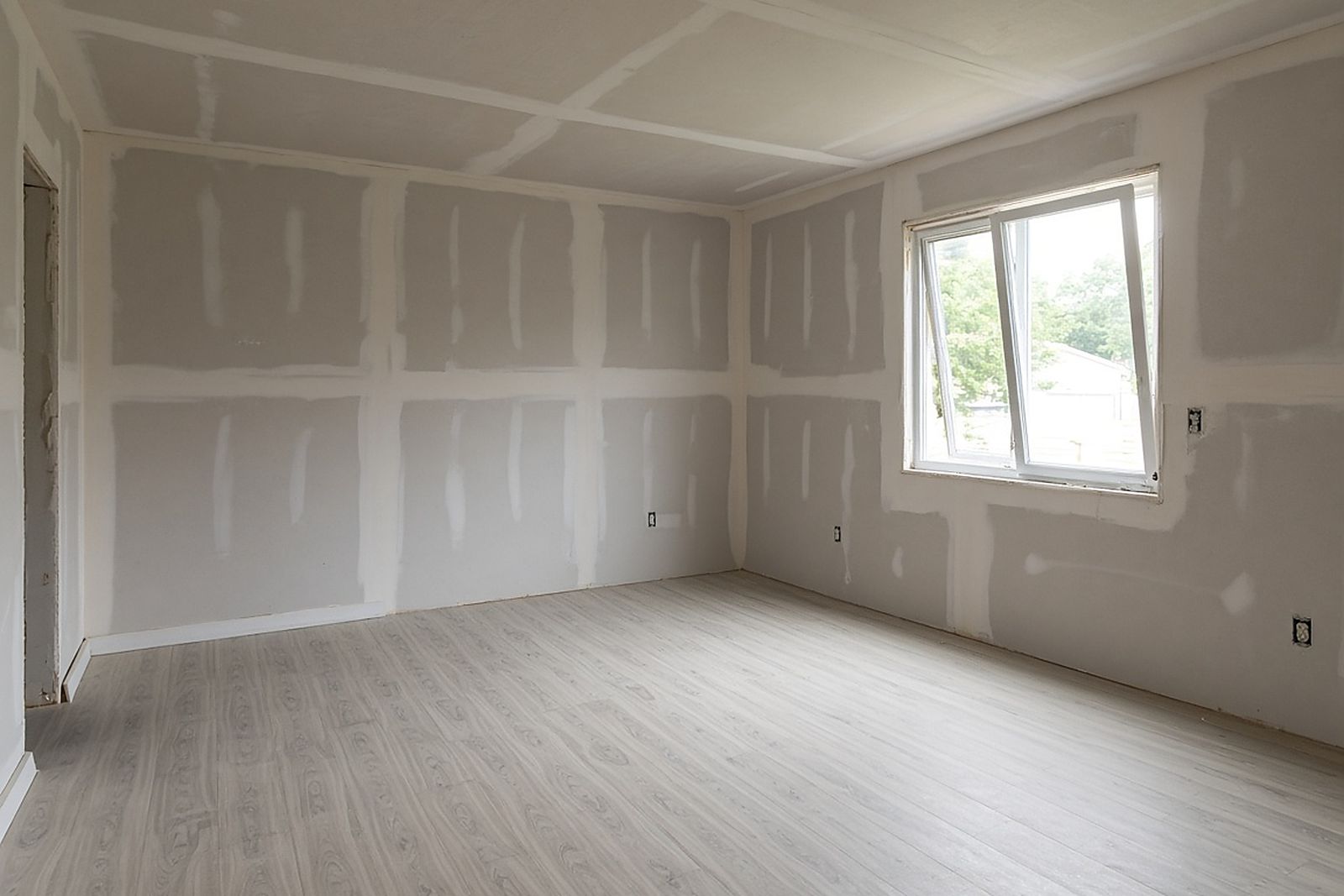
- Drywall with high residue levels or visible staining.
- HVAC filters and, in some cases, flexible ductwork.
- Plumbing traps and fixtures where chemicals were dumped.
Where encapsulation fits
Encapsulation means applying paint or a sealant to surfaces after cleaning. In some jurisdictions it is allowed as a final step to lock down any trace residue below the standard. In others it is restricted.
Encapsulation is not a substitute for cleaning. Painting over residue without washing can hide the problem temporarily, but residue may be exposed again when the surface is damaged, sanded or drilled. Many programs require clearance sampling before any encapsulation, so that the coating is applied to surfaces already known to meet the standard.
If a contractor proposes encapsulation, ask whether it is permitted in your jurisdiction, whether sampling will be done first and why it is being recommended for specific surfaces.
Some owners are tempted by encapsulation because it seems faster and cheaper. Keep in mind that a coating applied over contaminated surfaces may need to be removed later if a future owner, buyer or agency asks for testing, which can turn a short-term saving into a larger long-term cost.
When disinfection actually matters
Although disinfection does not address meth residue, it can still be part of a project. Former lab sites and properties where drugs were used are sometimes also affected by biological hazards.
Examples include used needles, blood, human waste from nonworking plumbing, rodent droppings or spoiled food left behind in an abandoned property. Those conditions call for bloodborne pathogen precautions, proper sharps disposal and cleaning followed by a registered disinfectant applied according to its label contact time.
In these situations, a good contractor treats the two problems separately. Biological hazards are cleaned and disinfected. Chemical residue is washed and removed until sampling confirms clearance. Mixing the two, or assuming one product handles both, leads to gaps.
If you are not sure whether biological hazards are present, ask the contractor to include a walkthrough for them in the initial assessment. Needles in particular can be hidden in furniture, vents, ceiling tiles and bathroom fixtures, and finding them early protects everyone who works on the property.
What to ask a contractor about methods
Ask how the contractor plans to remove residue, how many wash cycles it expects, which materials it will remove and why, and how it will handle the HVAC system and plumbing. Ask which cleanup standard applies and who will perform clearance sampling.
If the contractor mentions disinfectants, ask what they are for. A clear answer might refer to needles, bodily fluids or other biological hazards found on site. An unclear answer, or a suggestion that disinfection will take care of the meth, is a warning sign.
Finally, ask for a complete file at the end, including preliminary and clearance sampling results. Those laboratory reports, not the smell or look of the property, are what show the job was done.
Keep that file with your property records. If you later sell, refinance or rent the property, it may be the document that answers the most important question anyone will ask about it.