Meth Lab Cleanup: Safety
Hazard-assessment articles for meth lab cleanup, including when bloodborne, chemical, respiratory, sharps, structural, or waste controls may apply. PPE and containment must follow the actual exposure—not a universal checklist.
Safety posts describe the hazards that make meth lab properties different from ordinary cleanup jobs. They compare doing it yourself with hiring a pro. They list the risks a provider should check before work begins. They explain why protective gear must be chosen based on the chemicals involved, not habit. Articles cover residue on surfaces children touch and leftover chemicals or equipment hidden in cabinets or sheds. They cover damaged plumbing. They also cover the danger of disturbing unknown containers found after the police have left. Posts explain why opening windows or running the furnace before an inspection can move residue into cleaner parts of the house.
Get an email reply about meth lab cleanup
Send a short message to the follow-up inbox. A coordinator can reply by email. This form does not send emergency help; call 911 first if anyone is in danger.
These topics matter because the people most at risk are often those who move in later. This is especially true for small children, who crawl on floors and put their hands in their mouths. Well-meant efforts can backfire. Sweeping, using a household vacuum, or scrubbing with bleach can spread residue or cause dangerous chemical reactions. The safety posts explain what owners can sensibly do, such as keeping the property empty and locked. They explain what should wait for trained workers. They also cover how to go back in safely once the agency in charge has accepted the clearance results.
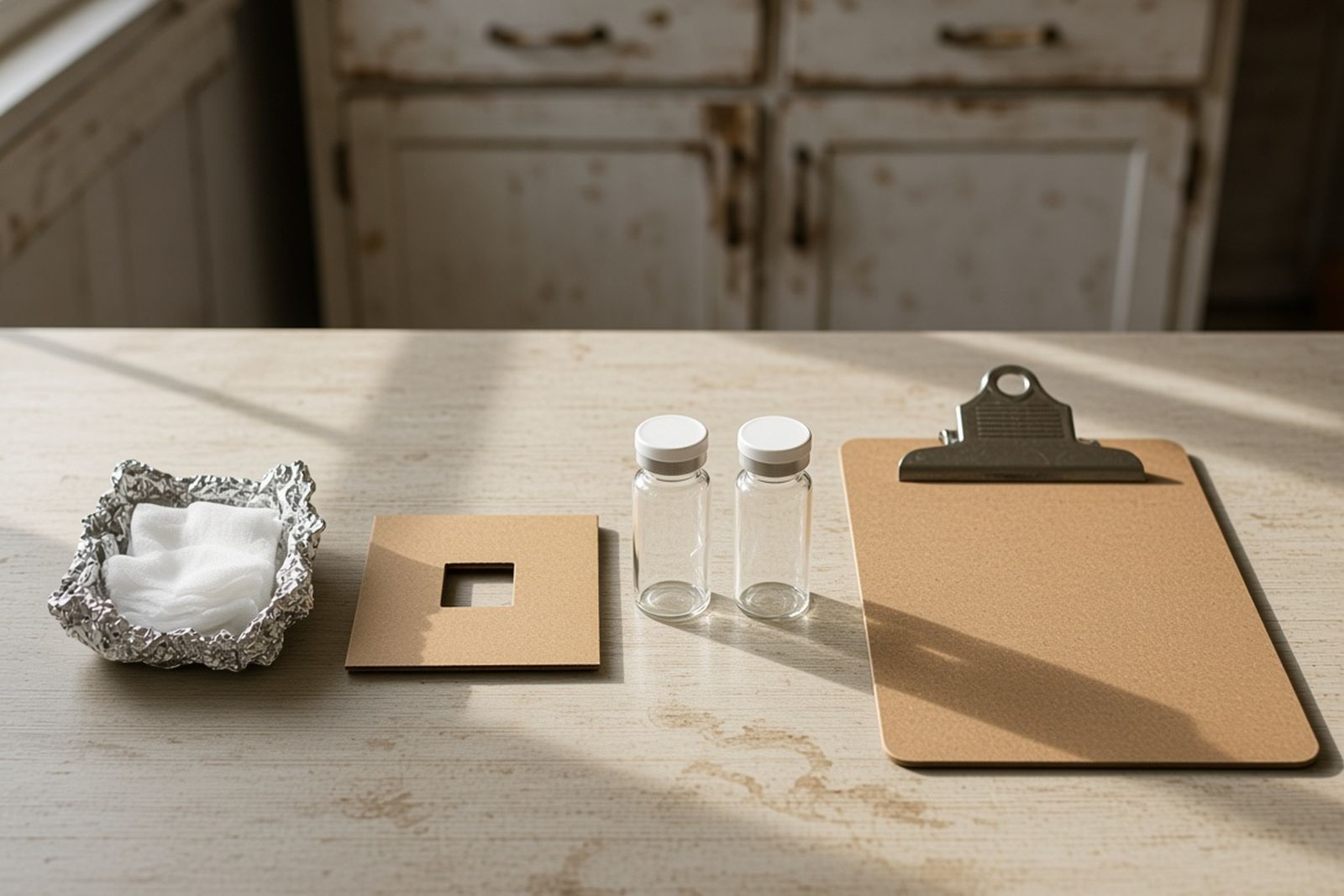
DIY vs Professional Meth Lab Cleanup: The Critical Differences
Why scrubbing and repainting a former meth lab rarely works, where owners can safely help, and how testing, disclosure and clearance change the DIY equation.
DIY cleanup of a former meth lab is rarely a good idea. Residue is invisible, soaks into porous materials and can only be confirmed gone through laboratory testing, and many jurisdictions require certified contractors, approved work plans and independent clearance sampling. Owners can help by securing the property, avoiding disturbance, arranging testing and handling paperwork, while trained crews do the remediation itself.
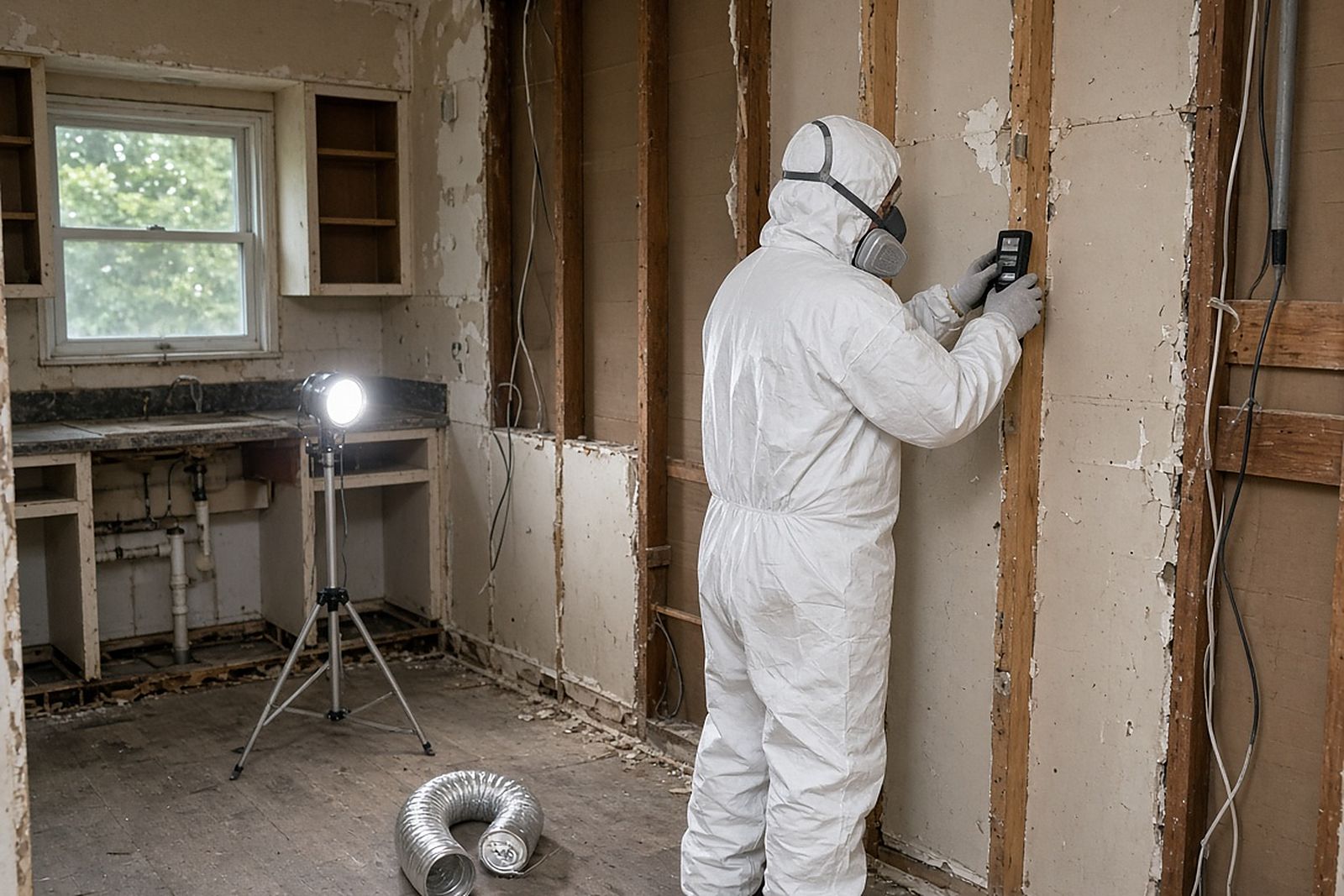
10 Meth Lab Cleanup Safety Risks to Assess Before Work Begins
Leftover chemicals, fire damage, invisible residue, corrosive stains, ductwork spread, sharps and legal holds: ten meth lab cleanup risks to assess first.
Before meth lab cleanup starts, assess ten risks: leftover chemicals and equipment, fire and explosion damage, invisible drug residue, corrosive or reactive stains, contaminated plumbing and septic systems, HVAC spread, sharps and drug paraphernalia, exposure to vulnerable people, structural and utility hazards, and legal restrictions on the property. Each one decides who enters first, what protection they need and what order the work follows.
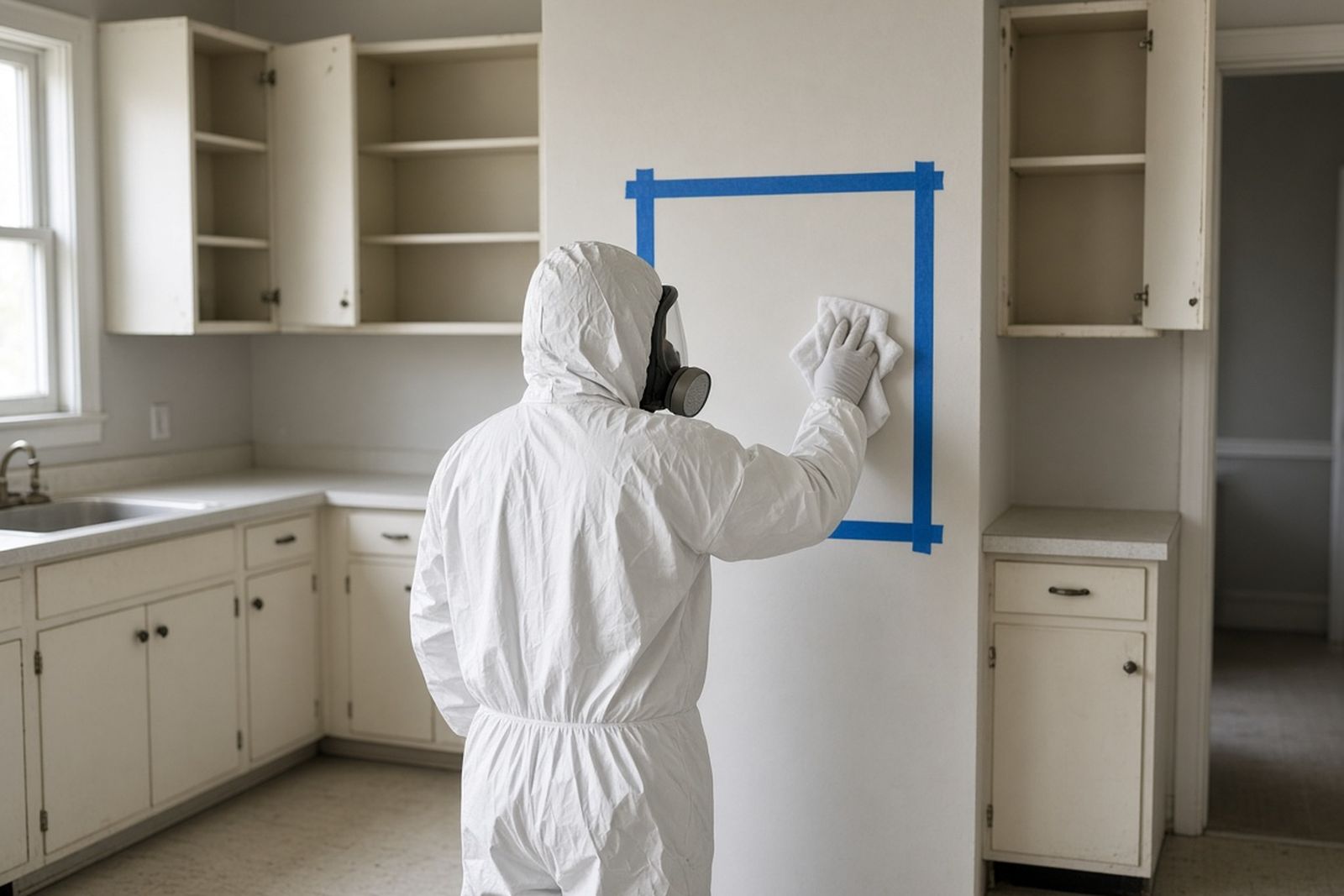
PPE Planning for Meth Lab Cleanup: Start With the Hazard Assessment
How meth lab remediation crews choose respirators, chemical suits, gloves and decon steps from sampling data, lab history and the tasks planned at each stage.
PPE for meth lab cleanup should be chosen from a written hazard assessment that uses the property's history, visual inspection and wipe sampling results. The assessment weighs drug residue, leftover chemicals, corrosive stains, sharps, HVAC contamination and the cleaning methods planned. From there, crews select respirators, chemical-resistant suits, layered gloves, eye protection and a decontamination routine for leaving the work zone.
Sourced figures on safety
- 23,700 (2004) vs 60 (2023)
DEA's El Paso Intelligence Center documented 23,700 clandestine meth lab seizures in 2004, compared with only 60 reported lab seizures in 2023.
Read with care: Seizure counts reflect enforcement reporting and exclude thousands of older contaminated properties never remediated.
Source: National Association of Realtors (citing DEA National Drug Threat Assessment 2025) (2025)United States, DEA-reported lab seizures
- 460 pg/mg
In that Victoria case, the 7-year-old child's hair contained 460 pg/mg of methamphetamine, versus 17 pg/mg for the mother and 5 pg/mg for the father.
Read with care: Case report; hair levels reflect exposure but not a specific dose-response.
Source: CDC MMWR (2016)Family of five, hair sampled one week after vacating
- 1,325 incidents; 162 injured
Five states reported 1,325 meth-related chemical incidents from 2001–2012; 87 of them injured 162 people, including at least 26 children.
Read with care: Only five states participated in the surveillance system, so national totals are far higher.
Source: CDC MMWR (2015)Louisiana, Oregon, Utah, New York and Wisconsin, 2001–2012
These figures are public research and agency data, not this network's own job records. Keep each number with its population, year and limits; none of them predicts cost, timing or outcome at a specific property.
What research has found
Findings from published studies of people and properties in situations like this one. They describe what researchers observed in a specific group; they are not predictions for your case.
Methamphetamine was detected in some residents' hair samples, including children's samples.
Surface wiping did not measure all contamination within porous materials.
Safety: common questions
What should I do if I find unknown containers at a former lab?
Do not open, move, or smell them. Leave the area and keep others out. Contact the police or your local emergency number so trained responders can check the containers. Some chemicals left behind at labs can catch fire, burn skin, or react with other things. Go back to the inspection only after the materials have been removed.
Is it safe for children to visit a house awaiting meth cleanup?
It is best to keep children out completely until clearance results are accepted. Young children spend time on floors. They put their hands and other things in their mouths. That can increase contact with residue on surfaces. Adults who visit for inspections should touch as little as they can and wash their hands afterward.
What protective gear do meth cleanup workers usually use?
Gear is chosen after a hazard review. Workers often wear chemical-resistant gloves, throwaway coveralls, and eye protection. They add breathing protection when dust or vapors are a concern. Some jobs with unknown chemicals may call for higher levels of gear. Ask the provider how it chose the gear. Ask how workers leave the sealed-off work area without spreading residue.
Is it safe to drive a car that was parked at a former lab?
A car parked outside a lab is less likely to be contaminated than one used for making or smoking meth. The car may have been kept in a garage connected to the lab, or it may have carried lab materials. If so, think about testing before regular use. Do not drive with the windows closed and the air on recirculate until you know more. Ask your contractor or state program for advice.
What should I do if I feel ill after entering a former lab?
Leave the property, get fresh air, and wash your hands and face. If you have trouble breathing, chest pain, or severe symptoms, call 911. For milder symptoms, such as a headache or irritation, contact your doctor or poison control. Describe the possible exposure. Change clothes and wash them separately. Report what happened to the contractor or health department.
How can I protect children who visited before the discovery?
Watch for symptoms such as coughing, skin irritation, or changes in behavior. Talk with their pediatrician about the possible exposure. Wash clothes and toys that came from the property, or keep them aside until you get advice. Do not go back with children until clearance. Most short visits are unlikely to cause lasting harm. But a doctor can give advice that fits your family.
Should pets be kept away from the property until clearance?
Yes. Pets can pick up residue on their paws and fur. Then they swallow it while grooming. Keep them out of the property and out of yard areas where dumping or burning may have happened. Wash pet beds and toys, or replace them, based on advice. If a pet lived in the property and seems unwell, see a vet and mention the possible exposure.
Related community polls
Every count is a real visitor vote; nothing is seeded or padded. One vote per poll per device, and you can change your answer.
If a house you wanted had a documented lab cleanup that passed clearance, what would you most likely do?
Which factor would you weigh most when choosing a meth cleanup contractor?
More on meth lab cleanup
Meth Lab Cleanup services
See how the inspection, chemical cleanup, duct work, and clearance testing fit together on a former lab or heavy-use home before you hire.
Costs explained
What drives the price, published cost ranges, and how to read a written quote line by line.
Insurance and payment
Which policies may respond, how to document a claim, and what to do if coverage is denied.
Planning tools
Use hands-on planners for lab properties. They sort out costs, questions for providers, insurance steps, first-day actions, waste types, and the risk of doing it yourself.
Community polls
See how other owners, buyers, and landlords think about disclosure, sampling, and contractor choice, then compare your own view with theirs.
Knowledge quiz
Test what you know before you talk with a provider. Topics include how residue spreads, state programs, sealing off work areas, cleanup steps, waste, and clearance records.
Field guides
Dig into step-by-step guides on inspections, soft materials, and ducts. They also cover landlord duties and building a strong file for future buyers.
City guides
Find cleanup and testing providers who serve your area. Remember to check every credential directly with the state agency.