Field guide
Meth Lab Cleanup: Remediation Versus Reconstruction
How to keep meth cleanup apart from rebuilding. Follow local standards, wait for test results, keep material and system records, then get permits.
For: This guide is for owners, landlords, property managers, buyers, and lenders. It is also for insurance adjusters, cleanup teams, assessors, and builders.
Organizational editorial byline · Updated 2026-08-01 · Verify case-specific requirements with the responsible authority.
Ask about your situation
Your request is sent to the follow-up inbox. A coordinator can reply by email. Not for emergencies; call 911 first if anyone is in danger.
Direct answer
What is the practical approach?
Meth cleanup and rebuilding are judged by different tests. The cleanup follows the state or local process in charge. It checks the leftover residue and carries out the approved cleanup plan. It identifies each type of waste and deals with materials and building systems. It finishes any required testing after cleanup. Then it produces a final report for the named reviewer or authority. Rebuilding replaces what was torn out. It restores the structure, utilities, building code compliance, finishes, and how the home works. Before the required testing and cleanup approval, do not cover bare surfaces. Do not put in flooring, coat walls, reconnect systems, or bring contents back. One company may do both phases. But keep the scopes, records, prices, conflicts, and checkpoints separate.
Set the legal finish line before the building finish line
The cleanup's finish line comes from the current local rules and the approved plan. It covers the required cleanup level, the testing method, and who is qualified. It also covers the report, any fixes, and the decision to accept or restrict. The EPA's 2021 national guidance is voluntary. The building finish line comes from the design, permits, and inspections. It also comes from how walls and floors perform, finish choices, disability access, fire safety, and the owner's contract. A room can pass the cleanup while it is still stripped to the studs. And a freshly painted room can fail if required test data or authority approval is missing.
Make a phase map for each area. It starts with the release after the main hazards are removed, then the first check. If used, testing before cleanup comes next, followed by the cleanup plan and controlled removal. Then come the cleanup itself, testing after cleanup, report review, and authority approval. Last come rebuild design, building work, inspections, and moving in. Name who opens each gate. This keeps schedules, financing, or looks from overriding the legal and testing order. It also shows when different agencies or rules control indoor surfaces, waste, soil, water, or building work.
Tear out materials only as the approved cleanup plan allows
A material may need to come out for several reasons. It may not be possible to clean it to the required standard. It may block access. The cleanup plan may say to dispose of it. Or rebuilding may require replacing it. For each removal, record the reason, location, layer, amount, what was seen, samples, and safety steps. Also record the waste type and who approved it. Do not let broad demolition destroy test information before the assessor finishes the required work. On the other hand, do not keep a surface just to cut rebuild costs. That applies when the plan requires removal or there is no clear, testable finish line.
Careful opening of walls and floors should account for utilities and the structure. It should also account for asbestos, lead, mercury, sharps, chemicals, light fixtures, and other hazards. The EPA discusses many materials by name and notes extra concern for children. Assign questions to experts before opening up spreads dust or mixes types of waste. Save removed trim, doors, fixtures, and matching parts only when approved and handled safely. Decisions about saving parts for rebuilding belong in the plan. But they cannot override how chemical waste is identified or any authority limits.
Keep required test surfaces open and unchanged
Testing after cleanup may need set surfaces that can be reached. It may need set areas, combined or separate sample spots, and quality checks. Putting up drywall or installing flooring, coatings, cabinets, or contents can cover those spots. It can also add new residue or make extra cleanup cost more. Set a written checkpoint. It should list the finished cleanup records and the surfaces that must stay open. It should name the sampler's qualifications, the lab, the methods, and the cleanup level. It should cover data review, how long results take, and who can approve the start of rebuilding.
Sealing a surface needs extra care with timing. Where local rules and the approved plan allow it, record how the surface was prepared. Record the product, how it was applied, and why. Note whether testing happens before or after the coating. Sealing should not hide a condition that was never identified. It should not replace required washing and removal. Photograph and map surfaces before they are covered. A passing sample answers only the question it was designed for. It does not clear chemicals that were not tested, hidden wall cavities, soil, water, or future contamination.
Hand off HVAC, plumbing, contents, waste, and outdoor areas clearly
Before rebuilding, close out or hand off every system decision. Heating and cooling (HVAC) records should list zones, parts, and filters. They should show what was cleaned or removed, any samples, and whether the system runs. Plumbing records should cover drains, drain traps, wash water, the sewer or septic system, fixtures, and limits. Contents need an inventory and a decision on testing or treatment. They also need chain of custody, storage, and conditions for return. Outdoor soil, water, sheds, or vehicles should each have their own authority and status. They should not drop out of an indoor report.
Waste records should link each removed material to its waste type, container, hauler, and receiving site. They should also include the waste shipping record or receipt, as required. Building debris made after the cleanup is approved may follow a different path than chemical or contaminated waste. But that switch must be recorded. Builders should not mix unknown leftovers into regular dumpsters or flush residue. They should not reuse parts without the approved record. The cleanup team should state what it handed over and what is still outside its scope.
Write a rebuild scope based on the approved condition
After the cleanup is approved, the builder should inspect the recorded surfaces and design replacement wall and floor systems. The scope should cover structural repairs, utilities, insulation, air flow, and moisture. It should cover fire blocking, permits, inspections, disability access, finishes, and appliances. It should also cover how materials work together, wait times for materials, and warranties. The cleanup plan may require choices that affect coatings or finishes. But it is not a building specification. A same-kind replacement may not be available or may not meet code. An upgrade may not be covered by insurance.
Protect approved areas during work. Many things can change conditions. These include building dust, treated lumber, paints, glues, fuels, and stored chemicals. They also include worker traffic, wet materials, and running the HVAC for temporary use. Set up staging, barriers, air flow, tool control, daily cleaning, security, and a plan to return contents. If a builder finds suspicious stains, containers, smells, or a layer nobody recorded, pause and write it down. Do not hide it. Do not assume it came from the earlier phase without a review.
Keep roles, prices, conflicts, and warranties separate
Keep each cost easy to see. That includes the assessment, testing, lab work, cleanup, waste, review after cleanup, rebuilding, and authority fees. Local rules may require certain qualifications or independence. Where they do not, disclose business ties. One company may offer several services. But it should not quietly mark its own work as accepted when an outside sampler or authority is required. Line up bid units so they match. Compare costs for failed samples, extra cleaning rounds, who can approve changes, rebuild allowances, and schedule effects. An insurance payment does not prove the cleanup passed.
Use a separate warranty for each phase. The cleanup contractor can stand behind the work it did, under stated rules and limits. The lab is responsible for its testing. The assessor is responsible for its professional scope. The builder is responsible for what it installs. No one should promise that every chemical, hidden area, future spill, disclosure question, or property value is settled. State how fixes will be handled, notice deadlines, and how long records are kept. Also state who handles a later test result or a question from the authority.
Build one timeline but keep each report separate
The main file should tie together the whole job. It should include the release after the main hazards were removed and the local rules it is based on. It should include the assessment, all testing and quality checks, and the cleanup plan. It should include work on materials and systems, waste, and results after cleanup. It should list fixes, the final report, and the authority's approval. It should also hold the rebuild design, permits, inspections, and property use. Keep the original reports whole, and label each corrected version. Photos of the finished work do not replace cleanup data. The final cleanup report does not prove building code compliance.
The final property handoff should list any limits. Where they apply, it should list disclosure or public list duties. It should cover outdoor or water work, utilities, contents, upkeep, monitoring, and who is responsible for each. Give future owners, tenants, lenders, insurers, and contractors the records they are legally or practically entitled to. Do not make health or value promises you cannot back up. A clear, traceable line between phases protects the property better than a single "restored" label.
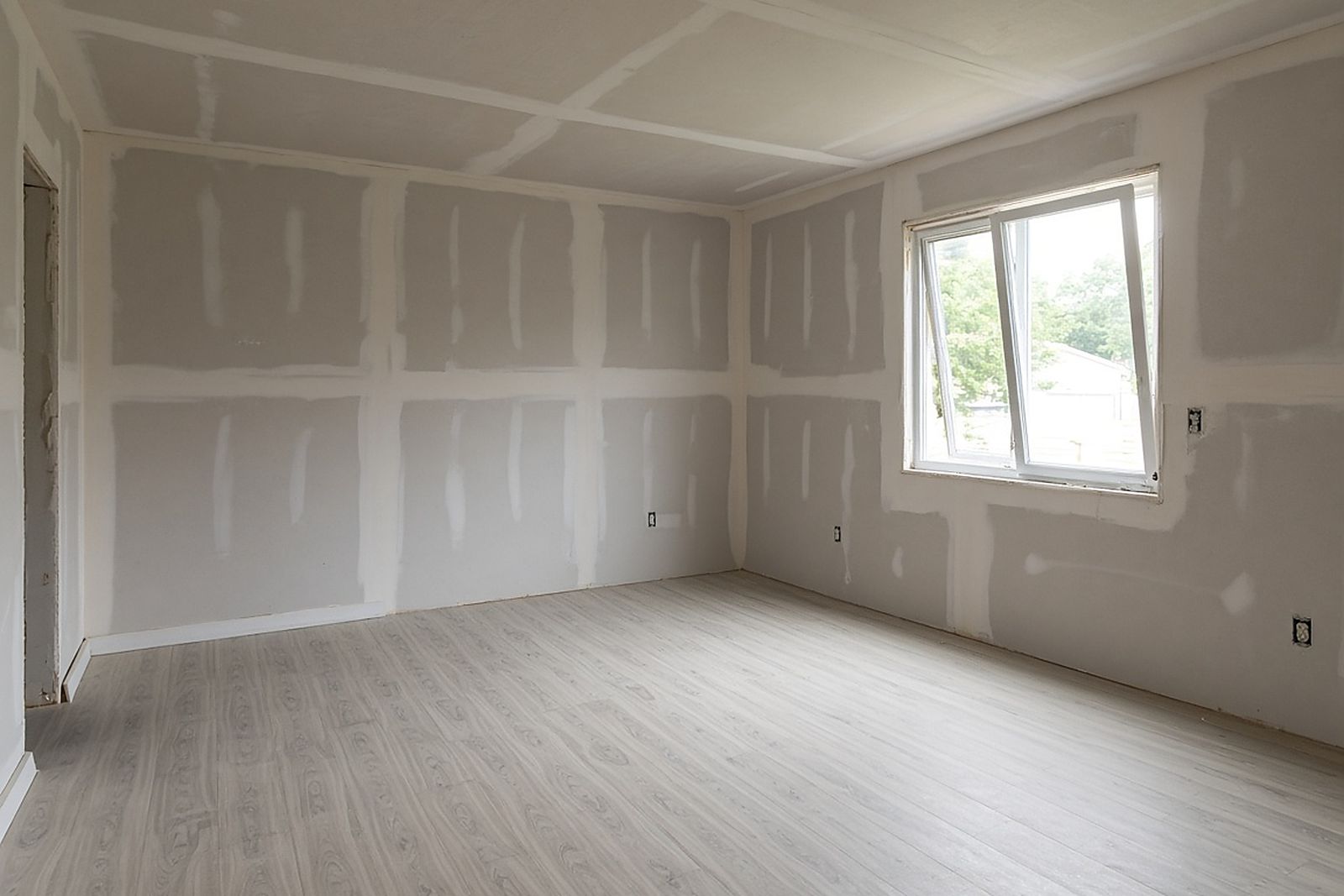
Decision table
The two phases share a building but not the same proof or the same authority.
| Decision | Cleanup phase | Rebuilding phase |
|---|---|---|
| Standard | Current chemical cleanup rule and approved plan | Building code, permit, design, and owner needs |
| Removal | Reason based on residue, access, testing, or the plan | Reason based on replacement, repair, code, or design |
| Approval | After-cleanup data, final report, and reviewer or authority | Inspections, function, finish, and final punch list |
| Systems and contents | Chemical status, treatment, custody, and limits | Reinstalling, running, finishing, and returning items |
| Waste | Cleanup waste by type, with recorded destinations | Building debris made after approval, under the rules that apply |
| Warranty | Cleanup work done and its limits | Installed work and building contract terms |
Action checklist
- 1Name the approval standards for the cleanup and for rebuilding.
- 2Map every phase and who opens each gate.
- 3Record why each material is removed or kept.
- 4Keep test spots and bare surfaces untouched until release.
- 5Record when and why any surface is sealed.
- 6Close out HVAC, plumbing, contents, waste, and outdoor decisions.
- 7Give the builder the approved cleanup file.
- 8Create a new rebuild design and permit scope.
- 9Protect approved areas from building dust and chemicals.
- 10Keep roles, prices, failed samples, and allowances separate.
- 11Use a warranty and fix process for each phase.
- 12Deliver one main timeline without blending the technical reports.
Questions and answers
Can reconstruction start before meth clearance samples return?
Not on surfaces or areas where changes would affect required testing, how results are read, or extra cleanup. Set the checkpoint under the rules in charge and the approved plan. Unrelated work may go ahead only if the responsible reviewer agrees and residue is kept from spreading. Covering a surface early can undo the decision or raise costs. Write down who can lift the hold and what proof is needed.
Is encapsulation remediation or reconstruction?
It can be part of an approved cleanup method where allowed. But it also leaves a coated finish that affects later building work. The plan must state the purpose, how the surface is prepared, and the product. It must cover how it is applied, when testing happens, inspection, limits, and the authority. Sealing should not hide a surface that was never checked or replace required cleaning. Keep it separate from decorative painting, and save proof of the surface before coating.
Who pays to replace removed walls or flooring?
It depends on contracts, ownership, insurance, and financing. It also depends on the cause and any programs that apply. Keep cleanup and rebuild estimates separate. That way the reason for removal, replacement choices, wear and tear, upgrades, and exclusions are easy to see. Do not assume that cleanup approval guarantees coverage. Do not assume the cleanup contractor will match finishes. Where you can, set allowances, change orders, and who pays before anything is removed.
Can construction create a new sampling problem?
Yes. Dust, coatings, glues, fuels, treated materials, running the HVAC, wet work, and foot traffic can change surfaces. They can also confuse how later results are read. Finish required work after cleanup first, record the approval, and protect the area. If more testing happens after building work, its purpose and how it is read must account for new materials and changed access. This is why the cleanup checkpoint matters.
What records should the builder receive?
Give the builder the approved final report and maps of locations. Include photos of the open surfaces, decisions on materials and systems, and any limits. Include how the after-cleanup results were read, and the status of waste or outdoor work that affects the job. Include the authority's release for rebuilding. Leave out sensitive investigation details. The builder should confirm the conditions and protect approved areas. They should stop if anything new they see conflicts with the handoff.
Can the HVAC system be reconnected during reconstruction?
Not until the remediation plan has addressed the system and it has been accepted. Reconnecting ducts or running equipment early can move residue into cleaned areas or disturb surfaces that still need sampling. The remediation record should say whether each HVAC component was cleaned, replaced, or sealed, and what was verified. The builder or mechanical contractor should reconnect only what the accepted record describes.
Should contents go back in before reconstruction is finished?
Waiting is usually better. Construction dust, sanding, and trades moving through the space can dirty items that were already cleaned or cleared, and furniture gets in the way of the work. Keep accepted contents in documented storage until construction and final cleaning are done. If some items have to come back early, protect them and record where they were placed.
Primary sources and scope
These sources support specific safety or process statements. They do not certify a provider, establish a universal property-clearance standard, or replace local requirements.
Use this guide with the planning tools
Open the insurance claim organizer to keep the paperwork orderly from the first call to the carrier decision. When you are ready to compare providers, the vetting checklist turns the questions in this guide into a list you can send.
Related articles
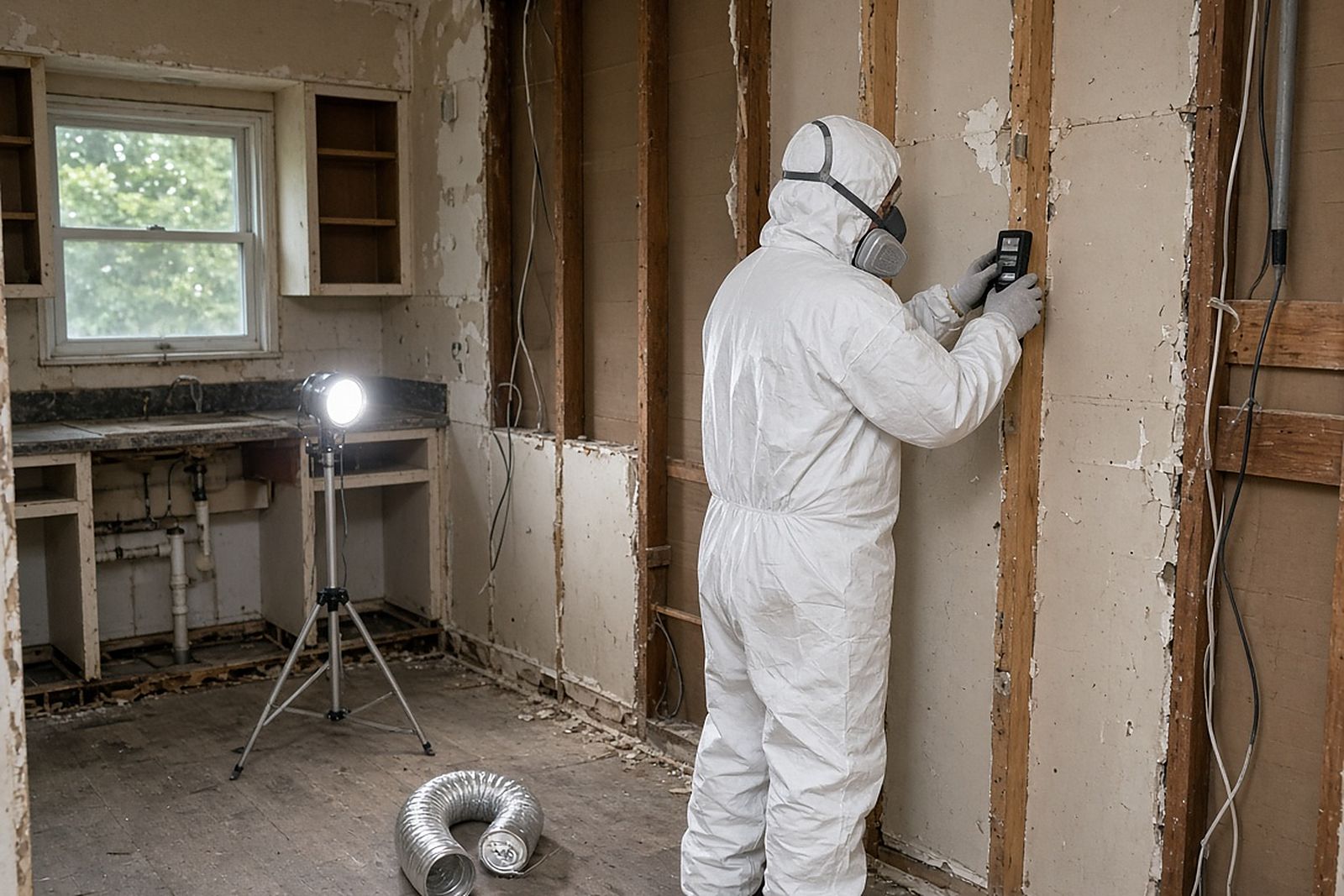 How Long Does Meth Lab Cleanup Take?Meth lab cleanup usually runs longer than owners expect because the physical washing is only one piece. The timeline also includes preliminary sampling and lab turnaround, any required work plan filing or agency review, removal of contaminated materials and HVAC components, independent clearance sampling, possible re-cleaning, and paperwork before reoccupancy. Rebuilding afterward is a separate schedule.
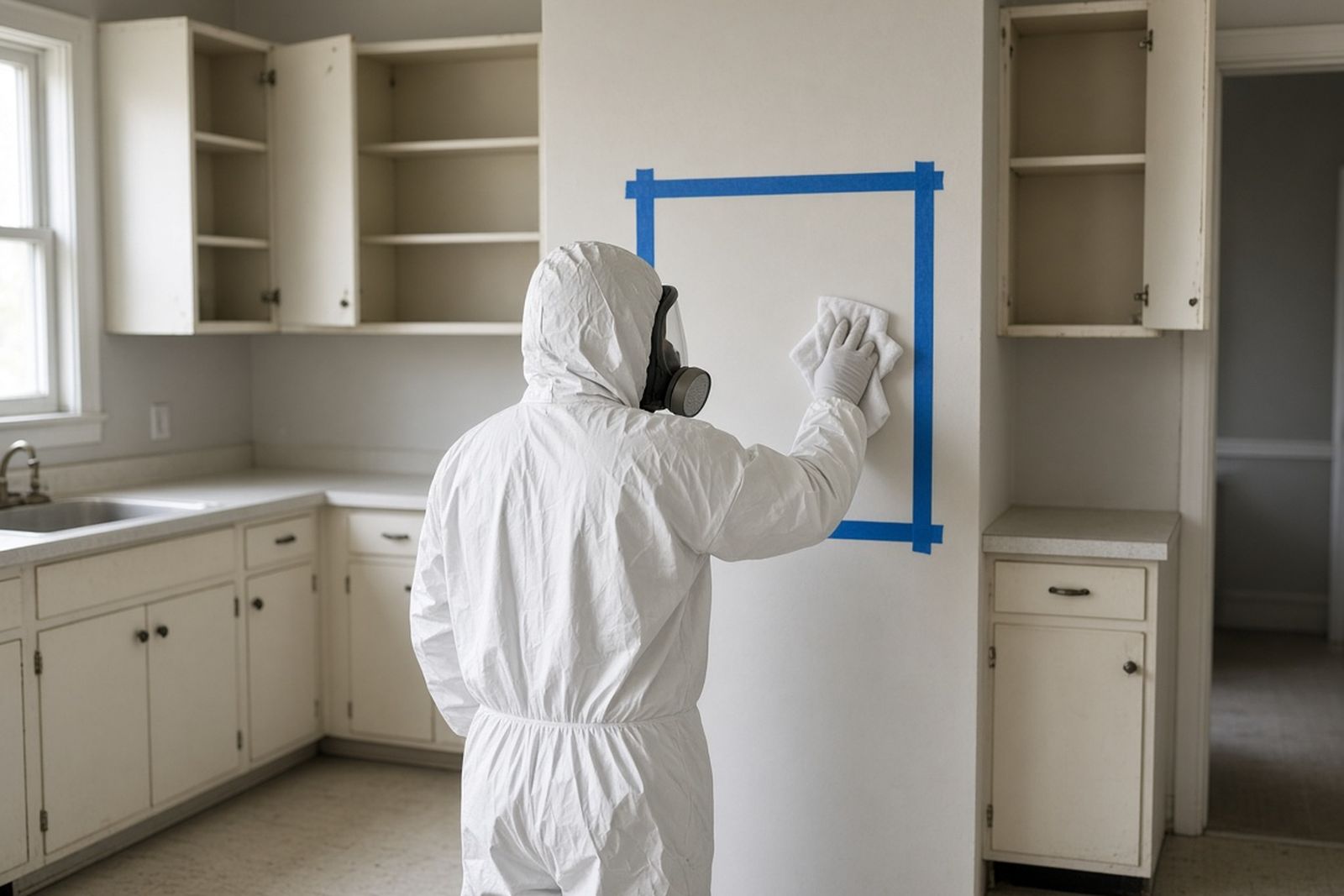 10 Meth Lab Cleanup Safety Risks to Assess Before Work BeginsBefore meth lab cleanup starts, assess ten risks: leftover chemicals and equipment, fire and explosion damage, invisible drug residue, corrosive or reactive stains, contaminated plumbing and septic systems, HVAC spread, sharps and drug paraphernalia, exposure to vulnerable people, structural and utility hazards, and legal restrictions on the property. Each one decides who enters first, what protection they need and what order the work follows.What Drives Meth Lab Cleanup Cost?Meth lab cleanup cost is shaped by how contaminated the property is, the clearance standard your state applies, whether surfaces can be washed or must be removed, how far residue traveled through the HVAC system, and how many rounds of sampling are needed to prove the property is clean. Separate assessment, remediation and clearance testing in every estimate so you can compare them fairly.
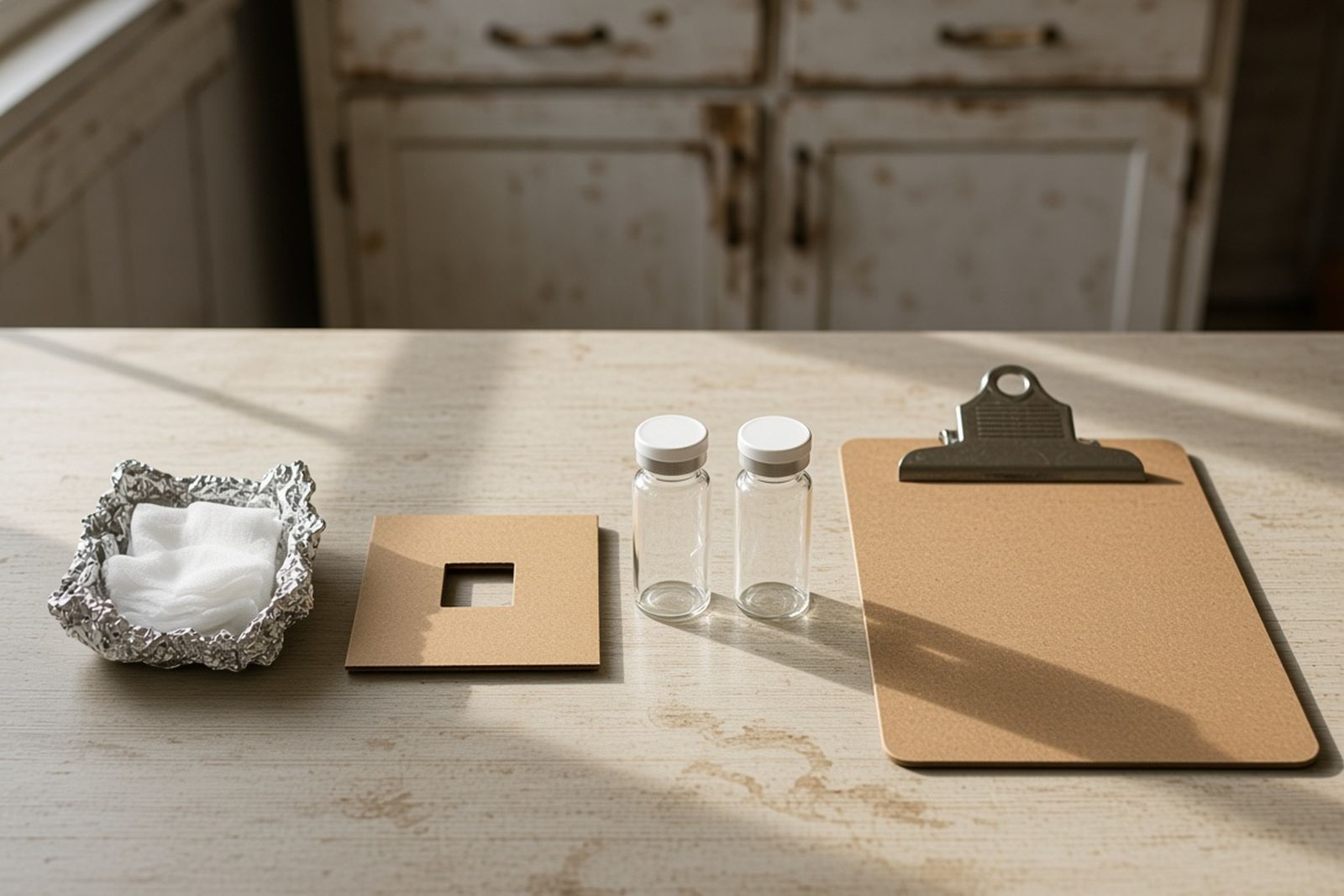 10 Questions to Ask Before Hiring a Meth Lab Cleanup CompanyBefore hiring a meth lab cleanup company, ask whether it holds the certification your state requires, who will collect samples and whether that person is independent, which clearance standard the work targets, how it decides between washing and removal, how it handles HVAC and plumbing, what happens if clearance fails, what the price includes, what insurance it carries and what documentation you will receive.The Difference Between Cleaning and Disinfection in Meth Lab CleanupIn meth lab cleanup, disinfection is usually not the main goal, because methamphetamine residue is a chemical rather than a living microorganism. A germ-killing product leaves meth molecules right where they were. What matters is cleaning: HEPA vacuuming, repeated detergent washing and removal of porous materials, confirmed by laboratory wipe sampling. Disinfection becomes relevant only when a property also has biological hazards such as needles or bodily fluids.Urgent Meth Lab Cleanup: What to Do Before a Provider ArrivesIf you suspect a property was used as a meth lab, leave the building, do not touch containers, equipment or stains, and call 911 or local law enforcement if there are chemicals, strong odors or signs of active production. Keep everyone out, do not start cleaning or painting, notify your insurer and local health department, and gather records so a qualified sampler and cleanup contractor can plan the work.