Field guide
Meth Lab Cleanup: Emergency Response Versus Remediation
A live meth lab is an emergency. Removing the chemicals is one step. Testing, cleaning up leftover residue, the report, and moving back in come later.
Who this is for: Owners, landlords, property managers and buyers, plus insurers, public agencies and neighbors dealing with a suspected or former meth property.
Updated 2026-08-01. Rules differ by state and city, so check the details with your local authority.
Ask about your situation
Your request is sent to the follow-up inbox. A coordinator can reply by email. Not for emergencies; call 911 first if anyone is in danger.
In short
The short answer
A meth lab that may still be active is an emergency for police or a hazardous materials team, not a private cleaning crew. Do not go in, touch containers, switch power or gas on or off, open windows, sniff or take samples. Emergency teams secure the site, protect evidence and arrange removal of the main chemicals, equipment and lab gear. Cleanup of leftover residue starts only after that, once you have an official release and have checked the current state or local process. In that later phase, a qualified team tests, cleans the building and its systems, handles the waste and sends the final report to whoever must accept it.
Treat a possible active lab or unknown chemicals as an emergency
If you see signs of an illegal and dangerous setup, leave first and call for help once you are safe. The signs include chemical containers, reaction jars, odd tubing or strong chemical smells. Other signs include stains, gas cylinders, dumped material, pill-press equipment or reports that meth is being made there. Do not use switches, flames or phones inside the suspected area, and do not change fans or windows. Stay away from containers, powders, liquids and drains. Once you are safe, call the right emergency service or the police. If you are an owner or on the maintenance staff, do not go in to check a rumor or protect the property before responders look at it.
Your part is to give responders the facts you saw and legal access details. Tell them about people living there, children, pets and utilities. Mention sheds, vehicles, wells, septic systems, drainage and any known medical needs. Do not post addresses, photos or accusations, because something that looks suspicious is not proof that meth was made. Private contractors should not sell you emergency entry as a replacement for an official response. While its work goes on, the authority controls evidence, immediate dangers, evacuation and the scene boundary.
Know what the first chemical removal does and does not do
The first removal is needed, but it does not clean your building on its own. The EPA treats police removal of the main hazards as different from the later cleanup of leftover residue. The first removal takes out chemical containers, equipment, lab gear and related items that pose immediate danger. Walls, ceilings, floors, heating and cooling (HVAC), plumbing, contents, soil, water and other surfaces may still hold residue. A released building may still need a first check and cleanup under local rules before you can use it freely. Write down the agency that came, any contractors and the dates. Note the kinds of items removed, any known spills or fire, and areas that are still off-limits.
Do not expect responders to give you a clean bill of health or a full map of the residue. Their job and their records are different from the property decision you will make later. Ask the responsible authority which records they can share with you. Ask which part of the site is released and whether a state or local notice or public list applies. Ask who now controls entry, and respect any chain of custody or evidence limits. If unknown containers, powders, smells, reactions or damaged cylinders remain, stop and take the question back to the authority.
Secure the released property without disturbing the residue
After release, you may need to secure the property, but in ways that leave the residue alone. That can mean limiting access, protecting it from weather, adding security or having a qualified person control utilities. It can also mean steps the responsible agency tells you to take. For each step, write down the task, the area and who is qualified to do it. Add photos, how the price is set and when to stop. Do not use your regular janitors, maintenance workers or restoration crews before the first check. They should not sweep, vacuum, wash, air out, flush drains, pull carpet or throw out contents. Those steps can spread residue and erase what testing would show. They can also contaminate equipment and create new waste.
You should also make a record of the status of each system. Include power, gas, water, and heating and cooling. Include the sewer or septic system, wells, fire controls, refrigeration and security. Changing the temperature or air flow can change conditions and affect testing. You may need to secure broken windows or doors without people walking through the whole place. Rain can affect how far residue spreads outdoors. Your record should protect the site for the next qualified check. It should not make the place look ready to rent or sell.
Start the cleanup phase under current state and local rules
The rules that bind your property come from your state and local program, so find the current one. The EPA's August 2021 document is a voluntary national guide. It does not set binding cleanup levels, contractor licenses, disclosure rules or the power to approve moving back in. In the state and local program, look for rules on notice, warning signs and access. Look for who may assess or clean, and how testing is done. Look for cleanup limits, waste handling, the final report, approval, public lists and disclosure. Do not copy a number or process from another state or city just because it shows up in a search.
Next, name who is responsible for each step, so you always know whom to ask. That includes the first check, planning and taking samples, and lab testing. It also includes approval of the cleanup plan, the cleanup itself and testing after cleanup. Last, it includes reading the report and giving official approval. Local rules may require certain people to be independent or to hold certain qualifications. Even when they do not, ask everyone to disclose business ties and conflicts. As the owner, you should know who answers each question. You should also know which authority can lift a restriction or accept a final report.
Check the building, its systems, contents, and outdoor areas
A good first check uses official history and what the assessor sees on your site. It maps where meth may have been made, spilled, cooked or smoked. It also maps storage, how people moved through, rooms, surfaces and contents. It covers heating and cooling, plumbing, appliances and drains. It covers the sewer or septic system, sheds, vehicles, soil, surface water and groundwater. The EPA notes that no two labs are alike. Partial labs or labs that only convert the drug can involve different chemicals and different ways of spreading. The check you receive must list missing records and areas that could not be reached. It should not guess how the drug was made.
Testing should answer set questions, using the required methods and cleanup level. The plan you approve should set the sample surface sizes and locations. Where allowed, it should say whether samples are combined or kept separate. It should also set quality checks, chain of custody, lab methods, reporting limits and what to do with the results. One wipe, a smell, a negative field test or being left off a public list does not settle your whole site. Outdoor and water questions may need environmental agencies or experts, not just an indoor cleanup contractor.
Treat the cleanup as step-by-step work with records, not a wash job
A real cleanup is step-by-step work with records, and you should expect more than a wash job. The cleanup plan should cover what gets removed and how each type of waste is identified. It should cover vacuuming with a HEPA (fine-particle) filter where it fits, and washing with water and then detergent. It should cover heating and cooling, plumbing, sewer or septic, and outdoor areas. It should also cover testing after cleanup, sealing surfaces where allowed, and methods for specific items. Each step should fit your materials, your local rules and the test results. Walls, ceilings, floors, concrete and wood each need their own approach. So do appliances, light fixtures, carpet, fabrics, upholstered furniture, mattresses, paper, toys and mobile homes. No single method fits them all.
A good cleanup company starts worker safety with the known and unknown chemical hazards. It looks at how workers could be exposed, the tasks, air flow and cleaning off gear. Its plan covers protective gear, breathing protection, emergencies and the OSHA rules that apply. Whether OSHA's hazardous waste rule (HAZWOPER) applies takes careful review. It is not a sales label that proves your property is clear. Waste chemicals from illegal drug making are not normal household trash just because the property is a home. Each type of waste has to be identified. Ask for a record of how it will be hauled and where it will go before any load leaves or any wash water is dumped.
Finish with after-cleanup test results and the approving authority
Testing after cleanup shows you whether the work reached its goal, so it should follow the approved plan and the rules in charge. The record lists the locations, methods, quality checks, chain of custody and lab data. Results are compared with the cleanup level, and any fixes are recorded. A passing sample answers only the question it was designed for. It does not cover chemicals not tested, spaces that could not be reached, outdoor areas or future spills. Failed, mixed or flagged results belong in the report you receive. Any extra washing, removal or retesting should follow a written change process.
The final report should tie your whole job together. It should include the official release, the first check and test data from before cleanup. It should include the cleanup plan and records of materials and work. It should show the heating, cooling and plumbing decisions and how waste was handled. It should also show results after cleanup, any changes from the plan, photos, limits and rebuilding. Make sure it names who accepts the report. It should note what step for moving back in or disclosure comes next under current rules. A private invoice, new paint, no smell or a "certified clean" sign does not replace the required process. Keep the report for your future property decisions, and share it with privacy controls.
What to do in each case
Emergency control, first chemical removal, cleanup, and moving back in are separate decisions.
| Phase | Who is mainly in charge | Proof the phase is done |
|---|---|---|
| Suspected active lab or unknown chemicals | Emergency, police, fire, or hazardous materials authority | Secured boundary and responder instructions |
| First removal of chemicals and equipment | Responsible public agency and qualified response contractor | Removal record, release status, and remaining limits |
| Securing the property | Approved owner with qualified security or utility workers | Short log of limited steps that keeps conditions ready for testing |
| Checking leftover residue and planning | Qualified roles under current state and local rules | First check, testing plan, lab data, and cleanup plan |
| Cleaning the building and outdoor areas | Qualified contractor and responsible oversight | Records of work, materials, systems, waste, and changes |
| Testing after cleanup and moving back in | Required sampler, reviewer, or authority | Results, final report, approval, and disclosure or restriction decision |
Checklist
- 1Leave and call the right authority if hazards may be active.
- 2Do not touch, air out, switch utilities, take samples, or clean.
- 3Record official boundaries, what was removed, the release, and any limits.
- 4Secure the property only through a short, written plan with qualified workers.
- 5Leave conditions as they are for the first check.
- 6Find the current state and local notice and clearance rules.
- 7Name the assessor, sampler, lab, contractor, reviewer, and authority.
- 8Map the inside, heating and cooling, plumbing, contents, vehicles, soil, and water.
- 9Test to answer set questions, with quality checks and chain of custody.
- 10Follow a cleanup plan for each material, plus a worker safety plan.
- 11Identify every type of waste and wash water before it is thrown out.
- 12Finish testing after cleanup, the final report, and the official handoff.
Common questions
Should I open windows if I suspect a meth lab?
No. Leave the area and follow emergency or police instructions. Opening windows, using switches or opening up the building can expose you and others. It can spread fumes or particles, raise the risk of fire or explosion, and disturb evidence. Share what you saw from a safe place. Airing out the building is a planned step in the later cleanup. It happens only after the main hazards are gone, the site is released, and conditions for workers and the building are checked.
Does law-enforcement cleanup make the house ready to occupy?
Not always. The EPA treats removal of chemicals, equipment and immediate dangers as different from cleaning leftover residue in buildings, soil and water. After release, your property may still need a first check, testing and a cleanup plan. It may also need the cleanup itself, testing after cleanup and a final report under state or local rules. Ask the responsible authority what their work covered and which process controls future use.
Can maintenance staff stabilize a released meth property?
Only within their authority, training and employer safety program. The task must also be narrow, and it must not expose them to unknown residue or change conditions before testing. Regular cleaning, airing out, demolition, drain flushing or throwing out contents should wait for the qualified plan. Security or utility work may need separate professionals. For each task, write down the purpose, the area, the protective gear and safety steps, photos and when to stop.
Is the EPA cleanup guide the final authority?
No. The EPA clearly calls its 2021 document voluntary, and it points you to state and local rules. It gives useful cleanup steps and advice on materials. But state or local rules may control notice, qualifications, testing, cleanup levels and waste. They may also control reports, disclosure and moving back in. Use the EPA guide within the legal process that applies to your property, not in place of it.
What marks the transition from remediation to reoccupation?
The state or local rules in charge and the approved project plan define that point. It usually requires that the planned work is done. It also needs testing after cleanup or other required proof, and a final report where the records match. Any failures must be fixed, and the named reviewer or authority must accept the work. Rebuilding, utilities, building code, disclosure or occupancy conditions may still remain for you to settle. An invoice, fresh paint or no smell is not the full decision.
Can I remove my belongings after gross removal is finished?
Not until the property is released and a qualified assessor decides how contents will be handled. Belongings in a lab area may carry residue you can't see, and carrying them out can spread it to your car or next home. Ask the provider to assess them, sort what can be cleaned, what can be tested, and what should be thrown out, and document each decision. Essential items like documents may be prioritized through that process.
What if I find more suspicious items after the property was released?
Stop, leave the area, and don't touch, move, or open the items. Contact the authority that handled the original response and describe what you found and where. Keep other people out of the area until they give direction. Tell your remediation provider too, because new findings may change the assessment, the cleanup plan, or the sampling. Write down the date and the details of what you saw.
Sources
These official sources back up the safety and process points above. Use them when you talk with your local office or a cleanup company.
Use this guide with the planning tools
Open the first 24 hours planner to get an ordered list of who to call, what not to touch and what to photograph. When you are ready to compare providers, the vetting checklist turns the questions in this guide into a list you can send.
Related articles
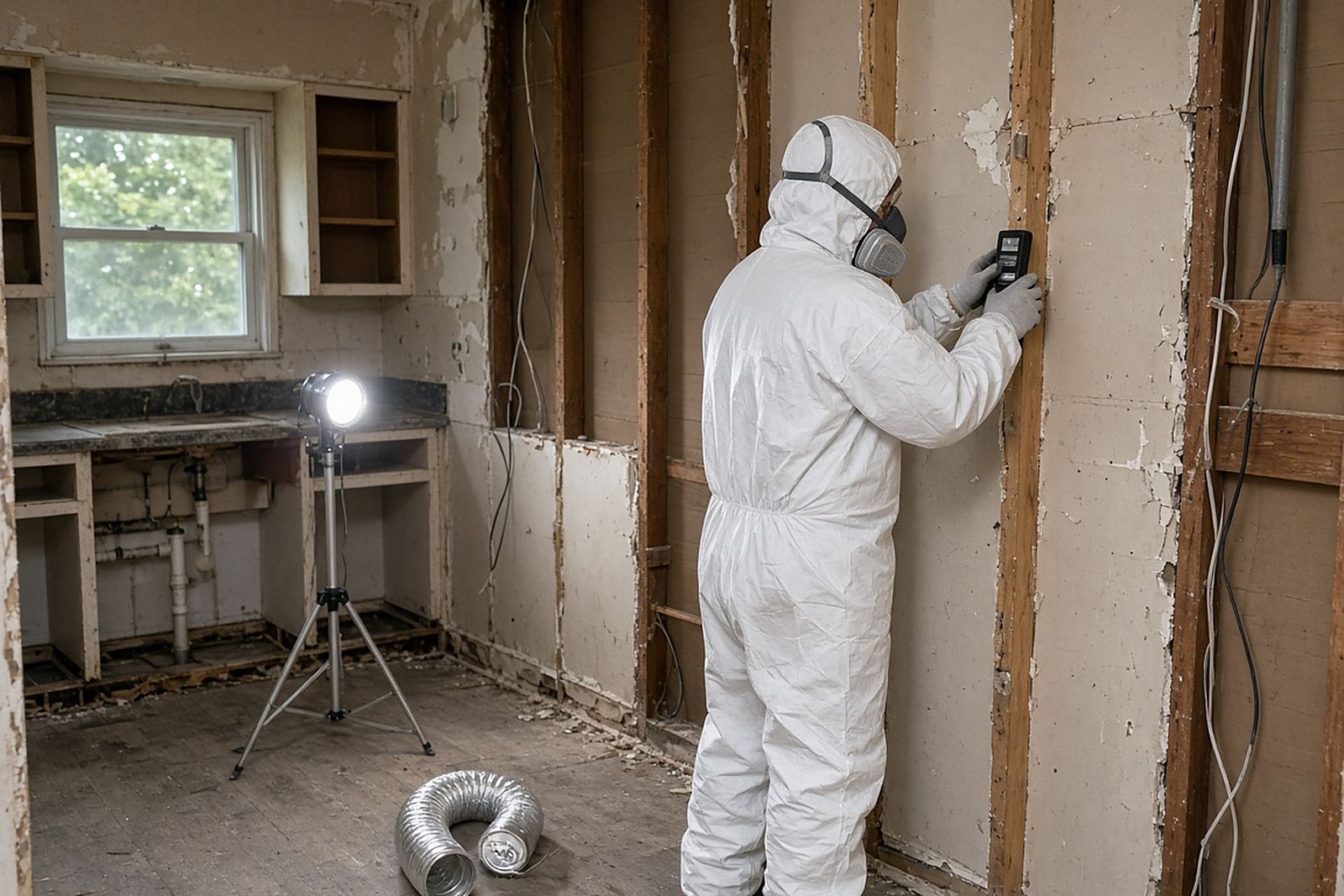 What to Expect During Professional Meth Lab CleanupProfessional meth lab cleanup usually follows a set order. First comes an assessment with wipe sampling, then a written work plan. The crew seals off the work area, wears protective gear, vacuums with a fine (HEPA) filter and washes with detergent more than once. It removes soft materials that cannot be cleaned and deals with the heating, cooling and plumbing. A qualified person then takes clearance samples. Nobody should move back in until those results meet the standard that applies.
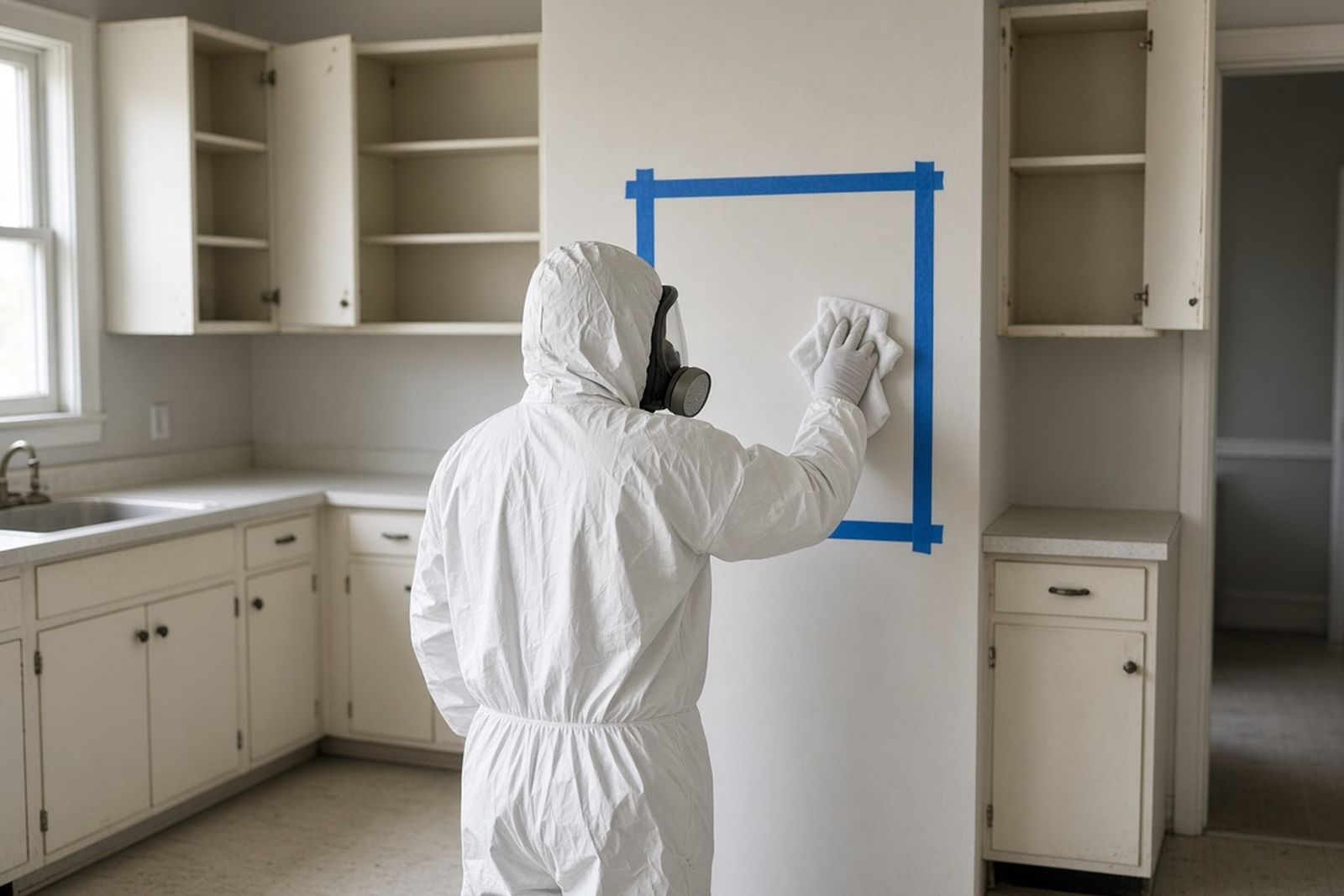 How to Evaluate Equipment Proposed for Meth Lab CleanupWhen a contractor lists equipment for meth lab cleanup, check that it supports the three things that matter. One is measuring residue with proper wipe sampling and chain of custody. One is removing it with fine-filter (HEPA) vacuums, detergent washing and a sealed work area. One is protecting workers with respirators and chemical-resistant suits. Sealing coats and odor tools should come after cleaning, never in place of it, and every item should fit your state's program.10 Meth Lab Cleanup Safety Risks to Assess Before Work BeginsBefore meth lab cleanup starts, check ten risks. They are leftover chemicals and equipment, fire and explosion damage, invisible drug residue and corrosive or reactive stains. They include contaminated plumbing and septic systems, spread through the heating and cooling system, and sharps and drug-use items. The last three are exposure to vulnerable people, structural and utility hazards, and legal limits on the property. Each one decides who enters first, what protection they need and what order the work follows.
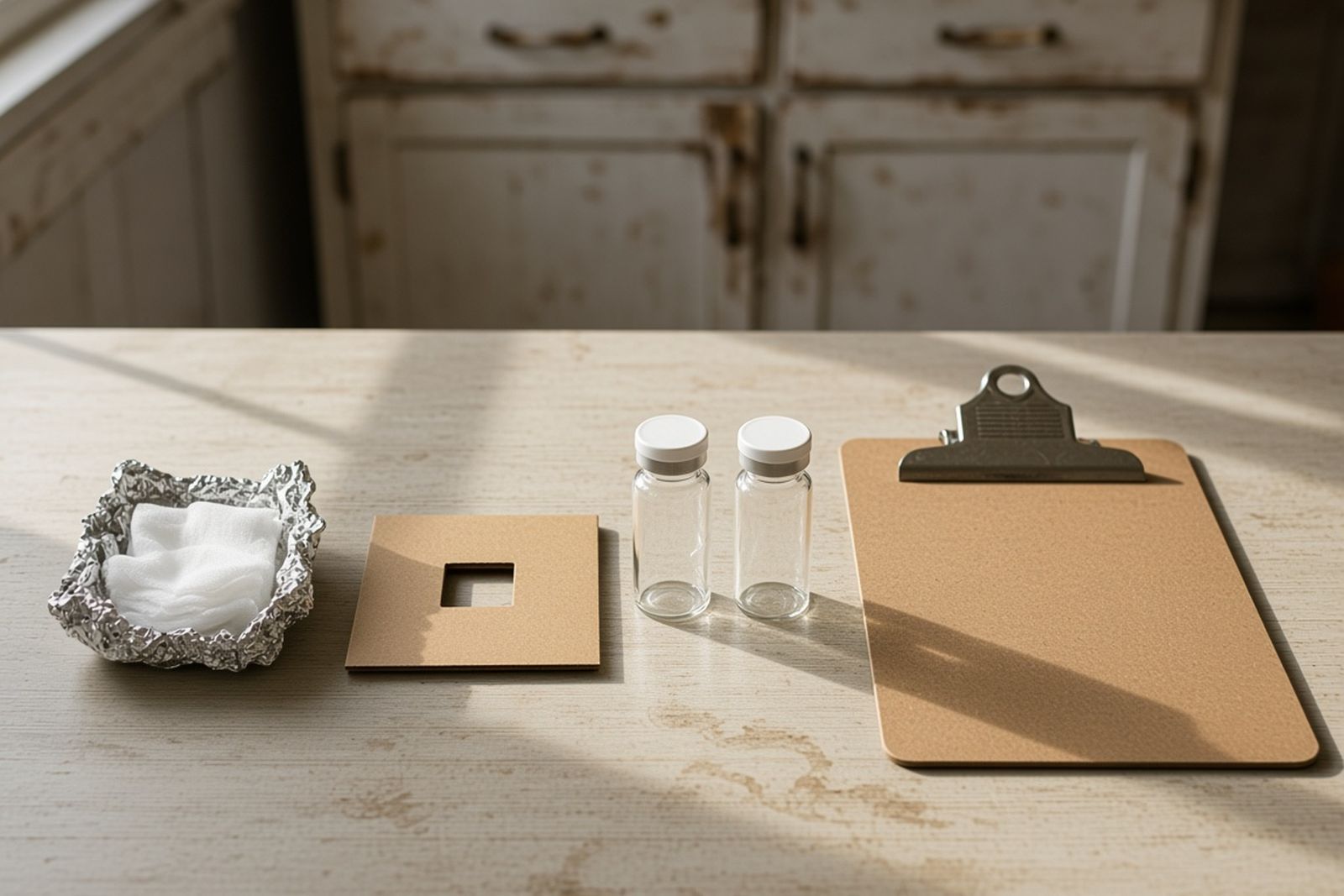 OSHA Regulations and Meth Lab CleanupOSHA protects the workers who clean up a former meth lab, not the property. Crews are commonly trained under the hazardous waste operations standard, known as HAZWOPER. They work under OSHA rules for respirators, personal protective equipment and hazard communication. State meth cleanup programs often set their own contractor and clearance requirements on top of OSHA, so check both layers.Red Flags When Hiring Meth Lab Cleanup ServicesWatch for a meth lab cleanup contractor who offers to skip the first or the clearance sampling, or who wants to paint or seal walls without cleaning them. Be wary of one who insists on grading its own work where independence is required, or cannot name your state's standard. Other warning signs are a promised pass before testing, no plan for ducts and plumbing, and no written answer on what happens if clearance fails.When ATP Testing Helps—and When It Does Not—in Meth Lab CleanupThe quick swab test many cleaners use cannot tell you whether a former meth lab is clean. It measures leftover organic residue, not methamphetamine or lab chemicals, and it does not detect germs. Clearance for meth depends on surface wipe samples analyzed by an accredited lab and compared with your state or local limit. The swab test may still help with separate biological problems at the same property, such as bodily fluids or animal waste.