Northeast · US

Meth Lab Cleanup in Westport, CT: River Rentals, Creative Homes, and DPH Protocol Targets

Planning meth lab cleanup in Westport, CT

Westport, CT meth residue plans use the CT DPH target of below 0.1 µg/100 cm² as a guideline, not a blanket law. Test before the summer rental season starts. This is planning guidance, not a claim of a local office or crew in Westport.

Get an email reply about meth lab cleanup

Send a short message to the follow-up inbox. A coordinator can reply by email. This form does not send emergency help; call 911 first if anyone is in danger.

Tell us what you need help with. Share a short description; please leave out medical details, access codes, and other sensitive information.

A request does not confirm a booking. For immediate danger, contact local emergency services.

Or email info@prompartybuses.com

Direct answer

The short answer for Westport, CT

In Westport, plan meth residue cleanup around the Connecticut Department of Public Health (DPH) target. That target is below, or less than, 0.1 µg/100 cm² of meth. Treat it as a state guideline, not a town law. Saugatuck River apartments, summer leases near Compo, and homes of artists still need wipe tests. They also need choices about wall heat-and-cool units (PTACs). Keep a file on whether meth was made or only used before the next summer booking.

Editorial guide · Biohazard Remediation NetworkUpdated 2026-07-22Location focus: Westport, CT

Local planning context

Along the Saugatuck River and near Compo Beach, you find walk-up rentals, artist live/work spaces, and inland colonials. Many are home to creative workers and commuters. Residue often turns up in January, when summer cottages turn over. It may also show up after a tenant leaves smoking debris in a riverfront studio. Or a buyer may ask for wipe tests before a June closing. The Connecticut DPH Guidelines for the Cleanup of Connecticut Methamphetamine Labs list the cleanup target used in the state. That target is below, or less than, 0.1 µg/100 cm² of meth. The guidelines also say no state law requires lab cleanup in ordinary homes. Licensed facilities are different. So is a case where the commissioner finds a public health threat. Cite the state target. Do not make up a microgram rule from a beach committee.

Connecticut DEEP hazardous waste rules may apply when chemically tainted materials leave a riverside rental. Signs of cooking in a garage studio widen the waste review. Those signs include solvents and stained utility sinks. Smoking alone can still coat beach linens, loft furniture, and PTAC coils after months of winter closure. Sand tracked inside can mix with torn-out dust if bags are not sealed. River humidity and salt air slow drying after wet washing. That affects when you can test before the busy booking season.

Art events and summer leases push owners to reopen fast. But a fading smell after a closed-up winter is not a lab result that meets the CT DPH target. Keep test maps and chain-of-custody forms in the rental binder. Chain-of-custody means a signed trail naming every person who held a Westport sample. Also be clear in the binder about what is a guideline and what is an order. Under state guidelines, ozone machines and fresh paint do not meet the below, or less than, 0.1 µg/100 cm² target.
Property considerations

Map wipe spots in lofts, bunk rooms, baths, attic storage, and PTAC or central air returns, as seen in seasonal and live/work homes.

For Westport rentals that follow state protocols, use the CT DPH meth target of below 0.1 µg/100 cm² as the pass level.

Protect shared Saugatuck stair landings with sealed carts while mattresses and carpet go out.

Plan to throw out linens, rugs, and soft furniture that soaks up residue when early tests show buildup.

Keep cooking evidence apart from smoking foils before the waste review under CT DEEP rules.

Confirm whether only the home guideline applies or a public health order exists before you write any enforcement claims into the binder.

Response-planning framework

A January check timed to the summer lease calendar

Photograph the rental before anything moves out. Note whether local health staff have required any cleanup. Draft a wipe plan that uses the published meth target of below, or less than, 0.1 µg/100 cm² as the pass level. Use an accredited lab and chain-of-custody forms. If a lease or insurer sets a stricter limit in writing, attach it on its own. Do not make up a Compo-area number law. Schedule final testing before the peak booking season.

Sealing off a river walk-up and bagging soft goods

Seal the unit, bag soft goods, and protect the shared stairs. Take out soft materials that will not reach the guideline target. Then wash hard surfaces with detergent. Use HEPA vacuums, which trap very fine dust. Do not dry sweep, since that kicks dust into neighboring lofts. Base keep-or-toss choices on test data, not only on the June lease start.

PTAC units, humidity, and drying in salt air

Deal with filters and coils. Check whether fans could spread dust while materials are torn out. Keep the systems off while soft materials leave. Coastal humidity and salt air can slow drying after wet washing, so leave extra time before final tests. Clean tools before they leave the sealed work area.

Closing out the rental binder against the DPH target

State in the binder that the CT DPH guidelines supply the cleanup target. Also note that home cleanup mandates are limited, as those guidelines explain. Keep every record with the seasonal property binder.

Documentation checklist

  1. 1Note for the Westport rental citing the CT DPH target of below 0.1 µg/100 cm²
  2. 2Any local health order, if one was issued
  3. 3Floor plan wipe map, including attic storage and PTAC returns
  4. 4Accredited lab reports and chain-of-custody forms
  5. 5List of soft items removed, with disposal records
  6. 6Photos of stair landing protection during walk-up load-outs
  7. 7Waste paperwork for the rental when cooking chemicals were found
  8. 8Seasonal lease disclosure packet that keeps the final results

Official resources

Questions for this location

What meth cleanup target should Westport rental owners cite from CT DPH?

Cite below, or less than, 0.1 µg/100 cm² for meth. That comes from the Connecticut DPH Guidelines for the Cleanup of Connecticut Methamphetamine Labs. Also note what the guidelines say: no state law requires lab cleanup in ordinary homes. Licensed facilities are different. So is a public health threat named by the commissioner. That is an accurate way to describe a guideline. Do not make up a microgram rule from a beach committee. Use accredited wipe tests with mapped spots.

How do summer booking calendars clash with residue testing?

Peak leases from June to August leave little time to redo work after a failed wipe. Check the home in January or February when you can. Then a second removal round will not cancel bookings. River humidity can slow drying after detergent washing, so plan final tests with that in mind. A smell that fades after winter closure does not mean the home meets the CT DPH target. At turnover, write down signs of cooking versus use only.

Do Saugatuck walk-ups need stair landing protection?

Yes. Shared landings spread residue into nearby lofts when rugs and mattresses move uncovered. Sealed carts and timed moves belong in the chemical plan. Testing should still cover baths and PTAC returns, not just the room where drugs were used. Building managers need a staging plan that protects clean floors. Cooking solvents may call for a stricter waste review than use-only debris. A loft that looks fresh can still fail a wipe test if tracking on the landing was ignored.

Can creative live/work studios skip wipes after only foil is found?

No. Even a foil-only history in a Westport rental can leave enough residue in cushions and return grilles to miss the DPH 0.1 figure. Cooking widens the waste chemistry. But if you skip wipes after use-only finds, you have no data to back you up. Write a test plan either way. Step up the plan if signs of cooking show up among art supplies or garage solvents. Never treat a foil pickup as meeting the guideline target.

What belongs in a seasonal lease disclosure after cleanup?

Give lab reports, sample maps, and a written account of what was found and removed. Cleanup here is guided, not required everywhere. Even so, known contamination and finished cleanup steps matter in many lease settings. Talk with a lawyer. Do not advertise a home as fully cleaned without mapped wipe results. Compare them to the CT DPH target or a stricter limit written in a contract. If work is not done, say so plainly. Keep chain-of-custody forms so insurers can trace the results.

How do Westport's riverfront and Compo Beach homes handle moisture during cleanup?

Homes along the Saugatuck River and near Compo Beach face humid summers and some flooding. Damp basements and crawlspaces slow drying after washing. They also make smell harder to judge. Use dehumidifiers that vent outside the sealed work area. Let surfaces dry fully before the final wipes. If flood repairs were recent, tell the assessor, so old and new materials are tested the right way. Do not stage debris outside when coastal storms are coming.

Should Westport artists worry about studio supplies mixing with residue?

Studios often hold paints, solvents, and other chemicals. These can confuse a check when residue is suspected. Label art supplies and set them aside before testing. Then the assessor can tell normal studio items from signs of cooking. Canvas, fabric, and paper stored in the space may soak up residue. They might need testing or disposal. Tell the assessor what is normally kept there. That way the plan fits real conditions, not guesses.

Contact

Get help by email

Send a short message for an email reply about meth lab cleanup planning questions for the New York City area.

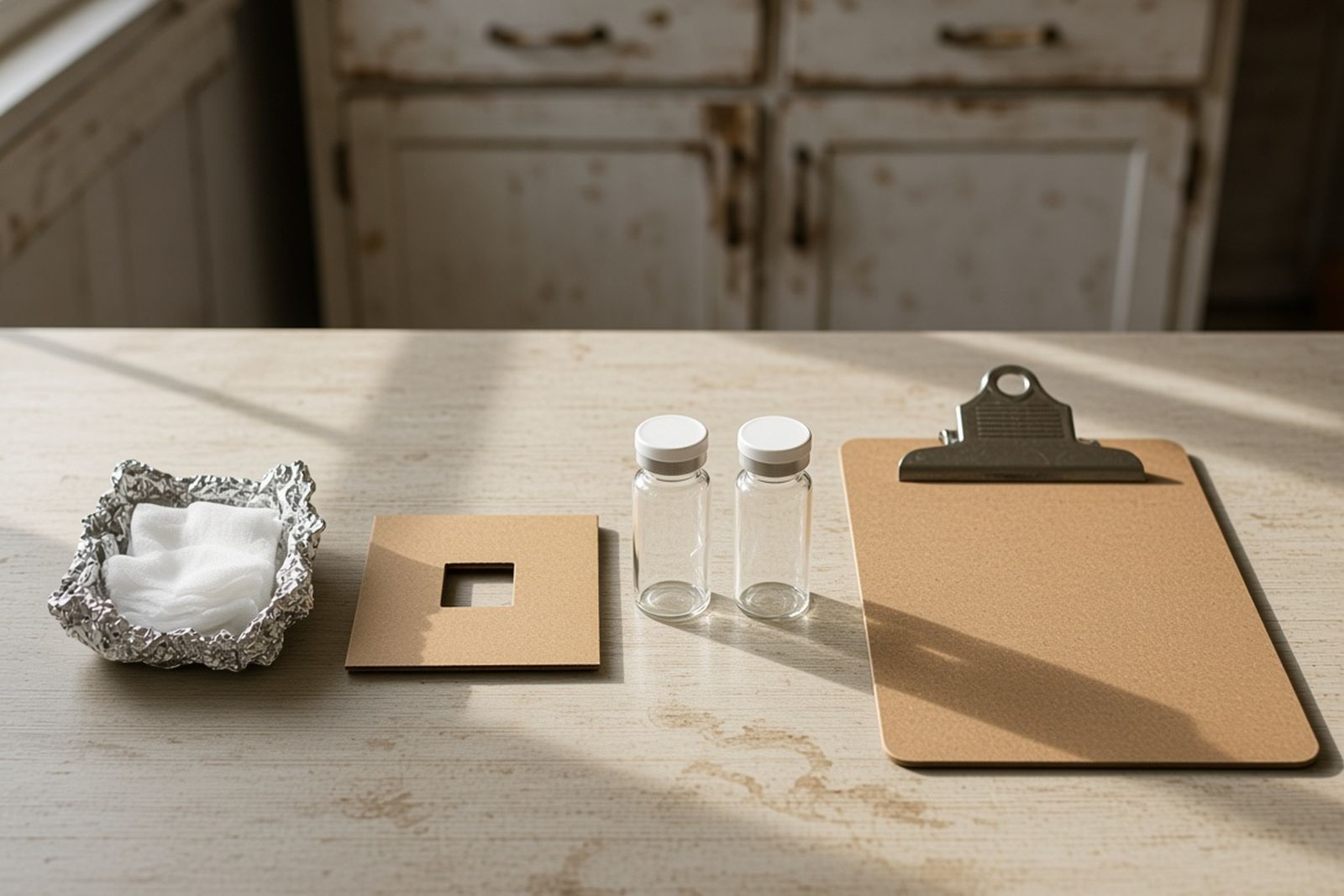
Wipe-sampling supplies on a counter: gauze in foil, a sampling template, vials and a clipboard
Illustrative photo, not a job record. Wipe-sampling supplies on a counter: gauze in foil, a sampling template, vials and a clipboard.
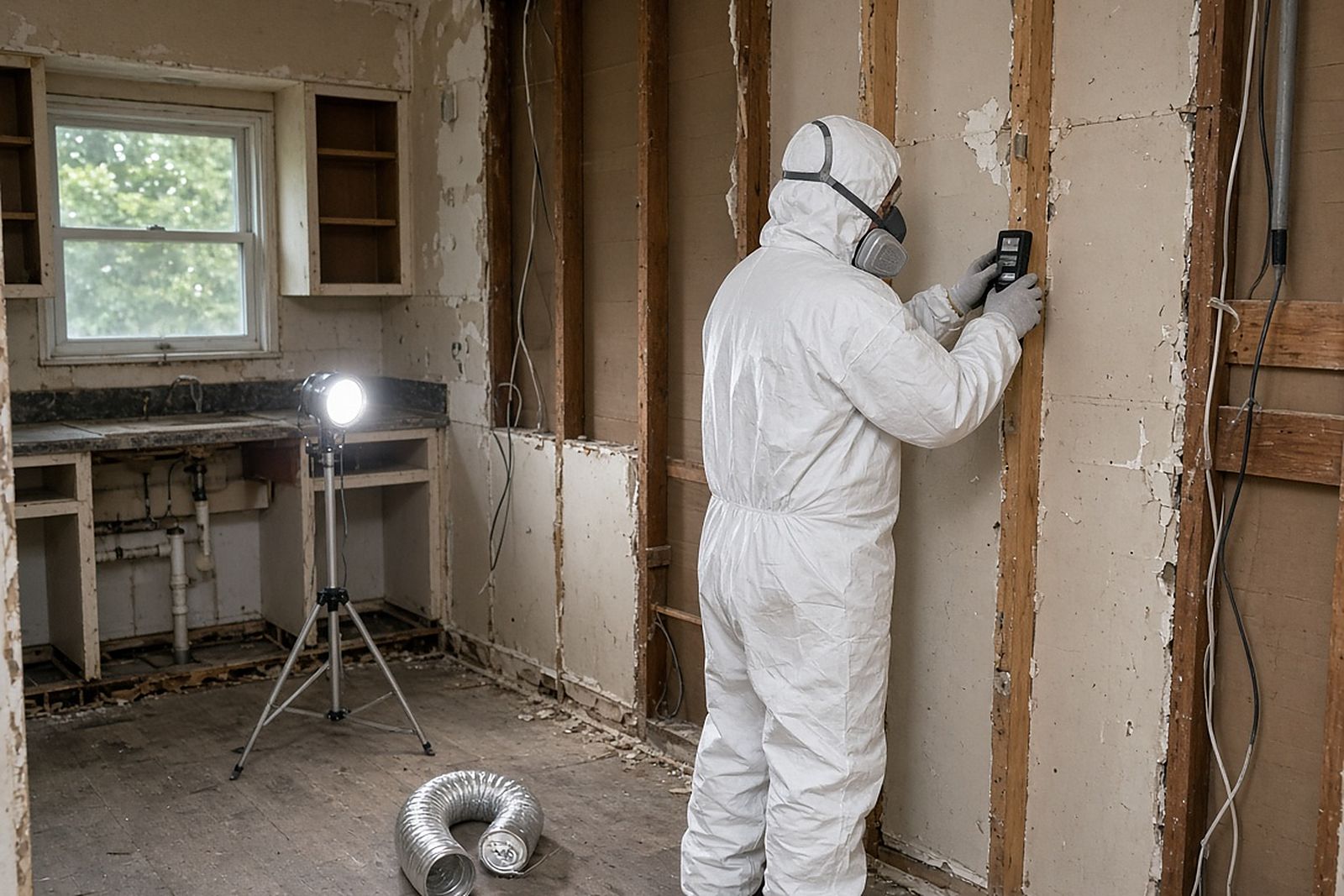
Technician in a respirator checking exposed studs in a gutted kitchen with a work light and duct
Illustrative photo, not a job record. Technician in a respirator checking exposed studs in a gutted kitchen with a work light and duct.

Meth Lab Cleanup figures to keep in mind

National and research figures, not Westport data. Local conditions, rules and providers vary; use these for scale and context only.

NZ$10,300 to NZ$3,500

After New Zealand raised its residential meth contamination threshold in 2018, average tenancy-tribunal remediation awards fell from NZ$10,300 to NZ$3,500.

Read with care: New Zealand costs and legal context differ from the US.

Source: Journal of the Royal Society of New Zealand (2023)195 tribunal orders after 2018 vs 685 before, New Zealand

0.54

Wall-wipe concentrations ranged from 0.54 to 110 micrograms per 100 square centimetres.

Read with care: One property; no general prevalence or current clearance threshold inferred.

Source: Wright et al. (2019)One Australian home with suspected former manufacture, sampled more than five years later.

23,700 (2004) vs 60 (2023)

DEA's El Paso Intelligence Center documented 23,700 clandestine meth lab seizures in 2004, compared with only 60 reported lab seizures in 2023.

Read with care: Seizure counts reflect enforcement reporting and exclude thousands of older contaminated properties never remediated.

Source: National Association of Realtors (citing DEA National Drug Threat Assessment 2025) (2025)United States, DEA-reported lab seizures

These figures are public research and agency data, not this network's own job records. Keep each number with its population, year and limits; none of them predicts cost, timing or outcome at a specific property.

Plan before you reach out

Use the first 24 hours planner for immediate steps and the provider vetting checklist to confirm any Westport provider's training, insurance and waste path in writing.

What research has found

Findings from published studies of people and properties in situations like this one. They describe what researchers observed in a specific group; they are not predictions for your case.

Reported symptoms occurred across a broad range of measured surface residues.
Who was studied: 63 people in 25 selected residential exposure case studies.Limits: Selected cases; self-reported symptoms; cannot establish causation, prevalence or a safe threshold.Environmental Methamphetamine Exposures and Health Effects in 25 Case Studies (2020)
Inhalation could contribute exposure beyond skin contact and incidental ingestion.
Who was studied: Air sampling and contaminated-material experiments involving two properties.Limits: Limited properties and experimental conditions; modelled exposure is not observed illness.Current practices underestimate environmental exposures to methamphetamine: inhalation e… (2021)

Meth Lab Cleanup community polls

Poll results

Every count is a real visitor vote; nothing is seeded or padded. One vote per poll per device, and you can change your answer.

Your experience

If a house you wanted had a documented lab cleanup that passed clearance, what would you most likely do?

No visitor votes yet
Industry

Which factor would you weigh most when choosing a meth cleanup contractor?

No visitor votes yet

Planning cleanup in Westport?

Send a short message about the property to the follow-up inbox. A coordinator can reply by email with next steps.

Your request is sent to the follow-up inbox. A coordinator can reply by email.

If anyone is hurt or in danger, call 911 first.