What meth cleanup target does Connecticut publish for Stamford properties?
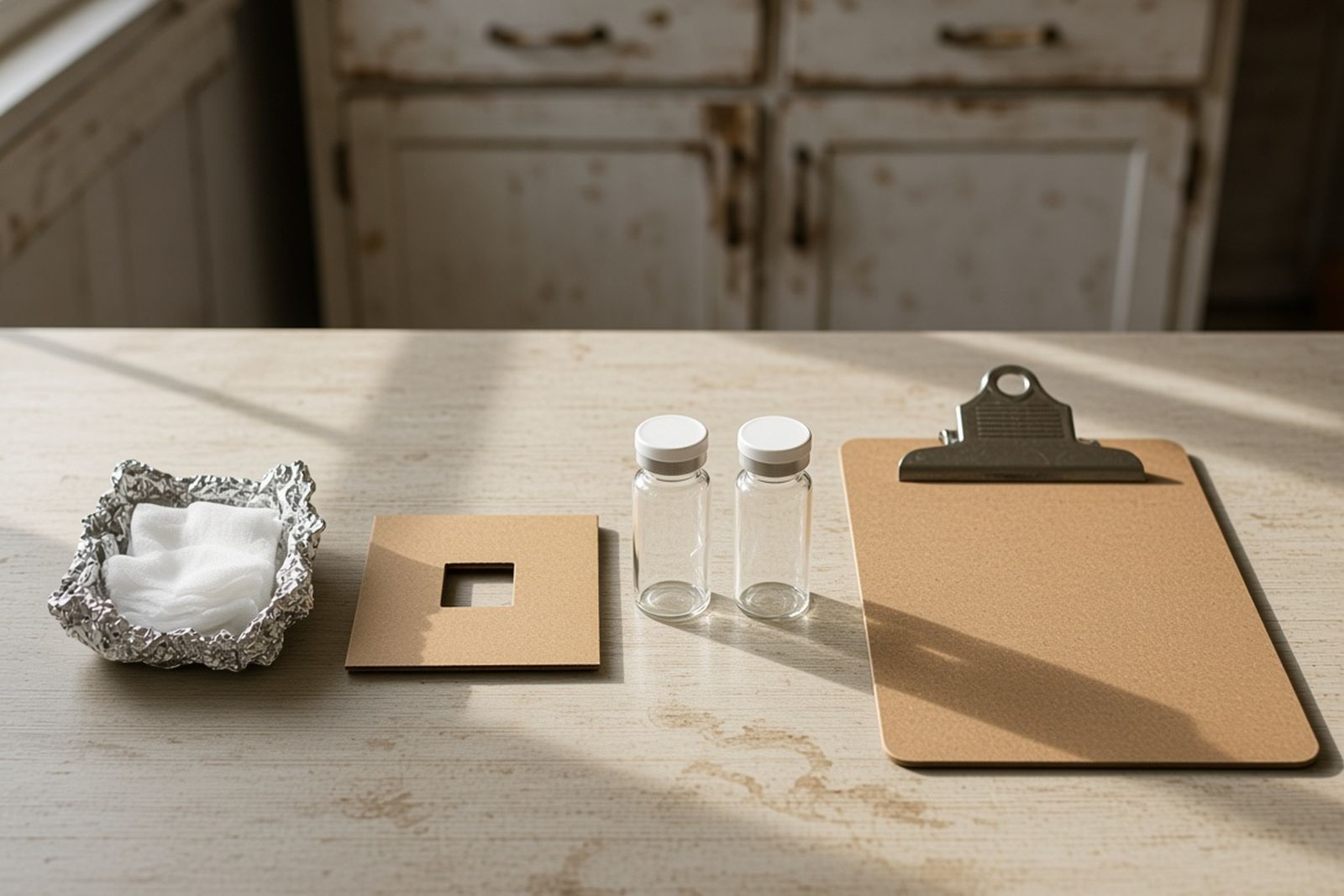
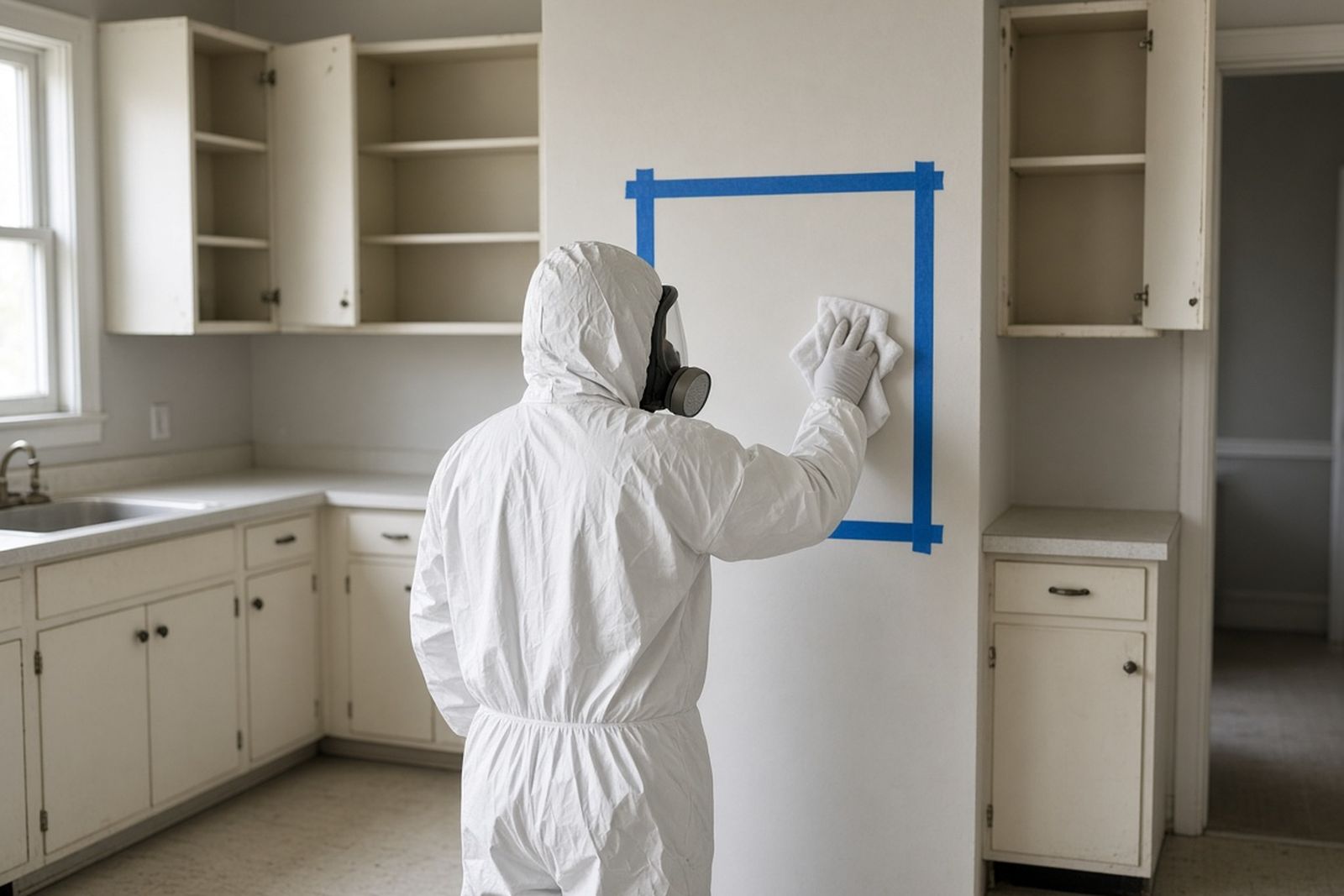
The Connecticut Department of Public Health has Guidelines for the Cleanup of Connecticut Methamphetamine Labs. They say the cleanup target used in Connecticut is below, or less than, 0.1 µg/100 cm² for meth. The guidelines describe this as a detection-limit approach, because health risks are hard to estimate. Do not mix up this guideline target with a claim that every home falls under a required order. If police were involved, check with local health officials about who has authority over your site. Keep lab reports tied to a floor plan so the results can be checked.
How should Stamford landlords treat use-only meth contamination versus a full lab?
Cooking sites often leave solvents, acids, bases, and equipment. These widen the hazardous waste work, and you may need to test for related chemicals listed in the CT DPH tables. Both kinds of sites need a written test plan. Neither is fixed by a coat of paint. Write down the signs you found, then decide how much soft material to remove. If proof of cooking turns up after work starts, stop and revise the plan. Children should not live in the unit during cleanup. They should wait until after-cleanup tests meet the guideline target. A clear record lets insurers and buyers follow why each item left.
Why include HVAC and porous materials in Stamford sampling plans?
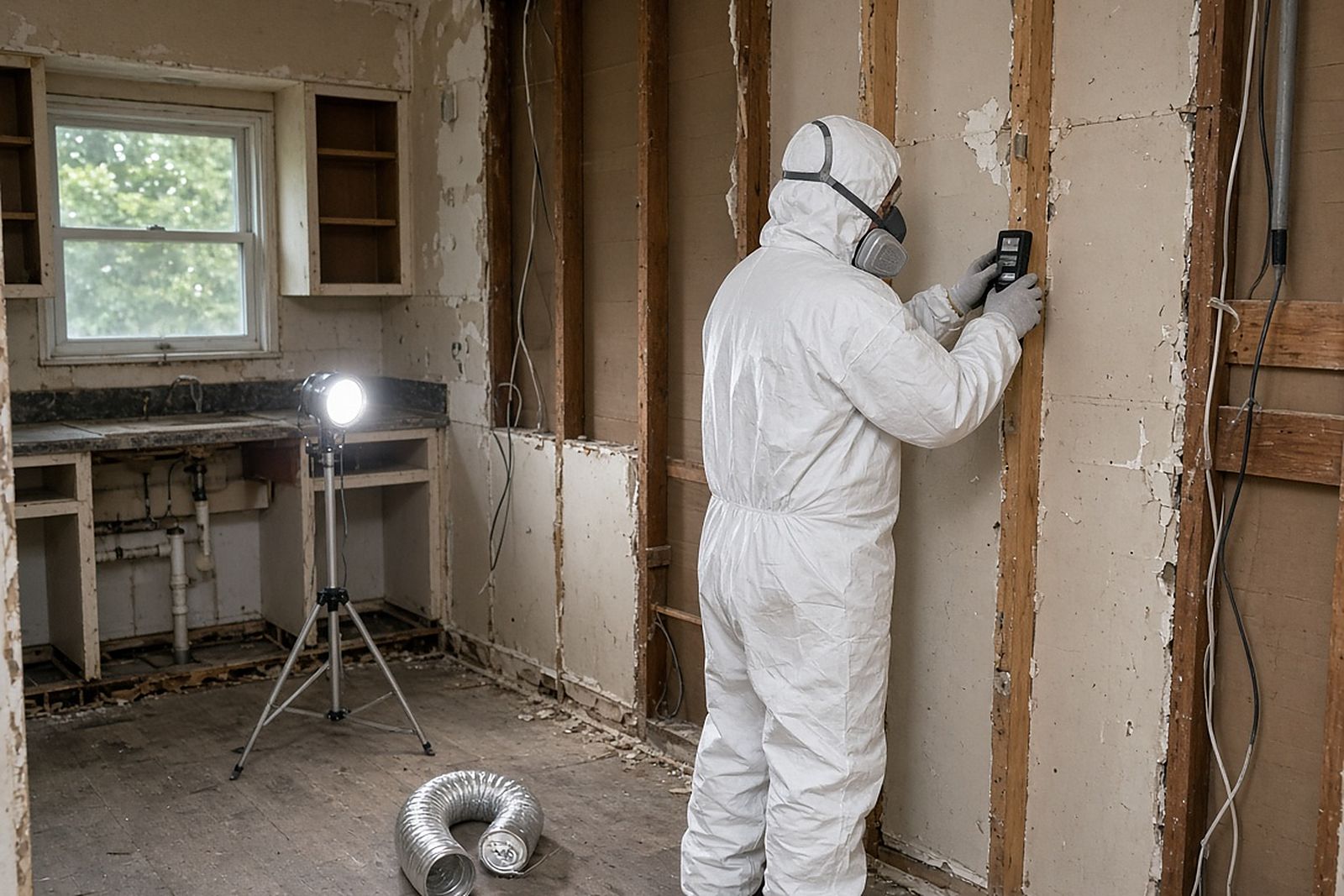
Meth residue acts like fine dust. It settles into carpet, pad, cloth furniture, and dusty returns. In Stamford apartments and condos, fans often move air around the unit or between connected spaces. Soft materials left in place can dirty washed hard surfaces again. That can make you fail the CT DPH target. So test plans should include spots near the HVAC and floors where children play. A cost estimate that leaves out filter changes and possible soft-material removal is not complete. Residue also spreads when debris is carried through halls without sealing. Plan for HEPA vacuums and sealed transport. Clearance is a lab result. It is not how the place smells after a closed-up winter or a humid summer.
What should be disclosed in a Stamford sale after meth remediation?
Share any known contamination or police history, the cleanup summary, and waste records. Include accredited wipe results compared to the CT DPH target of below, or less than, 0.1 µg/100 cm², or any stricter contract limit you used. Explain that this is a guideline, not a blanket mandate, so buyers are not misled about the legal status. Do not claim “state certified” unless an agency really issued a certificate for the property. Keep chain-of-custody forms with the reports. Ask a Connecticut real estate lawyer about disclosure timing under your contract. This page is for learning only. A story about odor alone slows closings when metro-area lenders ask for lab PDFs. Being accurate protects both sides. Attach a floor plan sample map so reviewers can confirm that kitchens, bedrooms, and surfaces near the HVAC were tested.
Who should perform sampling and cleanup on a Stamford meth residue project?
CT DPH guidelines strongly urge using contractors trained and equipped for hazardous chemical cleanup. They note that some sites may be treated as uncontrolled hazardous waste sites. Those need crews with HAZWOPER training, which is hazardous waste response training. The guidelines also discuss oversight by a qualified person, such as a Certified Industrial Hygienist, for cleanup and testing. Owners should ask for written qualifications. Ask who will take the final wipes, and if that person is independent. Ask for the lab’s accreditation. Ask how results will be compared to the below, or less than, 0.1 µg/100 cm² target. This page does not endorse or make up lists of licensed providers. Do not dry sweep or use a household vacuum yourself, since that stirs residue back up. If bulk lab chemicals remain, call the police and trained hazmat responders instead of moving containers yourself.
How does Stamford's mix of downtown towers and older multifamily houses change planning?
Stamford has newer downtown towers near the train station. It also has older two- and three-family houses in areas like the West Side and Glenbrook. In towers, the focus is on elevator bookings, sealed containers, and shared air systems. In older multi-family homes, it is on shared basements, stairs, and aging forced-air systems. Tell the assessor which type you have, so the sample map covers the right paths. The CT DPH guideline target is the same either way. But the logistics and costs can differ a lot.
Should Stamford landlords test adjoining units after residue is found?
If the affected apartment shares a furnace, return ducts, basement laundry, or an open stairwell with other units, testing the neighbors makes sense. Start with a few early samples in the most-used rooms of the closest apartment. Results showing nothing can support a smaller job. Positive results mean the plan should grow. Tell affected tenants in plain terms what is being tested and why. Keeping those results in the building file helps if questions come up at the next turnover or sale.