West · US

Meth Lab Cleanup in San Jose, CA: Bay Area Residues, Sampling Plans, and State Clearance

Planning meth lab cleanup in San Jose, CA

San Jose meth lab cleanup follows California's state standard. Test hallways, baths, and HVAC returns in apartments and townhomes, not just one room. This is planning guidance, not a claim of a local office or crew in San Jose.

Get an email reply about meth lab cleanup

Send a short message to the follow-up inbox. A coordinator can reply by email. This form does not send emergency help; call 911 first if anyone is in danger.

Tell us what you need help with. Share a short description; please leave out medical details, access codes, and other sensitive information.

A request does not confirm a booking. For immediate danger, contact local emergency services.

Or email info@prompartybuses.com

Direct answer

The short answer for San Jose, CA

Meth residue jobs in San Jose fall under a California law. It sets when a home is safe to live in again. These jobs also face Bay Area facts of life: shared heating and cooling (HVAC) systems, stacked townhomes, and high-stakes rental turnovers. In Santa Clara County housing, a cosmetic reset is not enough. What counts is wipe testing and removal of soft items that soak up residue. Written clearance under Health and Safety Code section 25400.16 counts too.

Editorial guide · Biohazard Remediation NetworkUpdated 2026-07-22Location focus: San Jose, CA

Local planning context

San Jose is a large South Bay city in the San Francisco Bay Area. It has dense apartments, townhomes, older bungalows, and rentals filled by local employers' workers. Meth residue cases here often show up in high-turnover units or rooms next to storage. Others appear when signs of cooking are found after a unit sits empty. For fentanyl lab contamination, the same section sets a different bar. Indoor-surface fentanyl must be below the detection level until a state or federal agency adopts a health-based cleanup target for fentanyl. So the 1.5 µg/100 cm² meth limit is not one clearance number for every lab chemical. Bay Area deal pressure does not change the state limits. Lenders and buyers still need wipe data from an accredited lab, not staged photos of new paint.

Many owners call Santa Clara County Environmental Health, the local public-health contact, with questions. They ask how posting, site checks, and cleanup orders work after police notify the health officer. DTSC hauls away bulk hazardous chemicals when police ask. The residue left on building materials is still the owner's job to clean and test. A cooking lab adds waste from raw ingredients and solvents. It may also add lead or mercury testing. Heavy use alone can still soak carpets, soft goods, and duct dust in tightly sealed Bay Area units. The risk of spread goes up in stacked townhomes and corridor apartments. This happens when crews carry debris through shared halls without closing off the work zone.

Because of San Jose's housing mix, HVAC systems and soft materials need early attention. Many complexes use central or multi-zone systems. These can move fine dust between rooms if fans run during tear-out. Strong rental demand pushes owners to rush turnovers, and that is exactly when shortcuts fail clearance. Do not claim California clearance without lab results checked against the state limits.
Property considerations

In San Jose apartments and townhomes, test past the room where meth was cooked or used. Hallways, baths, children's bedrooms, and HVAC returns often hold residue too.

In Bay Area units, carpet, pad, and particleboard built-ins may need to go when wipe results or visible stains show heavy buildup.

Before running fans during cleanup, find out if the HVAC system serves only this unit or shares returns with other spaces.

Keep signs of cooking (solvents, reaction jars, chemical burns) apart from use-only gear. That way the waste review matches the real hazard.

Control the halls and elevators so residue does not spread to neighbors while belongings are moved out.

Response-planning framework

Test first, even with Bay Area turnover pressure

Hold off on same-week cosmetic resets until a testing plan exists. Mark rooms, types of belongings, and HVAC paths on a floor plan. Take wipes before cleanup where needed to size the soft-material removal. Then pick the spots for after-cleanup clearance samples. For meth lab activity, use California's state limit of 1.5 µg/100 cm² or less on indoor surfaces. If a fentanyl lab is suspected, the San Jose plan changes. HSC 25400.16 then calls for fentanyl results below detection. This lasts until a health-based one is adopted. Add lead and mercury testing when the cooking chemistry points to those metals. For San Jose properties headed to refinance or a new lease, chain-of-custody and an accredited lab are a must. Chain-of-custody is the signed record of who handled each sample.

Closing off the work zone and choosing what to remove in shared buildings

Use heavy plastic sheeting walls and sealed debris bags. Where it fits the job, add air filters that keep dust inside the work area. This keeps residue out of shared corridors. Remove soft materials that hold residue and cannot pass clearance. List all belongings. Throw out badly soiled soft goods. Retest any hard items you save before they go back into a clean room. When California hazardous-waste rules apply, have lab chemical waste properly checked and sorted. Do not dump lab-related debris in regular construction bins.

HVAC isolation and controls against spread

Replace filters and check the ductwork you can reach. In San Jose townhome stacks, vertical shafts and shared attic spaces can move dust. Seal openings before heavy removal work. Keep clean and dirty zones apart, and clean tools before they cross over. Worker safety plans should cover chemical hazards and breathing protection. Do not borrow a bloodborne-germ plan from an unrelated trauma cleanup.

Clearance reports for landlords, HOAs, and buyers

After cleanup, take new wipe samples. Compare them to California's limits under HSC 25400.16. The meth limit is 1.5 µg/100 cm² or less. Fentanyl lab work has its own bar. Results must fall below what the lab can detect. That bar holds until a health-based one is adopted. Rooms that fail need more washing or removal and another round of lab tests. Hand over a packet that HOA boards, property managers, and buyers can read. It should hold a sample map, lab PDFs, waste records, and a short write-up. The write-up should say if the site was a cooking lab or use-only, and which chemicals were cleared. Do not let people move back in just because the smell is better. Keep the file with the San Jose property records for future disclosure.

Documentation checklist

  1. 1Unit floor plan with sample points from before and after cleanup
  2. 2Written work plan covering how the area is closed off, washed, and stripped of soft materials
  3. 3Hazardous-waste or special-waste shipping records for chemically soiled debris
  4. 4HVAC filter and duct-access records
  5. 5Disclosure packet for the landlord, HOA, or buyer that keeps the final clearance proof

Official resources

Questions for this location

Does San Jose use a different meth clearance number than the rest of California?

No. There is no separate city number that replaces the state law. On its own track, a home soiled by fentanyl lab activity is safe to live in under that chapter only if indoor-surface fentanyl is below the detection level. That holds until a state or federal agency adopts a health-based cleanup target for fentanyl. San Jose and Santa Clara County run local health-officer steps within that state framework. This page does not claim they create a second, competing number. Always check if your property is under an active order and which chemicals apply. Do not treat the 1.5 µg/100 cm² meth figure as covering every lab chemical. Ads that promise “Bay Area certified clean” without lab data do not take the place of the Health and Safety Code standard.

How should San Jose multi-unit owners handle shared HVAC and the spread of residue?

Think of the building as a network of paths, not a single closed room. Before tear-out, find out if the unit's returns, halls, trash rooms, or attic spaces link to other spaces. Close off the work zone. Keep fans off, or run filtered air units that pull dust back into the sealed San Jose unit. Bag debris before it enters shared halls or elevators. Test surfaces near the HVAC. Make filter changes and a duct review part of the written plan. Neighbors' units may need a check if cooking fumes or heavy smoking reached shared paths. Do not assume walls alone hold residue in. Keep a record of what you told nearby tenants about access and testing, without graphic detail.

What is the difference between a cooking lab and a use-only job in San Jose?

Both kinds of sites can fail the state limits if soft materials stay in place. The common San Jose mistake is treating a pickup of drug gear as chemical clearance. If signs of cooking show up partway through, stop and revise the plan. Do not keep going with a use-only cosmetic scope. Keep the difference in writing for insurers, buyers, and property managers who review the file.

What records do Bay Area buyers and landlords usually expect after meth cleanup?

Expect a floor-plan sample map and chain-of-custody forms. Include accredited lab reports with numbers compared to California's state limits. Add photos of the sealed work zone and the soft-material removal. Include waste shipping records, HVAC notes, and any closure letters from the health officer. San Jose's busy rental and sales market makes a thin file costly when a deal stalls over missing lab PDFs. Quick swab readings of organic residue, ozone receipts, and paint bills do not prove meth levels on surfaces. If clearance fails, keep the failed report and the retest after more work, so the timeline is clear. Property managers should store the packet with the unit file for future turnovers. Honest disclosure beats a late surprise when the next buyer or tenant asks if the address had lab contamination.

Should children return to a San Jose unit before wipe clearance?

No. Children put their hands on floors and dust and then in their mouths far more than adults. Settled meth dust is a way to be exposed, even when adults smell little. Move out during cleanup. Wait for accredited after-cleanup wipe results that meet the California limits that apply before coming back. Be quick to replace soft materials in children's rooms when early results are high or unclear. Medical questions belong with doctors. Still, property choices should lean toward proven lab clearance, not looks. Do not treat air fresheners or ozone as a green light to return. Landlords who re-rent to families without clearance papers take on disclosure and legal risk. A painted unit will not erase that risk.

Do San Jose's Eichler-style homes create special residue concerns?

Mid-century homes with post-and-beam ceilings, exposed wood, and radiant floor heat are common in parts of San Jose. They behave differently from drywall tract houses. Unsealed tongue-and-groove ceilings can hold residue. With no ducts to swap, testing should focus on ceilings, glass walls, and floors. Ask the assessor if the wood can be cleaned or must be replaced. Write down each choice so a future buyer understands what was done.

What usually causes delays between cleanup and clearance in San Jose?

The most common delays are failed wipe spots, waiting on lab results, and working around tenants or HOA rules in shared buildings. Santa Clara County jobs also slow down when the waste review is not settled before tear-out. Debris cannot leave until it is sorted and labeled. Build a schedule that allows for at least one retest round. Get the lab's turnaround time in writing before sampling. Ask the building early for elevator and loading-dock use, so the unit does not sit empty longer than needed.

Contact

Get help by email

Send a short message for an email reply about meth lab cleanup planning questions for the San Francisco Bay Area area.

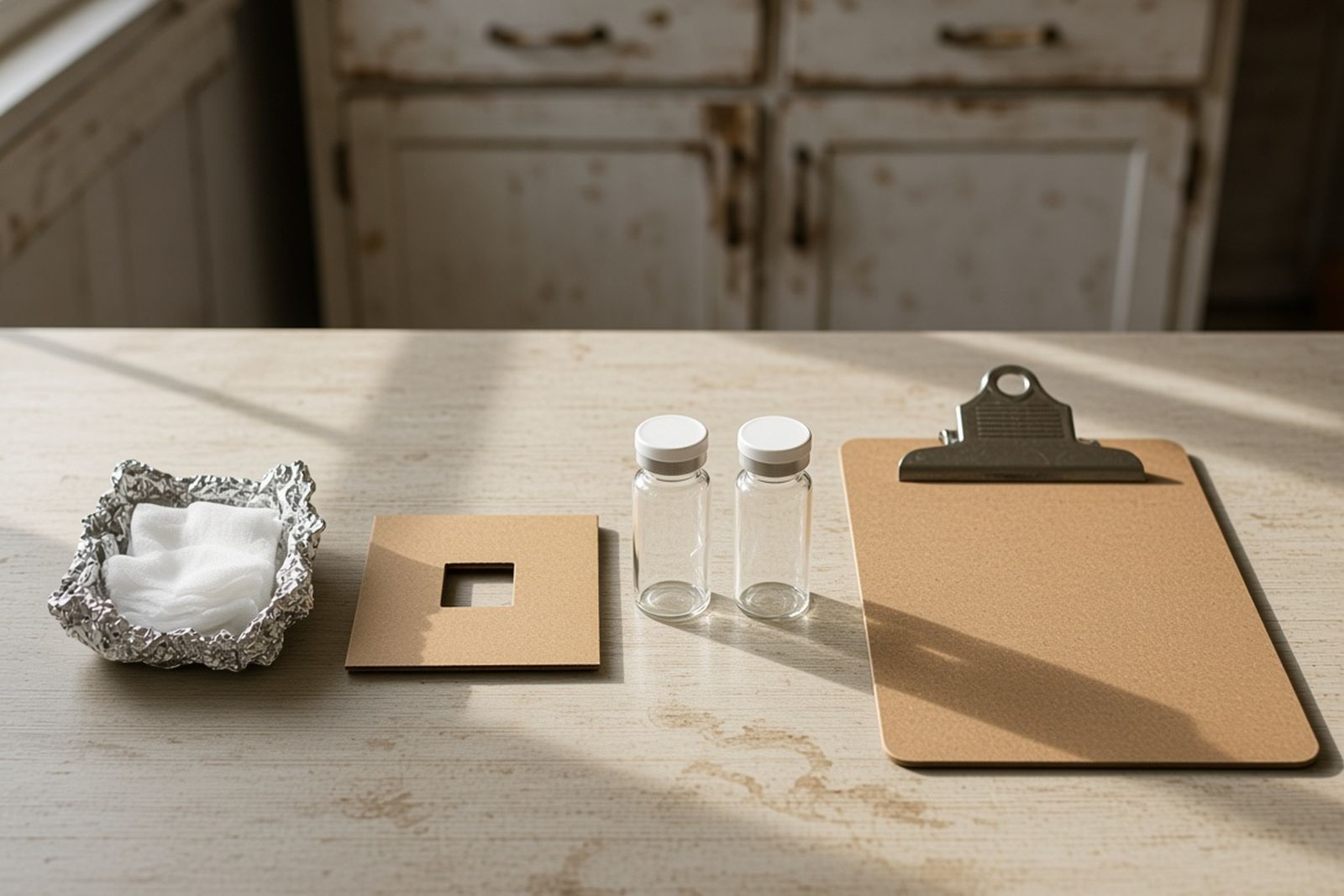
Wipe-sampling supplies on a counter: gauze in foil, a sampling template, vials and a clipboard
Illustrative photo, not a job record. Wipe-sampling supplies on a counter: gauze in foil, a sampling template, vials and a clipboard.
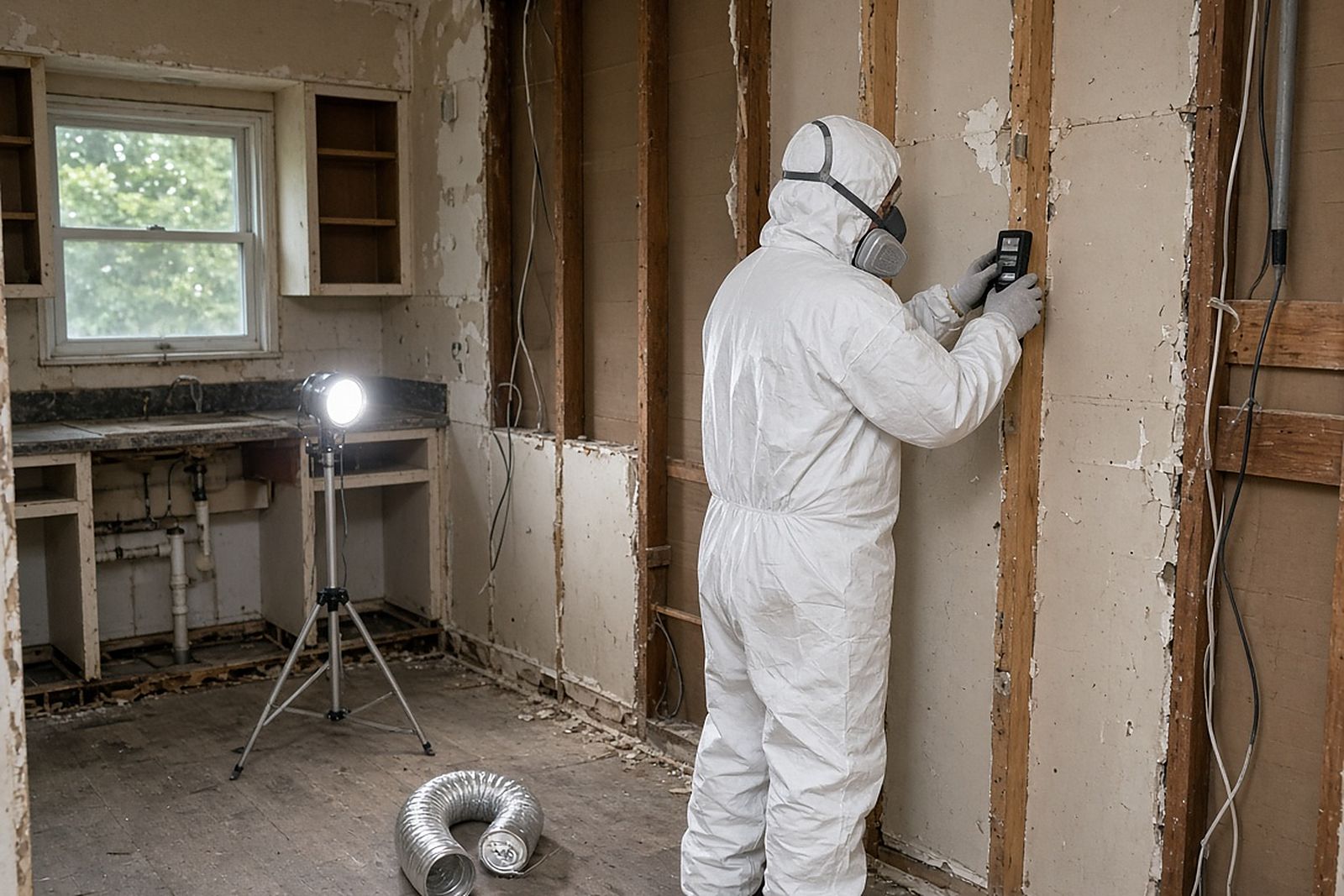
Technician in a respirator checking exposed studs in a gutted kitchen with a work light and duct
Illustrative photo, not a job record. Technician in a respirator checking exposed studs in a gutted kitchen with a work light and duct.

Meth Lab Cleanup figures to keep in mind

National and research figures, not San Jose data. Local conditions, rules and providers vary; use these for scale and context only.

0.54

Wall-wipe concentrations ranged from 0.54 to 110 micrograms per 100 square centimetres.

Read with care: One property; no general prevalence or current clearance threshold inferred.

Source: Wright et al. (2019)One Australian home with suspected former manufacture, sampled more than five years later.

NZ$10,300 to NZ$3,500

After New Zealand raised its residential meth contamination threshold in 2018, average tenancy-tribunal remediation awards fell from NZ$10,300 to NZ$3,500.

Read with care: New Zealand costs and legal context differ from the US.

Source: Journal of the Royal Society of New Zealand (2023)195 tribunal orders after 2018 vs 685 before, New Zealand

63 people, 25 case studies

A study of 63 people across 25 homes contaminated by prior meth manufacture or use found behavioral, sleep, respiratory, skin and eye effects and headaches, with no difference between manufacture and use cases.

Read with care: Case series without a control group; symptoms were self-reported.

Source: Toxics (Wright et al.) (2020)Australian case series of unknowing residents

These figures are public research and agency data, not this network's own job records. Keep each number with its population, year and limits; none of them predicts cost, timing or outcome at a specific property.

Plan before you reach out

Use the first 24 hours planner for immediate steps and the provider vetting checklist to confirm any San Jose provider's training, insurance and waste path in writing.

What research has found

Findings from published studies of people and properties in situations like this one. They describe what researchers observed in a specific group; they are not predictions for your case.

The study did not discern different symptom patterns between former-use and former-manufacture properties.
Who was studied: 63 people in 25 selected residential exposure case studies.Limits: Selected cases; self-reported symptoms; cannot establish causation, prevalence or a safe threshold.Environmental Methamphetamine Exposures and Health Effects in 25 Case Studies (2020)
Commercial sorption tubes and laboratory methods successfully measured airborne methamphetamine.
Who was studied: Air sampling and contaminated-material experiments involving two properties.Limits: Limited properties and experimental conditions; modelled exposure is not observed illness.Current practices underestimate environmental exposures to methamphetamine: inhalation e… (2021)

Meth Lab Cleanup community polls

Poll results

Every count is a real visitor vote; nothing is seeded or padded. One vote per poll per device, and you can change your answer.

Your experience

If a house you wanted had a documented lab cleanup that passed clearance, what would you most likely do?

No visitor votes yet
Industry

Which factor would you weigh most when choosing a meth cleanup contractor?

No visitor votes yet

Planning cleanup in San Jose?

Send a short message about the property to the follow-up inbox. A coordinator can reply by email with next steps.

Your request is sent to the follow-up inbox. A coordinator can reply by email.

If anyone is hurt or in danger, call 911 first.