Direct answer
The short answer for Sacramento, CA
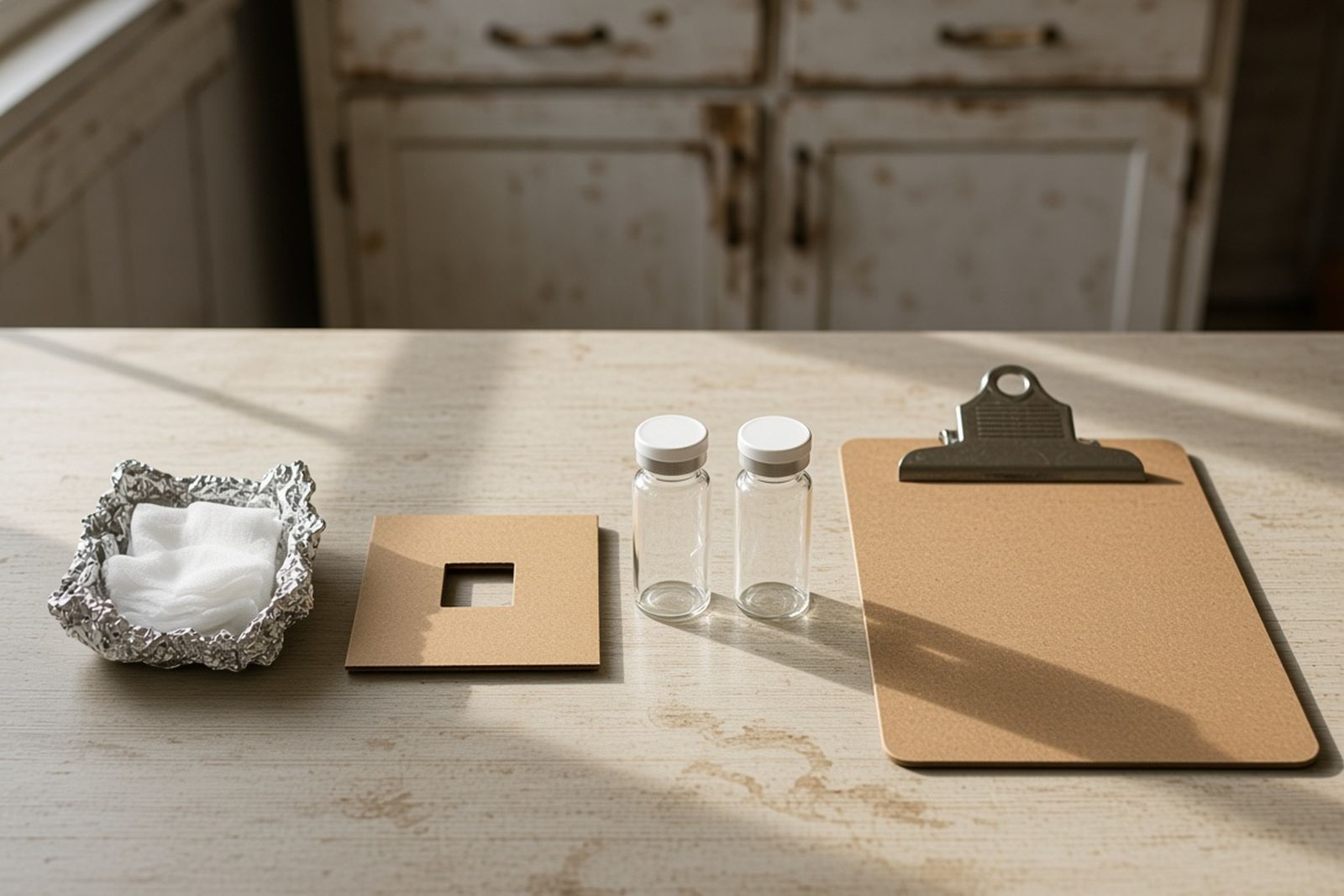
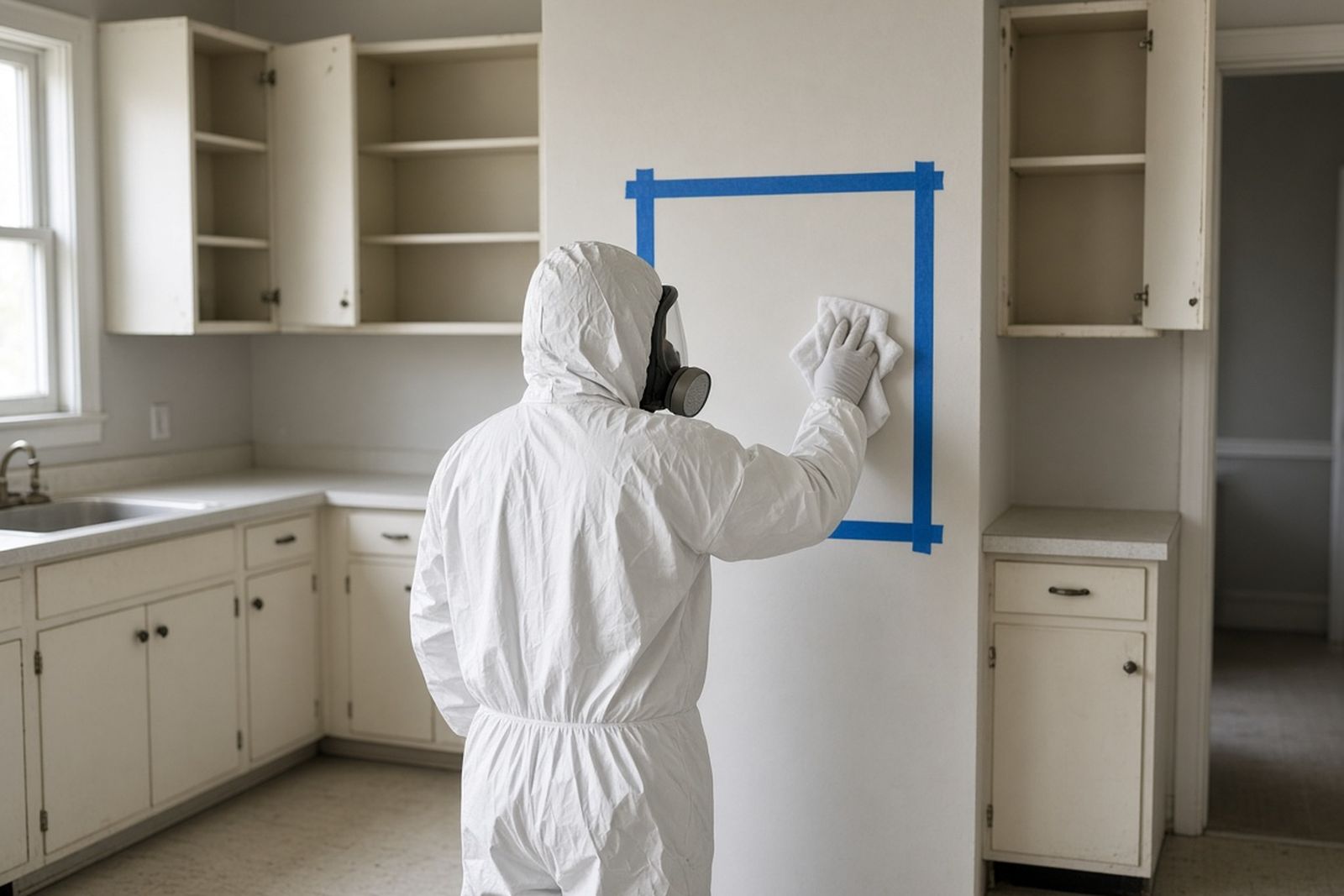
In Sacramento, meth residue is a chemical cleanup job under California Health and Safety Code Chapter 6.9.1. It is not a paint-and-carpet turnover. A few things decide if a Central Valley rental, single-family home, or multi-unit address can be re-rented or sold with a file that holds up. These are the testing plan, choices about soft materials that soak up residue, and the paths through the heating and cooling (HVAC) system. Written lab results checked against the state standard for moving back in matter most.
Editorial guide · Biohazard Remediation NetworkUpdated 2026-07-22Location focus: Sacramento, CA
Local planning context
Sacramento sits in California's Central Valley. It has many single-family homes, older apartments near the downtown grid, and suburban rentals tied to state jobs. Meth residue questions here tend to start in one of three ways. Police may have been involved. A vacant unit may show signs of cooking. Or a landlord may find heavy drug-use debris while turning over a unit. Do not assume the 1.5 µg/100 cm² meth limit covers every kind of lab chemical. For Sacramento addresses on the chapter's pathway, that state law guides the clearance talk. Smell does not, and neither does a store-bought disinfectant wipe.
DTSC's Illegal Drug Lab Removal Program deals with bulk hazardous chemicals that police find. After those are hauled off, owners still must clean up the leftover residue and prove clearance on paper. Know the difference between a cooking lab and a place where meth was only used. Signs of cooking include solvents, raw ingredients, stained plumbing, cookware, and very strong acids or bases. Use-only sites have smoke residue that can still build up in soft goods and ducts. Cooking signs widen the testing and the waste work. Use-only sites still need wipe test data before anyone calls the unit clear for the next household.
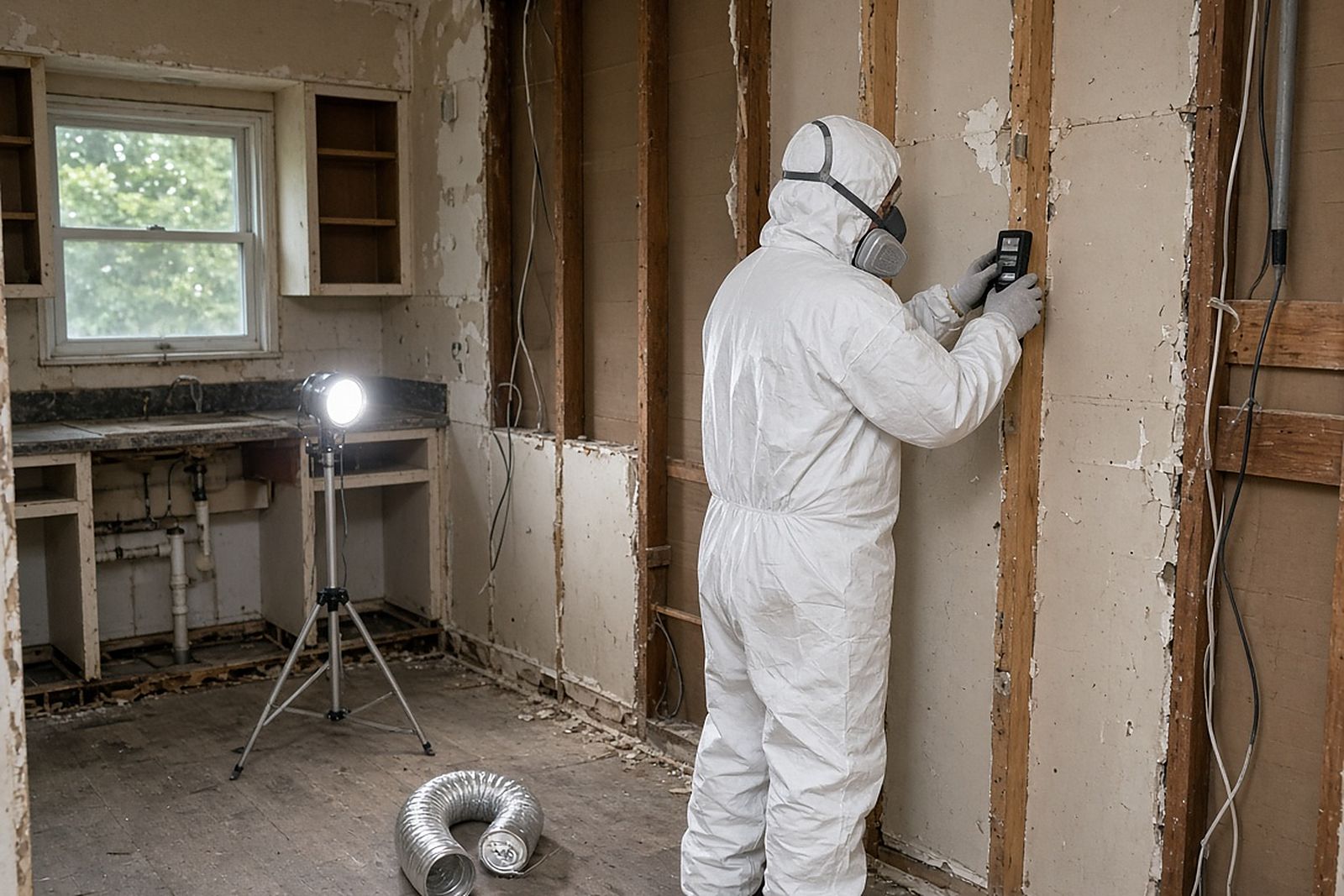
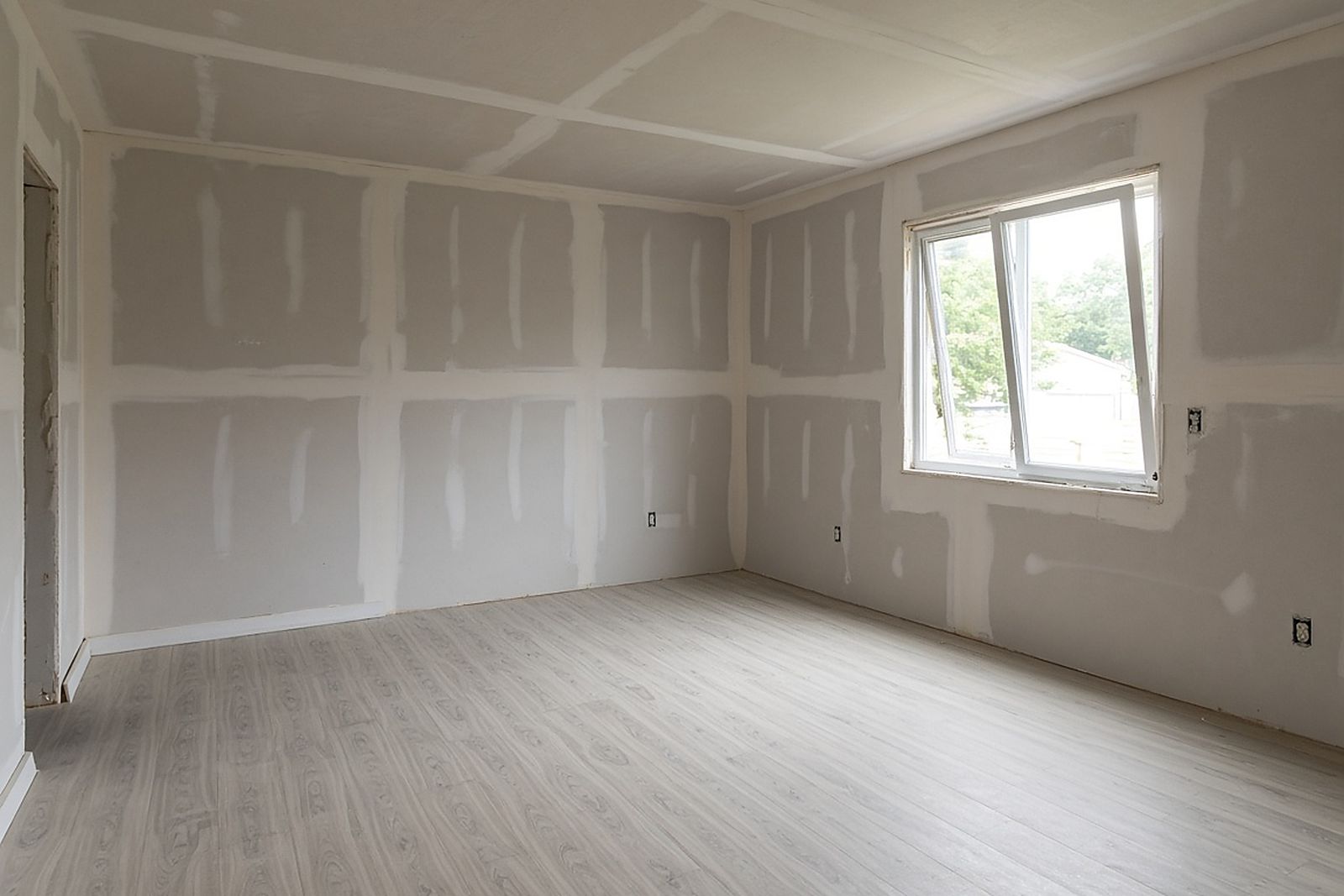
Home sales in the Sacramento area often stall when a buyer, lender, or insurer asks for wipe results and a written cleanup story. Central Valley summer heat in a shut-up vacant home can make odors stronger. Odor is not the same as clearance. Winter rain and older HVAC systems can push fine dust through shared returns in duplexes and garden apartments. Residue can truly spread if crews dry-sweep, use regular vacuums, or pile dirty items in hallways. Before any tear-out or washing, plan to close off the unit. Use air filters and plastic walls that keep dust inside the work area. Set up separate paths for clean and dirty items. Keep your disclosure and landlord files honest. A cosmetic refresh without lab clearance does not meet California's indoor-surface standard.