Malibu, CA

Meth Lab Cleanup in Malibu, CA: Canyon Drives, Rebuild Envelopes, and HSC Sampling

What to do, who to contact, and what to ask in Malibu.

Meth residue at a Malibu canyon or beach home? Learn what state law requires, how casitas and rebuild wings are tested, and what to keep for a sale.

Get an email reply about meth lab cleanup

Send a short message to the follow-up inbox. A coordinator can reply by email. This form does not send emergency help; call 911 first if anyone is in danger.

Tell us what you need help with. Share a short description; please leave out medical details, access codes, and other sensitive information.

A request does not confirm a booking. For immediate danger, contact local emergency services.

Or email info@methlabcleanup.online

The short answer for Malibu, CA

If a building on your Malibu lot was used to make or smoke meth, keep people out and get wipe tests before any rebuild or sale work goes on. Canyon and beach owners alike follow section 25400.16 of California's Health and Safety Code. A meth lab building needs wipes of 1.5 µg/100 cm² or less. Salt air does not clear a home.

What to do, step by step

  1. 1

    Walk the lot before the rebuild crew arrives

    Walk the drive, the casitas, and any temporary living wings with a camera. Mark each sign as cook or smoking only as you go. Then have a testing company put a wipe plan on paper for the whole lot. The pass-fail rules should be tied to HSC 25400.16 for whatever chemistry your canyon home shows. Ask your builder to pause finish carpentry until that plan is written. Work that goes up too early can cover surfaces that still need to be sampled, and they may have to be opened again.

  2. 2

    Have loads sealed before they go down the drive

    A good crew closes off the indoor work areas first. Soft goods are bagged before they travel down your private drive, and bags go into a sealed container, not onto the shoulder. If the canyon house shows cook signs, the solvent waste must be sorted and labeled under state hazardous waste rules. Ask where the dumpster will sit and how trucks will turn around, since narrow turnouts and small pads limit what fits. If your HOA has coastal staging rules, share them early, so pickups are booked at times that are allowed.

  3. 3

    Keep the air handlers off and the outdoor kitchen clear

    Ask that the air handlers stay off during tear-out. Filters that pulled in sea air mixed with indoor smoke should be swapped. Do not let the outdoor kitchen be used as a staging area. Wait to use it yourself until the bags leave the lot. If any sorting was done outdoors and wind blew dust back inside, ask for those rooms to be tested again. On a breezy bluff this can happen easily, so it is worth asking the crew where they plan to sort.

  4. 4

    Keep one binder for the rebuild and the sale

    Ask for the final wipe results building by building. If clearance wipes fail, more has to be removed or washed before the drywall hangers come back. Let your builder know this may shift the schedule. Tell your lender plainly that ocean breezes do not meet HSC 25400.16, and show the lab pages instead. Store the binder with your rebuild permits and disclosure papers. When you sell, the same binder answers a buyer's questions about each building on the lot.

What cleanup is like in Malibu

Canyon and bluff lots off Pacific Coast Highway often hold a main house, a guest casita, and an outdoor kitchen, linked by a long private asphalt drive. You may face a residue question when an empty casita has cookware in it, or when police release a scene after a seizure. Sometimes a rebuild contractor finds stained drywall in a temporary living wing. If fentanyl was made on your parcel, results must show none detected. Opening the sliders to let the trade winds blow through is not a way to meet the state's clearance rules. Only wipe tests from each building can tell you where you stand.

Bulk lab chemicals found in a canyon raid go to DTSC's Illegal Drug Lab Removal Program. The finishes and soft goods are still your job to wipe-test and clean. A cook may leave dump spots outdoors near canyon road shoulders. If you find one, call police instead of moving any containers. Smoking alone still coats futons and return filters in closed-up beach rooms. Distance adds its own risk on your lot. Open bags dragged half a mile down a drive, past a clean outdoor kitchen, can spread residue back onto hard surfaces. Ask how loads will be sealed before they leave the house.

When a wildfire rebuild is underway, you may be tempted to paint over residue while the framers get started. That shortcut fails the later wipe rounds that lenders ask for. Ask the company to put your access limits in the work plan, like narrow turnouts, HOA coastal staging rules, and small dumpster pads. These limits shape how long the job takes and how much disruption you see. Nobody should quote you a made-up city rule. Keep your disclosure wording exact, since canyon buyers looking at lots with several buildings read it closely.

What to expect for your type of home

  • Lots with casitas and rebuild wings: Before you ask for tear-out bids, make sure every heated casita and temporary rebuild wing is on the sample map. A bid that skips one is not complete.
  • Homes on long private drives: Ask for sealed dumpster pickups that back down your drive. Open soft goods should never be left on a canyon shoulder, even for an hour.
  • Rooms that open to outdoor spaces: When residue is confirmed, expect raw plywood and cushions near those spaces to be thrown out first. Ask which items are on that list.
  • Outdoor kitchens and pool cabanas: Tell the company if either one shares wiring or storage with rooms that have residue. If it does, it may need to be tested as well.
  • Properties with chemicals staged by the road: Do not touch them yourself. Take photos from where you stand and give them to police, who can call in the right people.
  • Homes being rebuilt or sold: Keep the HSC 25400.16 chemistry comparisons in your rebuild and sale file. An ocean view is not lab data, and a lender will ask for the numbers.

Papers and records to keep

  • Photos of the driveway and each building, including casitas and temporary wings
  • Wipe spots labeled by building name, not just marked on one floor plan
  • Accredited lab reports for meth, fentanyl, or both, with the detection limits listed
  • Notes comparing each canyon building's results to HSC 25400.16 for the chemistry found
  • Photos of sealed dumpsters and staging along your private drive
  • Notes on any outdoor chemical piles that you reported to police
  • Your rebuild lender or seller binder, with the final clearance pages inside

Local offices and official help

Common questions in Malibu

Can my rebuild framers start while wipe tests are still pending?

It is better to wait. Framing over residue no one has tested can seal it inside the walls, and that can cause later lender wipes to fail. Have testing done first, and have soft, absorbent materials removed before finish work. The after-cleanup results are then compared to HSC 25400.16 for the chemistry involved. Keep the lab PDFs with your rebuild records, so future buyers can see the order of events. Rushing after a wildfire does not change California's rules for moving back in.

What if I find chemical bottles along the canyon shoulder?

Do not move or open them. Call police, so the proper channels can request DTSC's drug lab removal service. Dump spots outdoors are signs of a cook. They widen the story, even if the rooms inside look like smoking only. Take photos from a safe distance. Once the bulk chemicals are gone, indoor wipe clearance under HSC 25400.16 is still a separate job for you as the owner.

Do Pacific breezes lower the meth clearance number?

No. Canyon homes must meet the same numbers as the rest of California. For meth, a canyon home passes at 1.5 micrograms per 100 square centimeters or less. Fentanyl must not be detected at all until regulators set a health-based figure. A breeze may only change how strong the smell seems. Sales wording like “cleaned by ocean air” is not lab clearance. Keep the wipe numbers in your sale file.

Should my pool cabana be wiped if the main house was a smoking-only case?

Include it if people, cushions, or stored items moved between the cabana and the house while it sat empty. Soft outdoor cushions often hold on to residue. If the cabana stayed locked and unused, write down why you left it out. Buyers of canyon lots with several buildings often ask why any heated or furnished outbuilding was skipped. A short note now saves you a long talk later.

What should my lender know about a cook versus smoking only?

Your lender should know which one the evidence shows. Solvent cans, reaction jars, stained plumbing, and outdoor dump spots point to a cook. Foils from smoking, with no cooking chemicals nearby, suggest the canyon house saw use only. If it held a cook, expect wider hazardous waste handling, and lead or mercury wipes may also be needed. Smoking-only cases still need indoor wipe proof. Keep this difference in the lender binder, so any change in the work during the job makes sense.

How does wildfire risk affect cleanup at my Malibu home?

It can stop work with little warning, so allow extra time during fall wind season. During red flag days, some tasks, like running a generator, may need to stop. Canyon roads can also close. Bagged debris should sit in a closed container, not outdoors near brush. If an evacuation cuts work short, the work area should be sealed before the crew leaves. After any fire, smoke and ash in the home make sampling harder. Tell the assessor, so the results are read the right way.

My beach house is on PCH. Is the job different there?

The test standard is the same, but the logistics change. Homes on Pacific Coast Highway often have a tight frontage and no driveway space for staging, and traffic is heavy. Expect debris pickups at quieter hours, with sealed bags kept inside until a truck is ready. Check with the city about any street-use needs. Sand that workers track in can scratch finishes and throw off wipe samples, so ask for sticky mats and shoe covers at the door.
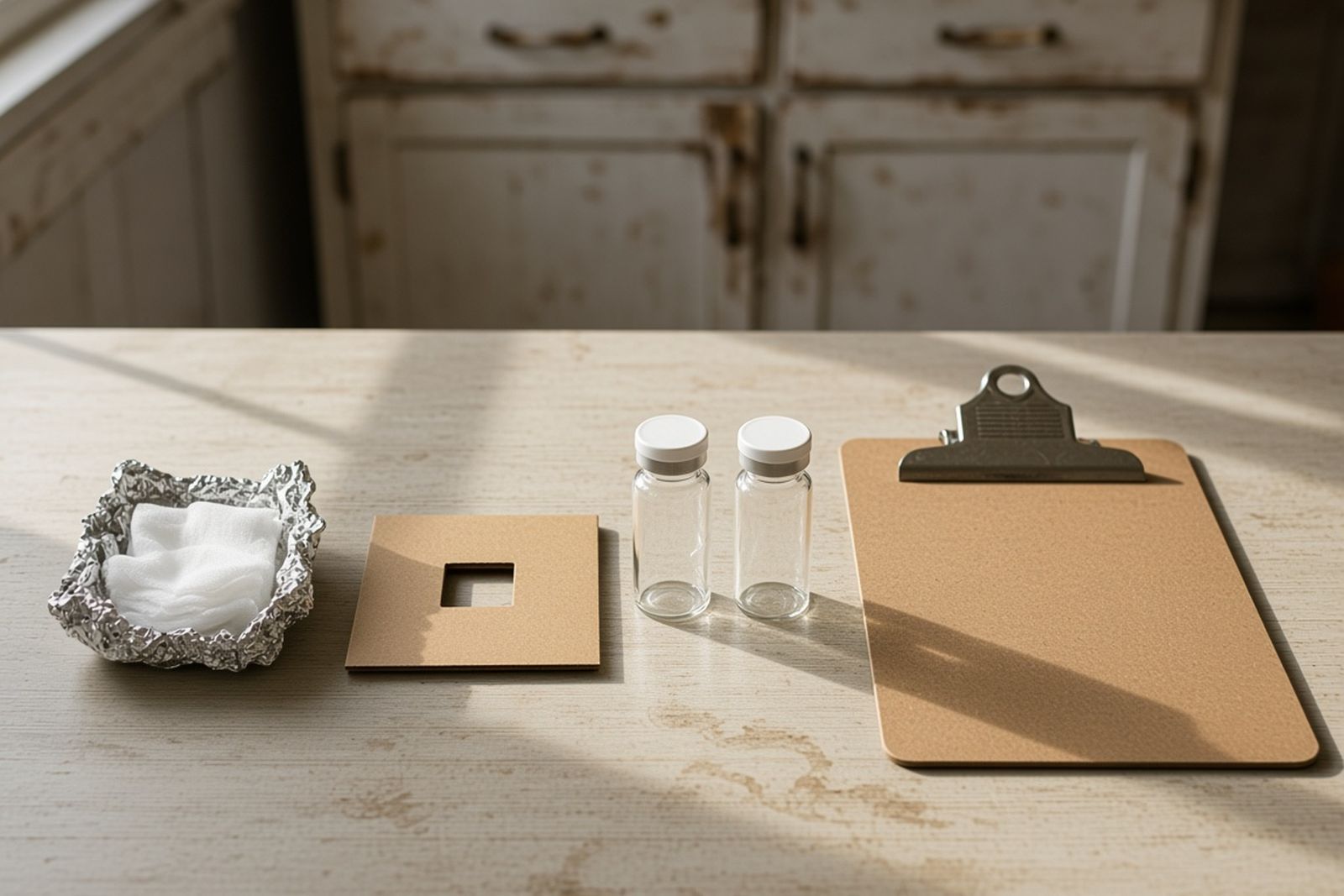
Wipe-sampling supplies on a counter: gauze in foil, a sampling template, vials and a clipboard
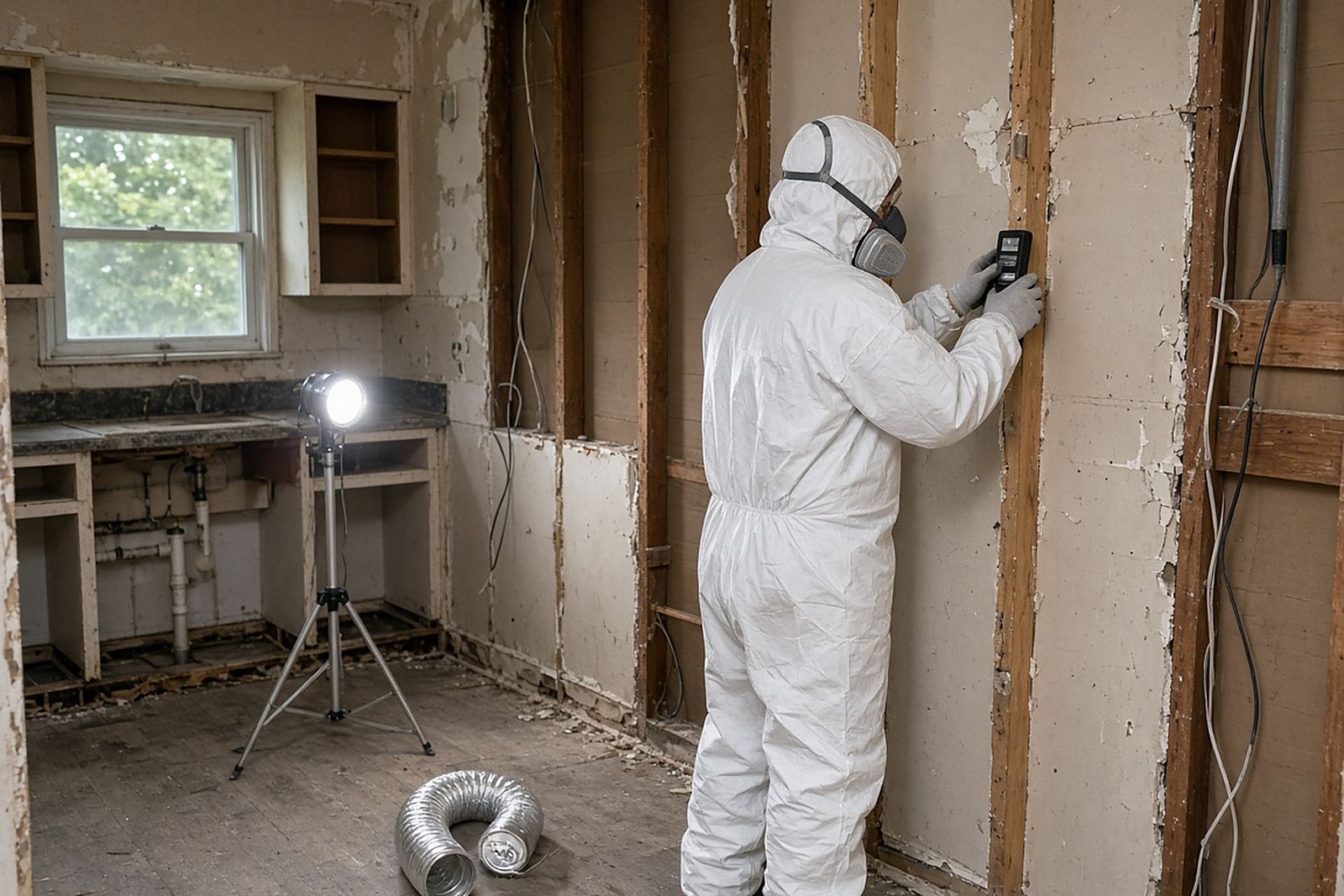
Technician in a respirator checking exposed studs in a gutted kitchen with a work light and duct

Facts worth knowing

  • As of March 2013, 25 states required or recommended cleaning former meth labs to set limits, ranging from 0.05 to 1.5 micrograms of meth per 100 square centimeters.

    Why it matters: "Clean" means different things in different states, so ask which limit applies to your property and get test results showing it was met.

    Source: Ohio Department of Health, 2016

  • A federal review found the most common state limit for meth left on surfaces after cleanup is 0.1 micrograms per 100 square centimeters.

    Why it matters: Compare the numbers on your after-cleanup test report with this limit or with your own state's limit.

    Source: NIOSH (CDC), 2020

  • A study of 63 people in 25 Australian homes contaminated by meth making or use found sleep, behavior, breathing, skin and eye problems and headaches.

    Why it matters: If you have these symptoms in a home with a drug history, ask about testing; homes where meth was only used caused problems too.

    Source: Toxics (Wright et al.), 2020

Tools that help right now

What would you do?

Poll results

Vote to see how other people answered. You can change your answer at any time.

Your experience

If a house you wanted had a documented lab cleanup that passed clearance, what would you most likely do?

Be the first to vote
Industry

Which factor would you weigh most when choosing a meth cleanup contractor?

Be the first to vote

Need help in Malibu?

Send a short message about the property to the follow-up inbox. A coordinator can reply by email with next steps.

Your request is sent to the follow-up inbox. A coordinator can reply by email.

If anyone is hurt or in danger, call 911 first.