Direct answer
The short answer for Los Angeles, CA
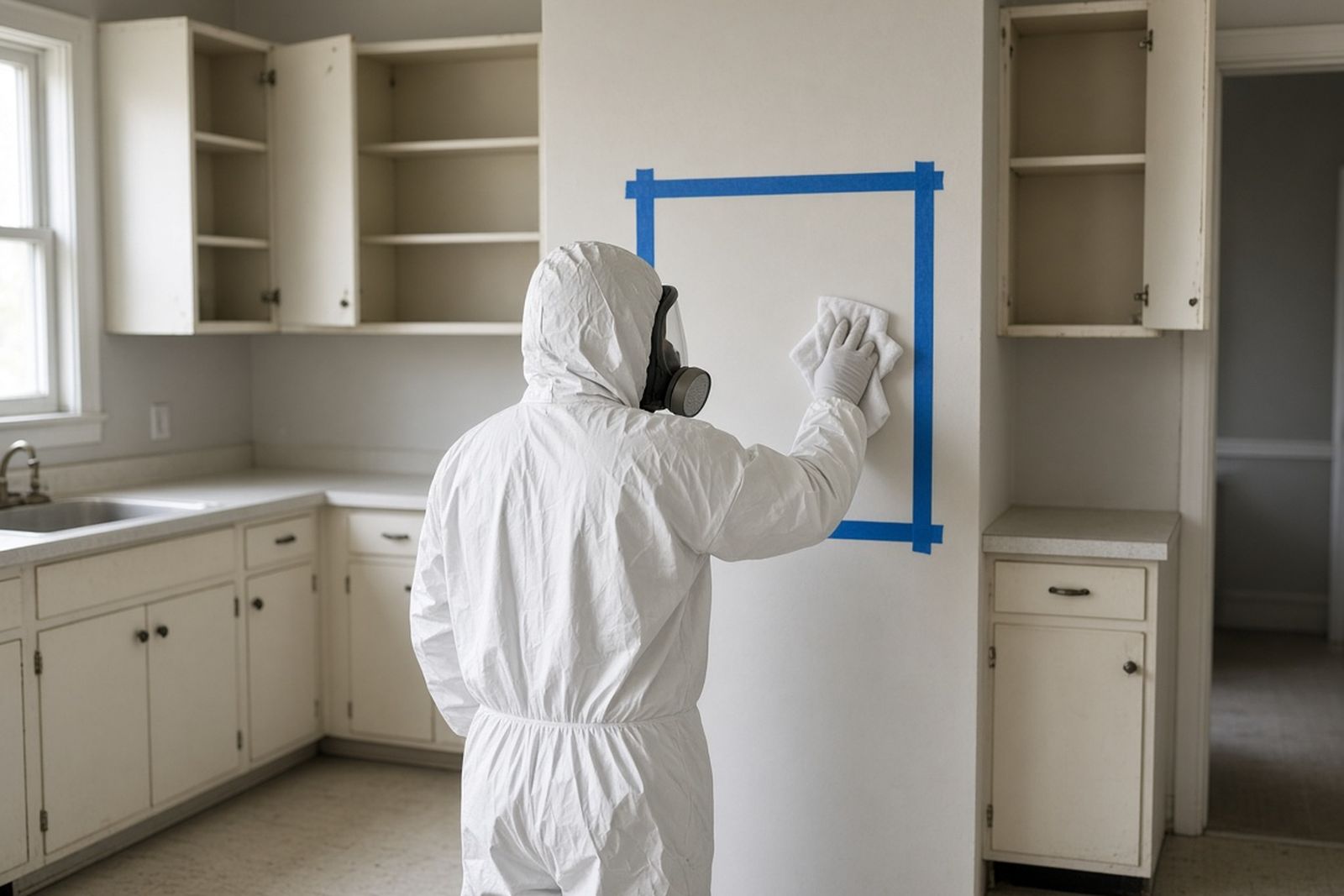
In Los Angeles, fresh paint does not decide whether people can live in a unit again after meth activity. Wipe results do. They are measured against Health and Safety Code section 25400.16. Crowded apartments, hillside homes, and ADUs (backyard or garage units) need wipe tests marked on a map. They also need notes on whether there was a cook or only drug use. Lab results must be compared to the state's meth and fentanyl lab rules.
Editorial guide · Biohazard Remediation NetworkUpdated 2026-07-22Location focus: Los Angeles, CA
Local planning context
The biggest city in Southern California has many kinds of homes. There are soft-story apartments and garden courts in Mid-City and the Valley. There are Westside podium buildings and canyon-edge houses with ADUs. Residue questions often come up after an empty unit shows heavy smoking debris. They also come up after police seize signs of cooking, or when a buyer's consultant wants wipe data mid-escrow. Health and Safety Code section 25400.16 sets the rule for meth lab contamination. For that chapter only, a property is safe to live in if indoor meth is at or below 1.5 micrograms per 100 square centimeters. For fentanyl labs in Los Angeles County, the same section says indoor surfaces must be below the detection level. That rule stays until a health-based fentanyl number comes from a state or federal agency. Do not assume the meth figure of 1.5 µg/100 cm² covers every illegal chemistry found in a garage conversion or staff suite.
The Los Angeles County Department of Public Health is the main contact for local health-officer questions. That starts after police report the case under the Chapter 6.9.1 process. During Los Angeles raids, the state's DTSC Illegal Drug Lab Removal Program is the one that handles bulk solvents and lab chemicals. Leftover residue on drywall, carpet, and return-air dust is still the owner's job to test and clean. Tell a cook apart from smoking only. Signs of a cook include solvent cans, etched glassware, stained plumbing, and very acidic or very basic residues. Smoking alone can still soak into soft goods and PTAC wall-unit dust in closed apartments. Residue spreads more easily when debris rides open elevators. It also spreads when a courtyard laundry room stays open to the work area. On hillsides, dusty soft goods carried down outdoor stairs can spread it too.
Home sales and rentals here run on paperwork. Landlords, HOA boards, estate lawyers, and lenders often ask for floor-plan sample maps. They ask even when a unit "smells fine" after a coat of paint. Warm, dry spells dry residue into dust that feet stir up. Foggy marine-layer mornings in coastal areas slow drying after a wet wash. Some ADUs and garage conversions were never listed in the original lease. They still need the same clearance talk if someone lived there or stored drug gear there. A cosmetic refresh with no lab comparison to the right HSC 25400.16 chemistry will not hold up as proof that Southern California apartments or hillside homes are safe to live in.