Which Connecticut figure should a Greenwich estate plan aim for?
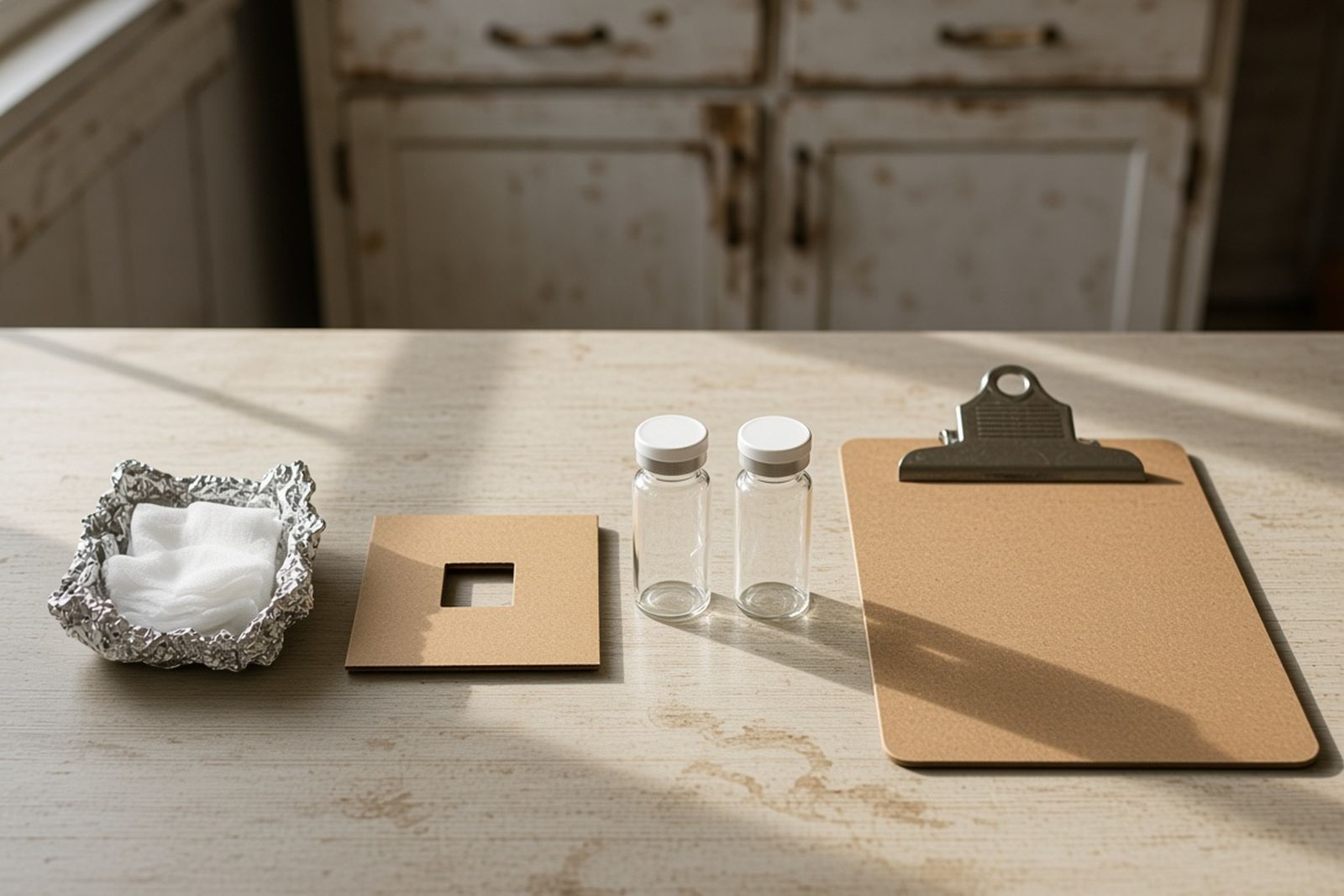
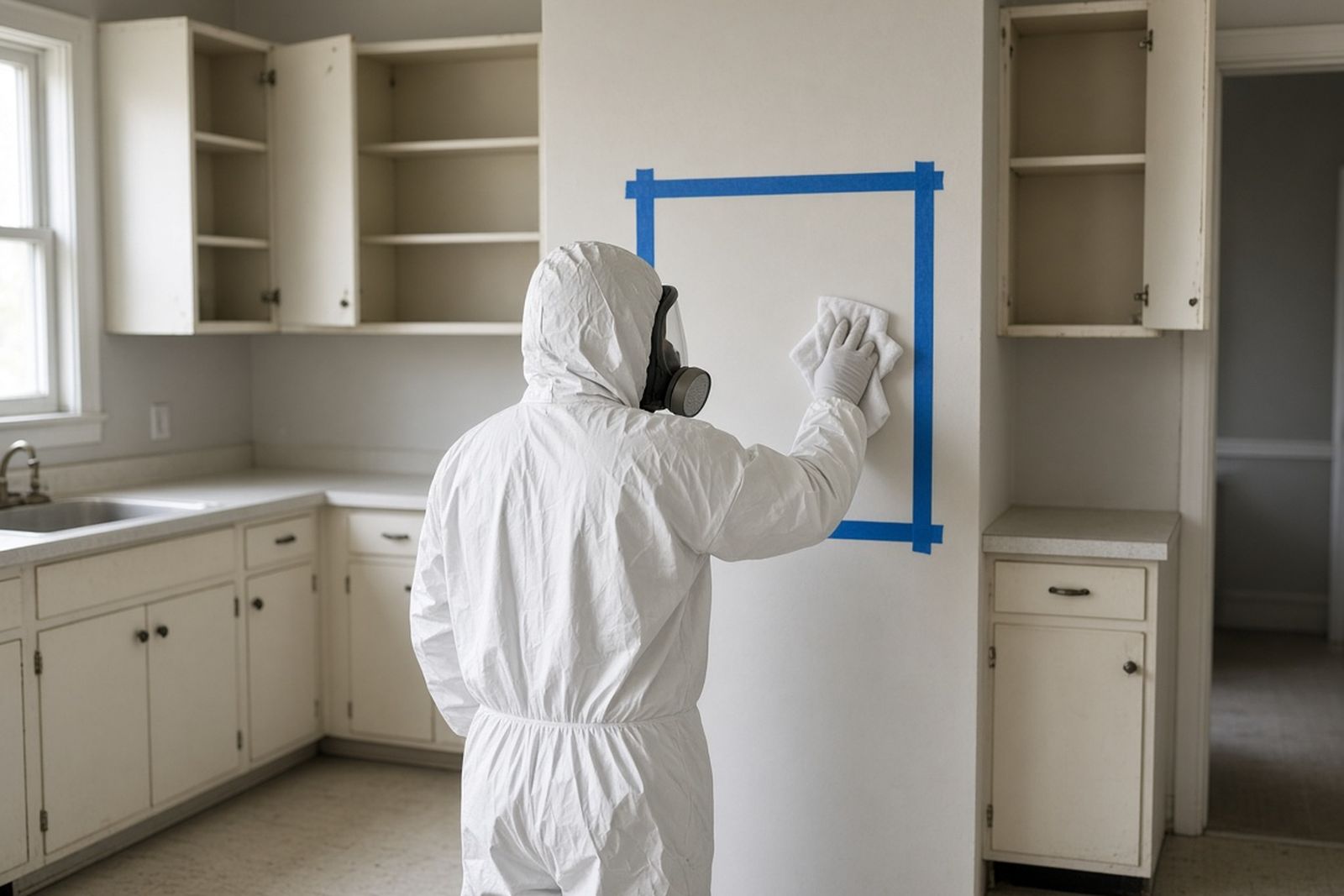
For Greenwich, the Connecticut Department of Public Health guidelines set a meth cleanup target of below 0.1 µg/100 cm². The department calls this a detection-limit approach, because risk estimates are uncertain. Those same guidelines add that Connecticut law does not force drug lab cleanup in everyday houses. But authority can exist for licensed facilities, or where the DPH Commissioner finds a public health threat. For owners who follow the state guidelines, accredited wipe tests against the below, or less than, 0.1 µg/100 cm² target are the published benchmark to cite. That target does not mean every Greenwich home falls under a required cleanup order. If police were involved, ask the Greenwich Health Department what authority applies to the address. File each lab report under the building it covers, so trustees can audit them.
Carriage house indicators only: does the Greenwich main residence still need wipes?
Not always. Write down how you decided, with photos of the links between buildings. If early samples in the main house show nothing and the carriage house paths were sealed, a smaller job may be justified. If not, test more widely. Estate managers should treat a lot with many buildings as one planning problem, even when only one cottage set off the discovery.
How should manufacture versus use-only findings be written for family offices?
List what was found. Reaction vessels, solvent containers, and stained plumbing point to cooking. Foils and pipes alone, with no process chemicals, hint that someone only smoked. Use-only residue on soft items and HVAC dust can still fail the CT DPH target of below, or less than, 0.1 µg/100 cm². Widen the job midway if cookware turns up. Photos and item lists matter as much as the lab numbers.
Why include HVAC returns on Sound-edge estate sampling maps?
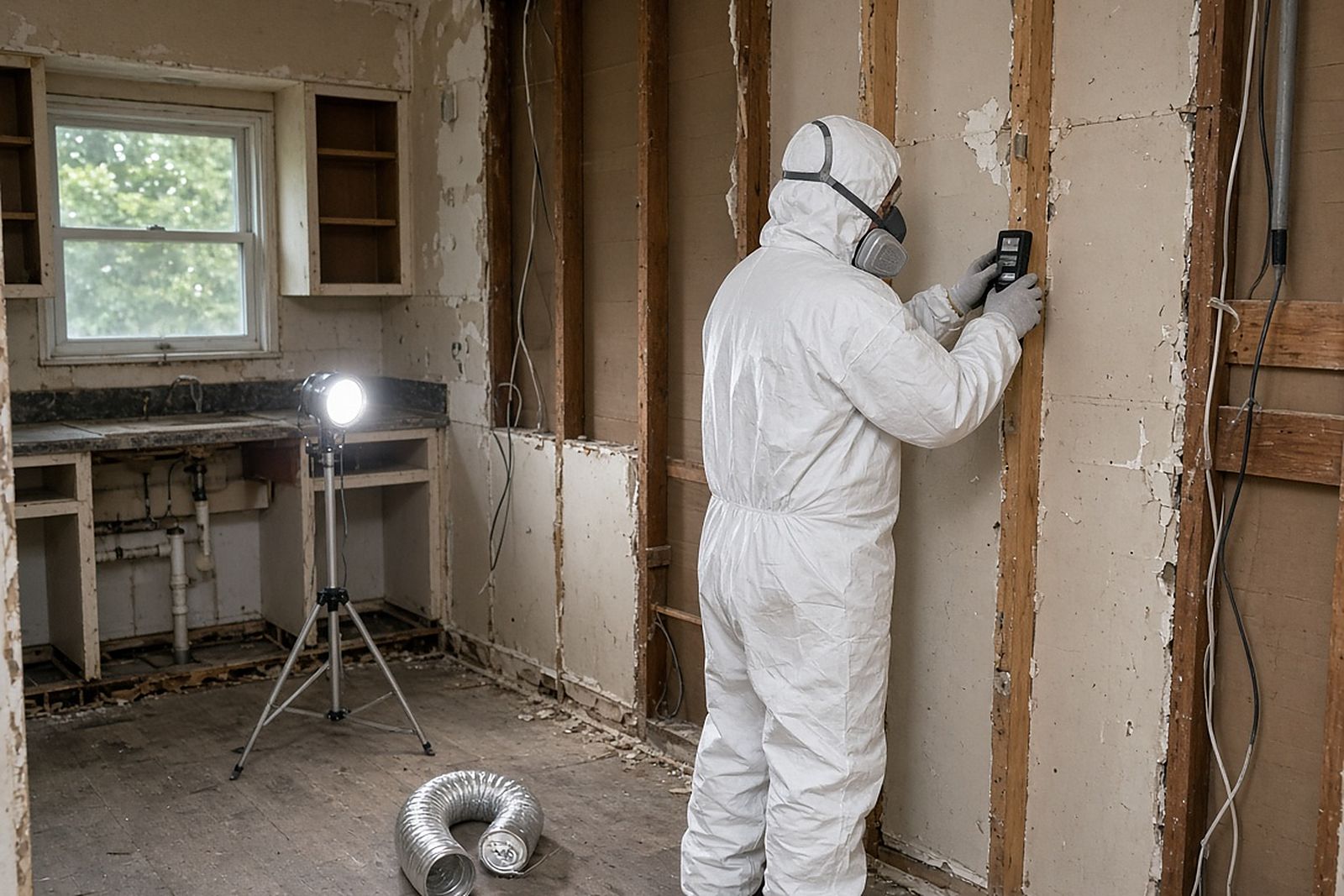
On estates along the Sound, meth residue acts like fine dust. Wool rugs, pads, silk-covered chairs, and return grilles all trap it. Big lots often have separate cottage air handlers, and each can gather residue on its own apart from the main house. Rugs and furniture left in place can soil washed floors again and make samples fail the CT DPH target. On the Greenwich map, mark air returns and any nursery or playroom floor. An estate estimate without filter changes and money set aside for soft-material removal is not complete. Debris carried through a front hall or service hallway without sealing spreads residue too. Plan for HEPA vacuums and sealed transport.
What belongs in a trustee disclosure file after remediation?
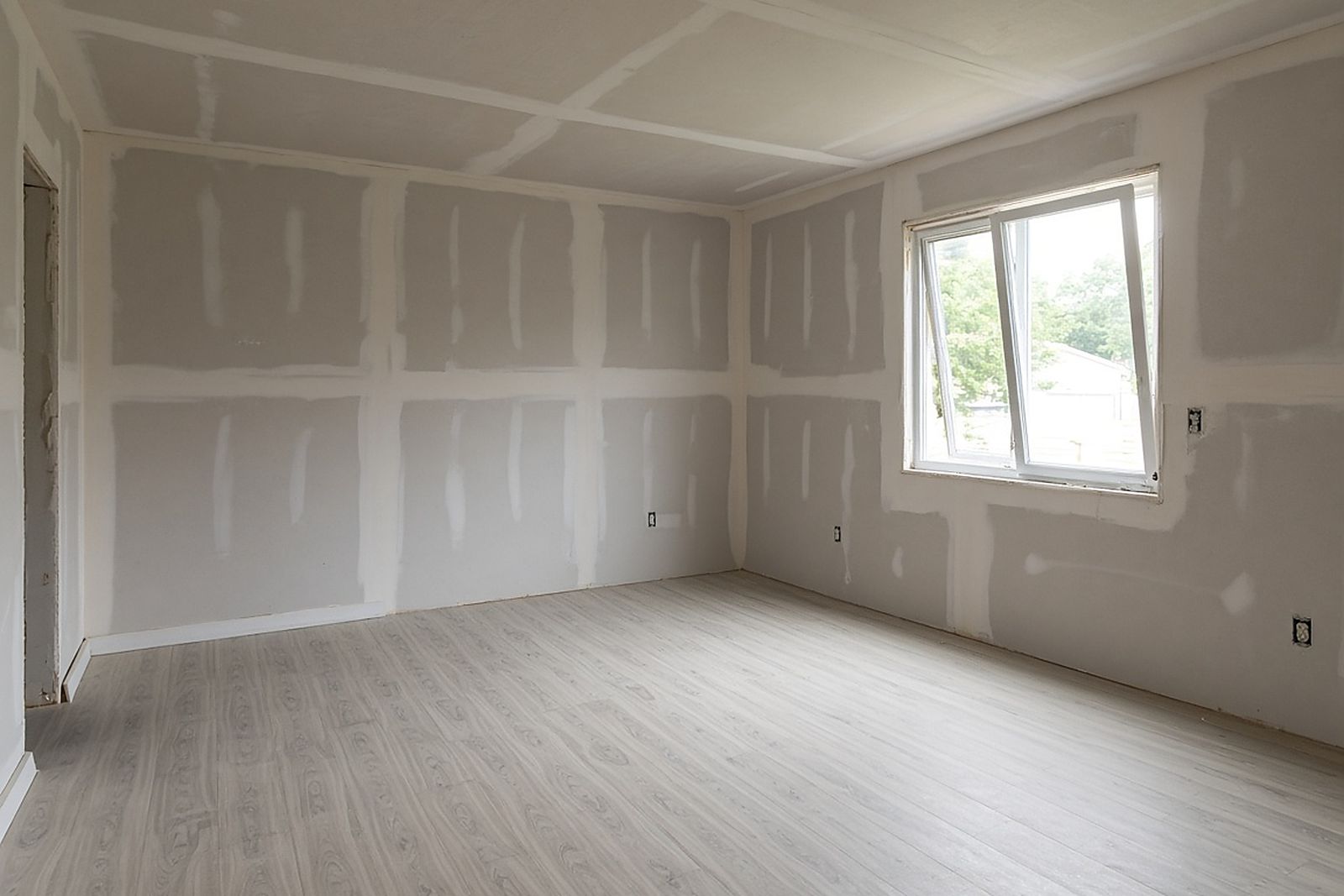
Keep the CT DPH guideline you used and any health order. Keep floor plan sample maps by building, chain-of-custody forms, and accredited lab reports with number results. Add lists of soft items removed, waste shipping records, and HVAC notes. Explain that the results compare against the published target of below, or less than, 0.1 µg/100 cm², or a stricter contract limit. Do not claim a blanket state mandate for homes, since none exists. Do not advertise “fully remediated” without mapped wipe proof.
How should Greenwich owners handle a pool house or tennis pavilion?
Outbuildings like pool houses, cabanas, and tennis pavilions are easy to miss. Yet someone may have smoked or stored chemicals there without anyone noticing. Treat each one as its own building on the sample map. Check if it has its own mini-split or shares air with the main house. Record results for each outbuilding on its own, so a buyer can see the whole estate.
How do back-country Greenwich horse properties affect cleanup?
Back-country properties north of the Merritt Parkway often have barns, tack rooms, and staff apartments above the stables. These spaces tend to have bare wood, hay dust, and air systems apart from the main house. Residue can settle into rough-sawn wood that is hard to clean. Test each barn space on its own. Plan to throw out tack-room fabrics and bedding. Route debris away from paddocks. Move horses out of any stall next to the work zone.