Buckhead, GA

Meth Lab Cleanup in Buckhead, GA: High-Rise Shafts, Valet Docks, and Case-by-Case Analytics

What to do, who to contact, and what to ask in Buckhead.

Meth residue in a Buckhead high-rise condo? Georgia has no clear state number. See what your board needs, from dock bookings to final lab results.

Get an email reply about meth lab cleanup

Send a short message to the follow-up inbox. A coordinator can reply by email. This form does not send emergency help; call 911 first if anyone is in danger.

Tell us what you need help with. Share a short description; please leave out medical details, access codes, and other sensitive information.

A request does not confirm a booking. For immediate danger, contact local emergency services.

Or email info@methlabcleanup.online

The short answer for Buckhead, GA

If your Buckhead condo may have meth residue, tell your association and book freight access before anything leaves the unit. Georgia gives Peachtree towers no clear state meth number for moving back in. So your board will vote based on wipe goals set for your unit, sealed chutes and shafts, and lab results from an accredited lab.

What to do, step by step

  1. 1

    Book the dock and set wipe goals for your unit

    Book freight access with your association before any bag-out. Have the unit photographed and the signs of cooking versus smoking noted. Then ask for the wipe plan, listing its methods, detection limits and sample spots. EPA’s voluntary guide can set the sequence. The plan should point out that no Georgia meth figure is cited. If your board sets a stricter bar in a letter or contract, attach it. Agree on the goals before the first sample is taken.

  2. 2

    Have the unit sealed and the chutes and shafts capped

    A good crew seals off your unit and caps the trash chutes and mechanical shafts that link nearby floors. Fabrics move in sealed containers, and only in the freight elevators you booked. Soft, soaking items that cannot meet your unit’s goals are thrown out. HEPA air filters keep running as the crew scrubs hard finishes with detergent. Nothing should be dry swept into the hallway. Ask for photos of each cap before tear-out begins.

  3. 3

    Ask how the air handler and return vents are isolated

    Your condo’s air handler should be shut down or sealed off ahead of any tear-out. The filters are replaced, and the return vents within reach that may connect through shafts are checked. Fans stay off until washing is done. In Peachtree towers, the worker safety plan should cover solvents and fine dust. Shafts and return vents are common reasons wipes fail in these buildings. So ask that wipe spots near the HVAC be part of the testing done after cleanup.

  4. 4

    Give your board the package it needs to vote

    Give the board your unit’s wipe map, with custody forms and waste records. Include chute-cover photos and HVAC notes, then a brief note on whether it was a cook or just smoking. The package should explain that the lab results show your unit’s condition. Georgia has no microgram law for them to meet. Failed spots should be retested before the board votes on moving back in. Include the failed rounds too, so the order of events is clear.

What cleanup is like in Buckhead

Buckhead’s condo towers near Lenox and along Peachtree move soft goods through valet docks and booked freight elevators on tight schedules. That means your cleanup runs on the building’s clock as much as the crew’s. For these towers, Georgia has no clear state meth number for moving back in, like California’s section 25400.16. EPA’s voluntary guidelines give a technical order of steps, but they create no federal microgram rule for Fulton high-rises. So you and your board should lock in wipe goals for your unit with an accredited lab, plus any board letter. A tower listing should never quote a made-up state figure.

In a tower, residue can reach floors where no one smoked or cooked. Trash chutes, mechanical shafts and stacked return vents all carry it, which is why your neighbors and board will take an interest. The Georgia Environmental Protection Division handles sorting of chemical waste when it leaves a unit. The Georgia Department of Public Health gives context on exposure, and city offices are useful contacts after something is found. DEA guides explain the dangers of a cook. A cook means more waste to sort and test. Smoking alone still soaks into fabrics and return-vent dust inside a closed-up tower unit.

Your condo board’s packet will focus on freight elevator logs and chute seals. Votes on moving back in stall when all anyone has is paint receipts. Turn down made-up Georgia pass numbers. Keep your wipe maps, photos of shaft caps, freight elevator logs and the dates of each retest. The main risk in a tower is residue moving up and down through the trash risers. So ask the crew to record every floor the freight elevator stopped at, and keep that log with your lab results.

Height brings its own troubles. Strong winds slam balcony doors and push drafts through shafts between stacked units while work is underway. Valet staff walk across the lobby marble, so ask for sticky mats at every freight doorway. Some towers share trash risers across more than one condo association, and the other boards should be told when the chute caps go on. Weekend traffic near Lenox ruins dock bookings, so ask for early weekday slots. Have each shaft cap’s serial number photographed for your board packet.
What to expect for your type of home

  • Tower condos: Book valet dock and freight elevator times with your association before any fabrics leave the unit. A missed slot can leave sealed bins waiting in your hallway.
  • Units facing a board vote: Lock in wipe goals for your unit in writing. No Georgia state meth law with a number for moving back in is cited, so the board needs your own.
  • Units near chutes and shafts: Ask that trash chute and mechanical shaft openings be capped while things are torn out. Uncapped openings can carry dust to floors above and below yours.
  • Furnished tower units: Plan to throw out fabrics and padded furniture if early wipes show residue. Before you sign the discard list, find out which pieces could be tested first.

Papers and records to keep

  • Notes on your valet dock and freight elevator bookings
  • The wipe sampling plan and the pass level set for your unit
  • Tower unit map marking sample spots at return vents and balcony sliders
  • A list of fabrics torn out of the unit, with the waste papers
  • Photos showing the sealed trash chutes and mechanical shafts
  • Georgia EPD, DPH or city letters about the tower, if there are any
  • Final wipe reports, filed in your condo board’s disclosure binder

Local offices and official help

Common questions in Buckhead

Has Georgia published a meth wipe number for Peachtree towers?

No. Peachtree towers have no Georgia meth law to quote, unlike California’s section 25400.16. Before sampling, set your pass level in writing. Include the lab, the mapped spots, detection limits and any board letter. A listing or ad should not carry a “Georgia number.” If an agency issues orders for your building, follow those first. Your board will want to see the written goals before it sees the results.

Why do the trash chutes get capped before any tear-out?

Chutes left open can carry dusty residue to floors where no one smoked or cooked. Sealing them off and using sealed bags are chemical controls, not courtesy. Your board packet should show each chute cover in a photo. If shaft and chute protection is skipped, you risk complaints from other floors. Later wipes may also fail against your unit’s goals, which means paying for more work.

How do dock bookings change the cleanup?

They set the pace. Freight elevators are booked by the hour, and soft goods must leave in sealed containers during the booked times, so lobby finishes stay protected. If the crew misses a dock slot, it may have to stage in the hallway. That can spread residue back into cleaned units. Ask the company to match its plan to your tower’s rules before any tear-out starts.

Which papers does a Buckhead condo board usually want before its vote?

Boards usually ask for the plan, custody forms and lab reports with detection limits. They want maps, lists of soft items removed, waste papers and HVAC notes. Add photos of chute protection and a short summary of cooking versus smoking. Tell your board the tower results stand alone, with no Georgia state figure behind them. Include failed rounds and retests, so the board can follow the order of events.

Can the return vents dirty my unit again after it is painted?

Yes. Return vents and shafts can hold fine dust that fans blow around again after the paint dries. Ask that wipe spots near the HVAC be added to the sampling done after cleanup. Keep the tower unit’s air handler off during tear-out. A quick paint-and-rent turnover while the vents still hold residue can spoil later lab results against your unit’s goals.

My Buckhead property is a single-family estate, not a condo. What changes?

You have more buildings and zones to cover. Besides its towers, Buckhead has large single-family homes along streets like West Paces Ferry. Estates bring pool houses, guest suites and several HVAC zones. Ask that each zone and building be mapped. Debris should leave through a service entrance. Kindly ask household staff to stay out of affected areas. Keep each building’s results separate for future buyers.

I notice odors from a neighbor’s unit. What should I do?

Tell building management in writing what you notice, without blaming anyone. Management can decide whether an inspection makes sense. Keep your own doors closed if the smell is strong, and do not linger in the hallway near the unit if you are worried. If you feel sick, talk with a doctor. Georgia’s Department of Public Health takes broad health questions too.

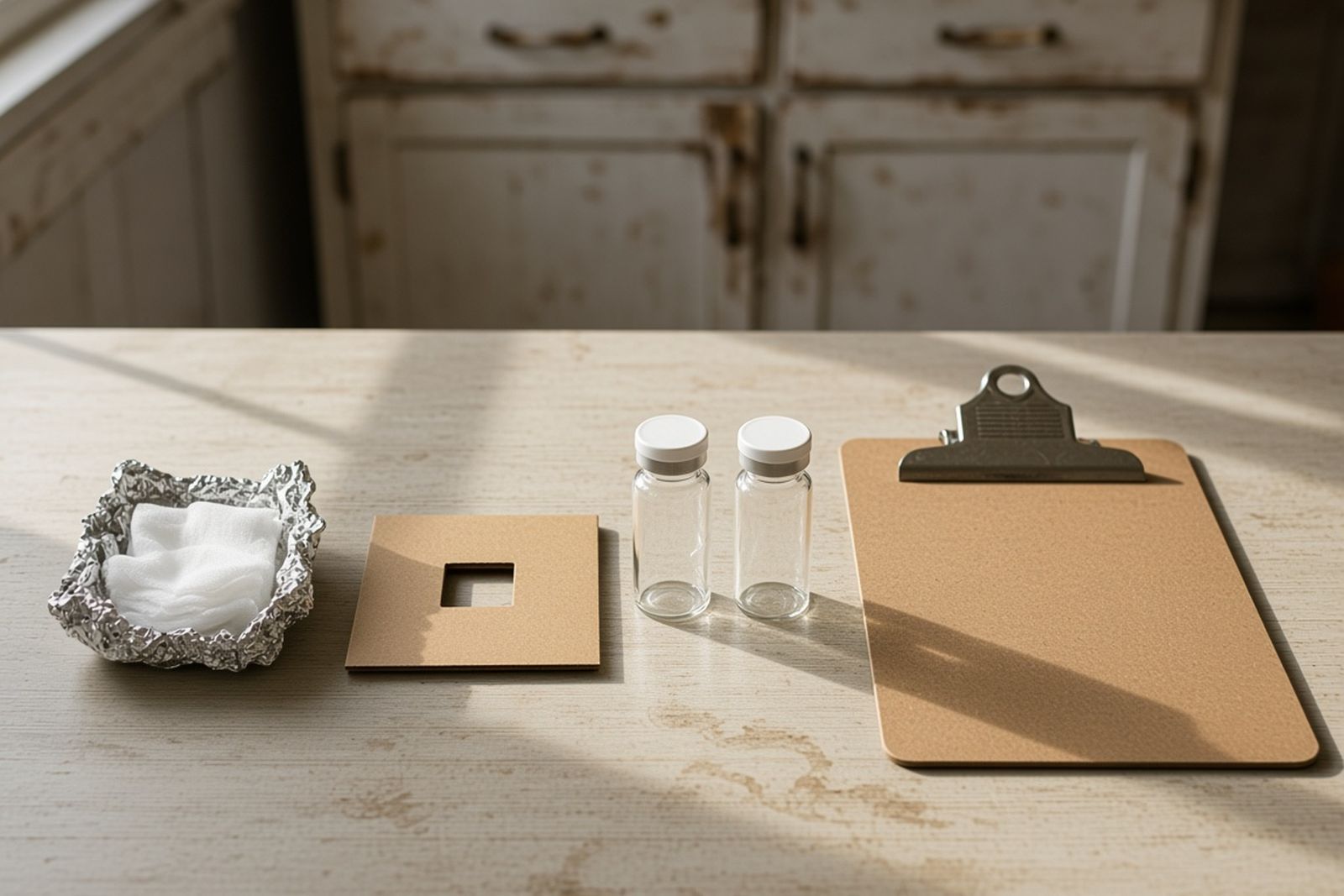
Wipe-sampling supplies on a counter: gauze in foil, a sampling template, vials and a clipboard
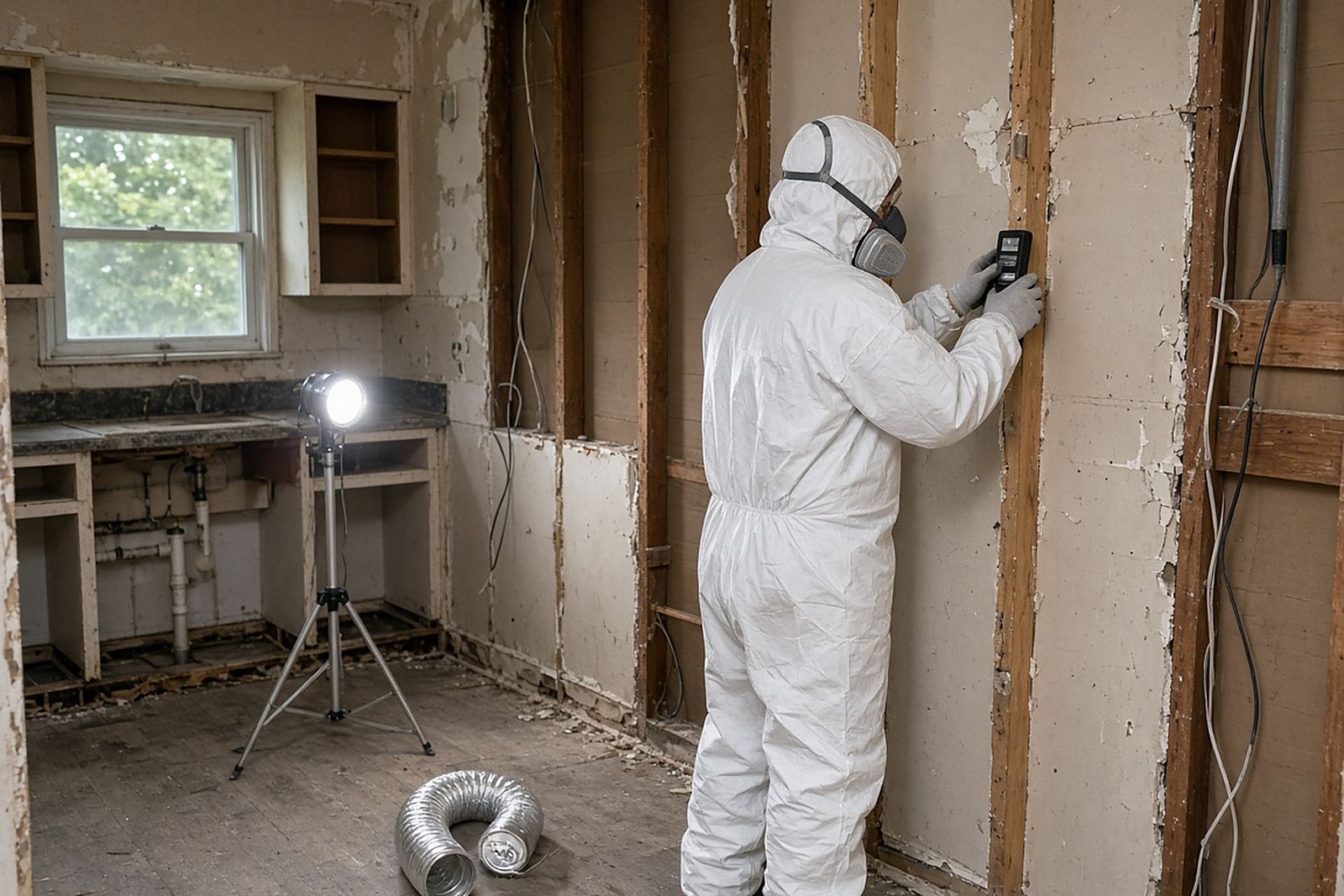
Technician in a respirator checking exposed studs in a gutted kitchen with a work light and duct

Facts worth knowing

  • A study of 63 people in 25 Australian homes contaminated by meth making or use found sleep, behavior, breathing, skin and eye problems and headaches.

    Why it matters: If you have these symptoms in a home with a drug history, ask about testing; homes where meth was only used caused problems too.

    Source: Toxics (Wright et al.), 2020

  • A federal review found the most common state limit for meth left on surfaces after cleanup is 0.1 micrograms per 100 square centimeters.

    Why it matters: Compare the numbers on your after-cleanup test report with this limit or with your own state's limit.

    Source: NIOSH (CDC), 2020

  • As of March 2013, 25 states required or recommended cleaning former meth labs to set limits, ranging from 0.05 to 1.5 micrograms of meth per 100 square centimeters.

    Why it matters: "Clean" means different things in different states, so ask which limit applies to your property and get test results showing it was met.

    Source: Ohio Department of Health, 2016

Tools that help right now

What would you do?

Poll results

Vote to see how other people answered. You can change your answer at any time.

Your experience

If a house you wanted had a documented lab cleanup that passed clearance, what would you most likely do?

Be the first to vote
Industry

Which factor would you weigh most when choosing a meth cleanup contractor?

Be the first to vote

Need help in Buckhead?

Send a short message about the property to the follow-up inbox. A coordinator can reply by email with next steps.

Your request is sent to the follow-up inbox. A coordinator can reply by email.

If anyone is hurt or in danger, call 911 first.