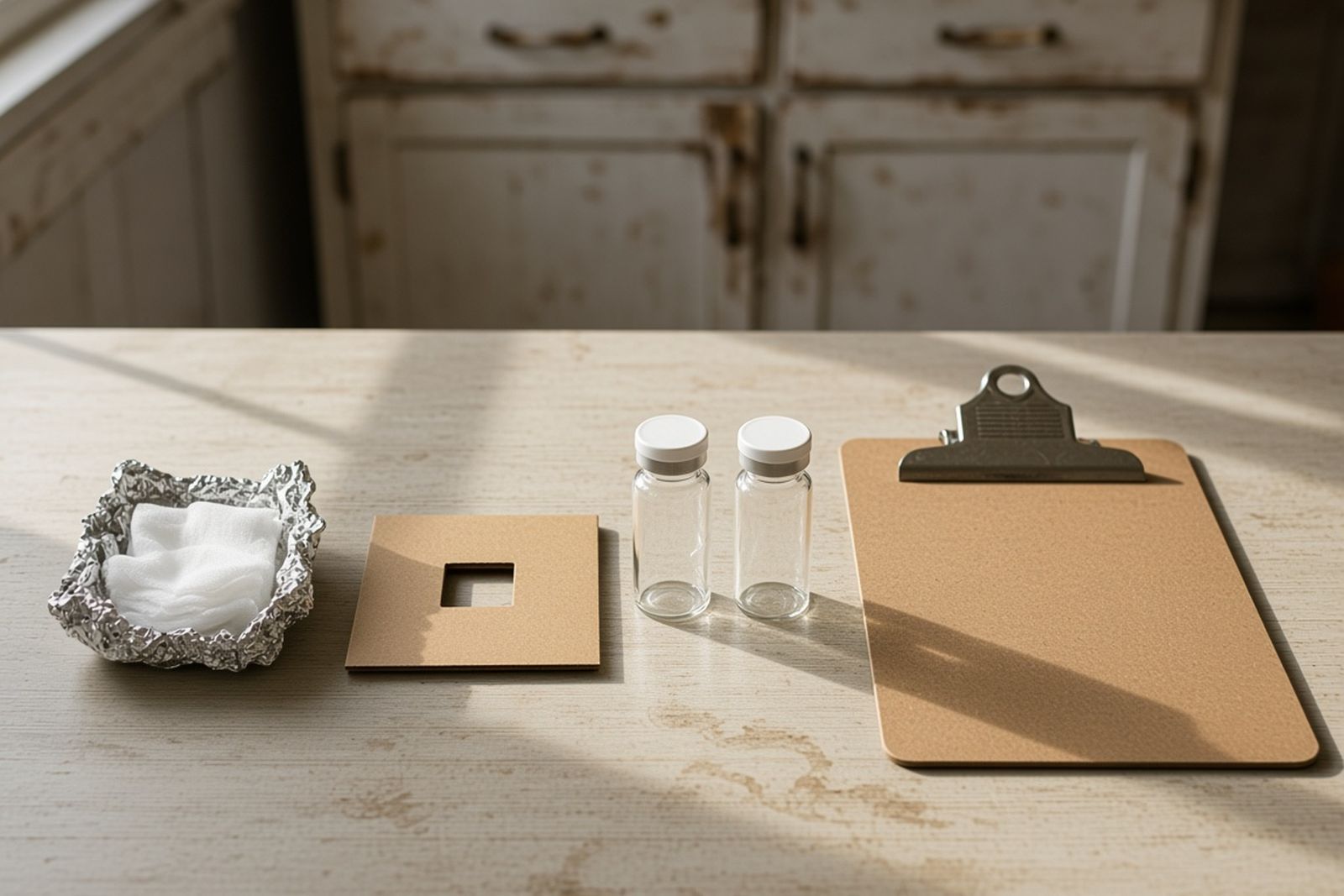
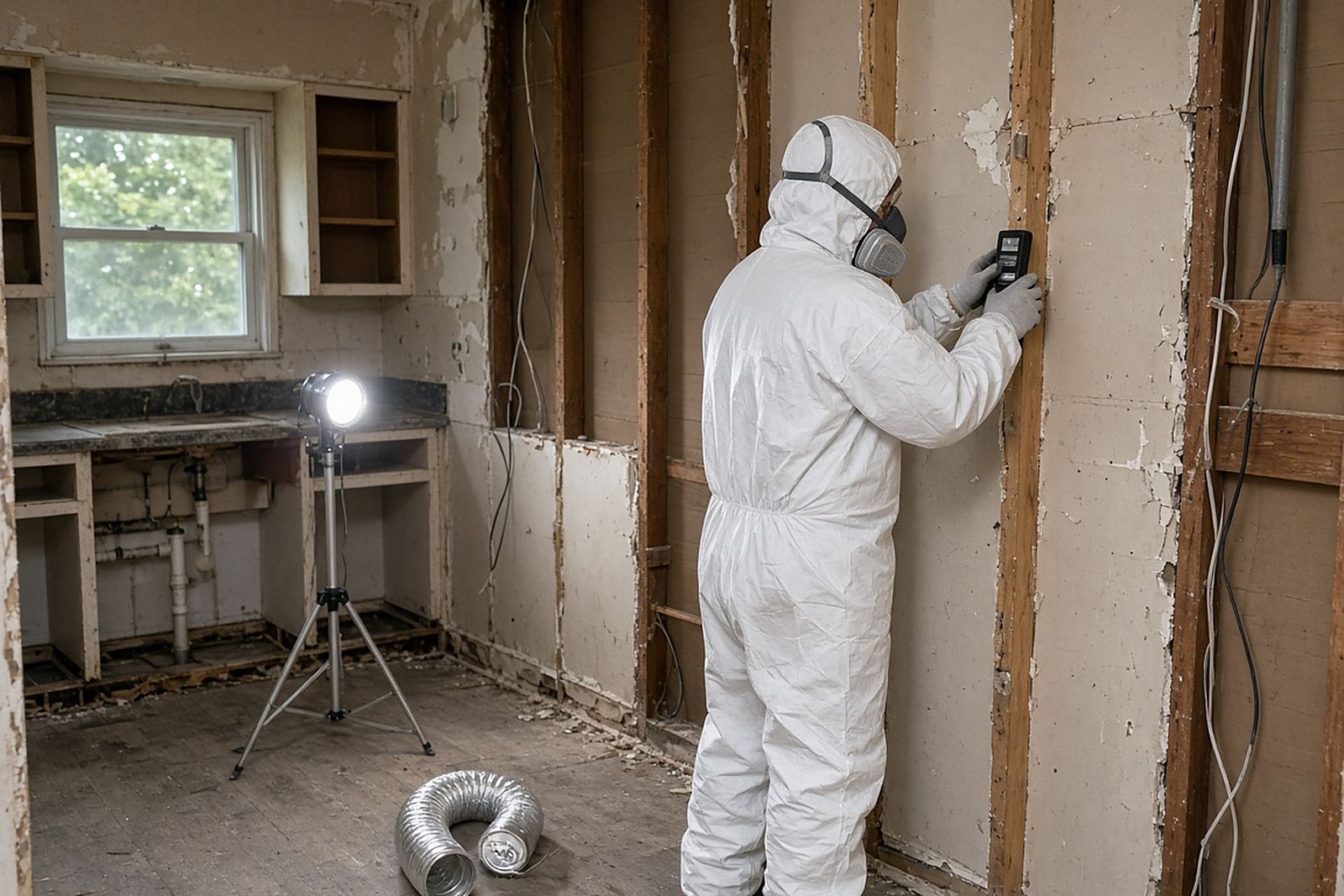
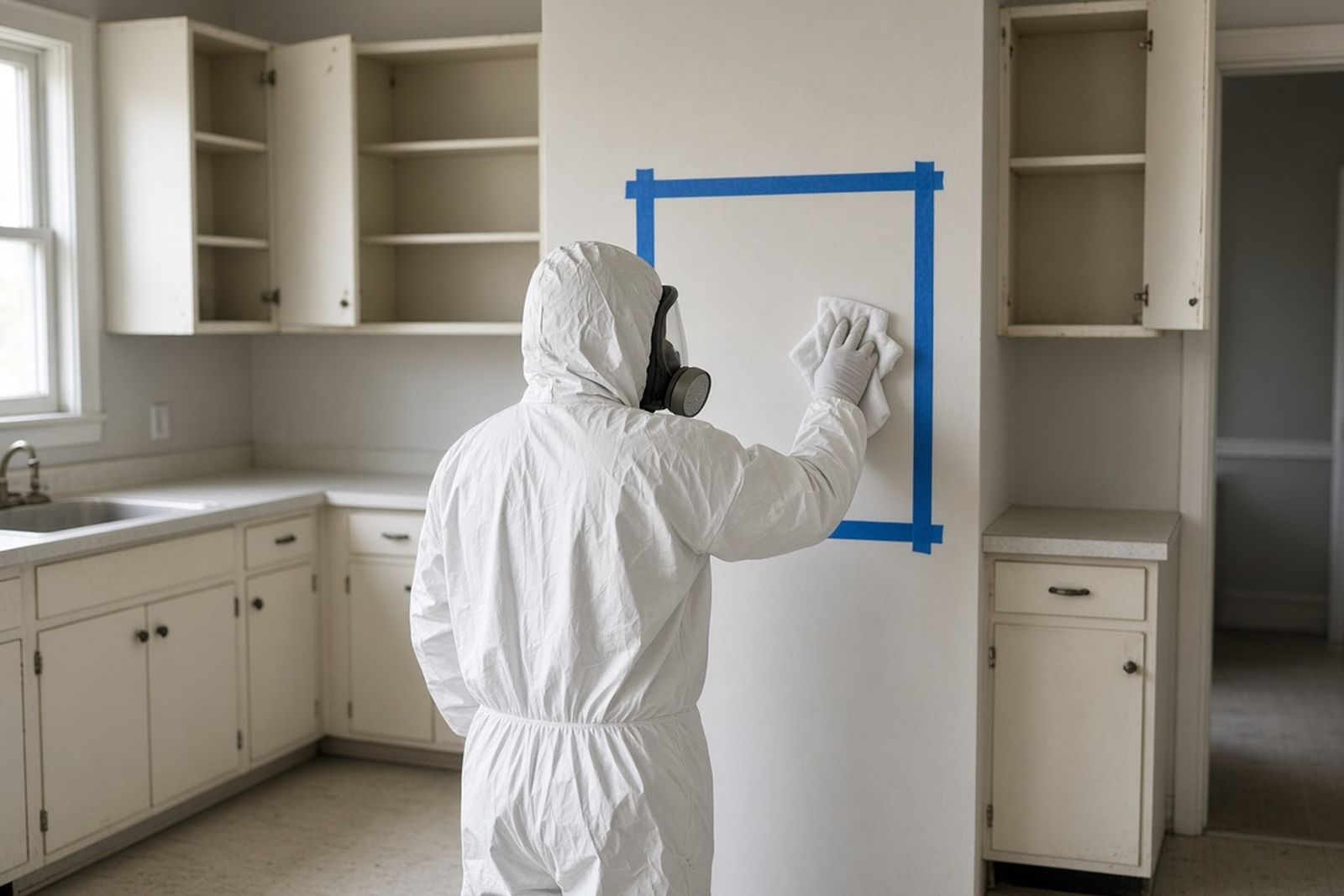
Gated Westside homes often have chauffeur courts, staff suites over garages, screening rooms, and wine cellars. These rooms rarely show up in listing photos. You may learn of it during a probate inventory, when an empty staff suite shows smoking debris, or when an environmental consultant hired mid-escrow asks for wipe data. Under Health and Safety Code section 25400.16, meth lab contamination counts as safe to live in, for that chapter only, when indoor meth is at or below 1.5 µg/100 cm². If the cook used lead or mercury, your estate needs wipes for those metals as well. A wish for privacy does not change those state numbers.
After a raid, DTSC's Illegal Drug Lab Removal Program carts the bulk chemicals and solvents away from the estate grounds. The woodwork, drapes, and duct dust stay with you to test and clean. Do not assume you are in the clear because no one cooked there. Even without a cook, smoke residue can build up on velvet chairs, deep wool rugs, and return grilles in a shut Beverly Hills room. Tell the testing company which rooms were closed up and for how long. Ask that the fabrics and vents in those rooms be looked at first, since they are the likeliest to hold what you cannot see or smell.
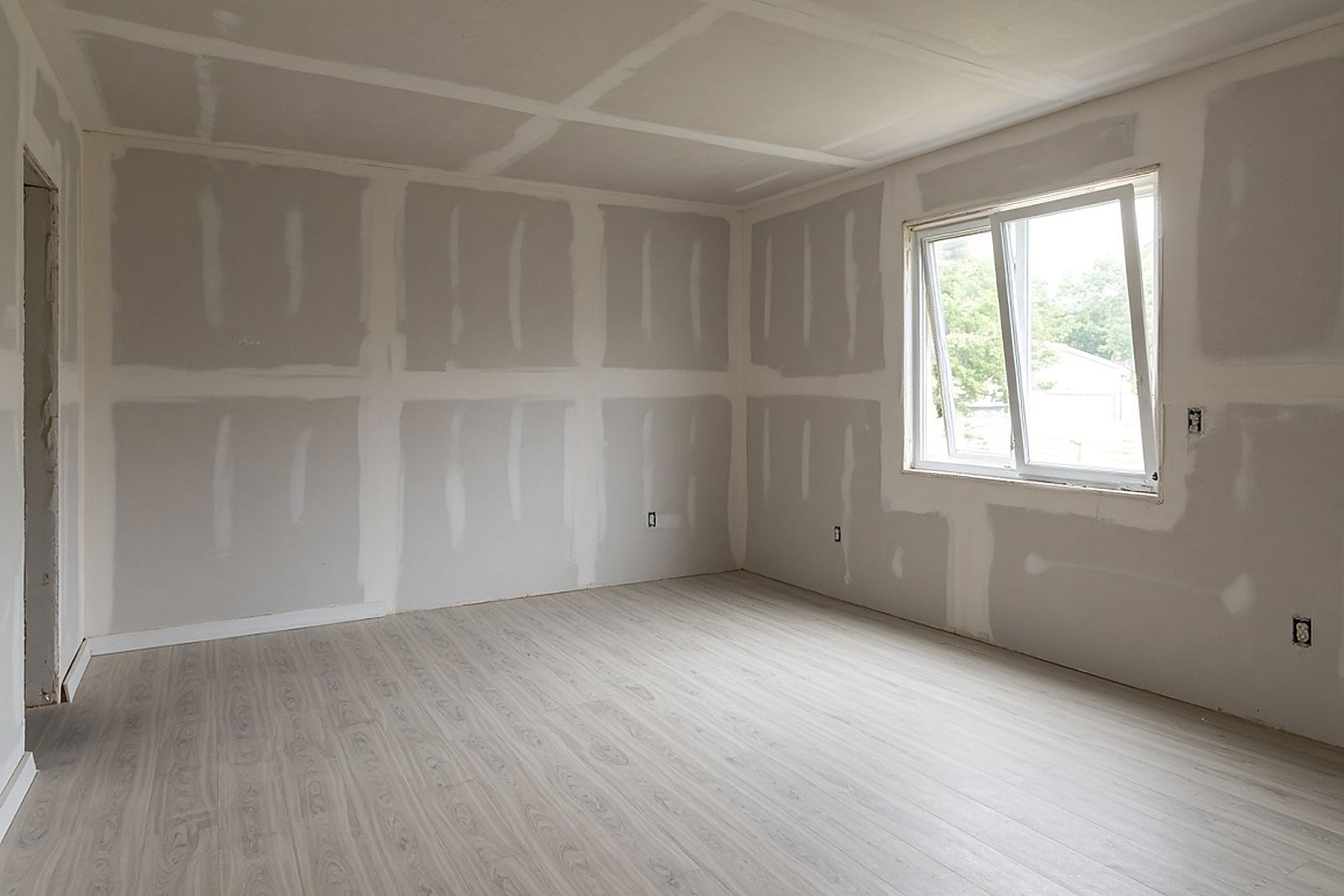
Escrow on the Westside runs on riders. Environmental add-ons, insurer forms, and estate-manager memos pass around under nondisclosure deals, and each one may ask you for lab numbers. Soft, absorbent finishes do not come clean with a casual wash, so plan on some of them leaving. Hold off on open-house photos until your after-cleanup lab results are compared to the HSC 25400.16 chemistry that applies. Be honest about whether the evidence shows a cook or smoking only. That way your lawyer can disclose it correctly, and your sale is less likely to stall late.