Field guide
Meth Lab Cleanup: How to Review a Written Scope
How to review a written meth cleanup scope. Check standards, testing, materials, HVAC, plumbing, waste, worker safety, clearance, exclusions, and the report.
For: This guide is for owners, landlords, property managers, and buyers. It is also for lenders, insurers, public agencies, and people managing property for others who are reviewing a meth cleanup proposal.
Organizational editorial byline · Updated 2026-08-01 · Verify case-specific requirements with the responsible authority.
Ask about your situation
Your request is sent to the follow-up inbox. A coordinator can reply by email. Not for emergencies; call 911 first if anyone is in danger.
Direct answer
What is the practical approach?
A useful meth cleanup scope starts with the official release and the current state or local rules. Then it ties every step to the first check of the site and to the testing decisions. It should name who is responsible: the assessors, samplers, lab, contractor, reviewer, and authority. It should map the inside, heating and cooling (HVAC), plumbing, contents, outdoor areas, and places that cannot be reached. It should spell out methods for each material and worker safety steps. It should show where waste and wash water go and how testing after cleanup works. It should say what happens if a result fails, and what goes in the final report. Treat the EPA's August 2021 document as voluntary guidance, not a cleanup level for everyone. Turn down a generic wash-and-seal price that leaves out local rules, data quality, systems, waste, or who approves the work.
Put the rule in charge and the authority on the first page
The scope should list the property address, the released area, and the status of the first chemical removal. It should name the responsible authority and the current state and local program. It should give the cleanup level that applies and any notice or warning sign status. It should list required qualifications, testing rules, and waste rules. It should also describe the final report process and the move-back decision. Include titles, revision dates, and links or citations. The EPA says its national document is voluntary and does not override state or local rules. A contractor should not swap in a limit from another state or an old web summary for the property's own process.
Keep legal requirements apart from project choices and voluntary best practices. For example, local rules may require a certain sampler or limit. Meanwhile, the owner may choose a broader review of contents or outdoor areas. Label each item as required, recommended, depending on results, or excluded, and name who decides. This keeps a provider from selling every favorite service as the law. It also keeps them from skipping a required step because it was not in the first price. State how changes in the law or new direction from the authority will be handled during the job.
Match the scope to the first check of the site
Attach or refer to the first check. Map where meth may have been made, converted, smoked, or stored, and any spills or fires. Map air flow, dumping, and how people and things moved. Do not claim to know more than the records support. List the rooms, ceilings, walls, floors, appliances, fixtures, and contents that were looked at. Also list the HVAC, plumbing, drains, sewer or septic system, sheds, vehicles, soil, surface water, and groundwater. List places that could not be reached, missing police records, unknown drug-making methods, and assumptions. The EPA stresses that no two labs are alike. Partial labs can raise different chemical questions.
Every area in the scope should link to something. That can be something seen, a record, a way residue could spread, a test question, or a rule. Every area left out should say who reviewed it and why it falls outside the decision. Watch out for scopes that price only the heated square footage. They may ignore a detached garage, crawlspace, shared duct, dumped containers, or a vehicle named in the history. On the other hand, a smell or stigma about the whole property does not justify treating every surface. The first check sets the questions. It is not permission for unlimited work.
Make testing decisions easy to audit before work starts
The testing section should set a plan with clear quality goals. It should name the chemicals to test for, the sample spots, and the surface sizes. Where allowed, it should say whether samples are taken one by one or combined. It should cover hot spots and any need for background or comparison samples. It should also cover field and lab quality checks, chain of custody, the lab method, the reporting limit, the cleanup level, and the pass-or-fail rule. Name who designs the tests, takes samples, runs the lab work, reads results, and pays. Local rules may require certain qualifications or independence. Disclose business ties even where independence is not required. A result without its sample size, method, and purpose cannot be fairly compared.
Testing before cleanup may help set boundaries, check materials, or set a starting point. But the EPA notes that authorities and experts should ask whether the information they have is already enough to plan the cleanup. The scope should explain why testing is or is not planned and how unknowns will be handled. It should also set aside spots and standards for testing after cleanup. It should not encourage crews to clean only the test spots. Include steps for damaged samples, blank samples that show contamination, and lab result flags. Also cover how to read results that find nothing, and results that clash with what was seen.
List the cleanup steps in order, by material and system
Turn the approved plan into clear steps. These include set-up safety controls, air flow decisions, removal, and identifying the type of waste. They include vacuuming with a HEPA (fine-particle) filter where it fits, a first wash, rounds of washing with detergent and water, and rinsing or collecting the water. They include HVAC, plumbing, the sewer or septic system, and outdoor work. Last come testing after cleanup, sealing if allowed, and the final report. Say when each step starts, its finish line, and the record it produces. A line that just says "deep clean all surfaces" is not enough. It does not say how many rounds, how water is handled, how hard-to-reach edges are done, or what happens if results stay high.
Make a separate decision for each material. That includes walls, ceilings, floors, concrete, brick, wood, counters, appliances, and windows. It also includes outlets, switch covers, carpet, fabrics, upholstery, mattresses, paper, toys, and mobile homes. State the standards for cleaning, removing, sealing, testing, keeping, or sending to an expert. Children's items and soft, absorbent contents need clear, careful rules. If something must come out just to reach an area for rebuilding, keep that apart from removal because of residue. Photograph key bare surfaces before coatings or new materials cover them.
Bring out assumptions about HVAC, plumbing, outdoor areas, contents, and waste
The HVAC section should list system zones and whether the system ran during the suspected activity. It should cover return and supply vents, filters, ducts, air handlers, and condensate lines. It should say which parts can be reached, what testing or cleaning questions exist, and who will look at them. The plumbing section should cover sinks, drain traps, drains, the sewer or septic system, and cleanup wash water. Do not assume a new filter or flushed drains solve the problem. Outdoor soil, water, wells, drainage, dumping, and neighboring lots need a stated boundary. They also need a named environmental authority or expert.
Contents and waste are not the same thing. List every item that is kept, tested, cleaned, thrown out, stored, or returned, with approval and chain of custody. Identify the type of chemical waste, filters, vacuum debris, demolition debris, wash water, soil, and ordinary belongings under the rules that apply. The EPA says waste chemicals from an illegal lab are not ordinary household hazardous waste just because the building is a home. Before removal, name who is responsible as the waste owner, the containers, and the hauler. Also name the receiving site, the records, and what happens if a load is rejected.
Review worker safety, prices, backup plans, and conflicts
The employer should write down the chemical and task hazards and how workers could be exposed. It should list equipment and work-practice controls, protective gear, and breathing protection. It should cover decontamination, heat, electricity, sharps, emergencies, and the OSHA rules that apply. OSHA's hazardous waste rule (HAZWOPER) may or may not apply, depending on the work and the legal facts. Ask the provider to explain its reasons. Do not accept a training card as proof for every case. Unknown live hazards or unstable chemicals should mean work stops and the matter goes to the right emergency authority.
Line up prices so you can compare them item by item. The items include the assessment, testing, lab work, planning, labor, containment, and equipment. They also include wash cycles, removals, HVAC, plumbing, contents, waste, and wash water. Add outdoor work, testing after cleanup, reports, fees, and rebuilding. State unit prices and who can approve changes. Say who pays for failed samples, extra cleanup, and retesting. Also say who pays for lab delays, changes the authority requires, areas that cannot be reached, and rejected waste. An insurer or lender being involved does not guarantee coverage, cleanup approval, or moving back in.
Define approval after cleanup and the final report
The plan for testing after cleanup should restate the required qualifications and any independence rules. It should give the sample spots or how they will be picked. It should list the methods, quality checks, chain of custody, lab reporting, and the cleanup level that applies. It should also cover data review and what happens if results fail. A passing result answers only the question the test was set up for. It does not settle chemicals not tested, hidden areas, outdoor areas, or future spills. The scope should prevent picking and choosing which results to report. It should explain how invalid data are replaced. It should keep key surfaces visible until required testing or review is done.
List what goes in the final report and who accepts it. The report should cover the release and the rules it is based on, the first check, and all data. It should include the approved plan, daily or work records, and decisions on each material. It should cover HVAC and plumbing, contents, waste, photos, changes from the plan, and extra cleanup. It should list results after cleanup, limits, restrictions, and the handoff to rebuilding. State who sends, reviews, corrects, accepts, and stores the report. An invoice, a smell check, a field test result, or a contractor certificate cannot replace a final record that meets local rules.
Decision table
Every part of the scope should link the authority, the proof, the work, and the approval.
| Part of the scope | Minimum detail | Question to ask before you approve |
|---|---|---|
| Rules and release | Current authority, standard, boundary, qualifications, and status | Which rule controls this property? |
| Assessment and testing | History, spread paths, testing plan, methods, quality checks, chain of custody, and roles | What decision will each result change? |
| Materials and systems | Steps for surfaces, HVAC, plumbing, contents, and outdoor areas | What is included, left out, or handed to someone else? |
| Safety and waste | Reasons rules apply, safety steps, waste type, destination, and records | How are unknown hazards and rejected waste handled? |
| Price and changes | Units, failed-sample costs, signers, and schedule and authority changes | Who pays and who can approve? |
| Completion | After-cleanup testing plan, full report, fixes, and approving authority | What exact proof lifts the restriction? |
Action checklist
- 1Cite the current rule in charge, its revision, and the authority.
- 2Attach the released area and the status of the first chemical removal.
- 3Match every included and excluded area to the first check.
- 4Name the sampler, lab, contractor, reviewer, and authority.
- 5Set the testing plan, methods, quality checks, chain of custody, and pass-or-fail rules.
- 6Spell out the steps and finish line for each type of material.
- 7Detail HVAC, plumbing, contents, outdoor areas, and places that cannot be reached.
- 8Identify the type of waste and wash water before choosing where it goes.
- 9Record worker safety rules and when work must stop.
- 10Compare all prices item by item, including costs if results fail.
- 11Protect surfaces through testing after cleanup and review.
- 12Require a complete final report and approval process.
Questions and answers
What is the most important line in a meth cleanup scope?
The line that names the local rules in charge and the approval process. Without the current rule, the authority, the cleanup level, and the qualifications, the rest of the proposal may solve the wrong problem. The same goes for the testing rules and the final report decision. EPA guidance is voluntary. The scope should then tie everything to that process. That includes the released area, the assessment, and testing. It also includes the methods for materials, systems, waste, proof after cleanup, and the report.
Should pre-remediation sampling always be included?
Not by default. Local rules may require it, and testing can answer questions about boundaries or materials. In other cases, official history and what was seen may already support a careful cleanup plan. The scope should explain the choice. It should give the testing plan and its quality goals, the methods, the limits, and how unknowns are handled. Testing should not be done just to produce a low estimate or a number for marketing.
Can a contractor use encapsulation instead of repeated cleaning?
Only when the rules in charge and the approved plan allow it. The records must show how the surface was prepared and the product used. They must show the purpose, how it was applied, when testing happens, the inspection, and the limits. Sealing should not hide a condition that was never identified. It should not come before required testing after cleanup. The EPA treats it as one possible step, not a shortcut for every case. Keep photos and records before the surface is covered.
What should happen if post-remediation samples fail?
The contract should already spell this out. It should cover notice, data review, finding the cause, and extra washing or removal. It should also cover changes, the retest plan, lab costs, the schedule, and updates to the authority. Do not throw out bad results or test only a new, easier spot. Compare the failure with the first check, work records, quality checks, and the condition of the material. Then record the decision on how to fix it, and put all results in the final report.
Does an insurance estimate define the cleanup standard?
No. Insurance coverage and pricing are set under the policy. The standard for passing the cleanup comes from the rules that apply and the approved plan. An insurer may question whether work is needed or what it costs. But a payment does not clear the property. The owner's contract with the contractor should spell out the scope, prices, changes, proof, and who pays. That holds even when a claim, a loan, or a public program is involved.
Should the scope include the yard, soil, or septic system?
It should at least address them, even if only to say why they're excluded. Labs often dump waste outside, into drains, or into septic systems, and those areas may fall under different rules or specialists. Look for a statement about what the assessment found outside, whether sampling is planned, and who is responsible if exterior work is needed. Silence on the exterior is a gap you should ask about before signing.
How should inaccessible areas be written into the scope?
The scope should list every area the assessor couldn't reach, such as locked rooms, crawlspaces, wall cavities, or blocked ductwork. It should explain why each one was inaccessible and how it will be handled later. Look for a plan to open or inspect those areas, a way to price that work, and a rule for pausing if new conditions turn up. Unlisted inaccessible areas can quietly fall out of both the cleanup and the final report.
Primary sources and scope
These sources support specific safety or process statements. They do not certify a provider, establish a universal property-clearance standard, or replace local requirements.
Use this guide with the planning tools
Open the insurance claim organizer to keep the paperwork orderly from the first call to the carrier decision. When you are ready to compare providers, the vetting checklist turns the questions in this guide into a list you can send.
Related articles
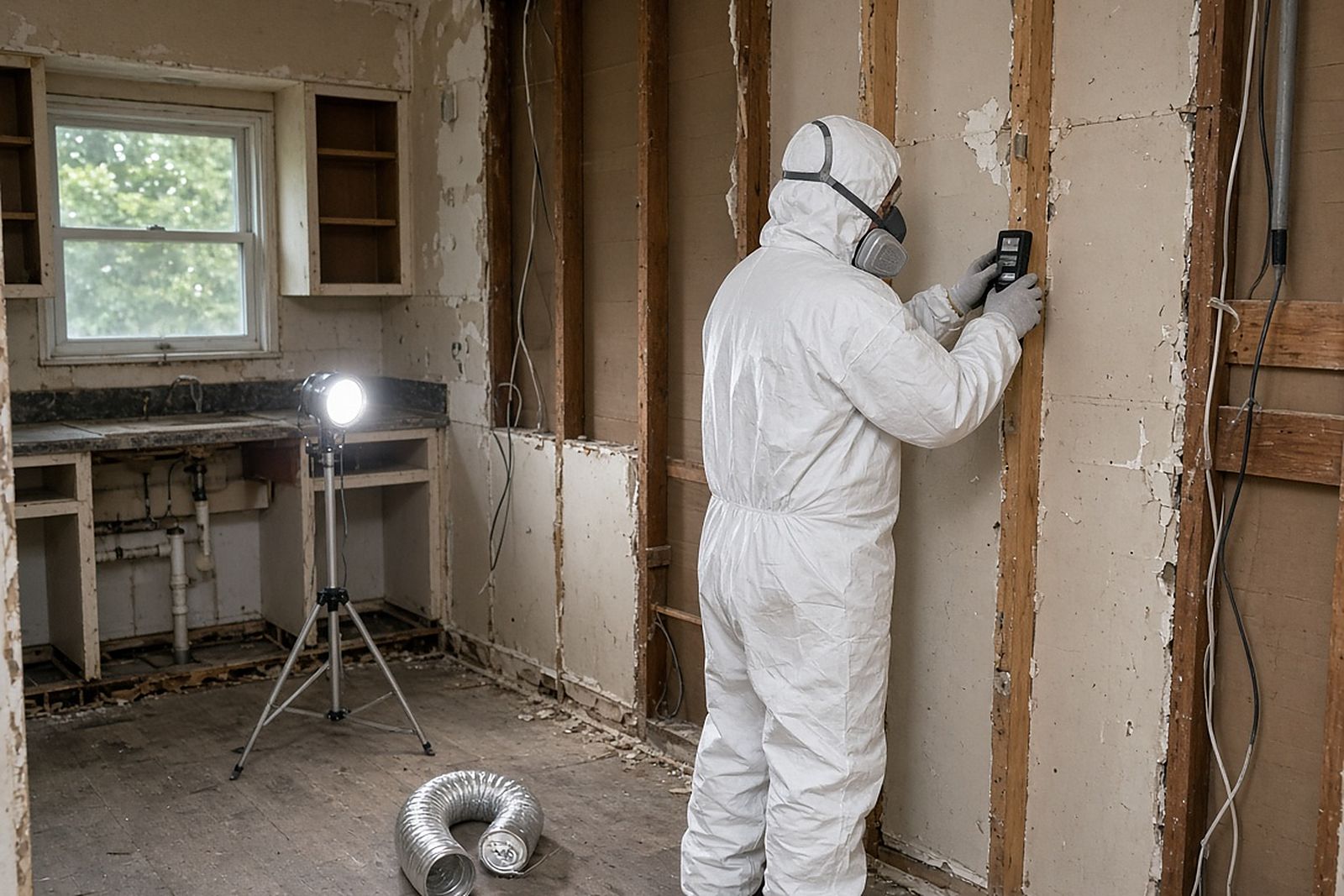 The Science Behind Meth Lab CleanupMeth lab cleanup rests on a simple chemical fact: methamphetamine and production byproducts deposit on and soak into indoor surfaces, where they persist far longer than most people expect. Remediation measures that residue with wipe samples, removes it through HEPA vacuuming, repeated detergent washing and removal of porous materials, and then confirms the result against a numeric state or program limit.
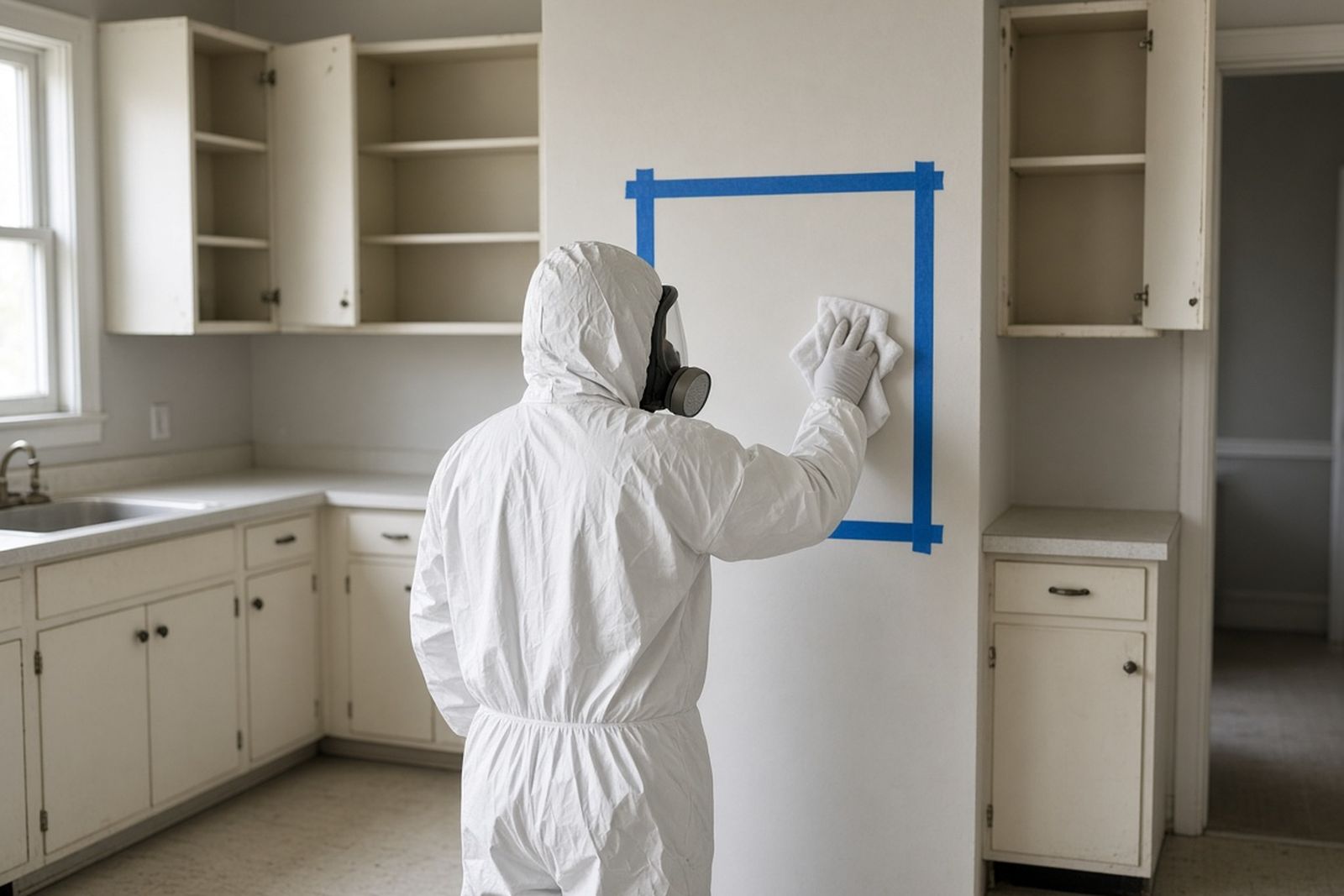 DIY vs Professional Meth Lab Cleanup: The Critical DifferencesDIY cleanup of a former meth lab is rarely a good idea. Residue is invisible, soaks into porous materials and can only be confirmed gone through laboratory testing, and many jurisdictions require certified contractors, approved work plans and independent clearance sampling. Owners can help by securing the property, avoiding disturbance, arranging testing and handling paperwork, while trained crews do the remediation itself.What Drives Meth Lab Cleanup Cost?Meth lab cleanup cost is shaped by how contaminated the property is, the clearance standard your state applies, whether surfaces can be washed or must be removed, how far residue traveled through the HVAC system, and how many rounds of sampling are needed to prove the property is clean. Separate assessment, remediation and clearance testing in every estimate so you can compare them fairly.
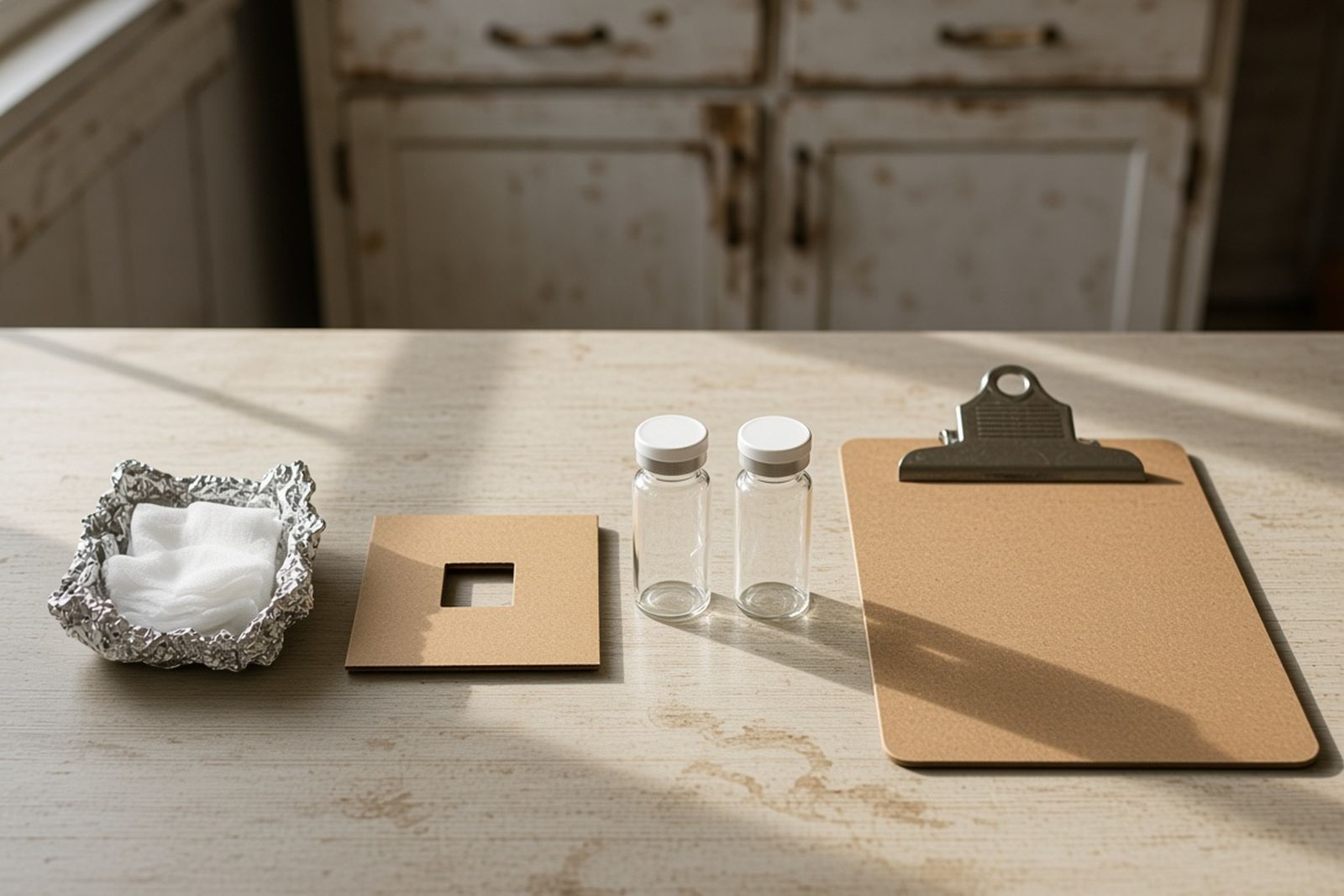 How to Research Waste Rules for Meth Lab CleanupResearch meth lab waste in two phases. Bulk chemicals and lab equipment are usually removed by law enforcement and its hazardous waste contractors before remediation. Remediation waste, such as carpet, drywall, ductwork, PPE and wash water, is then governed by your state's meth program, solid waste rules and local wastewater limits. Check each stream with the state program, landfill and sewer utility, and keep disposal records.The Difference Between Cleaning and Disinfection in Meth Lab CleanupIn meth lab cleanup, disinfection is usually not the main goal, because methamphetamine residue is a chemical rather than a living microorganism. A germ-killing product leaves meth molecules right where they were. What matters is cleaning: HEPA vacuuming, repeated detergent washing and removal of porous materials, confirmed by laboratory wipe sampling. Disinfection becomes relevant only when a property also has biological hazards such as needles or bodily fluids.How to Evaluate Technology Used in Meth Lab CleanupEvaluate meth cleanup technology by asking whether it helps measure residue, remove it or contain it, and whether the result can be verified with laboratory wipe samples against the applicable limit. Accredited lab analysis, HEPA filtration, negative air and proper duct cleaning tools have clear roles. Be skeptical of sprays, foggers or machines claiming to neutralize residue without physical cleaning or clearance testing.