Short answer
Meth lab cleanup rests on a simple chemical fact: methamphetamine and production byproducts deposit on and soak into indoor surfaces, where they persist far longer than most people expect. Remediation measures that residue with wipe samples, removes it through HEPA vacuuming, repeated detergent washing and removal of porous materials, and then confirms the result against a numeric state or program limit.
How residue ends up on walls, floors and ceilings
When methamphetamine is manufactured indoors, the process heats and mixes chemicals in ways that release vapors and aerosols. Those vapors travel through the air, cool and settle onto whatever surfaces they reach. Smoking the drug also releases it into the air, though usually in smaller quantities than a cook.
The result is a thin, invisible film spread across ceilings, walls, countertops, window coverings and the inside of heating and cooling ducts. Heavier deposits tend to collect near the area where cooking took place, but air movement carries residue into other rooms, closets and even neighboring units that share ventilation.
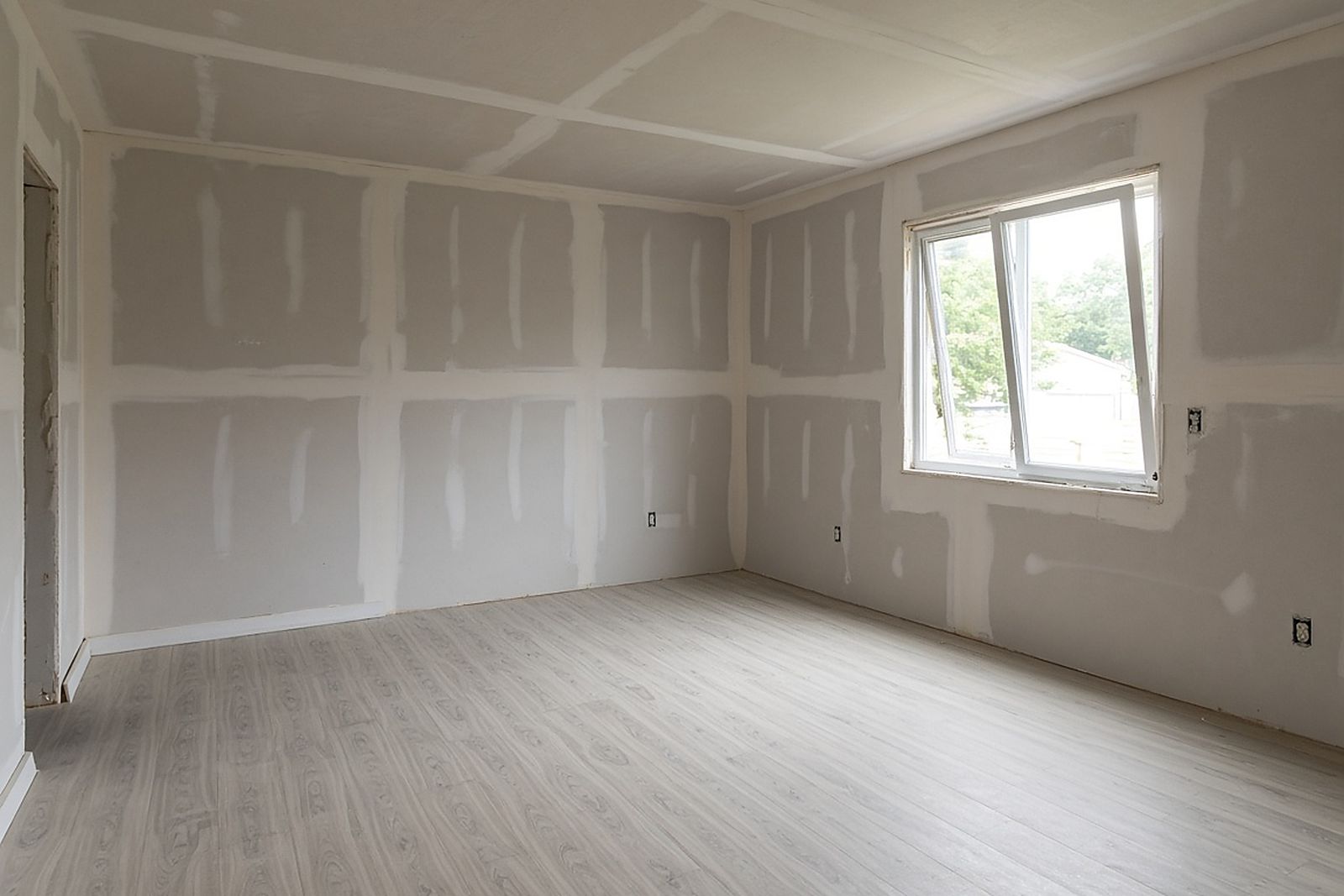
Because the film is usually invisible, a property can look perfectly normal after a lab has been removed. The chemistry is the problem, not the appearance, which is why testing rather than a visual walkthrough drives every decision in this work.
Why doesn't the residue simply fade over time?
Methamphetamine is a fairly stable compound indoors. Sunlight, heat and weather that might break down chemicals outdoors are mostly absent inside a closed home. The drug binds to surfaces and migrates into porous materials such as drywall paper, paint layers, carpet fibers, insulation and unfinished wood.
Porous materials act as reservoirs. Residue that soaked in can move back to the surface over time, especially when humidity changes or when the material is handled. That behavior explains why a wall may test acceptably right after a quick wipe-down and then test higher weeks later.
Ordinary household cleaning does not address this reservoir effect. Mopping and wiping may reduce what sits on top, but they do not reach what has moved into the material. Professional remediation assumes the reservoirs exist and plans for them.
Temperature swings and timing
Temperature swings add another wrinkle. A vacant house that sits cold through winter and then heats up in spring can see residue behave differently than it did at the first test. Samplers take the conditions at the time of sampling into account, and many prefer that the building be at normal living temperature when clearance wipes are collected.
Byproducts besides the drug itself
Manufacturing involves solvents, acids, bases, reactive metals and other precursor chemicals. Some are volatile and dissipate, but others leave stains, corrosion or residues of their own. Staining around sinks, drains and floors, etched fixtures and discolored walls are common signs of chemical use.
Plumbing is a frequent concern. People running a lab sometimes pour waste down sinks, tubs or toilets, and residues can remain in traps and drain lines. Septic systems and soil outside a property may also be affected in some cases, which can bring environmental regulators into the process.
Bulk materials and corroded fixtures
Bulk hazardous materials such as containers, glassware and chemical waste are normally removed by law enforcement or a hazardous materials contractor before remediation begins. The cleanup contractor deals with the contamination left in the building after those items are gone.
Some of these byproducts are corrosive enough to damage metal fixtures, electrical boxes and appliance parts. A stained or pitted surface that will not come clean after washing is often a candidate for replacement, since the damage can trap residue in the same way a porous material does.
How contamination is measured
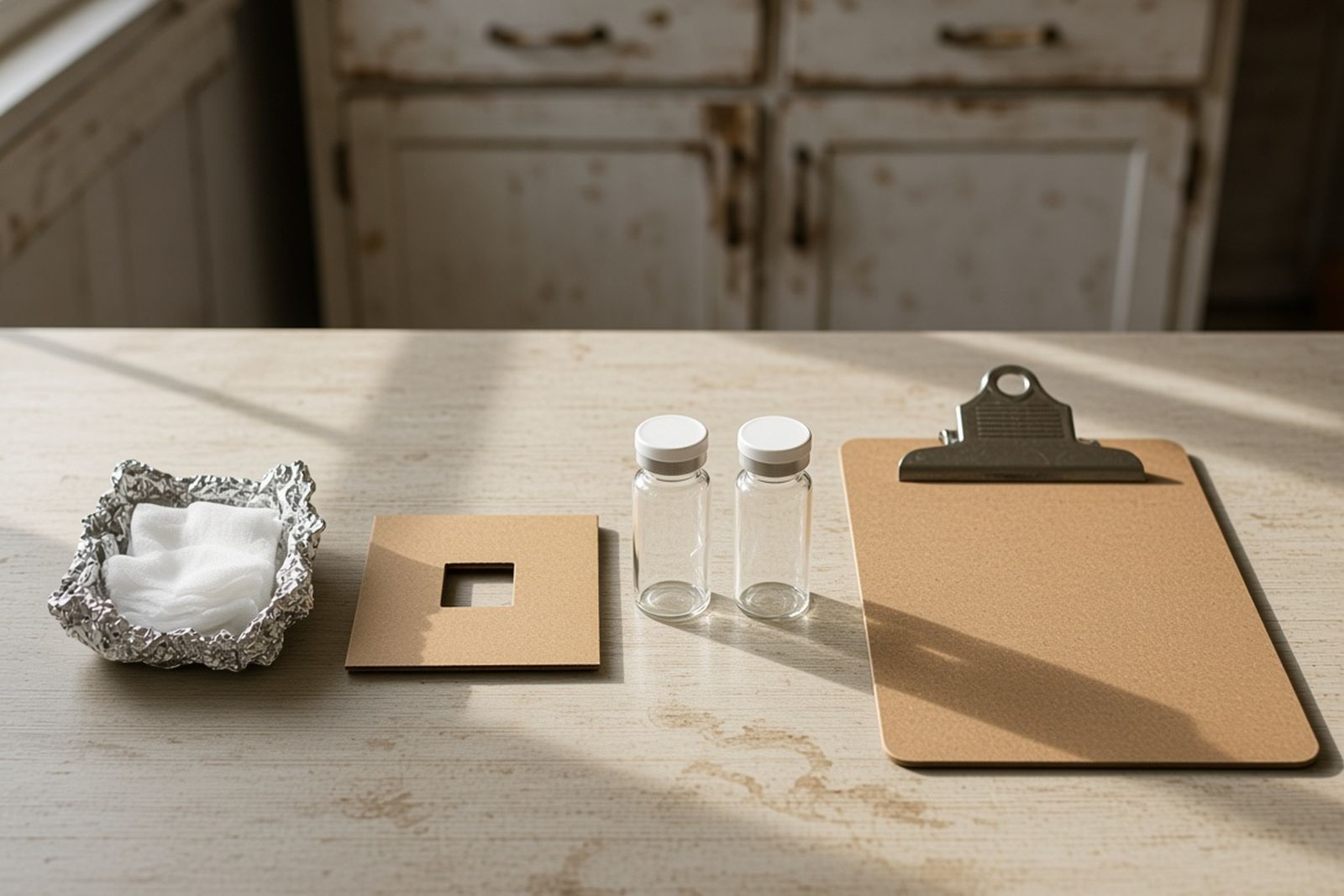
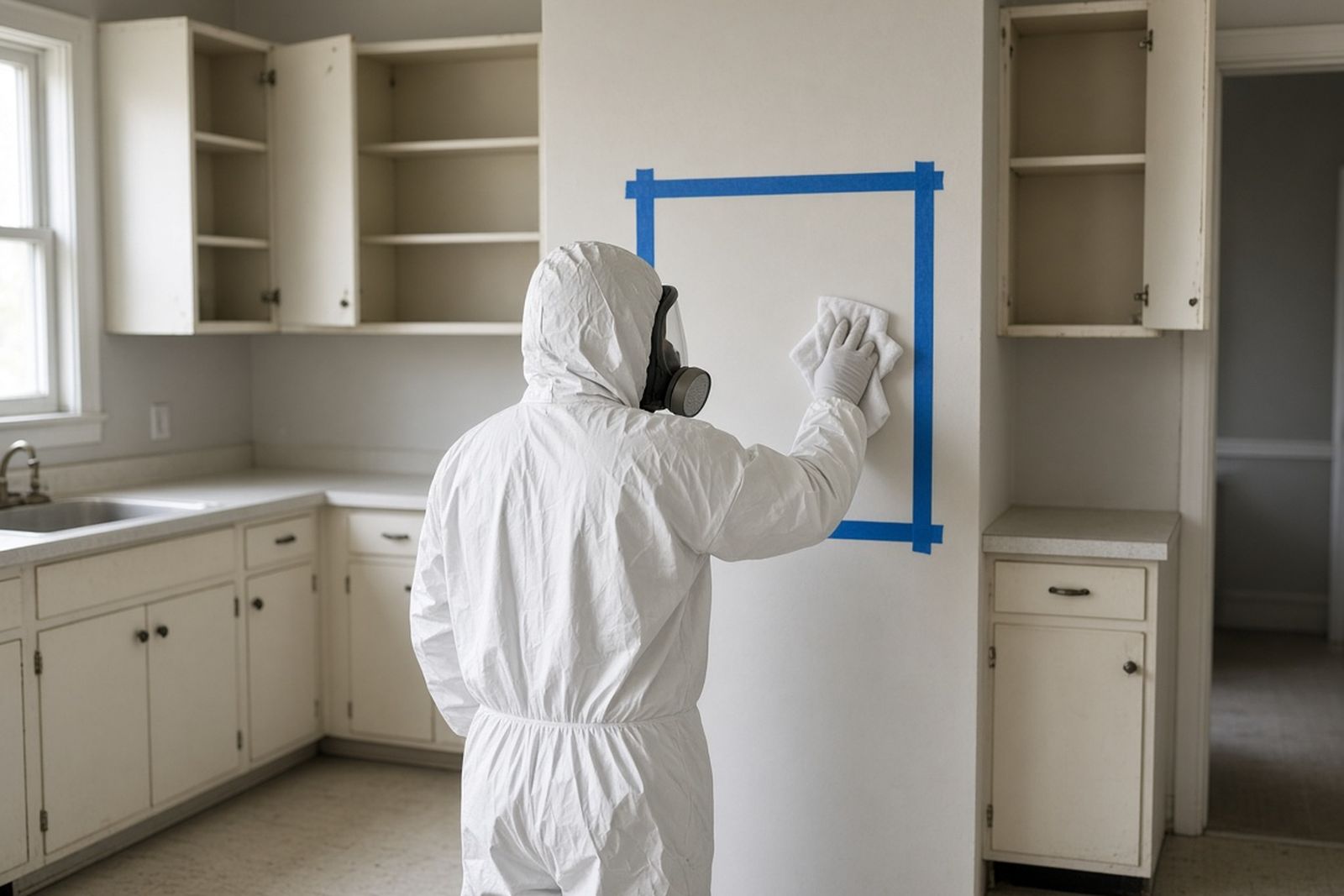
Measurement relies on surface wipe sampling. A trained sampler wipes a defined area with a gauze pad moistened with a solvent, following a template so that the area is consistent. The sample is sealed, documented on a chain-of-custody form and sent to an accredited laboratory.
The lab reports the mass of methamphetamine per surface area, commonly micrograms per 100 square centimeters. That number is then compared with the limit that applies where the property sits. Per a NIOSH review of EPA data published in 2020, the most common state methamphetamine surface cleanup limit is 0.1 µg per 100 cm².
Some jurisdictions use composite samples, where several wipes from different spots are combined into one analysis, while others require discrete samples from specific surfaces. Each approach has tradeoffs between cost and detail. Your sampler should explain which method the governing rules require and why particular spots were chosen.
Your state or county drug-lab program decides which limit applies, who is qualified to sample and whether results must be reported to an agency.
Why the cleanup follows a specific order
Each remediation step is designed to reduce residue without spreading it. The logic moves from loose material to bound material, and from top to bottom so that washing a ceiling does not recontaminate a floor that has already been cleaned.
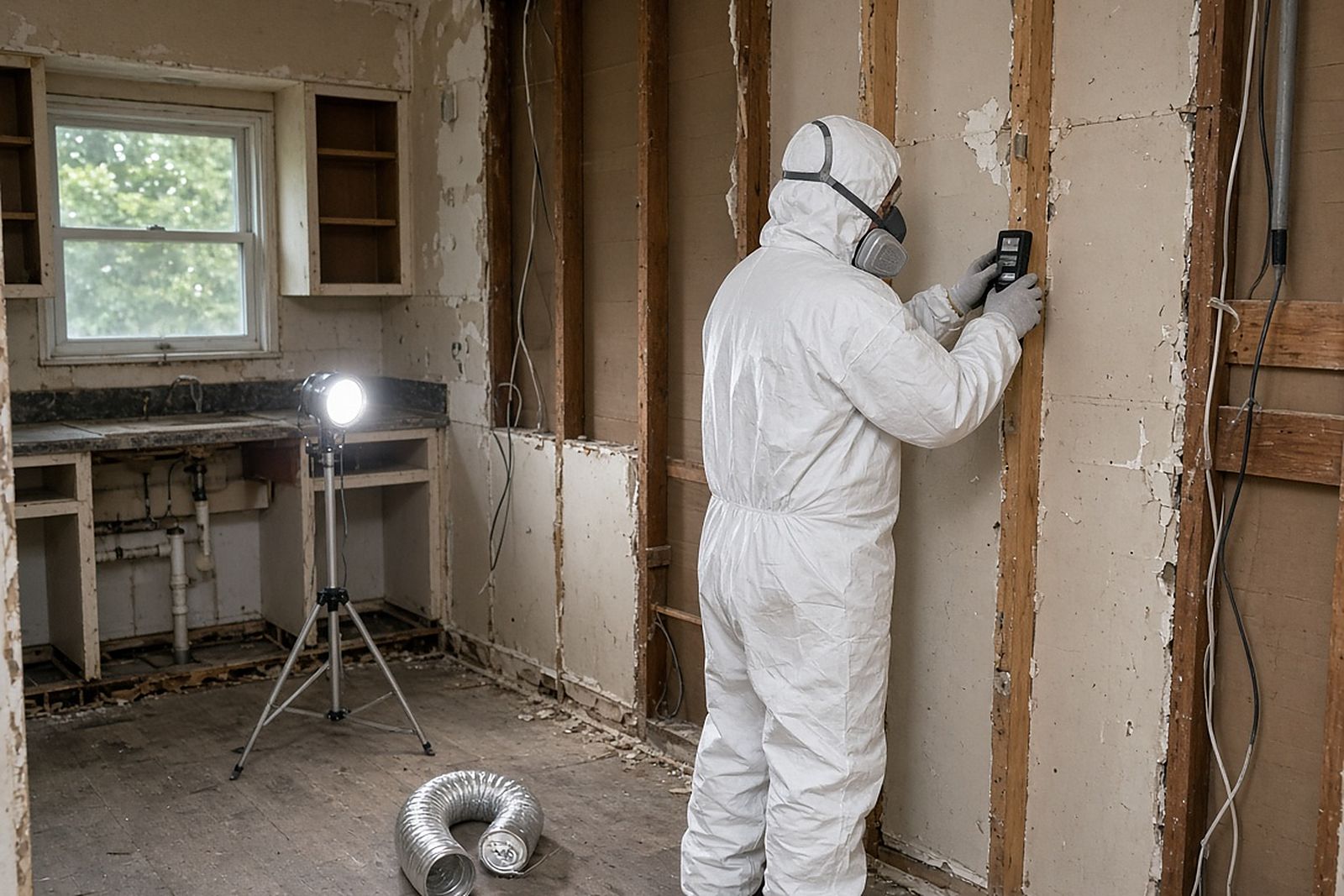
Crews also manage their own movement through the building. A defined entry, a decontamination area for removing suits and gloves, and negative air pressure in heavily affected rooms keep residue from riding out on clothing or drifting into rooms that have already been finished. These controls are less visible than washing, but they are part of the same chemical logic.
- HEPA vacuuming first captures loose particles and dust that carry residue, before water is introduced.
- Detergent washing then lifts residue from hard surfaces; multiple passes with clean water and fresh wipes keep residue from being moved around.
- Porous items that act as reservoirs, such as carpet, pad, insulation and heavily contaminated drywall, are removed rather than washed.
- HVAC components are cleaned or replaced, because ducts can redistribute residue every time the system runs.
- Plumbing traps and fixtures are addressed where waste may have been poured.
- Encapsulation, where permitted, is applied only after cleaning to seal surfaces as an extra layer of protection.
Why do health agencies care about such small amounts?
The numbers involved are tiny, which can make the concern seem exaggerated. The worry is chronic, low-level exposure, especially for young children who crawl on floors, touch walls and put their hands in their mouths. Their small body size and behavior can lead to higher exposure relative to adults living in the same space.
A case described in CDC's MMWR in 2016 shows what that can look like. A family of five living in a former meth lab in Victoria, Australia had methamphetamine surface levels of 11.7–26.0 µg/100 cm² in the home, versus the 0.5 µg guideline. The report described adverse health effects among family members that investigators associated with living in the home.
What is still debated
The science on long-term effects at lower levels is still developing, and researchers continue to debate where limits should be set. What most agencies agree on is that measurement, cleaning to a defined standard and documenting the result is a reasonable way to protect future occupants.
Clearance testing closes the loop
Clearance sampling applies the same measurement science at the end of the job. Wipes are taken from cleaned surfaces, analyzed and compared with the applicable limit. Passing results are the evidence that the chemistry has actually changed, not just the appearance.
In many places, the clearance sampler must be independent of the contractor who did the cleaning, which removes any incentive to overlook a borderline result. Failed areas are recleaned or removed and resampled until they pass.
Keep every lab report and chain-of-custody form. They are the scientific record that the property has been restored, and they may be requested by buyers, lenders, insurers or regulators long after the work is finished.
What to take away if you own or rent an affected property
Treat suspected contamination as a question that only testing can answer. Avoid painting, sanding or ripping out materials on your own before sampling, since those actions can spread residue and make results harder to interpret. Keep people, and especially children, out of the space until you know more.
When choosing professionals, ask how they will measure contamination, which limit they are working toward, how they will handle ducts and plumbing, and who will perform clearance sampling. Clear answers to those questions are the best sign that a company understands the chemistry behind the work.
Finally, remember that the science is not static. Limits, sampling methods and health research continue to evolve, and a contractor who follows current guidance from your state program and federal references is better positioned than one relying on habits from years ago.