Short answer
ATP testing cannot tell you whether a former meth lab is clean, because it measures biological residue, not methamphetamine or lab chemicals. Clearance for meth contamination depends on surface wipe samples analyzed by an accredited laboratory and compared with the applicable state or local limit. ATP swabs may still help on separate biological problems, such as bodily fluids or animal waste found at the same property.
Why ATP comes up, and what it actually measures
ATP meters have become familiar in cleaning and restoration work. They are fast, portable and produce a number on the spot, which makes them appealing to property owners who want quick reassurance. Some contractors mention them in marketing for every type of cleanup, and that can leave the impression that one device checks everything.
For drug-lab properties, that impression is wrong. Understanding why protects you from paying for a test that cannot answer the question you actually have, which is whether the residue from manufacturing or smoking methamphetamine has been reduced to an acceptable level.
The confusion is understandable. Both kinds of testing involve swabbing a surface, and both produce numbers on a report. The difference lies in what the swab is analyzed for and where, and that difference decides whether the result can support a clearance decision.
Adenosine triphosphate is an energy molecule present in living cells. An ATP swab collects material from a surface, and a handheld luminometer reports how much ATP is present in relative light units. The reading reflects biological material such as food residue, body fluids, bacteria and mold.
Methamphetamine is a synthetic chemical, not a living thing. It does not contain ATP and does not trigger the reaction the meter depends on. The same is true for the solvents, acids, reactive metals and other chemicals associated with manufacturing. A wall coated in meth residue can produce a very low ATP reading, because the wall may be free of biological soil while still carrying a chemical film.
In practical terms, an ATP result tells you nothing about meth contamination in either direction. A low number is not reassurance, and a high number is not evidence of drug residue.
The testing that decides clearance, and where quick field tests fit
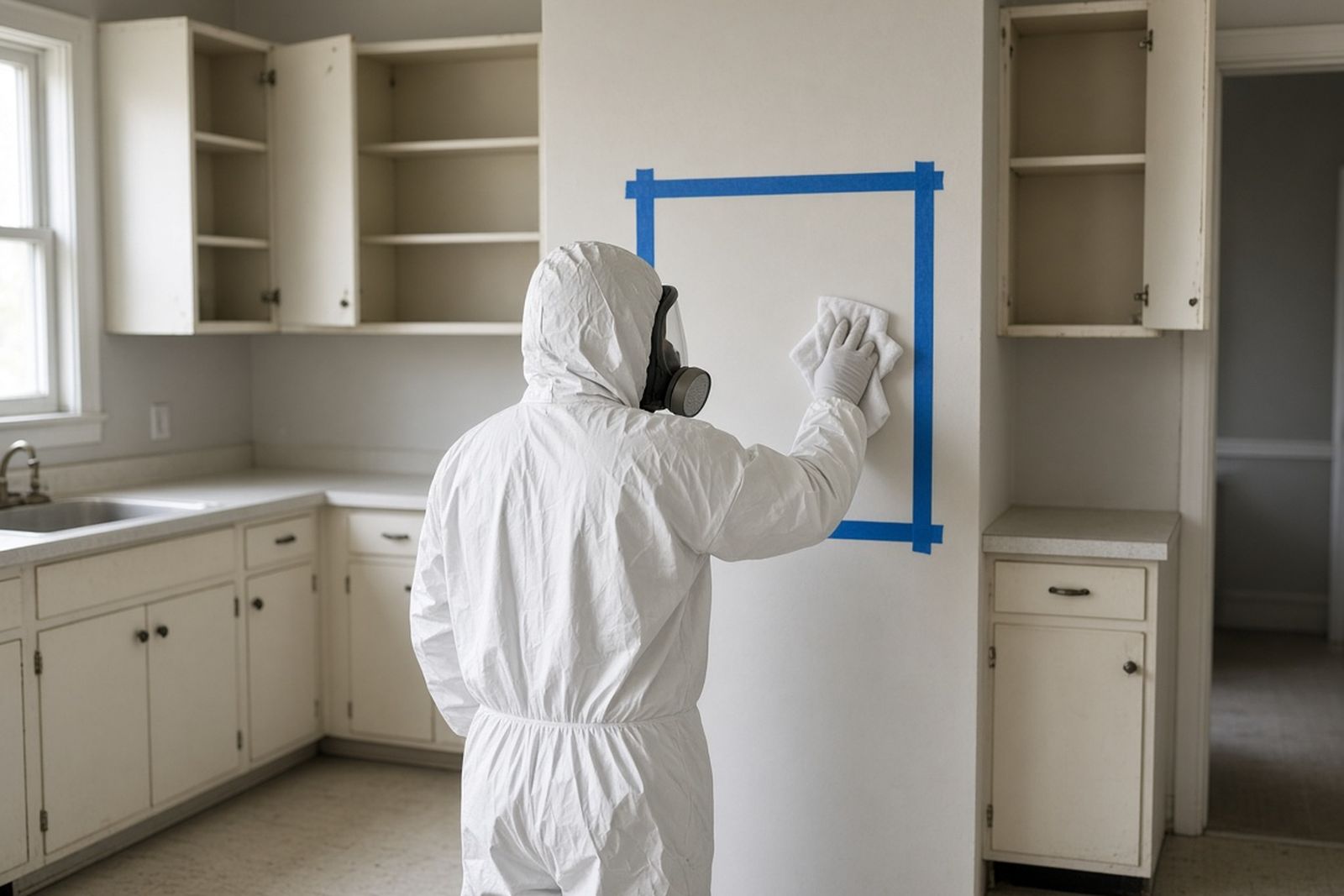
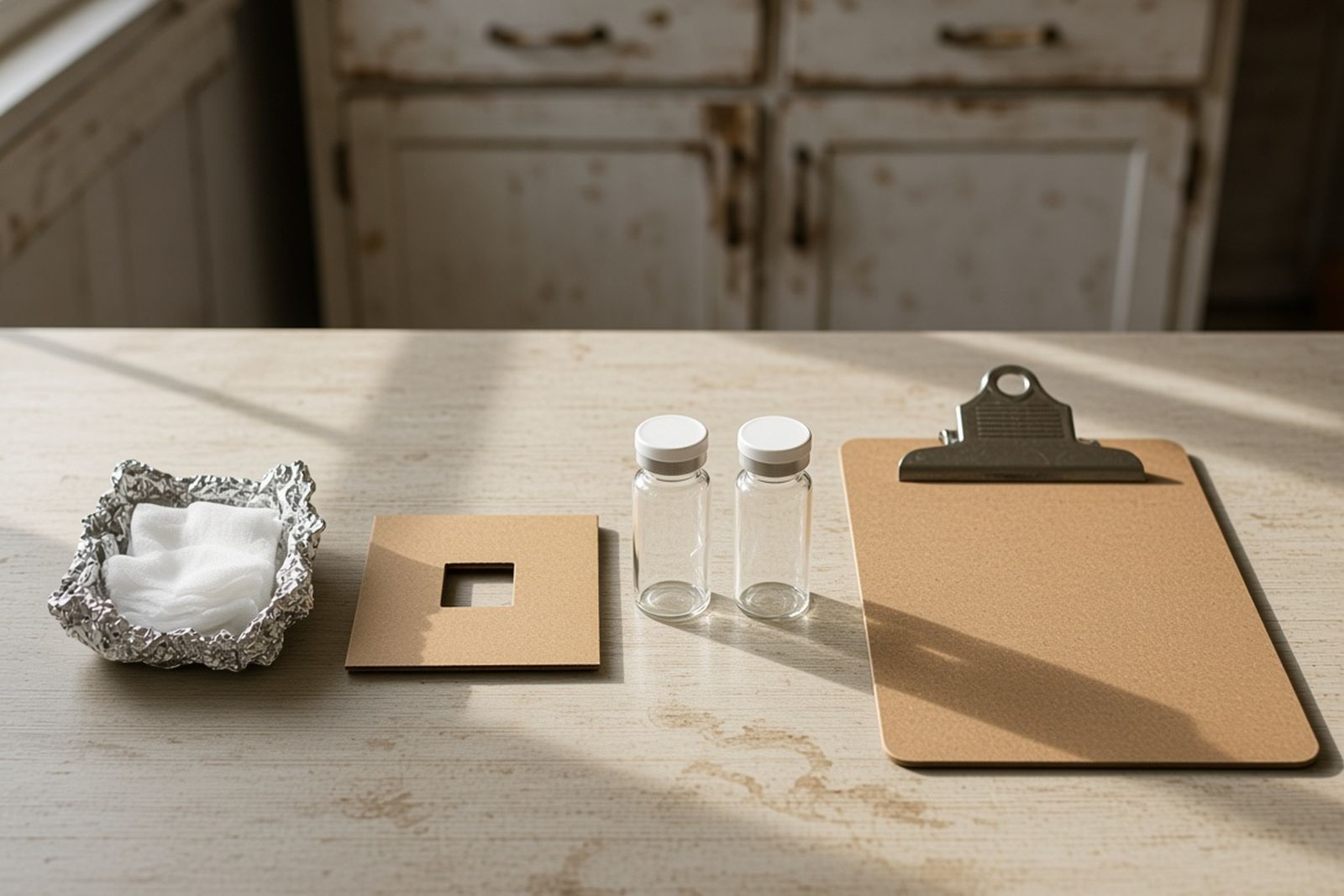
Meth contamination is measured with surface wipe sampling. A sampler wipes a measured area using a template and a solvent-moistened pad, seals the sample, completes a chain-of-custody form and sends it to an accredited laboratory. The lab reports the amount of methamphetamine per surface area.
That result is compared with the limit that governs the property. Limits are not uniform: states that set one use different numbers, and some states have none, which leaves owners to choose a recognized reference.
Your state or county drug-lab program can tell you which limit applies, who may collect samples and whether results must be filed with an agency. Some programs also require air sampling, testing for other chemicals or checks of septic systems in specific circumstances.
ATP meters are not the only rapid tools people encounter. Consumer screening kits and some field instruments are designed to react to methamphetamine itself, and they can be useful for a buyer who wants a first look at a property or a manager deciding whether to call a professional.
Screening is not the same as clearance, though. Many rapid kits give a yes-or-no or above-and-below answer at a fixed sensitivity, which may not line up with the limit your jurisdiction uses. They also do not come with the chain-of-custody documentation and accredited laboratory analysis that most programs expect before a property is released.
A sensible approach is to treat a positive screening result as a reason to hire a qualified sampler, and to treat a negative screening result with some caution if you have other reasons to suspect a lab or heavy use. Neither result should be the last word on a property that someone will live in.
When in doubt, ask your state or county program which methods it accepts for assessment and for clearance. Those two lists are sometimes different.
Are there situations where ATP testing still has a role at a drug-lab property?
Yes, but for separate problems that happen to share an address. Properties used for manufacturing or heavy drug use are sometimes also affected by biological hazards that ATP can help evaluate once the chemical side has been handled.
In these cases, ATP testing is a secondary check on biological cleaning, and it should be reported separately from meth sampling so no one confuses the two.
- Bathrooms or bedding areas with blood, vomit, urine or feces from occupants.
- Kitchens with long-spoiled food after an abrupt abandonment or arrest.
- Floors and corners soiled by pets or animals left behind.
- Areas where used needles and other sharps were found alongside bodily fluids.
- Rodent-affected rooms in properties left vacant for a long time.
The risk when ATP is offered as proof of meth cleanup
A contractor who presents ATP readings as evidence that a meth-affected home is clean is either misunderstanding the chemistry or hoping you will. Either way, you could end up with a property that still exceeds the applicable standard, no valid clearance documentation, and a problem that surfaces later when a buyer, lender, tenant or regulator asks for real results.
Residue does not fade on its own schedule. Researchers writing in the International Journal of Environmental Research and Public Health in 2019 described a home where meth was cooked that still had extremely high contamination more than five years after production stopped, even after years of later occupancy. A quick biological swab would have missed all of it.
If a bid lists ATP testing as the final verification step for meth work, ask directly how methamphetamine will be measured, which laboratory will analyze the samples and which limit the results will be compared with. If the answers are vague, look for another provider.
Worked illustration: an abandoned rental with two kinds of contamination
The rental described here is a made-up illustration, not a real property. A small-town landlord regains possession of a single-family rental after the tenant is arrested. Police reports indicate small-scale manufacturing in the garage and heavy smoking in the house. The tenant also left behind two cats, and the laundry room is soiled with animal waste.
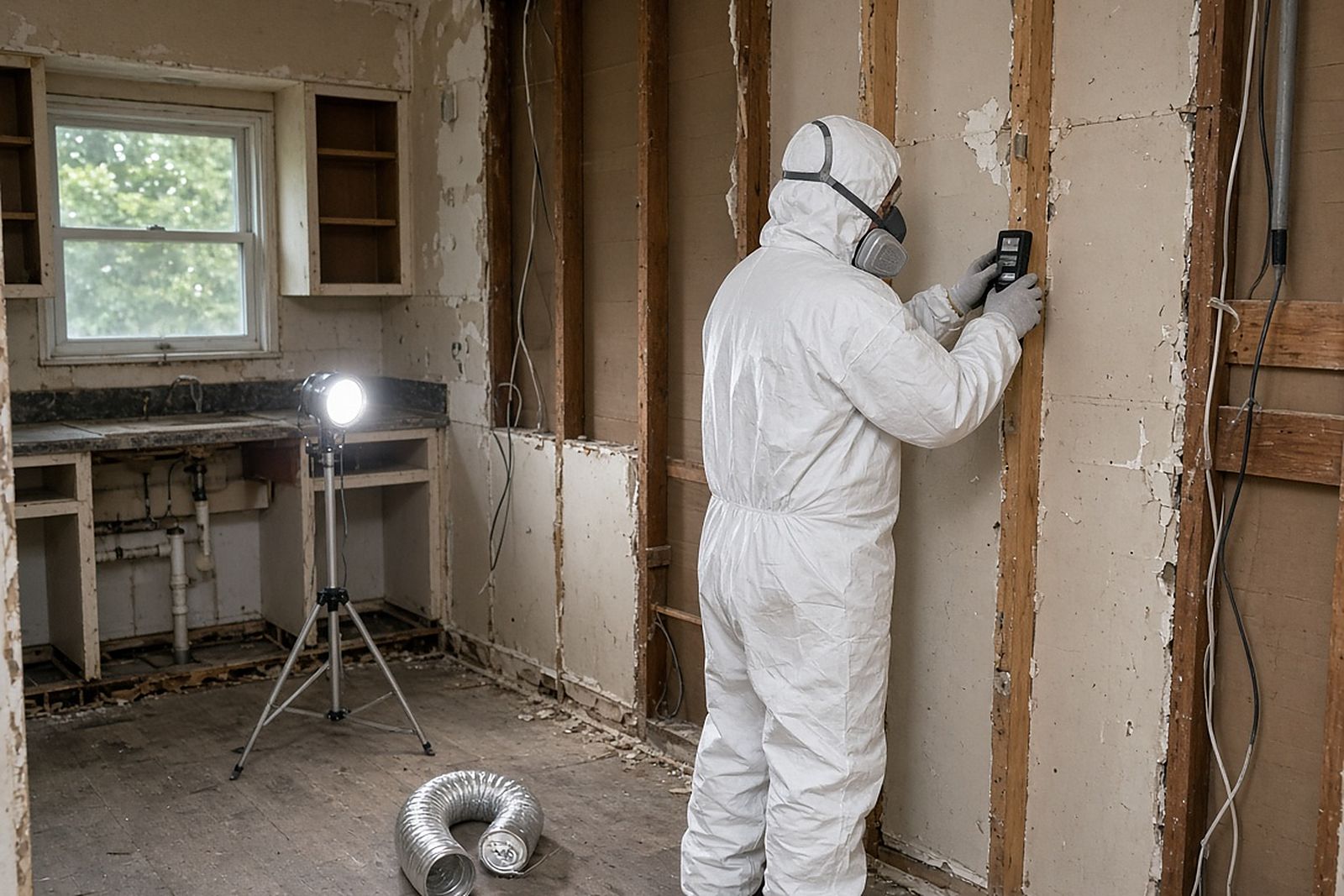
The landlord hires an independent sampler, who takes wipe samples from the garage, kitchen, bedrooms and HVAC registers. Results exceed the state limit in the garage and in two bedrooms. The remediation contractor removes carpet and garage drywall, HEPA vacuums and washes the remaining surfaces, cleans the ductwork and addresses the laundry room.
In the laundry room, the contractor also uses ATP swabs on the tile floor and utility sink before and after cleaning the animal waste, because that is a biological problem. The readings drop markedly after the second cleaning pass, and the contractor documents the disinfectant used.
Clearance for the meth contamination, however, comes only from the independent sampler's second round of wipe samples, analyzed by an accredited laboratory. The landlord's file contains two clearly labeled sections: laboratory methamphetamine results for the chemical cleanup, and ATP readings for the biological cleanup in the laundry room.
Reporting results clearly, and approving a testing plan
Ask for separate reports, or at least separate, clearly labeled sections. The meth sampling report should list each sample location, the area wiped, the laboratory result, the laboratory name and accreditation, the applicable limit and the chain-of-custody documentation.
Any ATP data should be labeled as a biological cleaning check, with the device model, locations and before and after readings. It should not appear on a certificate or letter describing the property as decontaminated from methamphetamine.
Clear labeling matters because documents travel. A real estate agent, appraiser or future tenant reading the file years later will not know the difference unless the report makes it obvious.
Start with the purpose of each test. For every sample or reading in the plan, the contractor or sampler should be able to say what it measures, why that location was chosen and what decision the result will drive.
Confirm who is collecting the clearance samples and whether that person is independent of the cleanup company, as some programs require. Ask how failed areas will be handled and whether resampling costs are included in the bid.
Finally, ask whether the testing plan addresses anything beyond methamphetamine, such as other drugs, lab chemicals, plumbing residues or biological hazards, and which method will be used for each. A plan that pairs the right tool with each question is worth more than one that relies on a single device for everything.