Short answer
When a contractor proposes equipment for meth lab cleanup, check that it supports the three things that matter: measuring residue with proper wipe sampling and chain of custody, removing it with HEPA vacuums, detergent washing and containment, and protecting workers with respirators and chemical-resistant suits. Encapsulants and odor tools should come after cleaning, never instead of it, and every item should fit your state's program.
What the equipment list tells you
Methamphetamine residue is invisible, so you cannot judge the quality of a cleanup by looking at the finished rooms. What you can judge is the plan. The equipment a contractor proposes shows whether they intend to measure contamination, remove it methodically and prove the result.
Proposals vary widely. Some read like a detailed engineering plan. Others list a few cleaning products and a paint sprayer. Understanding what each type of equipment does helps you tell the difference between a remediation plan and a cosmetic refresh.
The goal of this guide is not to make you a remediation expert. It is to help you ask pointed questions and recognize answers that make sense.
Keep in mind that a longer list is not automatically a better one. Some contractors pad proposals with machines that sound advanced but do little for methamphetamine residue specifically. The useful test is whether you can trace each item to one of three purposes: measuring, removing or protecting. Anything that fits none of those deserves a question.
Sampling equipment that belongs in the plan
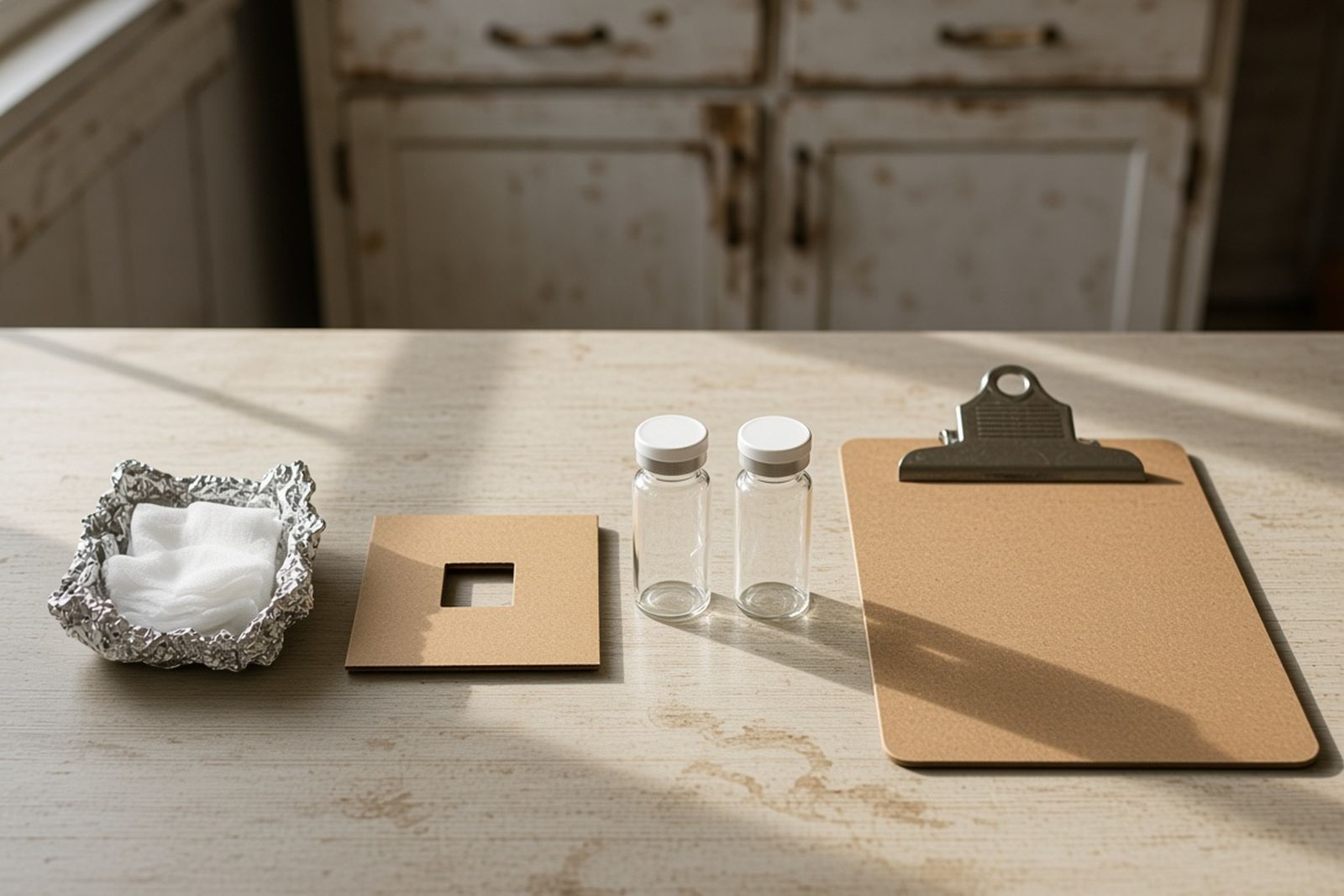
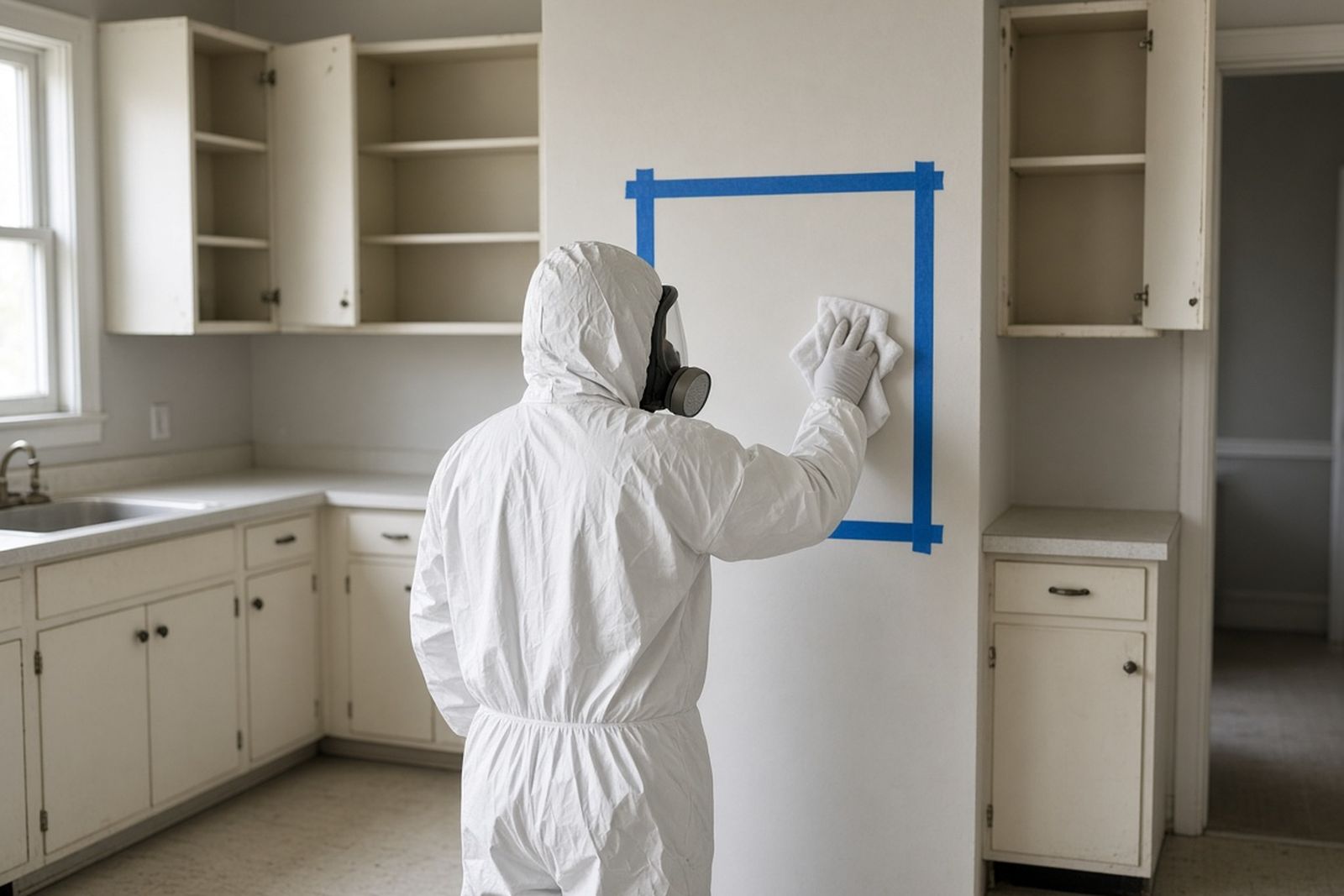
Sampling is the foundation of meth remediation. Before and after the work, a qualified person collects wipe samples to measure residue. The equipment for this is modest but specific.
- Sterile gauze or wipe media and a solvent specified by the laboratory or governing program.
- Templates that mark out a precise surface area for each wipe.
- Clean, new gloves changed between every sample to prevent cross-contamination.
- Sealed sample containers with labels identifying location and time.
- Chain-of-custody forms documenting who collected, handled and received each sample.
- Field blanks, where the program requires them, to confirm that the materials themselves were not contaminated.
How do you know sampling will be done properly?
Ask who will collect samples and what qualifies them. Many state programs require a certified or approved sampler, and some require the clearance sampler to be independent of the cleanup contractor. Ask which laboratory will analyze the wipes and whether it is accredited for this analysis.
Ask how sample locations will be chosen. A good plan targets surfaces likely to hold residue, such as areas near suspected cooking locations, high-touch surfaces, HVAC registers and places where children spend time. It should also cover each room or area the program requires.
Limits matter because they determine what counts as clean. The Ohio Department of Health reported in 2016 that as of March 2013, 25 states required or recommended that former meth labs be cleaned to standards ranging from 0.05 to 1.5 µg of methamphetamine per 100 cm². A contractor should tell you exactly which standard your property must meet and why.
Your state drug-lab program, or the county health department where there is no state program, can confirm which sampling method, limit and qualifications apply to your property.
Removal and cleaning equipment
Once contamination is mapped, the crew uses equipment designed to capture and remove residue without spreading it. HEPA vacuums come first, because they collect fine dust and particles that carry residue. Ordinary shop vacuums can blow fine particles back into the air and are not a substitute.
Detergent washing systems follow. These can be as simple as buckets, sponges and clean rinse water, used in multiple passes and changed often, or as complex as low-pressure washing systems. What matters is that the method removes residue rather than moving it around. Ask how many washing passes the plan includes and how often wash water and wipes will be replaced.
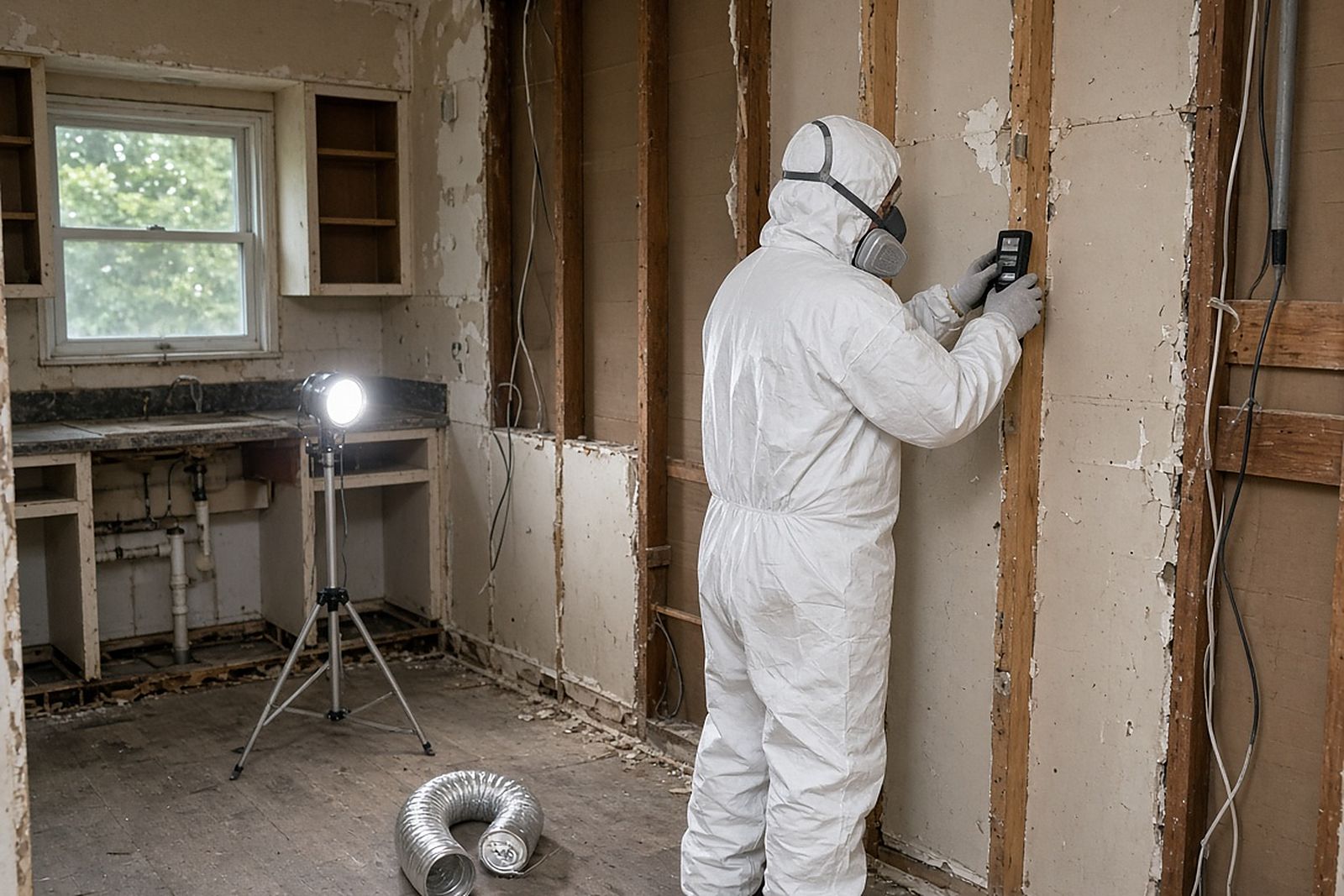
Demolition tools are part of the kit too. Carpet, pad, insulation, heavily contaminated drywall, cabinetry and some fixtures may be removed. Crews should have tools to cut and bag these materials in the work zone rather than dragging them through clean areas.
Pay attention to how the plan treats the order of rooms. Working from the least contaminated areas toward the most contaminated, and from ceilings down to floors, keeps clean surfaces from being recontaminated by dust or drips. A contractor who can describe that sequence without looking at notes has likely done it many times.
Waste handling equipment belongs here too. Heavy-duty bags, lined containers and a plan for where removed materials will be staged before disposal keep contaminated debris from sitting in a driveway or garage where others might handle it.
Containment, negative air and crew protection
Containment keeps residue from spreading during the work. Plastic sheeting over doorways and vents, zipper doors and sealed openings define the work area. A decontamination zone near the exit gives workers a place to remove protective gear before leaving.
Negative air machines, which exhaust HEPA-filtered air from the contained area, keep the air pressure in the work zone slightly lower than in surrounding spaces. That way, if there is a small gap in containment, air flows into the work zone rather than out of it. This is especially important in attached housing such as duplexes, townhomes and apartments.
Ask whether the plan includes containment and negative air, and if not, why not. A lightly contaminated single-family home may not need the same setup as a heavily contaminated unit sharing walls with neighbors.
Workers in a former lab may be exposed to methamphetamine residue, solvents, corrosive residues and other chemicals. Protective equipment should reflect that mixture of hazards.
Expect to see air-purifying respirators with cartridges appropriate for particulates and organic vapors, or supplied-air equipment in extreme cases. Chemical-resistant disposable suits, gloves and boot covers should be standard. Eye and face protection guards against splashes during washing.
Ask whether workers have been trained and fit-tested for their respirators and whether the company has a written respiratory protection program. These are signs that protective equipment is part of a real safety system, not just something worn for photographs.
Protection also applies to the tools. Vacuums, extension cords, ladders and buckets that enter the work zone either stay there until the end of the job or are cleaned before they leave. Otherwise, the next property the crew visits inherits a bit of yours.
Where do encapsulants, paint and odor equipment fit in?
Encapsulants are coatings applied to seal surfaces. Some programs allow or require encapsulation after cleaning and sampling, as an extra barrier against any remaining residue. They are not a substitute for cleaning.
If a proposal relies heavily on paint or sealant and lightly on vacuuming and washing, ask how the contractor expects the property to pass clearance. Painting over residue can make stains and odors disappear while leaving contamination in place, and it can make later testing harder to interpret.
Odor equipment such as air scrubbers or hydroxyl generators may help with lingering chemical smells after cleaning. Ozone generators require an unoccupied space and careful ventilation. In every case, odor tools should follow source removal, not replace it.
Ask for the product name of any encapsulant and whether it is compatible with the paint or finish that will be applied during rebuilding. Mismatched coatings can peel, which exposes the surface beneath and undermines the reason the encapsulant was used in the first place.
Reviewing two proposals for one rental house
Here is how a review might play out, using an illustrative rental house rather than a real one. An investor buys a rental house and learns during due diligence that it was once used as a small lab. Preliminary sampling shows residue above the state limit in the kitchen, living room and hall closet.
The first contractor's proposal lists a pressure washer, a general-purpose cleaner, primer and paint for every room. It does not mention HEPA vacuums, containment, respirators beyond dust masks or who will perform clearance sampling.
The second proposal lists HEPA vacuuming of all surfaces, two detergent washes with clean rinse water, removal of living room carpet and closet drywall, containment with negative air in the kitchen, replacement of the furnace filter and cleaning of accessible ducts, respirators with appropriate cartridges and chemical-resistant suits, encapsulation of cleaned surfaces where allowed and independent clearance sampling.
The investor chooses the second contractor. After work, clearance samples pass and the investor files the report with the state program. The house is made up, but the difference between the two proposals is typical of what owners encounter.
Eight questions before approving the equipment plan
Use this list as a quick checklist when reviewing any meth cleanup proposal.
- Who will collect preliminary and clearance samples, and are they independent where required?
- Which laboratory will analyze samples, and which standard will results be compared against?
- Will you use HEPA vacuums before washing, and how many washing passes are included?
- Which materials will be removed, and how will they be bagged and disposed of?
- Will you use containment and negative air, especially in attached housing?
- What respirators and suits will workers wear, and are they fit-tested?
- How will the HVAC system and plumbing be addressed?
- Will encapsulation be used, and only after cleaning and sampling?