Short answer
Evaluate meth cleanup technology by asking whether it helps measure residue, remove it or contain it, and whether the result can be verified with laboratory wipe samples against the applicable limit. Accredited lab analysis, HEPA filtration, negative air and proper duct cleaning tools have clear roles. Be skeptical of sprays, foggers or machines claiming to neutralize residue without physical cleaning or clearance testing.
Three jobs for any tool: measure, remove, contain
Every former lab or heavy-use property poses the same three questions. How much residue is there, and where? How do you remove it without spreading it? How do you prove it is gone? Useful technology helps answer one of those questions better, faster or more safely.
Tools that do not connect to measurement, removal or containment deserve extra scrutiny. The residue is invisible, so it is easy to sell treatments whose results no one can see. The only reliable referee is a properly collected sample analyzed by a qualified laboratory and compared with the standard that governs the property.
It also helps to separate genuine innovation from rebranding. A HEPA vacuum with a new name is still a HEPA vacuum, and a detergent sold in a special drum is still a detergent. Paying extra for a label does not change the chemistry of the residue on your walls.
How has measurement technology changed what we know?
Laboratory analysis of wipe samples, usually by chromatography paired with mass spectrometry, allows labs to detect very small amounts of methamphetamine on a defined surface area. That sensitivity is what makes numeric cleanup standards possible in the first place.
Better measurement has also exposed how uneven contamination can be. Research by Wright and colleagues published in 2019 reported wall-wipe concentrations ranging from 0.54 to 110 micrograms per 100 square centimetres across the homes studied. A spread that wide is why a single sample from one wall cannot represent a whole house, and why sampling plans matter as much as lab equipment.
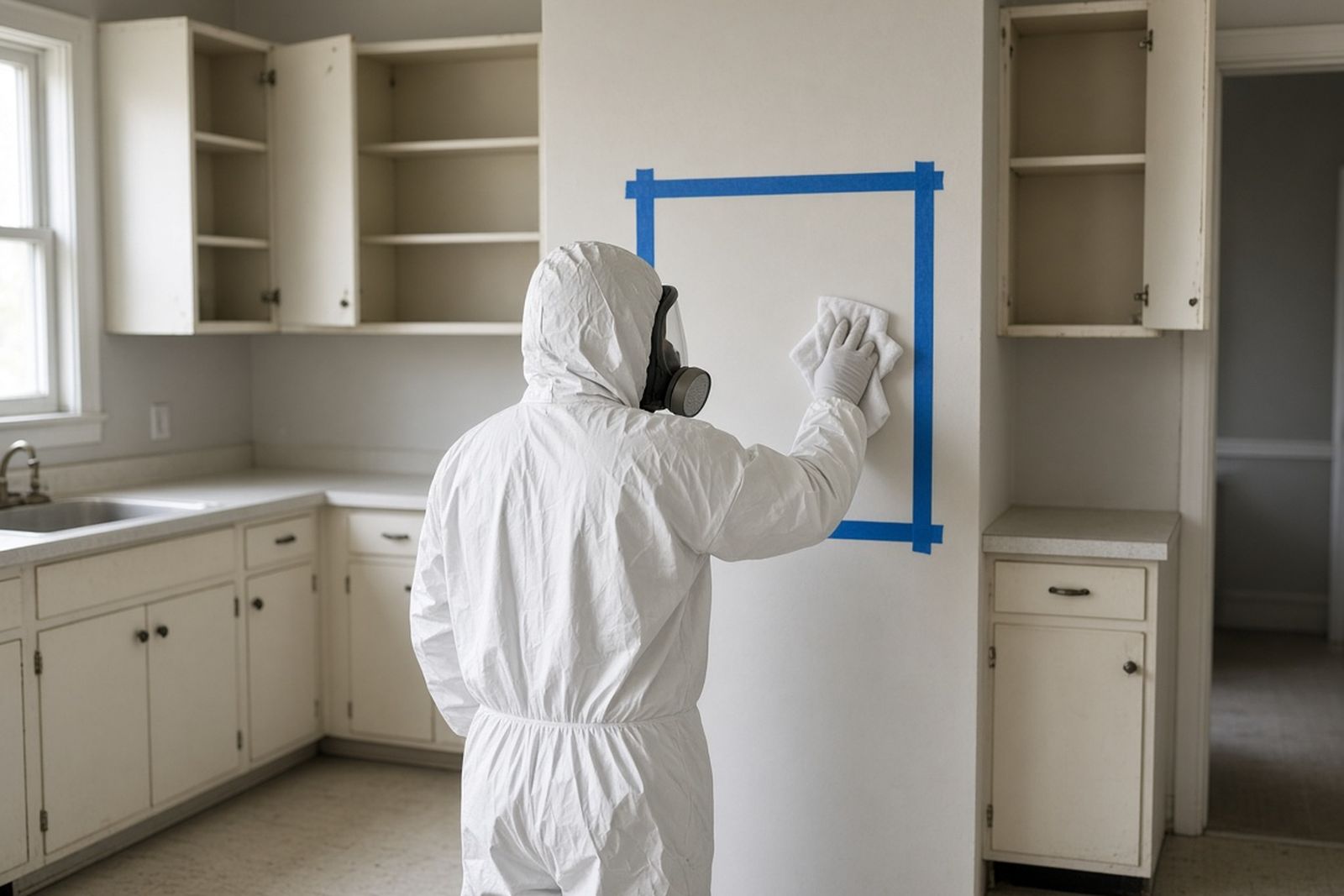
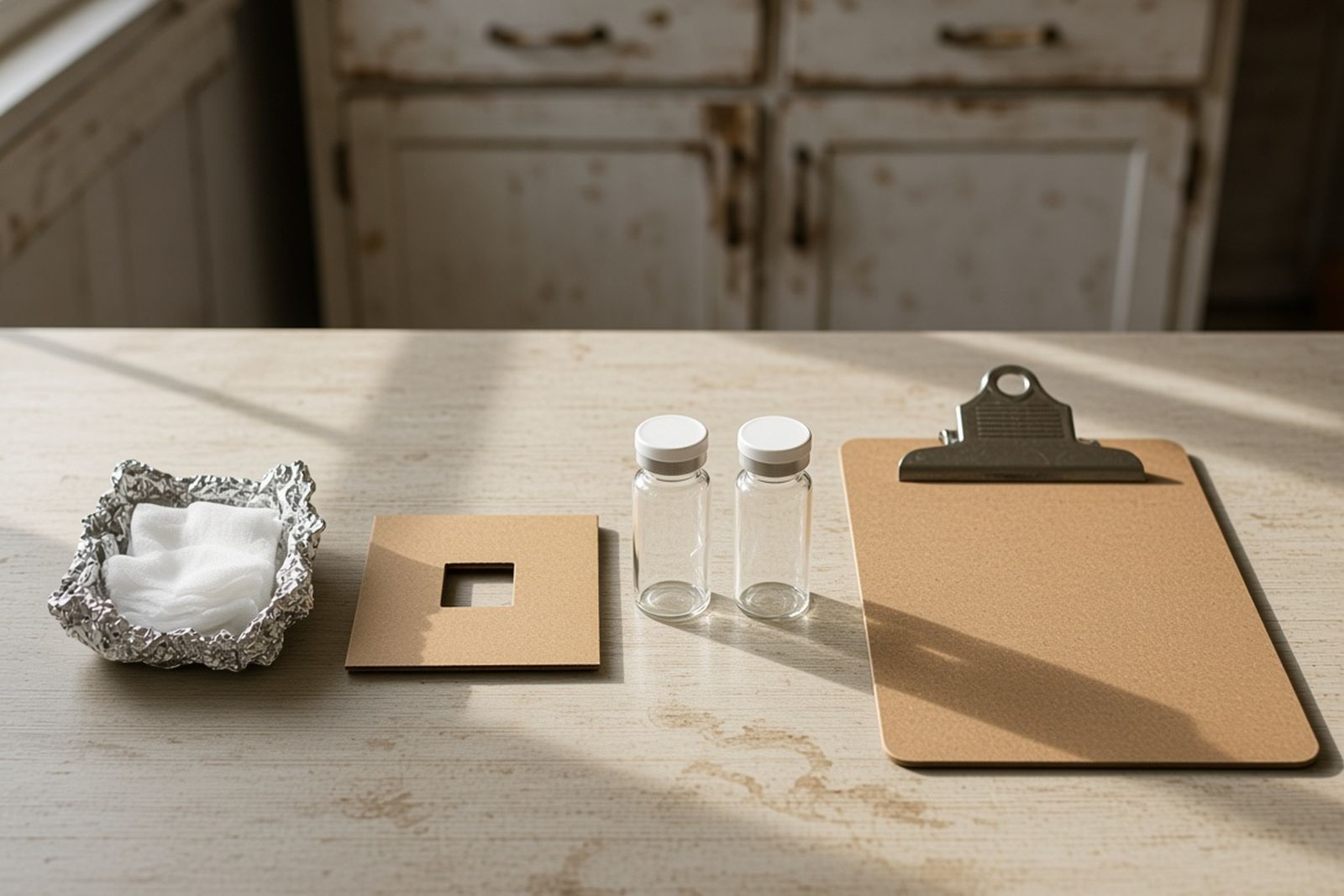
Measurement technology is only as good as the sampling around it. Templates, consistent wiping technique, clean handling, chain-of-custody forms and an accredited laboratory are what turn a sensitive instrument into a defensible result.
Air sampling
Air sampling is another measurement tool some programs use, particularly where manufacturing was recent or where occupants report odors. It answers a different question than surface wipes, namely what is in the air people breathe right now, and the two methods are sometimes used together. Ask your sampler whether air testing adds anything useful in your situation or is simply an extra charge.
Field screening kits and portable instruments
Rapid screening kits react to methamphetamine on a swab and give a quick indication of whether residue is present above a certain level. Some portable instruments can provide on-site readings. They are useful for deciding whether to investigate further or for checking progress during cleaning.
They are generally not a replacement for laboratory clearance sampling. Their sensitivity and thresholds may not match your local standard, and many programs do not accept them as final documentation. Your state or county drug-lab program can tell you which methods it accepts for assessment and which for clearance, since the two lists can differ.
A contractor who uses screening tools to guide the work and laboratory samples to confirm it is using the technology sensibly.
Screening kits during a home inspection
Buyers sometimes use screening kits during a home inspection. That can be a reasonable first step, but a negative screen in one room does not clear a whole property. If the seller's disclosure, the neighborhood or the inspector's observations suggest a history, commission full sampling before closing.
Removal and containment tools with a clear role
HEPA-filtered vacuums capture fine dust and particles that carry residue before any water is introduced. Standard shop vacuums can blow fine particles back into the air, so the distinction matters.
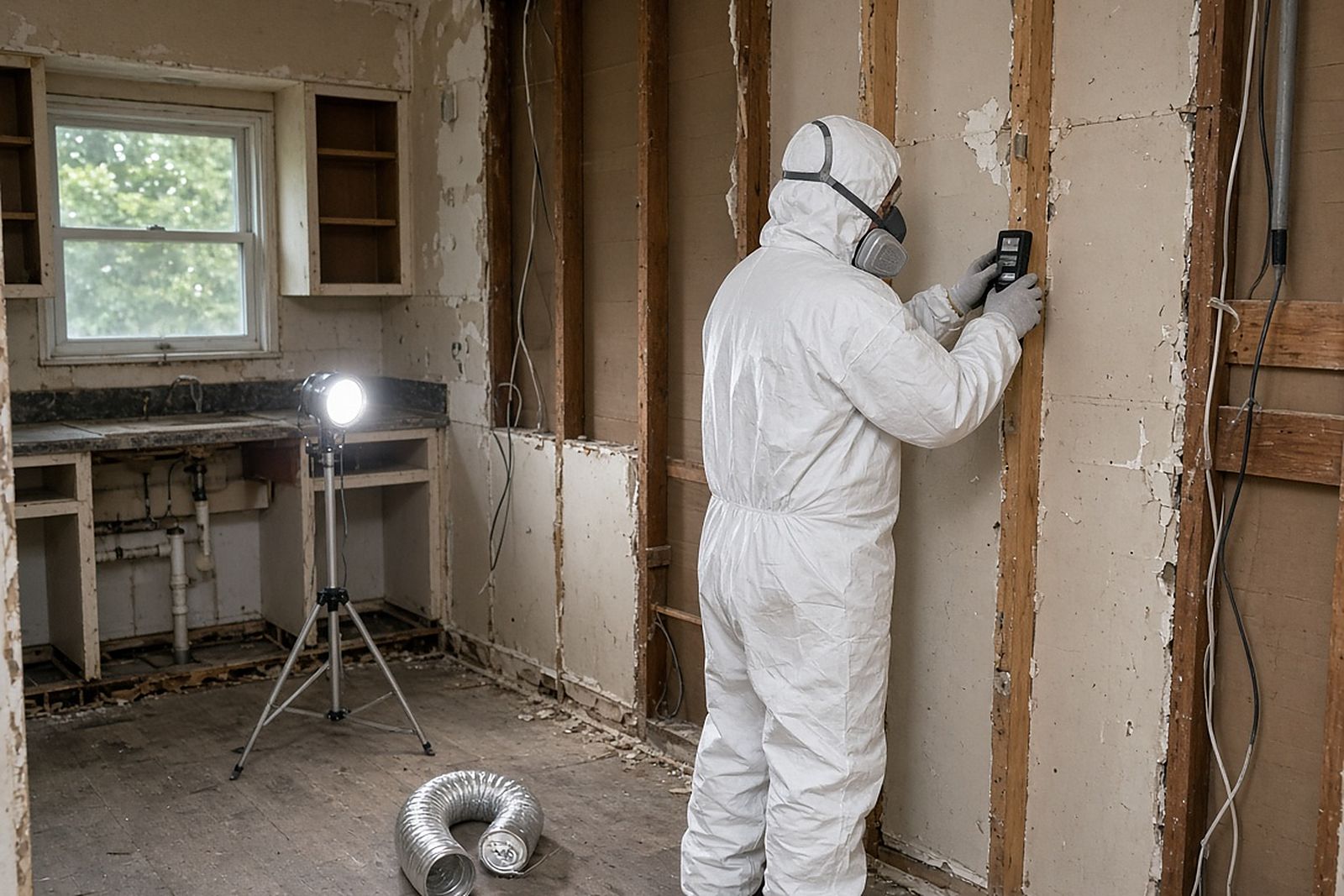
Negative air machines with HEPA filtration keep air flowing from clean areas toward work areas and exhaust it outdoors, which limits the spread of residue-laden dust during demolition and cleaning. Plastic sheeting, zipper doors and a defined decontamination area complete the containment.
Duct cleaning equipment, including brushes, air whips and in some cases small robotic cameras, can help clean rigid metal ductwork and show whether cleaning reached the full length of a run. Flexible or internally lined duct is harder to clean, and replacement is often the more reliable choice.
Detergent washing is not high technology, but it remains central. Repeated washing with appropriate cleaning solutions, fresh water and fresh wipes, working from top to bottom, is what physically removes residue from hard surfaces.
- HEPA vacuums for dust and loose particles.
- Negative air machines and containment barriers to control airflow.
- Duct cleaning tools and inspection cameras for rigid ductwork.
- Detergent solutions and systematic washing methods for hard surfaces.
- Encapsulants, where permitted, applied only after cleaning and sampling.
Should you trust neutralizer sprays, foggers or ozone machines?
Products marketed as meth neutralizers or decontamination foggers promise to break down residue without the labor of washing and removal. Some may have chemistry that reacts with methamphetamine under certain conditions. The practical question is whether they reliably bring surfaces in a real building below the applicable limit, including residue that has soaked into porous materials.
If a contractor proposes such a product, ask what independent testing supports it, whether your state program accepts it as part of an approved cleanup method and whether laboratory clearance sampling will still be done. If the answer to the last question is no, look elsewhere.
Ozone generators sometimes appear in these discussions. Ozone is a respiratory irritant, it must not be used in occupied spaces and it does not remove residue that has soaked into drywall paper or carpet. Physical removal and washing, verified by sampling, remain the standard approach.
Encapsulation coatings
Encapsulants are paints or sealants applied to surfaces after cleaning to lock in any remaining residue. Some state programs allow encapsulation as a final step, particularly for surfaces that have been cleaned and sampled but where removal would be impractical.
Encapsulation should never be used to hide contamination that was not cleaned. Painting over a surface that exceeds the standard may lower a later wipe result temporarily, but residue can migrate back through paint layers over time or be released when the wall is sanded or damaged. Ask whether encapsulation is permitted in your jurisdiction and whether clearance sampling happens before or after it.
Keep records of which product was used, where, and whether the surface was sampled before coating. A future owner who plans renovation will want to know which walls were sealed, because sanding or cutting those surfaces could disturb whatever is underneath.
Changing standards and the value of technology
Standards determine how much cleaning and testing is needed, and they can change. After New Zealand raised its residential meth contamination threshold in 2018, average tenancy-tribunal remediation awards fell from NZ$10,300 to NZ$3,500, according to research published in the Journal of the Royal Society of New Zealand in 2023.
That example is from outside the United States, but it illustrates a point that applies here. The standard sets the target, and technology is only worthwhile if it helps you meet that target accurately. Equipment that exceeds what your jurisdiction requires may still be useful, but you should know why you are paying for it.
Fog-and-paint bids vs remove-and-wash bids
Technology-heavy bids tend to come in two shapes. One proposes a proprietary neutralizing fog in every room, an ozone treatment and a coat of encapsulating paint, with no removal and no clearance sampling, and promises completion in a single day. The other proposes removing carpet and pad, HEPA vacuuming, repeated detergent washing, cleaning rigid ductwork with an inspection camera to document the result, replacing flexible duct and independent laboratory clearance sampling.
The deciding question is documentation. Ask the first kind of company whether the state program accepts its method, and ask for that acceptance in writing. If it cannot be produced, the one-day promise means little.
The second kind of bid may still need a second round in a stubborn room, but it ends with a file a buyer can read: duct camera images, laboratory results and, where a program exists, a release letter.
A checklist for evaluating any tool
For each piece of technology in a bid, ask which of the three questions it answers: measure, remove or contain. Ask what evidence supports it, whether your state or local program accepts it and how its effect will be verified through laboratory clearance sampling.
Ask whether it is safe for workers and future occupants, and whether it creates waste that needs special handling. Finally, ask what the contractor would do without it. If the tool is essential, a good contractor will explain why in plain language. If it is optional, they should say so and let you decide.