Short answer
When you suspect a rental was used to make or heavily smoke methamphetamine, stop turnover work, secure the unit, and find out which state or local program applies. Hire an independent sampler, let testing define the scope, use a qualified remediation contractor, and do not re-rent until clearance results meet the applicable standard. Keep every report for disclosure and future questions.
More than a police matter
Police and hazardous materials teams remove the obvious evidence of a lab: containers, glassware and bulk chemicals. They generally do not clean the building. Once the equipment is gone, the residue that remains on walls, ceilings, carpets and ductwork becomes the owner's responsibility, and for most rental portfolios that means it lands on your desk.
Residue from smoking can raise the same concerns, only without any arrest or warrant to alert you. You may learn about it from a former tenant's neighbor, a maintenance technician who notices burn marks on light bulbs or foil, or a prospective buyer's test years later.
Rentals show up often in the research. In a 2020 study of 25 contaminated properties published in Toxics by Wright and colleagues, 72 percent of the contaminated properties were rentals, 80 percent were detached houses and 88 percent were in urban or suburban areas. You do not need to manage a troubled building to encounter this.
The first days after you suspect a unit
Pause all turnover work. Painters, carpet cleaners and handymen can spread residue, sand it into dust, or bury it under a fresh coat of paint that makes sampling harder to interpret. Tell your vendors that the unit is on hold and why.
If law enforcement was involved, ask for any report or notice that identifies the property as a drug lab. Some jurisdictions post a placard or send a formal notice to the owner, which may trigger specific deadlines and legal duties.
Keep people out of the unit, including staff who do not need to be there. If someone must enter to secure a window or turn off utilities, keep the visit short, avoid touching surfaces and wash hands afterward.
- Change locks and secure windows to prevent re-entry or scavenging.
- Stop HVAC operation if the system serves other units, and ask a professional before restarting it.
- Do not remove belongings, furniture or trash on your own; they may be contaminated or subject to law enforcement or abandoned property rules.
- Notify your insurer promptly and in writing, and ask what documentation it wants.
- Contact the local health department or state program to ask which rules apply.
Telling other residents
If other residents live in the building, decide early what you will tell them. A short, factual note that the unit is closed for testing, with a contact number for questions, usually calms more worry than silence does. Avoid naming the former tenant or speculating about what happened.
Which rules apply to my property?
This depends heavily on location. Some states have detailed programs that define who may sample, what cleanup standard must be met, which contractors are allowed to do the work and when a property can be released for occupancy. Others have very little.
According to a 2025 summary from the Legislative Analysis and Public Policy Association, as of April 2025, 18 states plus D.C. had no laws at all governing cleanup of properties contaminated by controlled substances, which leaves many owners in those places to choose a standard themselves. Even there, a county health code, a city ordinance or a court's view of habitability may still shape what you must do.
Rules vary by state and county; verify with the local authority what standard applies, whether results must be reported to an agency, and whether a notice must stay posted until clearance. When no specific rule exists, many professionals use federal voluntary guidance as a reference.
Who should test the unit, and how does sampling shape the job?
Hire a sampler who is independent of the company that will do the cleanup, and who holds any state qualification your jurisdiction requires. Independence matters because the sampler's results decide how much work is needed and whether it is finished.
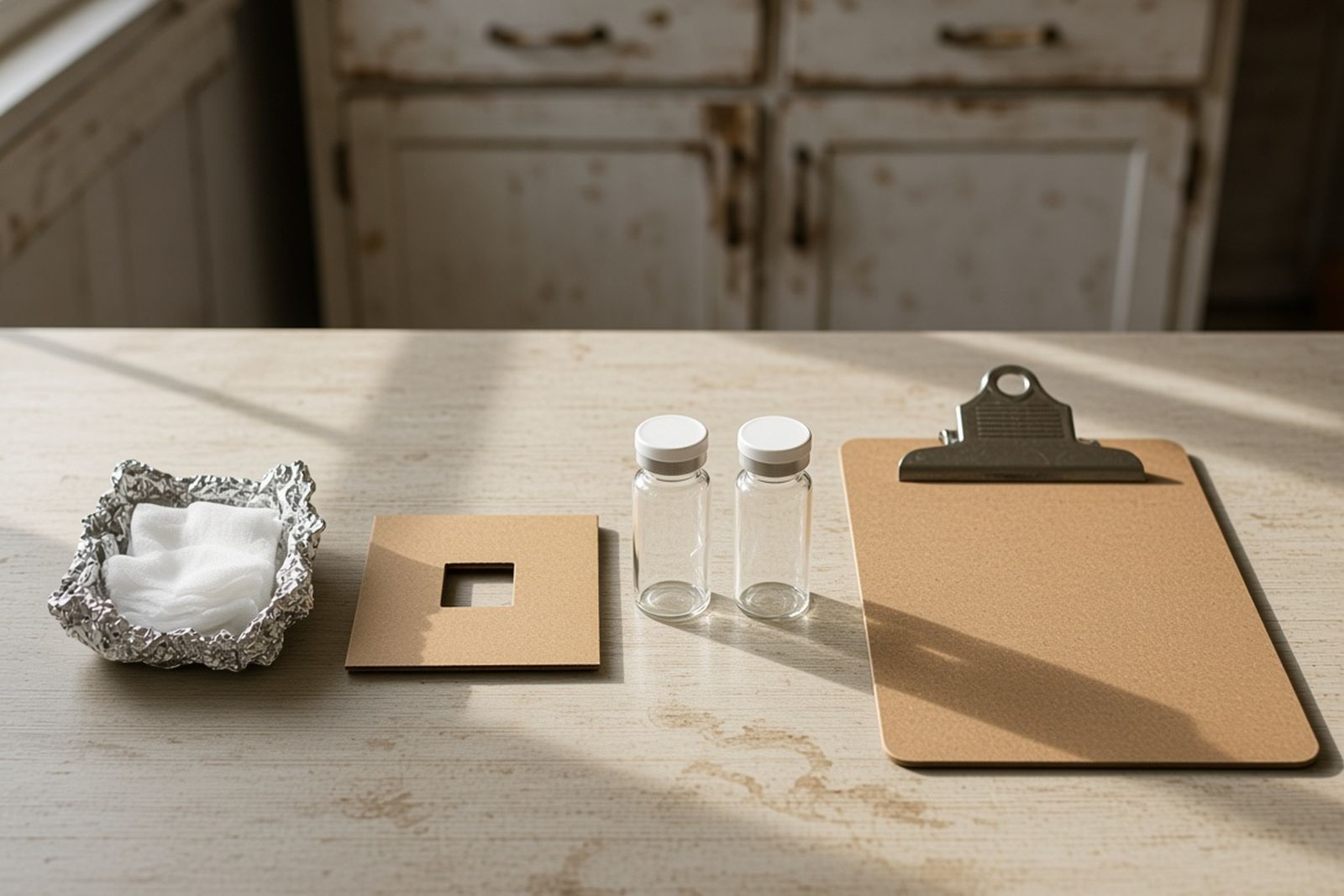
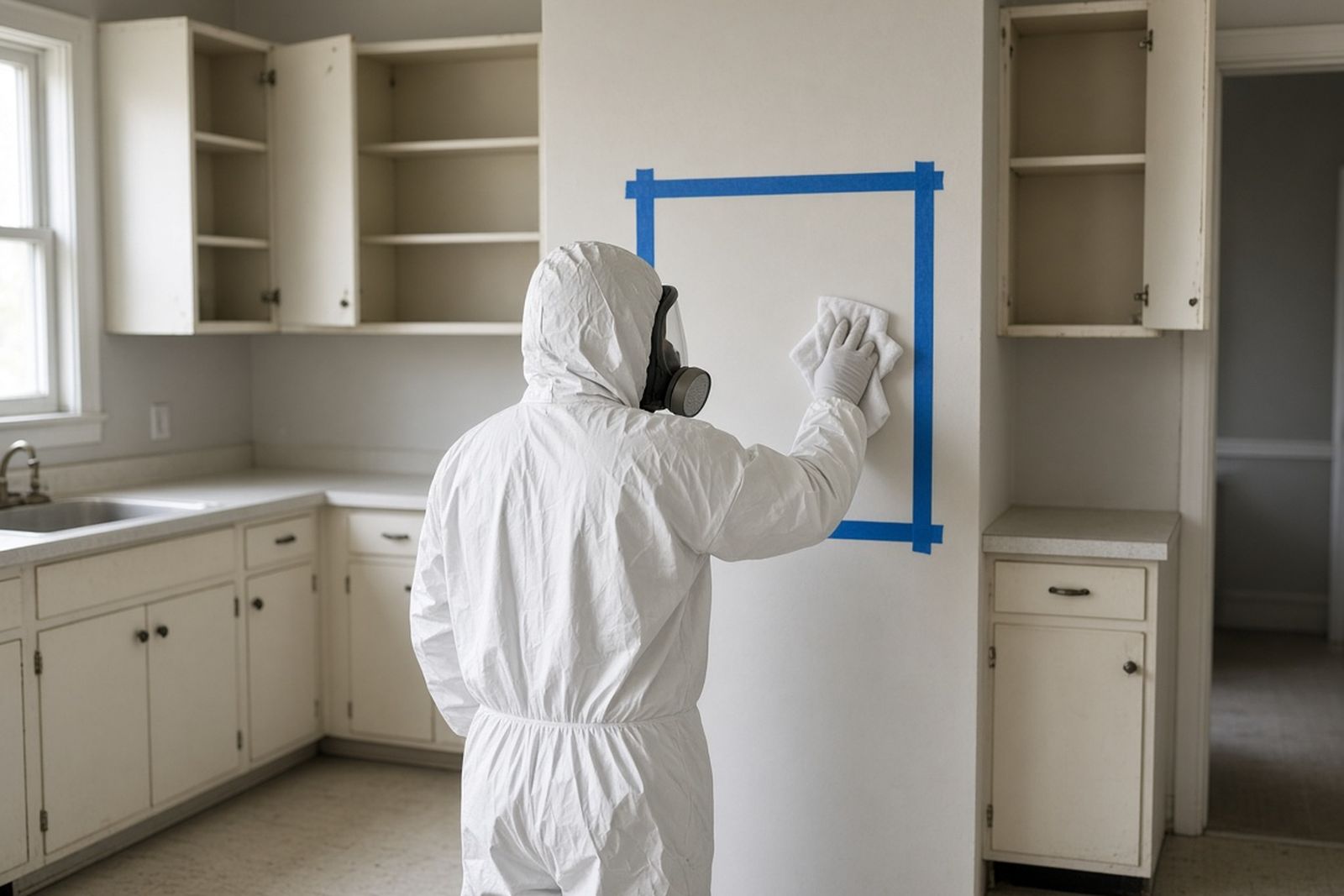
An initial assessment should include wipe samples from representative surfaces in each room, near HVAC supply registers and in areas where use or production was suspected. For multifamily buildings, ask whether adjoining units or shared systems should also be sampled.
The sampling report becomes the basis for the remediation scope. A contractor who proposes to gut a unit without any testing, or one who says testing is unnecessary because everything will be washed anyway, is skipping the step that makes the work defensible.
Planning for the vacancy
Plan for the timing, too. Laboratory turnaround, scheduling the sampler and waiting for any agency review all take time, and that time is outside your control. Build a realistic vacancy estimate into your budget and tell ownership early, rather than promising a quick turn and revising it week after week.
What remediation involves in a rental unit
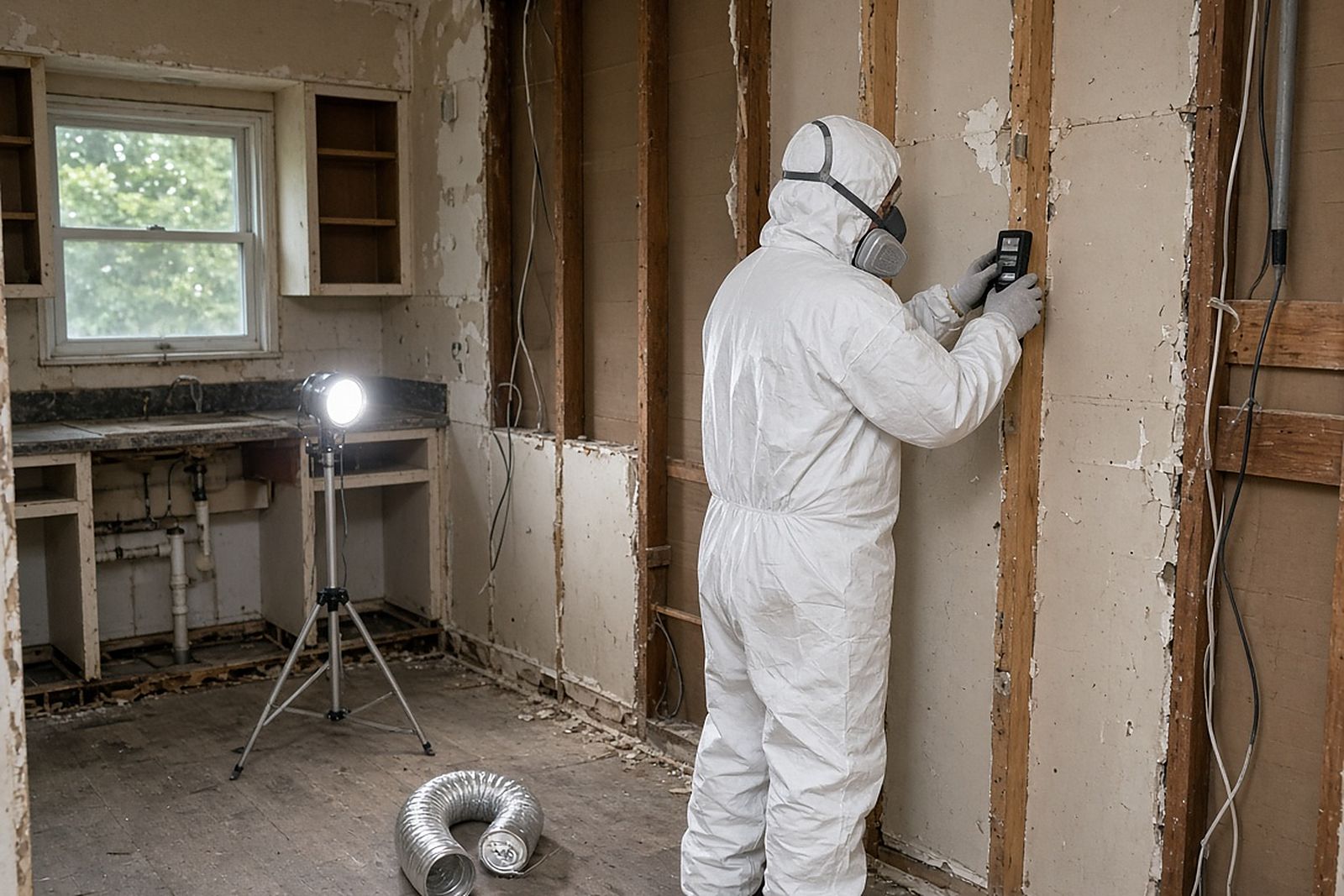
Remediation follows the test results. Carpets and pads often come out. Hard surfaces are HEPA vacuumed and washed, sometimes several times. HVAC ducts may be cleaned or replaced, and plumbing traps may be addressed if waste was poured down drains. Some programs permit encapsulating cleaned surfaces with paint or sealant afterward.
Ask the contractor for a written work plan that lists each room, the materials to be removed, the cleaning method for each surface type, containment measures and waste handling. Confirm that the plan matches what your state or local program expects.
Cost depends on the size of the unit, the level of contamination, the materials involved and local requirements. Published averages from other states or other years tell you little about your building, so get at least two written bids based on the same sampling report and compare them line by line.
Shared furnaces and occupied neighbors
In a small multifamily building, a vacated unit rarely stays a one-unit problem when heating or ventilation is shared. Once the unit is locked, shut down a shared furnace temporarily and ask the county health department or state program for its list of qualified samplers.
Ask the sampler whether wipes should be collected near supply registers in the occupied units served by the same system. Results often differ from unit to unit, and a neighbor's register can show residue even when the rest of that apartment is below the standard.
The remediation plan should then cover the vacated unit fully, clean the shared ductwork and furnace components, and address any area in an occupied unit that tested above the standard. Tell the occupied tenants in writing about the timeline and when access will be needed.
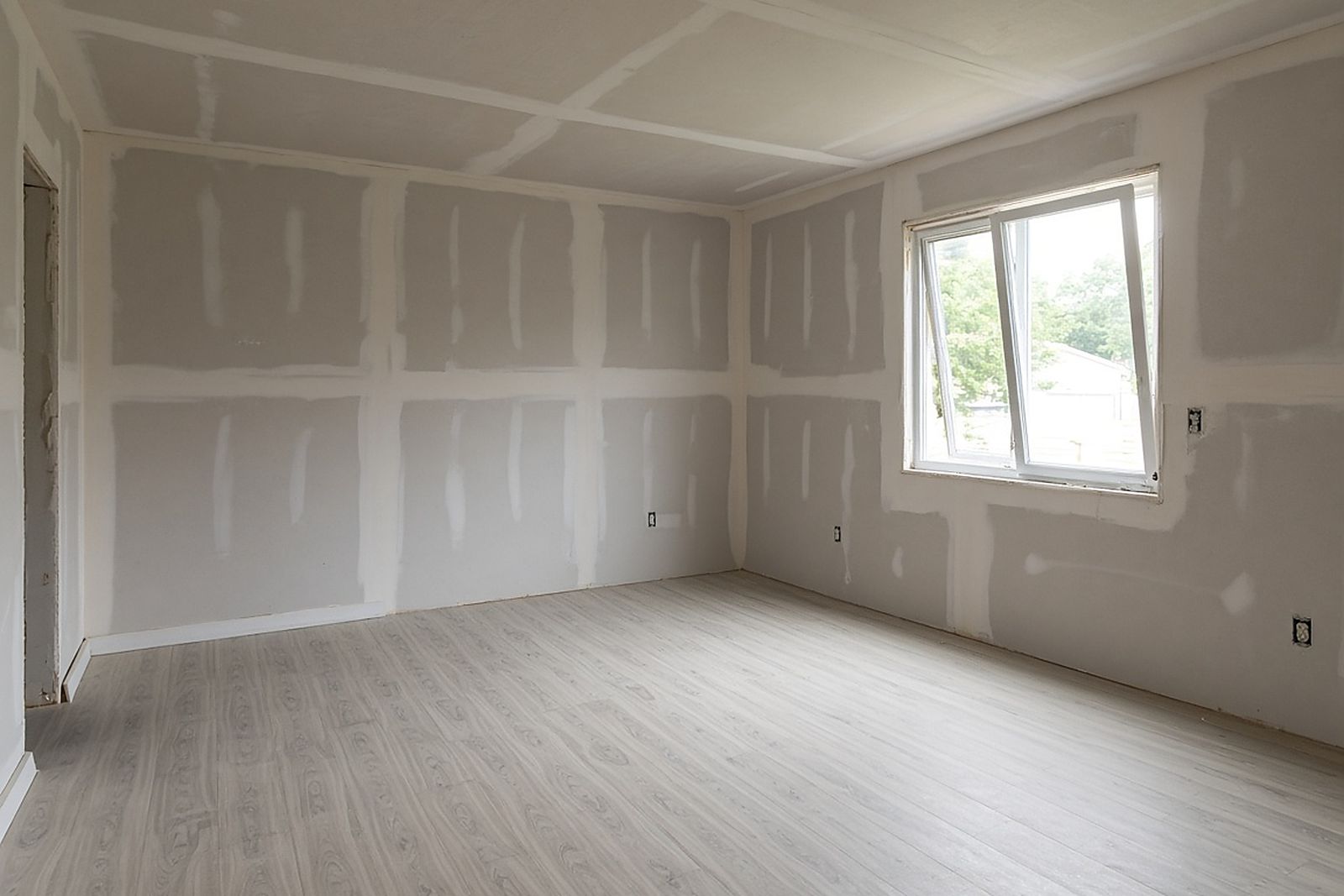
Schedule painting and new flooring only after clearance wipes pass, and put the full record into the unit's disclosure file before the unit is listed again.
What do I owe future tenants and buyers?
Disclosure duties differ widely. Some states require landlords or sellers to disclose known drug manufacturing, and some require that a property be cleared before it can be occupied again.
Even where no statute speaks to rentals, withholding what you know can create liability if a tenant later becomes ill or discovers the history on their own. Many managers choose to share the clearance report with incoming tenants as a matter of trust.
Talk with a real estate attorney about the wording you use, especially if the property is in a state with a formal disclosure form or a public list of former lab sites.
Tenant screening and lease language
Screening can reduce risk but cannot eliminate it, and screening criteria must comply with fair housing law. Focus on consistent, lawful criteria applied the same way to every applicant.
Lease language can help by prohibiting illegal drug manufacturing and use on the premises, requiring tenants to report suspected contamination and allowing noticed entry for inspections. Some owners add a clause about responsibility for testing and remediation costs caused by a tenant's conduct, though whether it can be enforced depends on local law.
Regular, noticed inspections are one of the most practical tools you have. A quick look at smoke alarms and filters every few months gives staff a reason to be inside and a chance to notice early warning signs.
Records to keep once the unit is cleared
Keep the law enforcement notice, your incident notes, correspondence with the health department, the initial sampling report, the remediation work plan and invoices, waste manifests, the clearance report, the laboratory reports with chain-of-custody forms, and any certificate or release issued by the local program.
Store these with the property file, not just in a single manager's email. Staff turnover is common, and the next manager, buyer or lender may need them years from now. A clean, complete file is often what separates a smooth sale or refinance from a stalled one.