Short answer
Research meth lab waste in two phases. Bulk chemicals and lab equipment are usually removed by law enforcement and its hazardous waste contractors before remediation. Remediation waste, such as carpet, drywall, ductwork, PPE and wash water, is then governed by your state's meth program, solid waste rules and local wastewater limits. Check each stream with the state program, landfill and sewer utility, and keep disposal records.
Two phases of waste
When police find an active or recently abandoned meth lab, the first priority is removing the dangerous materials: containers of solvents, acids, bases, reactive metals, precursor chemicals, glassware and production waste. That work is usually done by law enforcement working with specialized hazardous waste contractors, and the material is typically managed as hazardous waste. Property owners generally do not arrange or pay for this phase directly.
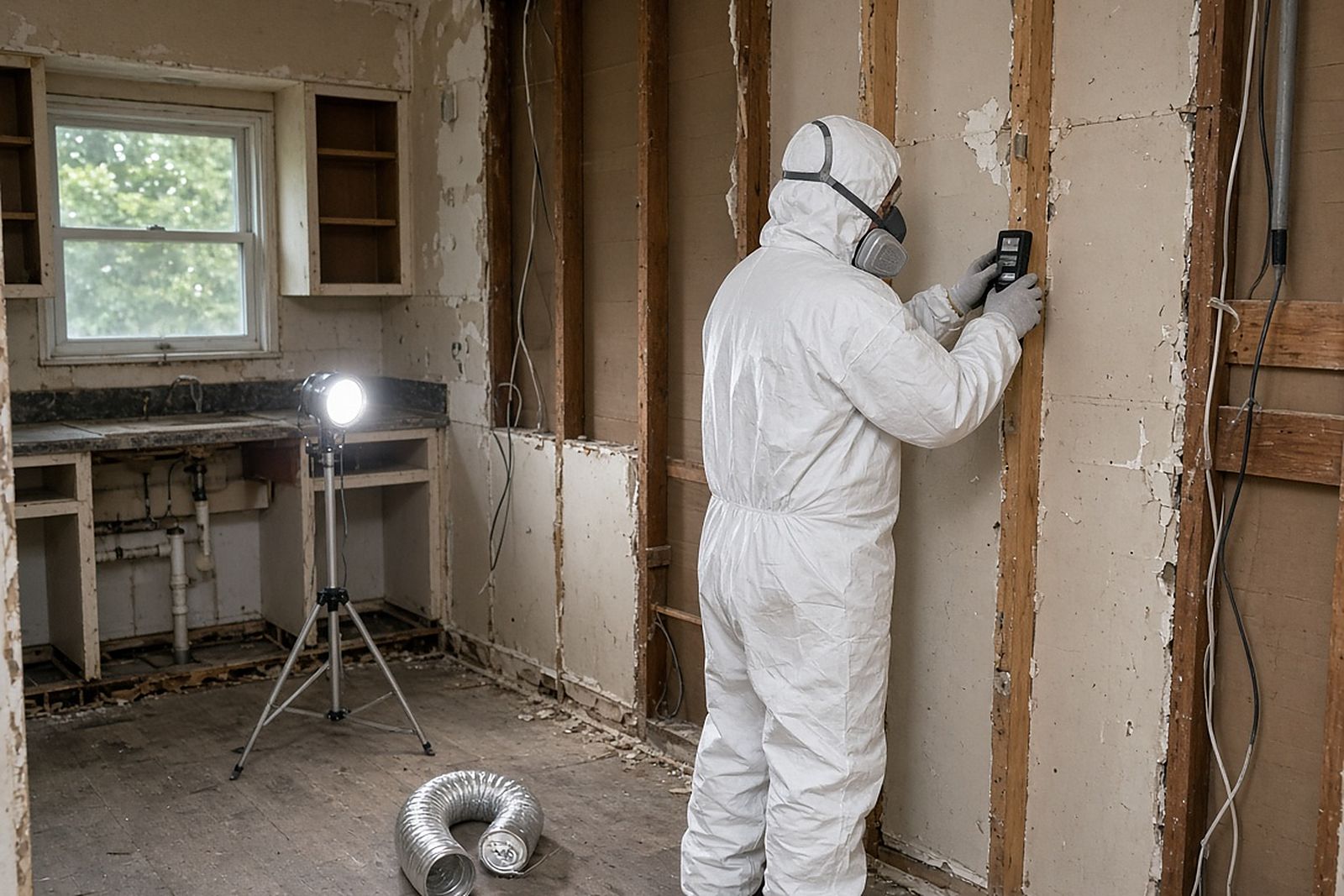
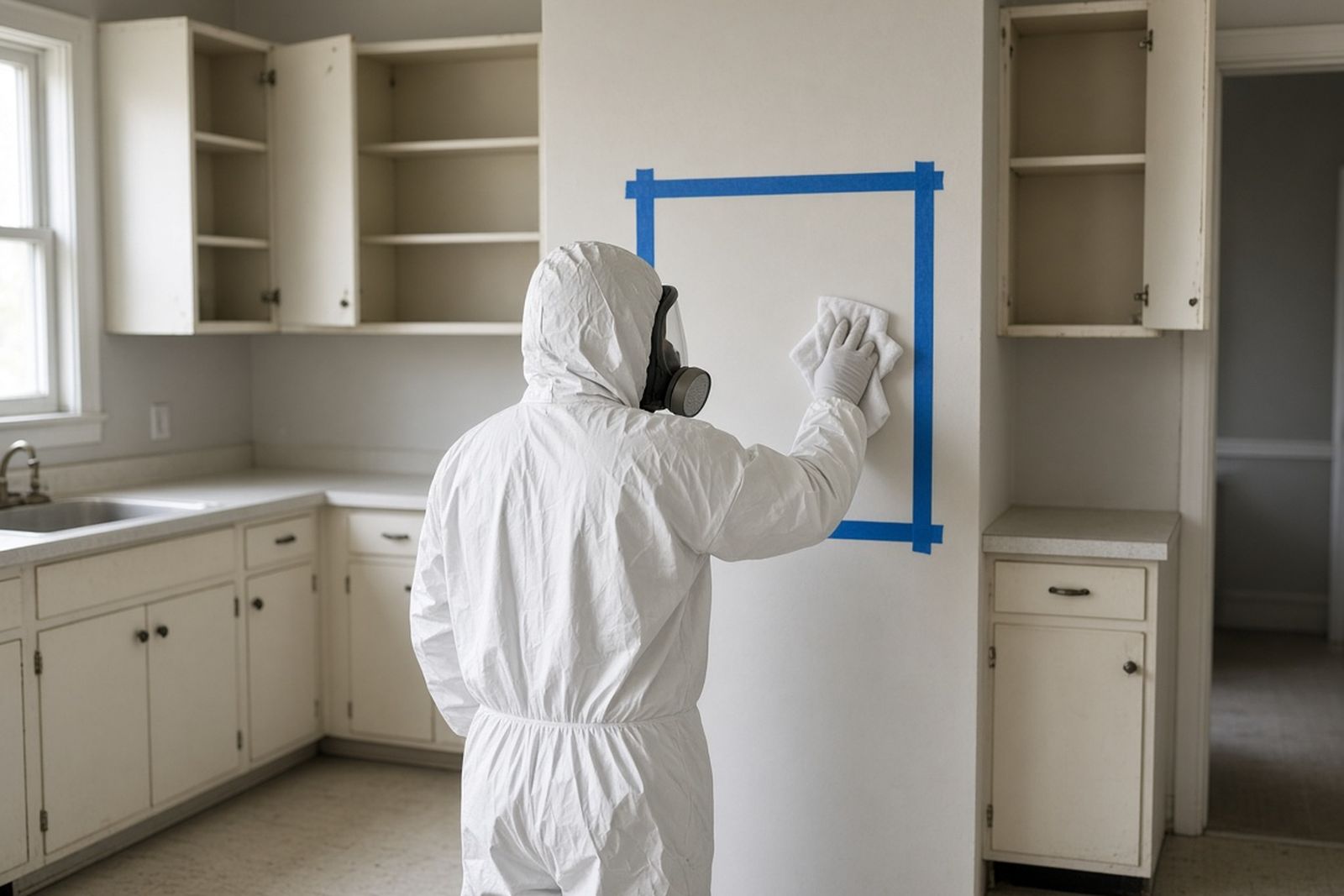
The second phase begins after those bulk materials are gone. Remediation removes contaminated building materials and cleans remaining surfaces so the property can pass clearance sampling. The waste from this phase is different: large volumes of carpet, drywall, insulation, ductwork, used PPE and wash water that carry drug residue rather than bulk chemicals.
Knowing which phase you are in tells you which rules to research. If you find anything that looks like lab chemicals or equipment during remediation, stop, leave the area and contact law enforcement. Those items belong to the first phase, even if they turn up late.
EPA's guidance and the waste streams it covers
EPA's main resource for this work is voluntary. EPA's own summary, published in 2021, states that its Voluntary Guidelines for Methamphetamine and Fentanyl Laboratory Cleanup were first issued in 2009, revised in 2013 and updated again in August 2021 to add fentanyl. The guidelines include recommendations on removing and bagging contaminated materials, managing wash water and working with local authorities on disposal.
Because the guidelines are voluntary, they do not set binding disposal rules for private properties. They are best treated as a description of good practice and a starting point for questions. Your state program, solid waste regulations and local utilities decide what is actually required.
Some state programs adopt EPA's recommendations directly, while others write their own disposal requirements into their meth cleanup rules. Reading your state program's guidance alongside EPA's document helps you see where they agree and where the state adds more.
List the streams your project is likely to generate before contacting any agency. Your contractor's work plan should already identify most of them.
- Porous building materials: carpet, pad, drywall, ceiling tiles, insulation and wood trim removed because residue cannot be cleaned out.
- Furnishings and contents: mattresses, upholstered furniture, curtains, clothing and other items left in the property.
- HVAC components: ductwork, filters, insulation and sometimes the air handler.
- Plumbing materials: traps, drain lines or fixtures removed because waste was poured into them.
- Wash and rinse water: collected from multiple cleaning cycles on walls, ceilings and floors.
- Used PPE and cleaning supplies: suits, gloves, respirator cartridges, wipes and mop heads.
- Sharps and paraphernalia: needles, pipes and broken glass found during work.
How removed building materials are usually disposed of
In many states, remediation debris such as carpet and drywall is bagged or wrapped at the point of removal, sealed and taken to a landfill as solid waste. Some state programs require specific packaging, labeling or advance notice to the landfill. Others require the contractor to document where debris went.
Individual landfills may also have their own acceptance policies. A landfill that normally takes construction debris may want to know that material came from a former drug lab, or may require it to be delivered in a certain way. Your contractor should confirm acceptance before the first load leaves.
Contents such as furniture and mattresses from contaminated properties are generally not suitable for donation or resale. Some states require them to be disposed of or rendered unusable so they are not picked up and reused. Ask your state program whether that applies.
Loads should also be covered and secured in transit. Wrapped debris that tears open on the way to the landfill can scatter residue-bearing material along the route, so contractors typically use enclosed trucks or lined, tarped containers.
Wash water, septic systems, sharps and PPE
Remediation involves repeated washing of surfaces, which produces rinse water containing residue and detergent. Where the property is connected to a public sewer, the local wastewater utility may allow discharge, prohibit it or require notice or pretreatment. Some state programs address this directly.
Properties on septic systems raise additional questions. Waste poured down drains during lab activity may already have reached the septic tank or drain field, and discharging wash water into the system could add to the problem. EPA's guidance recommends consulting local authorities about septic systems, and some jurisdictions require assessment or pumping.
Ask the contractor how it plans to manage wash water and whom it has consulted. If the answer is simply that it will go down the drain, ask whether the utility or health department has approved that approach.
Outdoor areas can hold waste too. Former labs sometimes leave burn pits, buried containers or stained soil in yards and around outbuildings. Soil contamination usually falls under state environmental agencies rather than the meth program, and it may require its own assessment. If your sampler or contractor notices signs of outdoor dumping, ask which agency should be contacted before anyone digs.
Needles found in a former lab or use site should go into rigid, puncture-resistant containers, and state rules for sharps disposal apply. Because sharps may carry bloodborne pathogens, crews handle them with tools and puncture-resistant gloves rather than bare hands.
Used PPE and cleaning supplies are typically bagged at the exit of the work area and disposed of with remediation debris, unless your state program specifies otherwise. They should never be carried loose to vehicles or placed in household trash at another location.
Your state meth program or county health department can tell you whether specific requirements apply to PPE and sharps from drug-lab sites, and the contractor should already know them.
Reusable tools and equipment, such as scrapers, ladders and wet vacuums, should be cleaned in the decontamination area before leaving the site, with the resulting rinse water handled like the rest of the wash water from the job.
What a complete waste trail looks like
A well-run remediation leaves a paper trail that follows each waste stream from the property to its destination. It starts in the work plan, where many state programs require a waste management section that lists what will be removed: carpet and pad by room, drywall from specific areas, flexible ductwork, sink traps, contents left behind, used PPE, any needles found and wash water from each cleaning cycle.
Before the first load leaves, the contractor should have confirmed three things: that the landfill or transfer station will accept wrapped debris and under what notice or packaging conditions, that the sewer utility or septic authority has approved how rinse water will be handled, and that a licensed service will take the sharps.
At the end of the job, the owner should receive landfill tickets, the sharps service receipt, any utility approval and the contractor's waste summary, and the contractor should include them in its final report to the agency where one is required. If any of those documents is missing, ask for it before you make the final payment.
Whom should you contact about meth remediation waste, and in what order?
Work through these contacts in order, and write down the answers. Many of them can be handled by your contractor, but you should know what was decided.
- State meth or clandestine lab program: disposal requirements for remediation waste, contents and PPE.
- Local health department: any additional local requirements and how waste documentation fits into property release.
- Landfill or transfer station: acceptance of debris from a former drug lab and any packaging or notice conditions.
- Wastewater utility: whether rinse water may be discharged to the sewer and under what conditions.
- Septic authority, where applicable: whether the system must be assessed or pumped.
- Sharps disposal service: packaging and pickup for needles and paraphernalia.
Why disposal records matter after clearance
If your state has no meth cleanup program, the research still matters. Solid waste, wastewater and sharps rules apply regardless, and following EPA's voluntary guidance for waste handling gives you a defensible standard to point to if questions arise later.
Disposal documentation proves that contaminated materials left the property and went to appropriate places. Many state programs expect it in the final report before a property is released, and it supports disclosure obligations if you later sell or rent the property.
Keep landfill tickets, receipts, utility approvals and the contractor's waste summary with your clearance results. If a future buyer, tenant, lender or insurer asks how the property was remediated, those records answer the question clearly and help show that the job followed the rules that applied.